
1. Eyeglasses
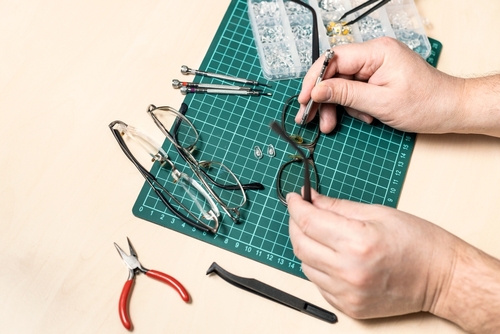
Eyeglasses were once adjusted and repaired frequently instead of replaced. Opticians tightened screws, replaced nose pads, and fixed bent frames. Frames were often sturdier and intended for long-term use. Lenses could be swapped without discarding the entire pair.
Lower-cost frames and fast-changing styles shifted habits. Many people now buy new glasses instead of repairing old ones. Online retailers also made replacement easier and cheaper. Still, repair services remain available for higher-quality frames.
2. Wristwatches
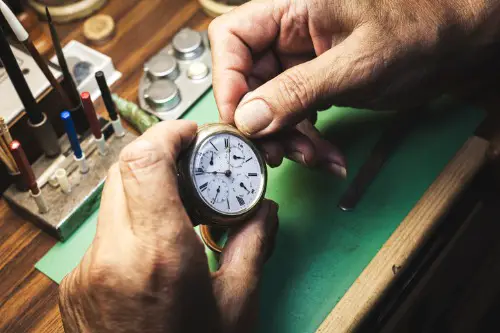
Mechanical wristwatches were built to last for decades with proper care. Owners would take them in for cleaning, lubrication, and occasional part replacement. Watchmakers adjusted timing and repaired worn gears as a routine service. A single watch could be passed down through generations.
Quartz watches and smartwatches shifted expectations toward replacement instead of repair. Battery changes remain common, but deeper servicing is less frequent for inexpensive models. Skilled watch repair still exists, but it’s more niche than it once was. Many people now replace a watch at the first sign of trouble.
3. Clothing (Especially Workwear)
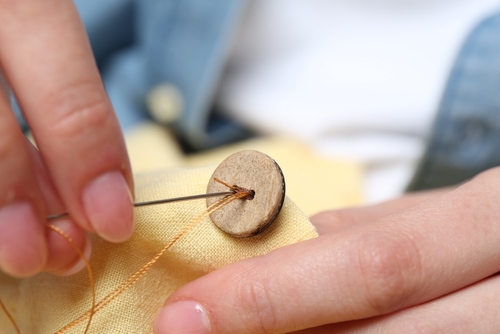
Clothing used to be patched, darned, and altered regularly. Tears in jeans or work shirts were sewn up rather than discarded. Elbows and knees often had visible patches that extended usefulness. Tailoring was a practical skill in many households.
Fabric quality and higher costs made repair worthwhile. Today’s fast fashion is often cheaper to replace than fix. Many garments aren’t designed to withstand repeated repairs. As a result, clothing lifespans have shortened significantly.
4. Household Furniture
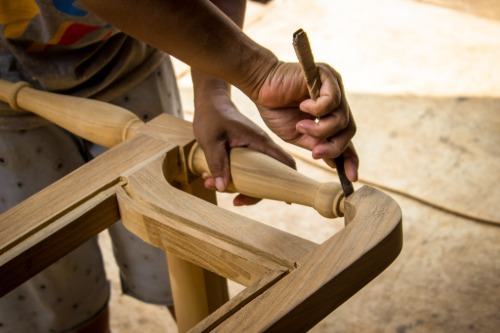
Solid wood furniture was built to endure decades of use. Scratches, loose joints, and worn finishes were repaired rather than tolerated or replaced. People refinished tables, re-glued chairs, and replaced hardware as needed. Furniture repair shops and carpentry skills were more common.
Mass-produced particleboard furniture changed that equation. Many modern pieces aren’t designed for easy disassembly or repair. When something breaks, replacement is often simpler. Older furniture still shows how long items can last with maintenance.
5. Small Kitchen Appliances
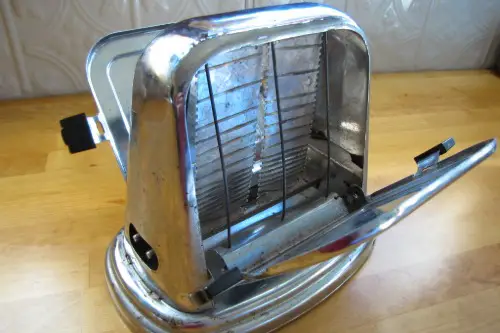
Toasters, mixers, and coffee makers were once repaired when they stopped working. Local appliance repair shops handled common electrical or mechanical issues. Parts were often standardized and accessible. Keeping an appliance running was seen as practical.
Modern appliances are frequently sealed or difficult to open. Repair costs can exceed the price of a new unit. As a result, many people skip repair altogether. The shift has made appliance repair a less visible trade.
6. Televisions
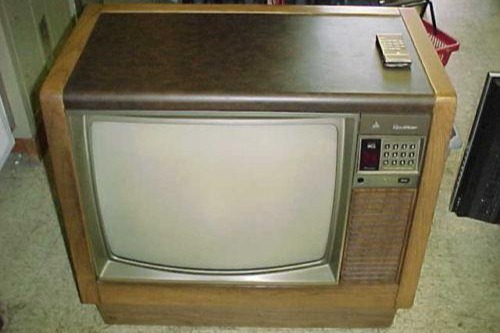
Early televisions were designed with replaceable components like vacuum tubes. When a set malfunctioned, technicians could diagnose and swap out specific parts. Some households even kept spare tubes on hand. Repair visits were a normal part of owning a TV.
Flat-screen technology changed how TVs are built and serviced. Components are more integrated and harder to replace individually. Repairs can be expensive relative to replacement costs. Many broken TVs are now simply discarded.
7. Bicycles

Bicycles have long been designed for ongoing maintenance and repair. Tires, chains, brakes, and gears are all replaceable components. Riders routinely patched inner tubes and adjusted mechanisms. A well-maintained bike could last for decades.
Local bike shops supported this repair culture with parts and expertise. While that still exists, some lower-cost bikes are treated as disposable. Complex modern components can also discourage DIY fixes. Even so, bicycles remain one of the more repair-friendly items.
8. Vacuum Cleaners
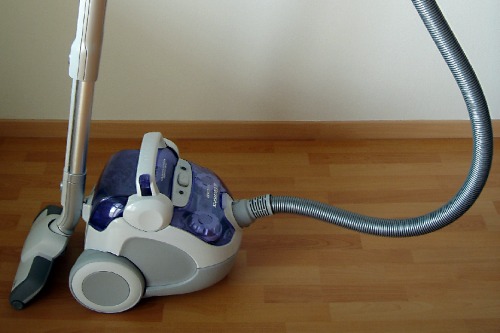
Vacuum cleaners were once repaired repeatedly over their lifespan. Belts, hoses, and motors could be replaced when they wore out. Repair shops specialized in diagnosing and fixing common issues. A single machine might stay in service for many years.
Modern designs often prioritize compactness over repairability. Replacement parts can be harder to source for certain models. Cheaper units are frequently replaced instead of fixed. Older heavy-duty vacuums highlight how durable these machines once were.
9. Radios
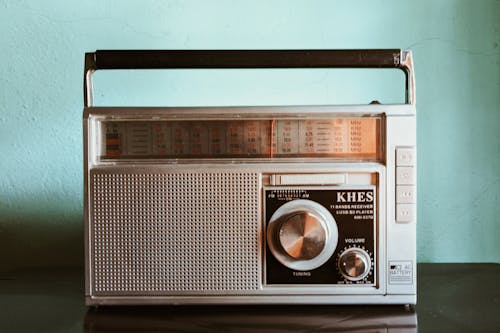
Radios were central household devices and worth maintaining. Like early televisions, they used components that could be individually repaired or replaced. Technicians diagnosed problems and restored sound quality. Repair was often more economical than buying new equipment.
As electronics became cheaper and more integrated, repair declined. Portable radios were especially likely to be replaced when broken. The shift mirrored broader trends in consumer electronics. Today, radio repair is mostly limited to hobbyists and collectors.
10. Lawn Mowers

Gas-powered lawn mowers were commonly repaired season after season. Owners replaced spark plugs, sharpened blades, and fixed engines. Routine maintenance was part of normal ownership. Keeping a mower running for years was expected.
Modern electric and lower-cost models changed that mindset. Some are not designed for easy repair or long-term servicing. Replacement parts can be limited depending on the brand. Many people now replace rather than rebuild.
11. Leather Shoes
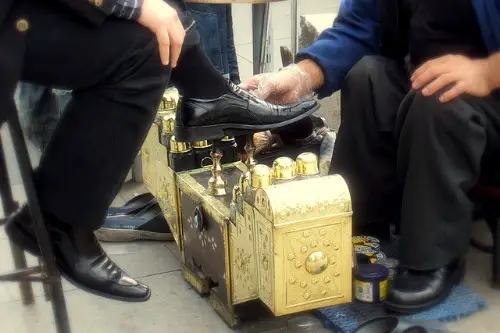
Leather shoes used to be considered long-term investments rather than disposable fashion. People routinely took them to cobblers for resoling, restitching, and conditioning. High-quality soles could be replaced multiple times, extending the life of a single pair for years. It was normal to maintain them season after season instead of replacing them.
Shoe repair shops were once common in neighborhoods and shopping districts. The cost of repair often made more sense than buying new shoes. Over time, cheaper mass-produced footwear reduced that incentive. Today, many shoes are worn out and tossed rather than restored.
12. Cars
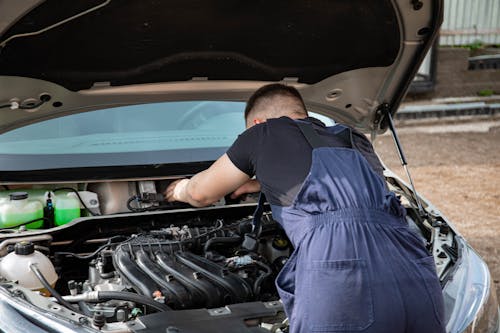
Cars were once repaired far more often than replaced. Owners expected to maintain engines, transmissions, and bodywork over many years. Mechanics rebuilt components instead of swapping entire systems. Regular repairs were part of keeping a vehicle on the road.
Modern vehicles are more reliable but also more complex. Some repairs require specialized tools and electronics expertise. For older cars, repair costs can exceed resale value. Even so, the tradition of long-term vehicle maintenance still persists in many cases.
This post Items That Were Once Repaired Over and Over Again was first published on American Charm.

