
1. St. Louis, Missouri
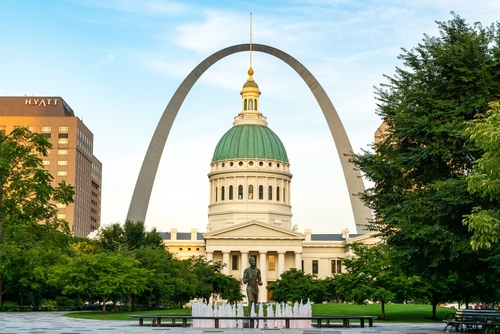
St. Louis once ranked among America’s largest cities and key economic centers. Mississippi River trade and manufacturing supported packed neighborhoods and active streets. Civic projects and transit systems assumed continued population growth. Its infrastructure was built for metropolitan momentum.
Postwar suburbanization and industrial shifts slowed that pace. Population declined sharply from mid-century highs. Some neighborhoods now contain long stretches of vacant lots. The city feels like it’s still sized for the crowds it once had.
2. Gary, Indiana
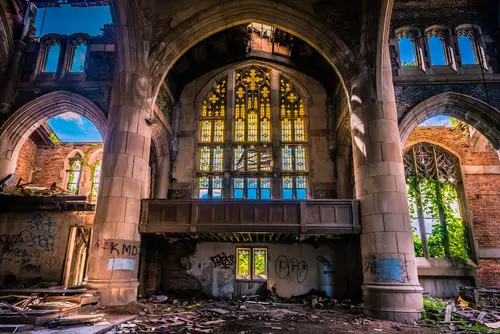
Gary was purpose-built in 1906 by U.S. Steel as a powerhouse company town. Steel mills, rail lines, and dense neighborhoods supported a massive industrial workforce. At its mid-20th-century peak, the city had well over 170,000 residents. Schools, theaters, and shopping districts were designed for constant activity.
As domestic steel declined, jobs disappeared and families moved away. Population fell by more than half from its high point. Large civic buildings and wide streets now serve far fewer people. Walking downtown, you can still feel the scale of a city built for bigger days.
3. Cairo, Illinois
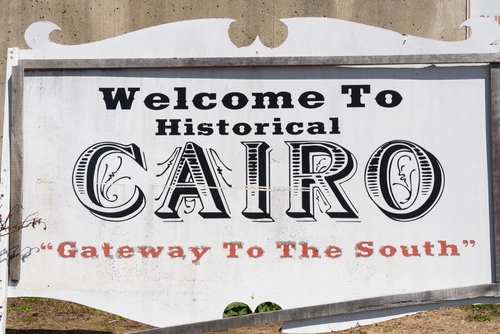
Cairo sits where the Mississippi and Ohio Rivers meet, once a prime location for trade. In the 1800s and early 1900s, steamboats and railroads made it a busy transportation hub. Grand hotels, warehouses, and commercial blocks reflected its importance. Leaders expected it to remain a vital river city.
Shipping patterns shifted and rail prominence faded over time. Economic decline and population loss followed in the late 20th century. Many historic buildings now stand vacant or deteriorating. The riverfront setting still hints at the energy that once filled its streets.
4. Buffalo, New York
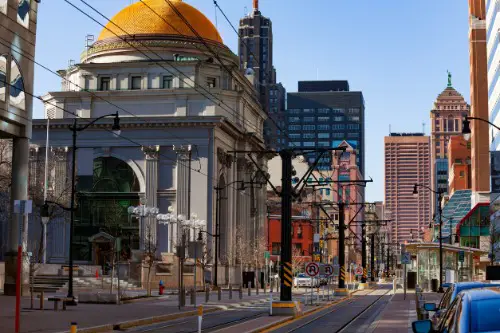
Buffalo flourished when Great Lakes shipping and heavy industry drove regional growth. The Erie Canal and extensive rail connections made it a logistics powerhouse. Elegant architecture and dense neighborhoods rose during its industrial peak. Population climbed steadily into the mid-1900s.
Manufacturing contraction and job losses changed that trajectory. Many residents relocated over several decades. Some commercial corridors now feel quieter than their grand design suggests. Revitalization continues, but the city’s scale still echoes busier eras.
5. Detroit, Michigan
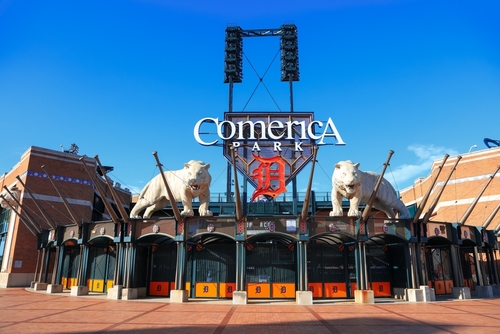
Detroit grew explosively as the heart of the American auto industry. Assembly plants, suppliers, and corporate offices fueled dense urban growth. In 1950, nearly two million residents filled its neighborhoods. Retail strips and entertainment venues thrived on shift changes and weekend crowds.
Deindustrialization and suburban migration reduced that density. Many residential blocks experienced steep vacancy and demolition. Revitalization has brought new life to select districts. Still, parts of the city carry a quiet that contrasts with their scale.
6. Atlantic City, New Jersey
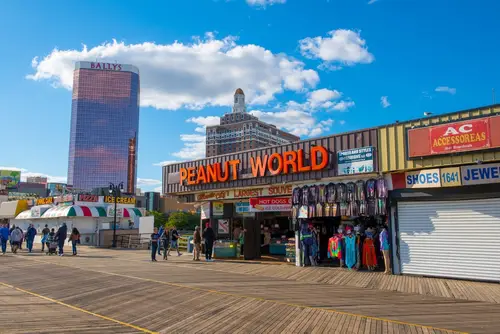
Atlantic City boomed as a premier seaside resort in the late 19th and early 20th centuries. The Boardwalk drew vacationers to grand hotels, theaters, and amusements. Casino legalization in 1976 triggered a second wave of mega-resort development. For years, tourism powered round-the-clock activity.
Competition from other gambling destinations thinned those crowds. Several casinos closed during the 2010s, leaving large properties dark. Off-season Boardwalk walks can feel surprisingly calm. The oversized resorts amplify the sense of missing bustle.
7. Cleveland, Ohio
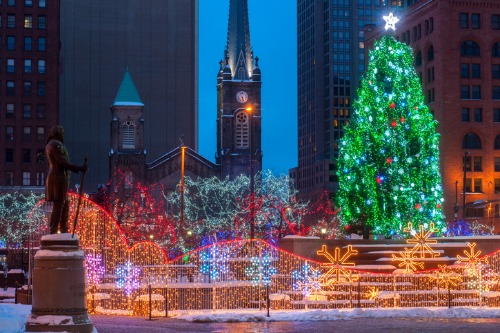
Cleveland thrived as a steel and manufacturing center on the Great Lakes. Railroads and port traffic supported dense worker neighborhoods. Corporate headquarters and cultural institutions expanded during its industrial height. Growth projections assumed long-term dominance.
Factory closures and job losses accelerated in the late 20th century. Population declined significantly from its peak. Some commercial districts feel quieter than their infrastructure suggests. The bones of a larger city remain visible.
8. Baltimore, Maryland
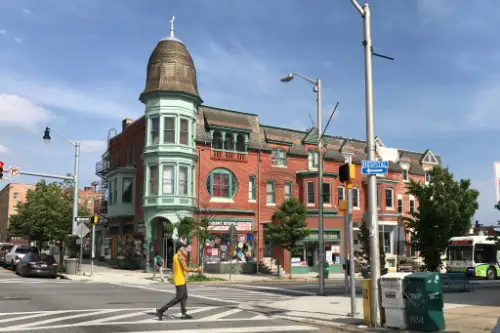
Baltimore developed as a major East Coast seaport and industrial center. Shipbuilding, steel, and trade powered busy waterfronts and rowhouse neighborhoods. Infrastructure investments reflected confidence in maritime commerce. Population rose steadily through the early 1900s.
Industrial restructuring and suburban flight reshaped many areas. Some neighborhoods experienced prolonged disinvestment. Revitalized districts sit near long-quiet blocks. The harbor still suggests the scale of its working-port past.
9. New Orleans, Louisiana
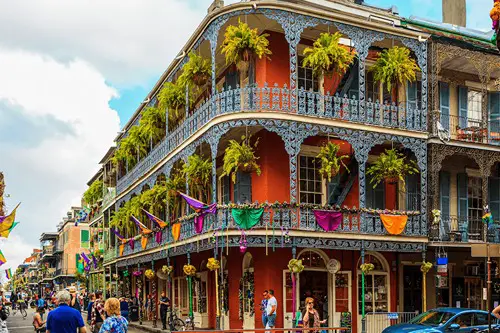
New Orleans grew around port trade, energy industries, and a world-renowned cultural scene. Historic neighborhoods and commercial corridors supported steady activity. Tourism and waterfront development reinforced long-term growth expectations. The city’s identity has long been tied to constant motion.
Hurricane Katrina in 2005 disrupted that rhythm dramatically. Flooding displaced hundreds of thousands of residents. Some neighborhoods never fully repopulated. The quieter streets still contrast with the city’s historic vibrancy.
10. Pittsburgh, Pennsylvania
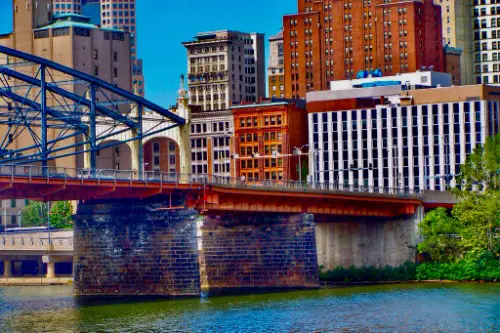
Pittsburgh became synonymous with steel production and industrial innovation. Rivers and railroads powered dense urban development. Corporate wealth funded major civic landmarks and cultural institutions. Its growth assumed steel would remain central to the economy.
The collapse of domestic steel brought severe job losses. Population declined and industrial sites went dormant. The city reinvented itself around healthcare and technology. Even so, former mill towns and riverfronts feel calmer than before.
11. Deadwood, South Dakota
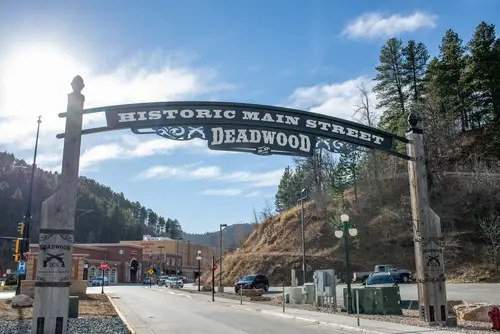
Deadwood surged during the Black Hills gold rush of the late 1800s. Prospectors, gamblers, and merchants crowded its streets. Saloons and hotels operated nonstop during boom years. The town’s reputation grew with its population.
Gold production slowed and the boomtown era faded. Modern Deadwood leans on tourism and preservation. Outside peak seasons, parts of town feel notably quiet. The historic setting makes the stillness stand out.
12. Virginia City, Nevada
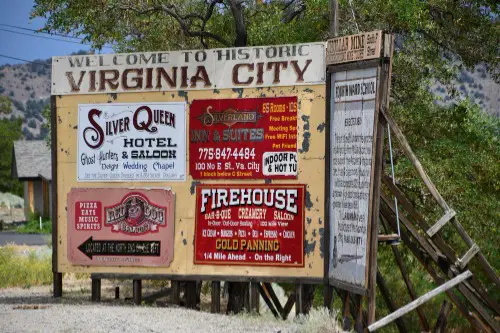
Virginia City exploded after the 1859 discovery of the Comstock Lode. Silver wealth made it one of the most important mining cities in the West. The population surged and cultural life expanded quickly. Impressive buildings rose during its rapid prosperity.
Mining declined and residents gradually moved away. Much of the town survives as a preserved historic district. Tourism sustains it, but everyday life is subdued. Empty boardwalks echo its once-roaring past.
13. Bodie, California
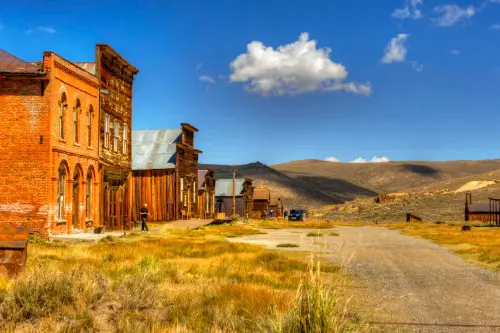
Bodie boomed during a late-1800s gold rush in the Sierra Nevada. Thousands of residents filled homes, hotels, and businesses. It gained a reputation for constant activity and rough-and-tumble energy. Investors expected long-term mining success.
Gold yields declined and harsh winters discouraged settlement. Residents abandoned the town in the early 20th century. It’s now preserved in a state of arrested decay as a historic park. Walking its streets feels like the crowd just stepped away.
14. Centralia, Pennsylvania
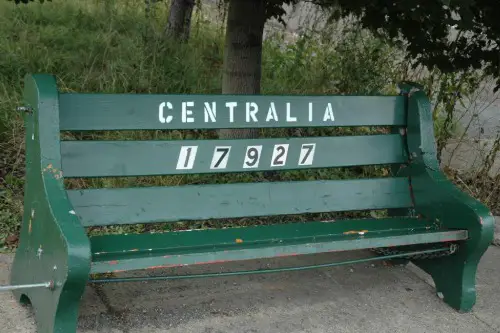
Centralia was once a small but active coal town with homes and local shops. In 1962, an underground mine fire ignited beneath the community. The fire spread through coal seams and proved nearly impossible to extinguish. Hazardous conditions made long-term residence unsafe.
Most residents relocated over the following decades. Streets remain, but nearly all buildings are gone. Nature overtook former neighborhoods and infrastructure. The empty layout still reflects where daily life once unfolded.
This post Everyday Places That Still Carry the Echo of Busier Times was first published on American Charm.

