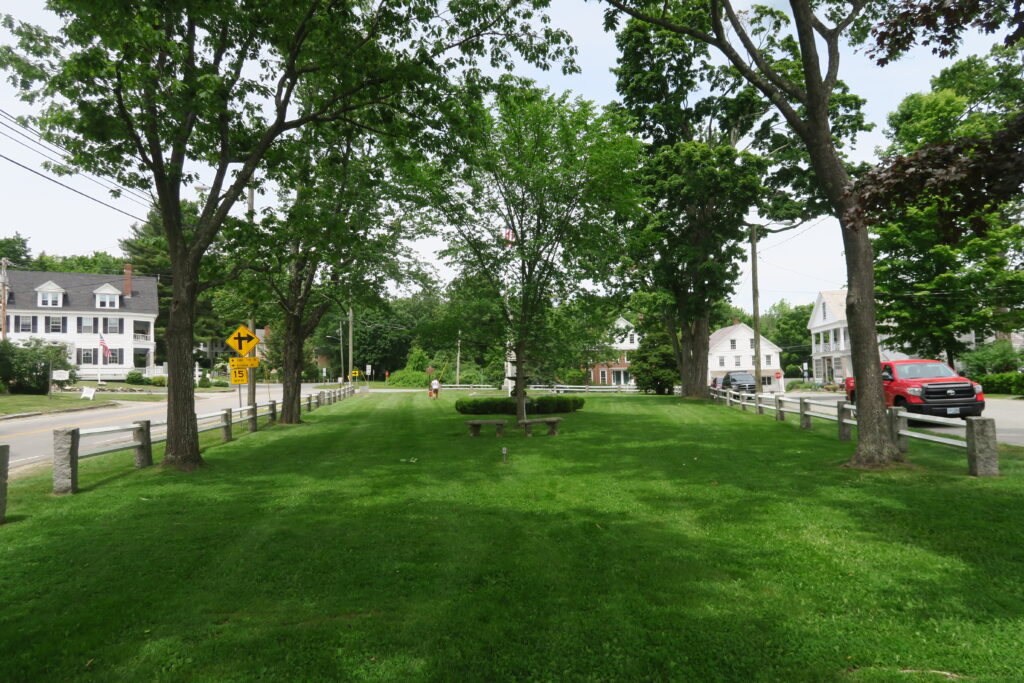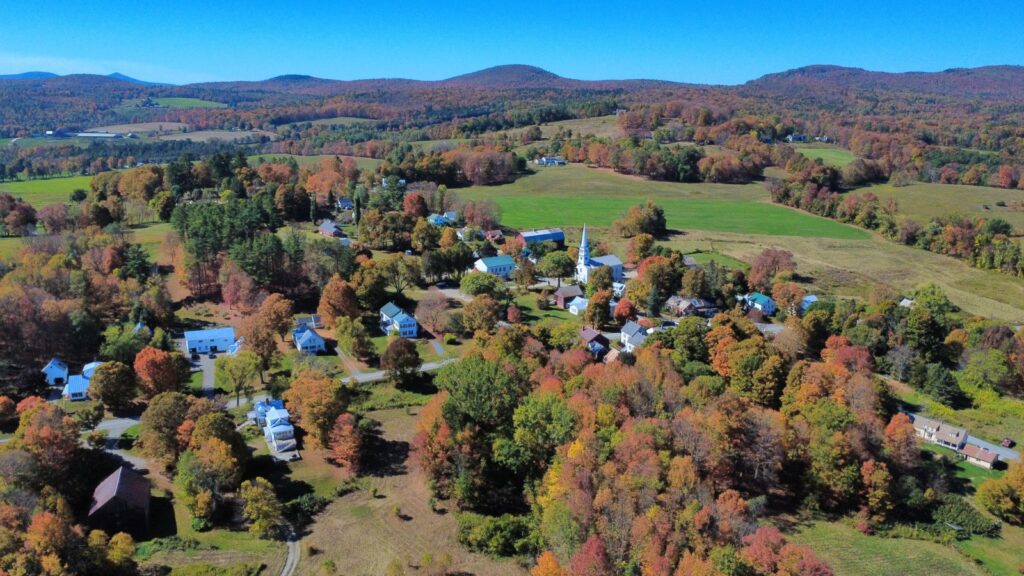
The population sign gives a number you could seat in a single church pew. Then the parking lot comes into view, and it’s sized for tour buses.
That’s the tell. Somewhere along the way, a song, a sighting or a gunfight grew bigger than the place it happened.
It’s an American habit. We’ve already rounded up a dozen tiny towns with outsized reputations, from a one-person town in Nebraska to a burning one in Pennsylvania. The list kept going after that.
These are nine more. Most have fewer than 300 residents. Every one of them welcomed visitors in 2026.
Some of the legends are true. Some are half true. A few were never true at all, and the towns kept them anyway.
The legend gets people there. The town is what they remember.
1. Luckenbach, Texas: The town got famous from a song by men who had never been there
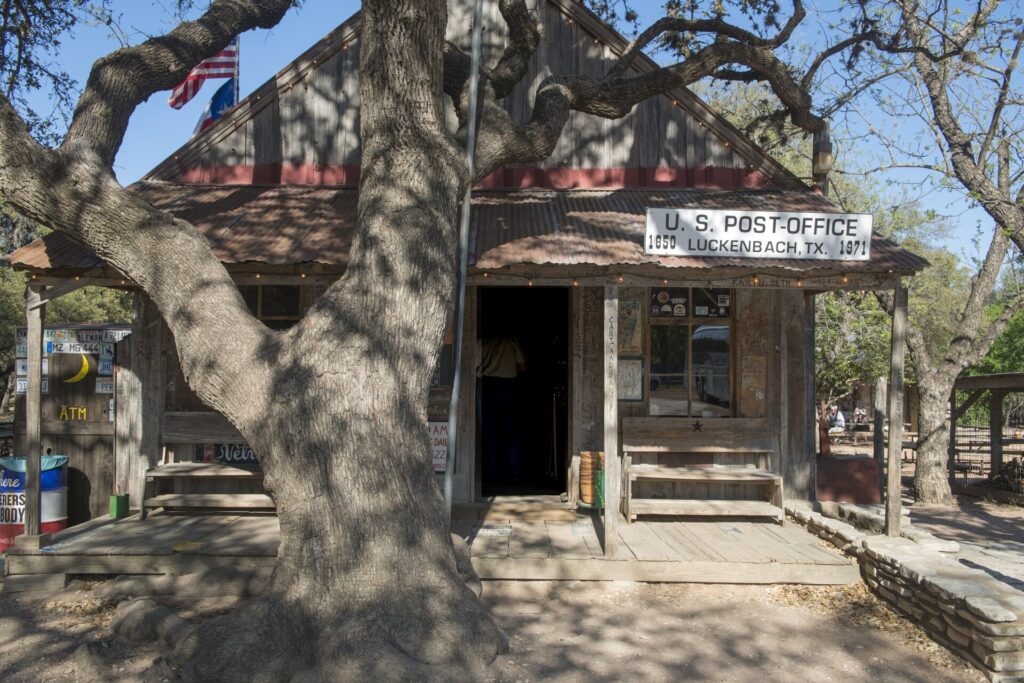
Under a live oak in the Texas Hill Country, a weathered store still wears a sign that says U.S. Post Office. The post office closed in 1971. The building stayed.
Around 1970, Hondo Crouch, actor Guich Koock and Kathy Morgan bought the town for about $30,000. Hondo died in 1976. The next spring, Waylon Jennings released “Luckenbach, Texas (Back to the Basics of Love),” and it went to No. 1 on the country chart. Neither the songwriters nor Jennings had ever been to Luckenbach.
The Texas State Historical Association still listed 25 residents in 2010. The dance hall, rebuilt by the early 1930s with a maple floor, kept booking shows in 2026, from the Valentine’s Hug-In in February to Hayes Carll in September.
Waylon sang about a town he’d never seen. Luckenbach let him.
2. Lincoln, New Mexico: Billy the Kid broke out of a courthouse that still stands on the main street
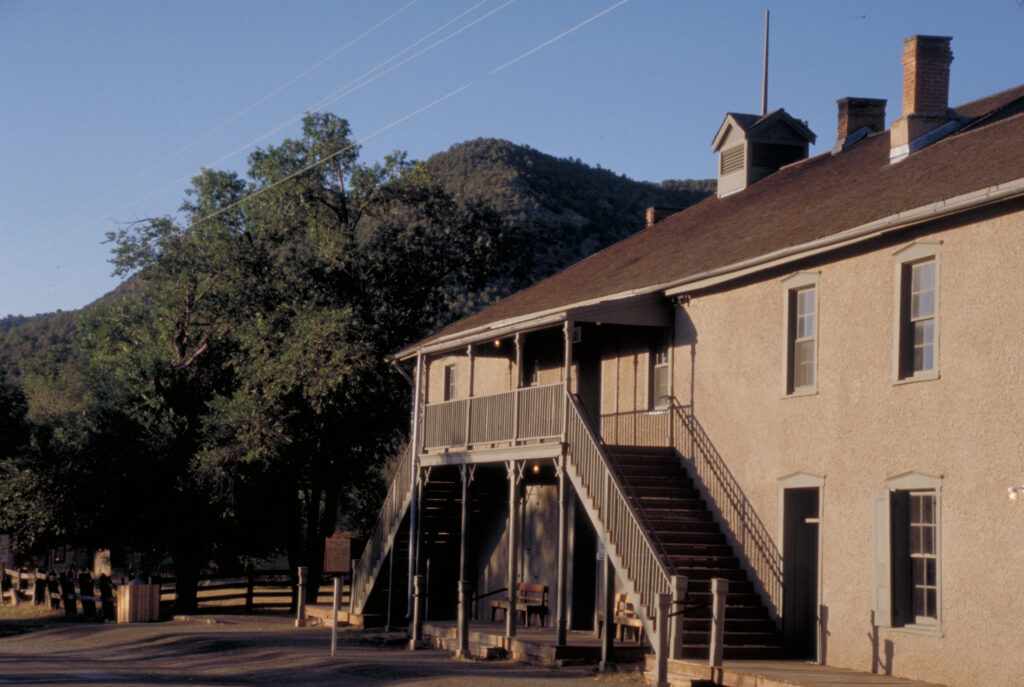
On April 28, 1881, Billy the Kid was being held in the Lincoln County Courthouse. He shot his way out, and deputies James Bell and Bob Olinger were both killed. A hole at the foot of the stairs is said to be from one of the bullets, though historians still debate whether it’s real.
The town had already earned its name for trouble. In 1878 the Lincoln County War broke out, and New Mexico Historic Sites says President Rutherford B. Hayes called Lincoln’s main street “the most dangerous street in America.” Billy is one of the Western legends whose real stories ran darker.
Lincoln is too small for its own census count. Yet New Mexico calls its 17-structure Lincoln Historic Site the state’s most widely visited. It’s open Thursday through Monday, and adults pay $7.
Billy left Lincoln in a hurry. The town has spent 145 years telling the story.
More from American Charm
 People who dug to the bottom of the cereal box for the prize usually remember these 8, and a few are worth real money now
 People who grew up on these 8 foods usually have no idea they originated in America, each in one hometown
 15 New Laws Taking Effect January 1, 2027 That Could Change Your Paycheck, Prescriptions and Shopping
3. Lily Dale, New York: A summer town where people come to talk with the dead
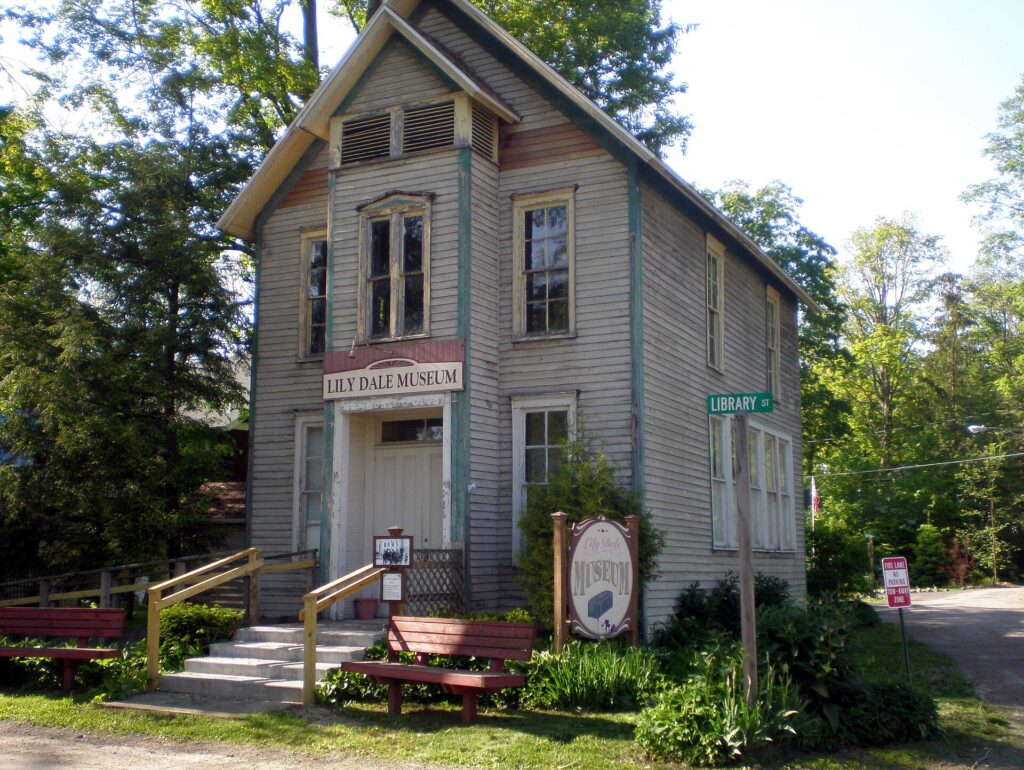
Every summer a gate goes up at the entrance to Lily Dale, a hamlet on Cassadaga Lake in western New York. In 2026 a day pass cost $20. Visitors 80 and older got in free.
Spiritualists founded Lily Dale in 1879. They believe the living can make contact with the dead. The Lily Dale Assembly still calls itself a home for spiritualism, mediumship and healing, and the National Spiritualist Association of Churches has its headquarters here.
In 1916 the Fox sisters’ old cottage was moved here from Hydesville, east of Rochester. The sisters’ reports of spirit “rappings” had helped launch the movement, though Margaretta Fox later called them a hoax. The cottage burned in 1955. In 2022 the grounds joined the National Register of Historic Places, with 179 contributing buildings.
Skeptics have been coming for 147 years. So have believers, and the gate charges them the same.
4. Flatwoods, West Virginia: One night in 1952 still has its own museum
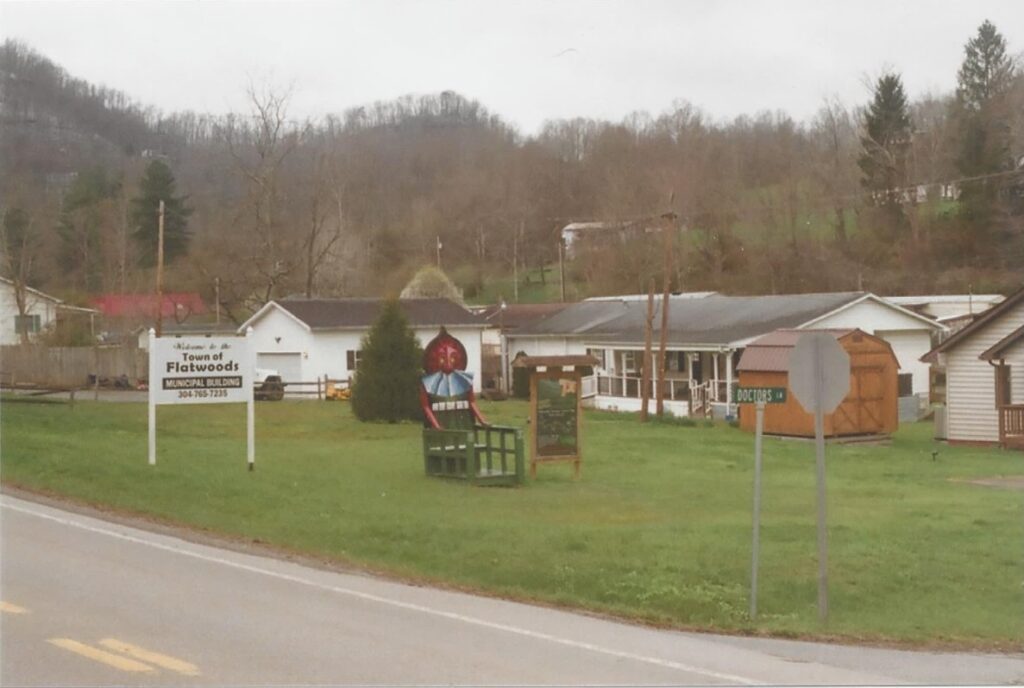
Outside the Flatwoods municipal building on Doctors Lane sits a 10-foot chair shaped like a monster. The town had 264 people in 2020.
On September 12, 1952, a group of boys saw a bright light streak across the sky and come down on a hillside farm. Kathleen May and a National Guardsman, Eugene Lemon, went up with them. They came back describing a ten-foot-tall creature. In 2000, investigator Joe Nickell argued it was a meteor, an aircraft beacon and a barn owl.
The county took the other side. The Flatwoods Monster Museum opened in nearby Sutton in 2018, with free admission. Five giant chairs went up around Braxton County starting in 2015, and in 2016 the governor declared September 12 Monster Day.
Skeptics say it was an owl. Braxton County built five 10-foot chairs anyway.
5. Bodie, California: The whole town has been left to decay on purpose since 1962
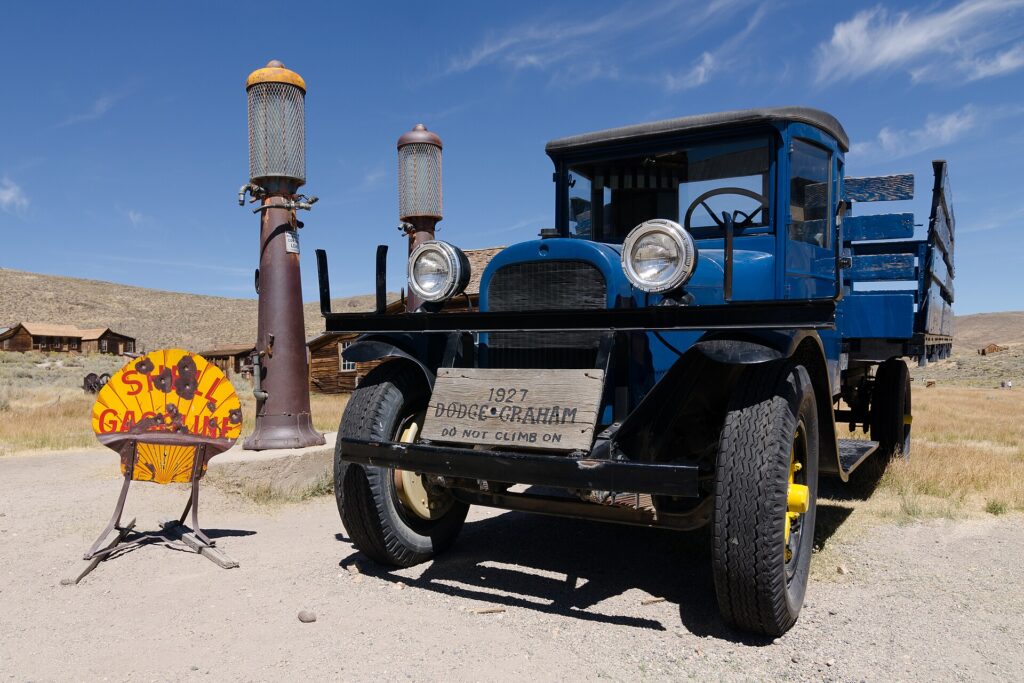
A 1927 truck sits by an old Shell pump on a dirt street 8,379 feet up in the Eastern Sierra.
Bodie boomed after a mine cave-in in 1875 exposed a rich vein of gold. The 1880 census counted 5,417 people. The bust began in 1881, and mining officially stopped in 1942. Since 1962 it’s been a state historic park, kept in what California State Parks calls a state of “arrested decay”.
Its best-known line, “Goodbye God, I’m going to Bodie,” is said to come from a girl’s diary. No one has ever found her. A 1972 account says the local paper insisted she wrote “Good, by God.” The park is open daily, but winter snow can close the road.
The town lost its people long ago. It never lost its visitors.
More from American Charm
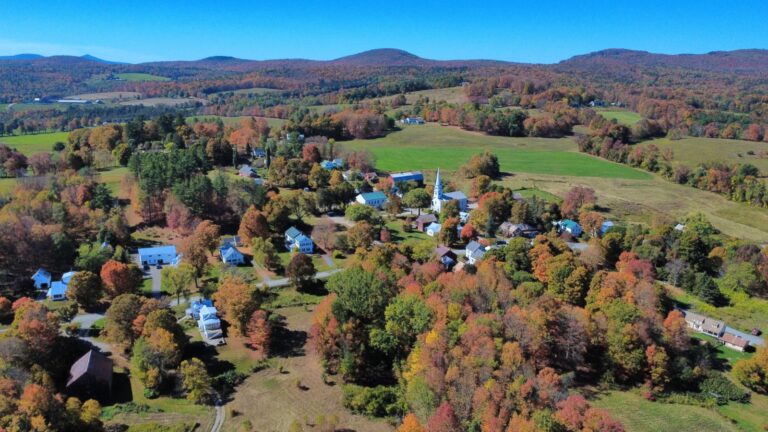 9 small towns in Vermont where a Saturday morning still looks the way it did in 1955
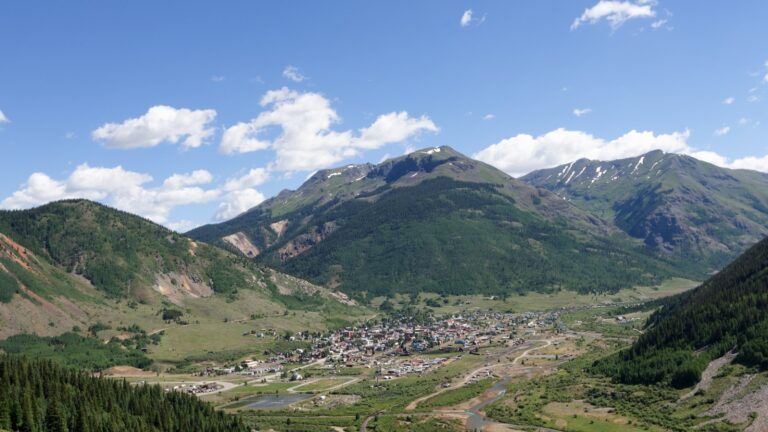 People who’d rather spend a Saturday on Main Street than at a resort usually fall for these 9 small towns in America’s most beautiful statesPeople who dug to the bottom of the cereal box for the prize usually remember these 8, and a few are worth real money now
6. Adams, Tennessee: A 200-year-old ghost story still sells tickets every fall
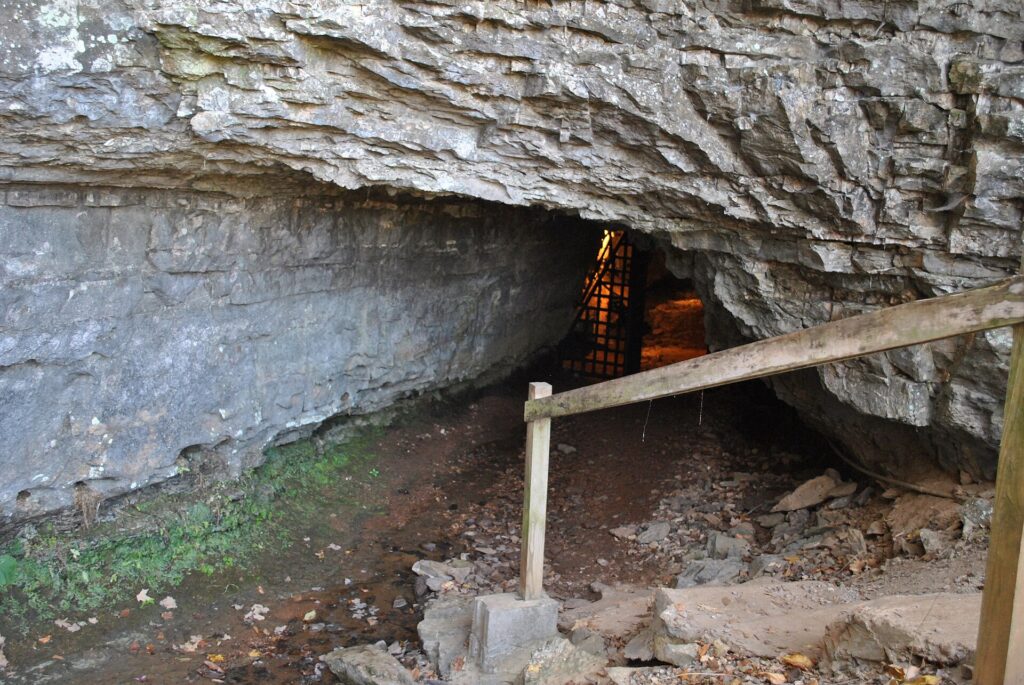
A gated cave mouth opens off Keysburg Road, just outside Adams, a town of 624. Guides lead tours about 40 minutes long into the dark.
The Bell Witch legend says a spirit tormented John Bell’s family on their farm here for about four years, starting around 1817. The Tennessee Encyclopedia records that John Bell died on December 20, 1820. According to legend, Andrew Jackson came to see for himself and his coach wheels froze. One skeptic argues the Jackson visit was invented for an 1894 book.
The cave itself runs about 490 feet. In 2008 it was added to the National Register of Historic Places for its role in local tourism. In 2026 it stayed open on weekends through November and then closed for winter, until spring 2027.
The witch supposedly left in 1821. The visitors never did.
7. Oatman, Arizona: The burros run Main Street, and the famous honeymoon may never have happened
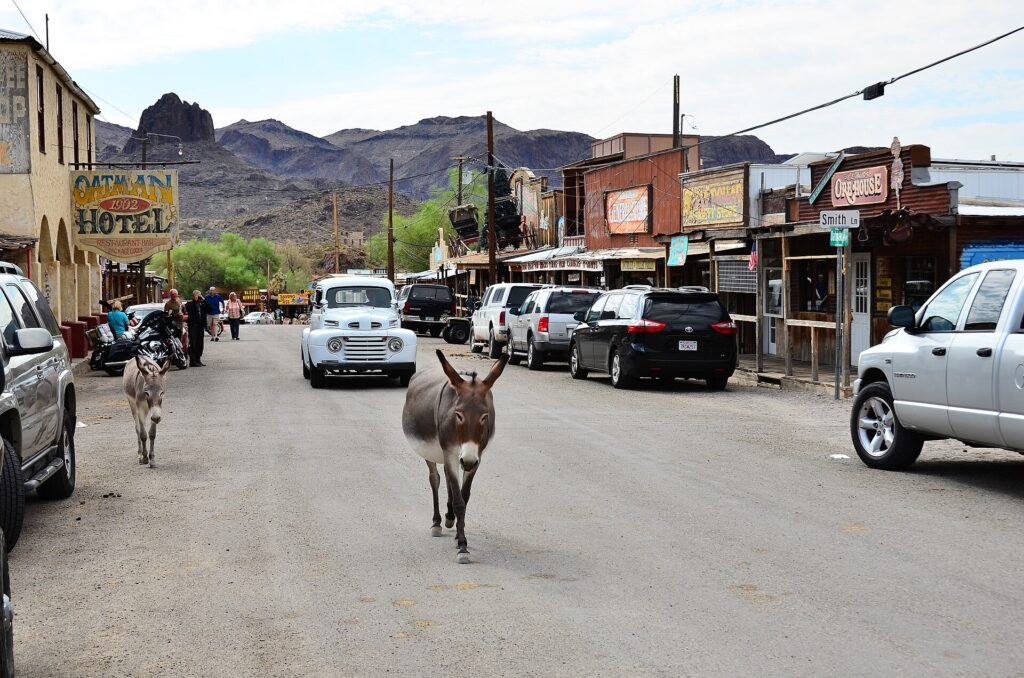
Wild burros wander down Oatman’s Main Street, the old Route 66, past the wooden storefronts. The Bureau of Land Management says they descend from burros brought by miners and prospectors in the 1860s.
Oatman boomed after a 1915 gold strike, and a new highway bypassed it completely in 1953. It had 102 residents in 2020. The Oatman Hotel, built in 1902 and rebuilt in 1924, no longer rents rooms. Its saloon walls are papered with signed dollar bills.
The hotel is famous as the place Clark Gable and Carole Lombard spent their wedding night. They did marry in nearby Kingman on March 29, 1939. But biographer Robert Matzen found no record that they ever stayed, and he says they headed straight back to Hollywood.
The burros have a paper trail back to the 1860s. The honeymoon mostly has the hotel’s word.
8. Rachel, Nevada: 48 people live along the Extraterrestrial Highway
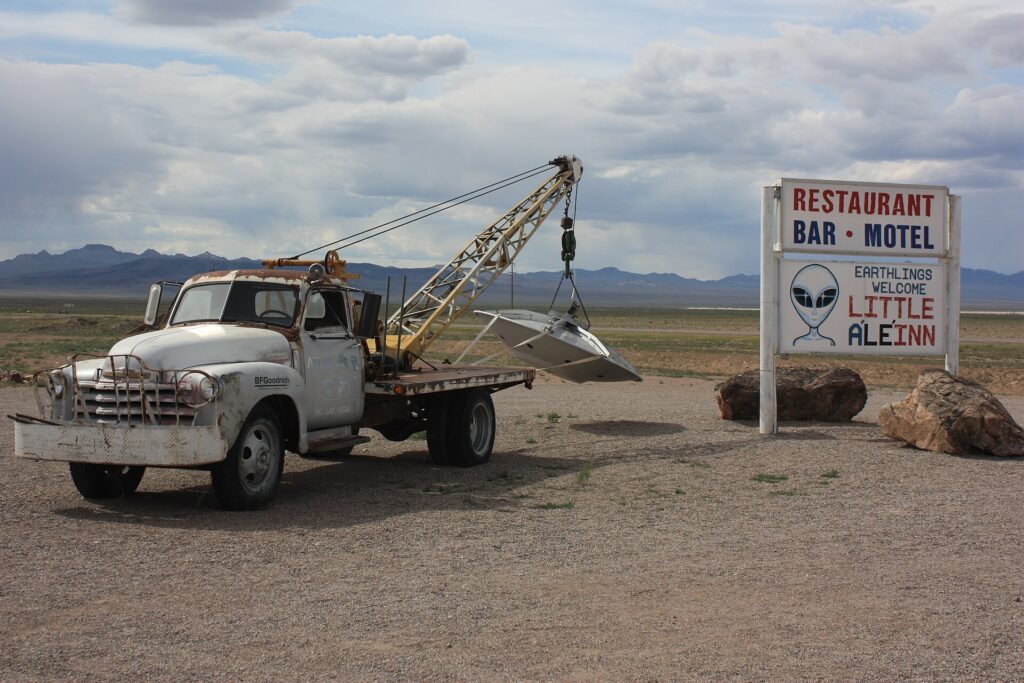
Outside the Little A’Le’Inn, an old tow truck hauls a flying saucer that isn’t going anywhere. Rachel counted 48 people in 2020.
Rachel sits on State Route 375 in the high desert, the closest settlement to the secretive base known as Area 51. Nevada named the road the Extraterrestrial Highway in February 1996. That April, Twentieth Century Fox and the makers of Independence Day dedicated a time capsule in front of the inn, to be opened in 2050.
Pat and Joe Travis bought the old bar in the late 1980s, added rooms and renamed it. The inn still bills itself as “the original Area 51 restaurant / bar / motel”, open Thursday through Monday, though it posted this fall that the kitchen was temporarily closed.
Rachel was named for the first baby born in the valley. It’s famous for visitors nobody can prove arrived.
More from American Charm
9. Santa Claus, Indiana: The post office has been answering letters to Santa for more than a century
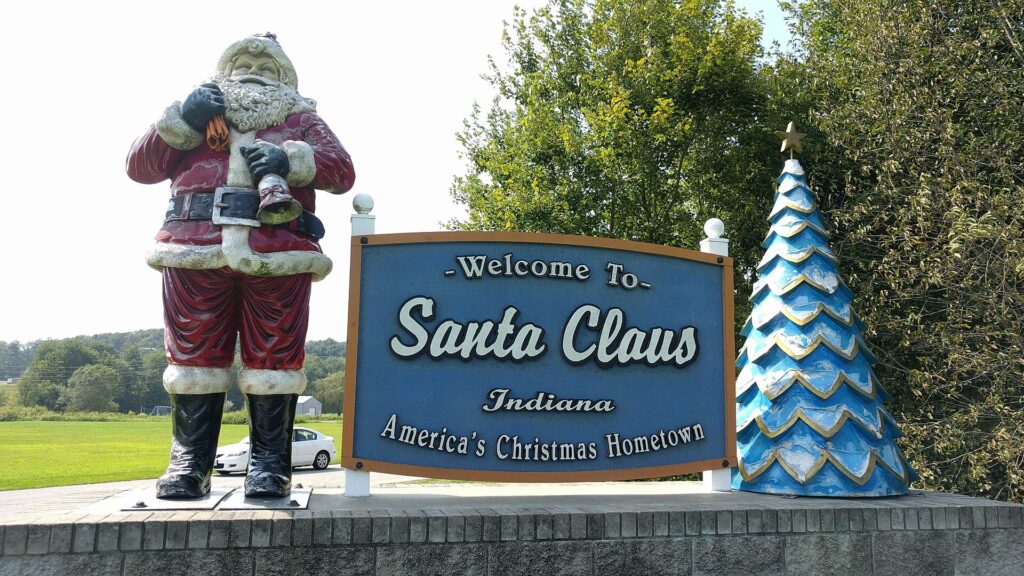
A sign at the edge of town reads “America’s Christmas Hometown.” It’s the biggest town on this list by far.
In 1856 the town asked for a post office named Santa Fe and was told to choose another name. The Santa Claus post office was established on May 21, 1856. Exactly how they landed on the name has been lost to legend.
Local tradition says postmaster James Martin began answering children’s letters in 1914. Today volunteers called Santa’s Elves do the writing, and they answered more than 23,000 letters in 2022. The town’s Christmas picture postmark, offered every season since 1983, is available December 1 through 24.
Some 2,500 people live in Santa Claus. Every December, the mail is for someone else.