
1. Williamsburg
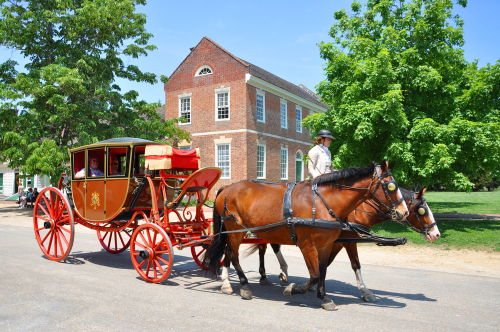
If you want to see colonial America come alive, Williamsburg makes it feel effortless. The town carefully preserves its 18th-century core through living history, restored buildings, and costumed interpreters. Walking its streets feels less like visiting a museum and more like stepping into daily life before the Revolution. It’s preservation with personality, not velvet ropes.
At the heart of it all is the Colonial Williamsburg Foundation, which maintains hundreds of original and reconstructed structures. Blacksmiths hammer, fife and drum corps march, and historic trades are demonstrated in real time. Even the taverns lean into period recipes and atmosphere. It’s included because few places protect and animate early American civic life this thoroughly.
2. St. Augustine
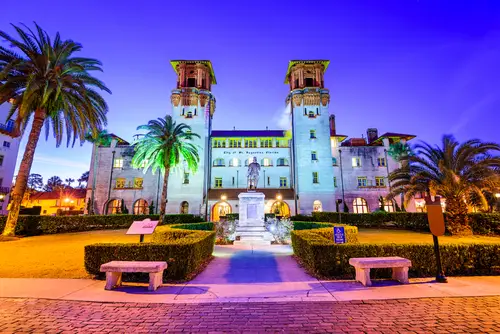
As the oldest continuously inhabited European-established city in the U.S., St. Augustine wears its history proudly. Spanish colonial architecture, coquina stone forts, and narrow brick streets set the tone. You can feel centuries layered into the waterfront and plazas. The past isn’t staged here; it’s built into the bones.
Landmarks like Castillo de San Marcos still stand guard over Matanzas Bay. The masonry fortress has survived wars, weather, and centuries of change. Preservation here focuses on maintaining original materials and historic urban layout. It earns its place for safeguarding the earliest chapter of European colonial history in America.
3. Deadwood
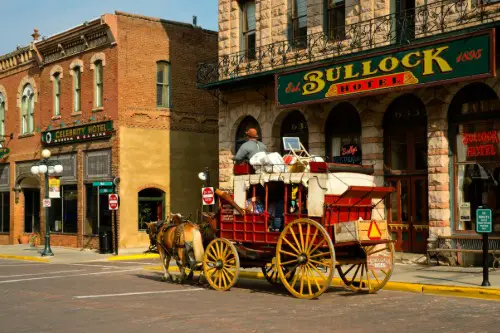
Deadwood fully embraces its Wild West identity without turning it into a caricature. The entire town is a National Historic Landmark District packed with gold rush-era buildings. Brick facades, saloons, and vintage signage line streets that once hosted gunslingers and gamblers. It feels gritty, storied, and surprisingly authentic.
Places like the Adams Museum preserve artifacts from the Black Hills gold rush. Historic gaming halls still operate inside restored 19th-century structures. City ordinances tightly control renovations to keep the look consistent. It’s here because it protects a rare, intact slice of frontier boomtown life.
4. Natchitoches
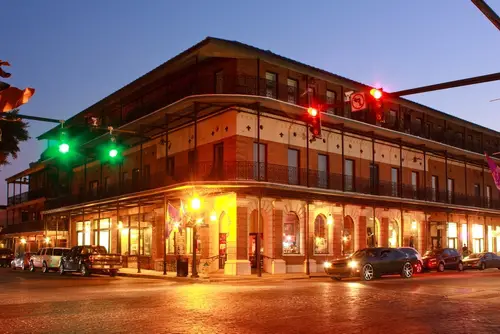
Natchitoches blends French Creole heritage with deep Southern roots in a way few towns can. Wrought-iron balconies and riverfront brick streets create an old-world atmosphere. The town’s historic district is one of the oldest permanent settlements in the Louisiana Purchase territory. It’s charming, yes, but also historically weighty.
The beautifully preserved Melrose Plantation tells stories of Creole culture and folk art. Cane River plantations nearby are maintained as heritage sites rather than private estates. Preservation efforts focus on architecture, language traditions, and regional foodways. It’s included for protecting a distinctly Creole cultural landscape.
5. Bisbee
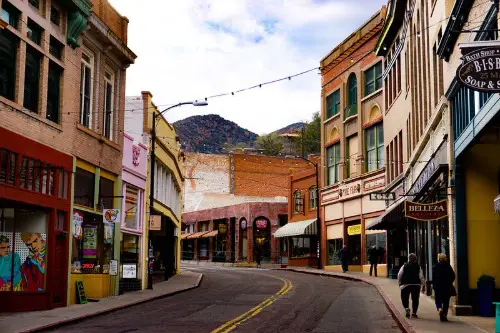
Bisbee clings to the Mule Mountains with colorful buildings stacked along steep, winding streets. Once a booming copper mining town, it reinvented itself without erasing its industrial past. Historic storefronts, boarding houses, and staircases remain largely intact. The town feels like a time capsule with mountain views.
The Bisbee Mining & Historical Museum documents the area’s mining legacy in detail. Preservation groups protect workers’ neighborhoods as carefully as downtown landmarks. Even old infrastructure like tunnels and rail remnants are conserved. It makes the list for honoring working-class industrial history.
6. Mystic
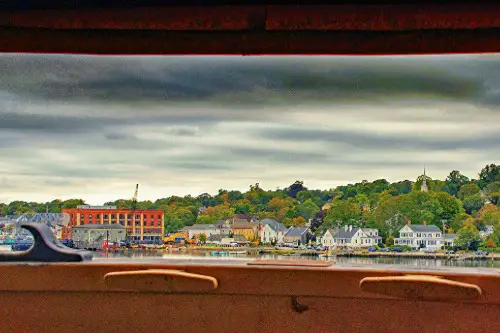
Mystic preserves its maritime roots with a salty, hands-on sense of history. The harbor still hosts classic vessels, and the river drawbridge remains a centerpiece. Seaport architecture and colonial-era homes line the waterfront. It’s New England nautical heritage done right.
The living-history Mystic Seaport Museum recreates a 19th-century coastal village. Shipwrights restore wooden vessels using traditional tools and techniques. Visitors can board historic ships instead of just viewing them from afar. It’s included because it actively safeguards America’s seafaring traditions.
7. Harpers Ferry
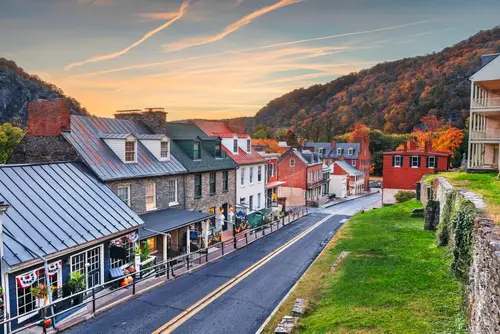
Harper’s Ferry sits at the dramatic meeting point of two rivers and several defining moments in U.S. history. Cobblestone streets and preserved storefronts climb the hillside much as they did in the 1800s. The town’s scale makes the experience feel personal rather than overwhelming. History here feels close enough to touch.
Much of the area is protected within Harpers Ferry National Historical Park. Exhibits interpret John Brown’s raid and the town’s Civil War significance. Restoration prioritizes period accuracy down to paint colors and materials. It earns its place for preserving a landscape central to abolition and conflict.
8. Galena
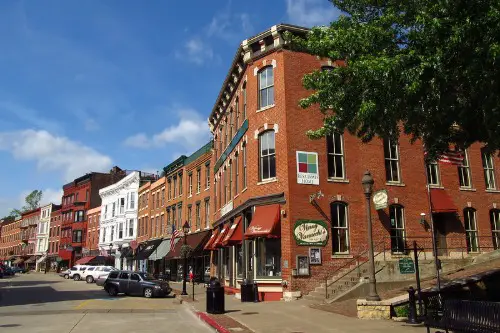
Galena looks like a perfectly preserved 19th-century river town, and that’s not an accident. More than 80 percent of its buildings sit within a historic district. Brick commercial blocks and hillside homes create a storybook skyline. It’s polished but still deeply authentic.
The restored Ulysses S. Grant Home anchors the town’s presidential connection. Strict preservation rules prevent incompatible modern development downtown. Local businesses operate inside carefully maintained historic interiors. It’s included for protecting Midwestern architecture and a tangible presidential legacy.
9. Taos
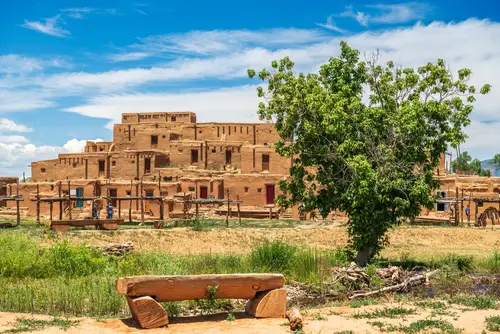
Taos safeguards centuries of Indigenous and Spanish heritage in a high-desert setting. Earth-toned adobe buildings blend naturally into the landscape. Artistic traditions and historic architecture coexist without feeling commercialized. The town moves at its own thoughtful pace.
Nearby, Taos Pueblo has been continuously inhabited for over 1,000 years. Multi-story adobe dwellings are maintained using traditional construction methods. The site remains an active community, not just a monument. It belongs here for preserving living Native American architectural heritage.
10. Port Townsend
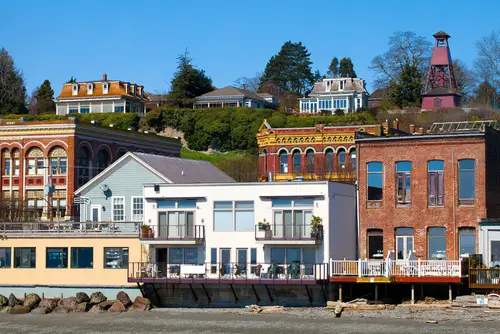
Port Townsend feels like a Victorian seaport frozen in its most elegant moment. Ornate 19th-century buildings overlook Puget Sound with cinematic flair. The town avoided large-scale redevelopment that reshaped many coastal ports. That restraint paid off beautifully.
The Port Townsend Main Street Program helps maintain historic storefronts and streetscapes. Maritime heritage festivals celebrate wooden boatbuilding and seafaring culture. Preservation here includes both architecture and working waterfront traditions. It’s featured for protecting one of the best Victorian port towns in the country.
11. Mackinac Island
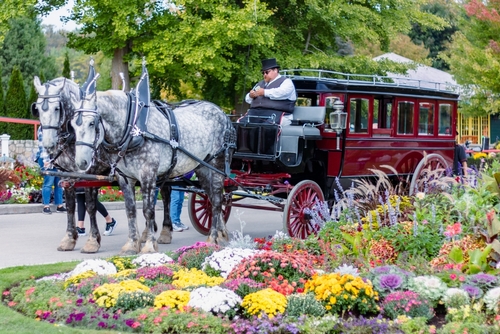
Mackinac Island preserves the past by limiting the present in refreshing ways. Cars are banned, so transportation relies on bicycles and horse-drawn carriages. Victorian homes and historic hotels line quiet streets with lake views. The slower pace makes the history feel immersive.
Much of the island is protected as Mackinac Island State Park. Forts, heritage trails, and preserved natural areas share space with historic districts. Strict zoning keeps modern development from overwhelming the setting. It earns its spot for safeguarding both 19th-century resort culture and natural heritage.
This post These Small Towns Work Hard to Preserve This Piece of the Past was first published on American Charm.

