1. Chicago, Illinois

Chicago is still one of the largest cities in the country, but it has been losing population in recent years. One major reason is the steady outmigration to suburbs and other states with lower costs of living. Housing, property taxes, and overall expenses can push long-time residents to look elsewhere. Even people who stay in the region often choose nearby suburbs instead of the city itself.
There’s also a quieter shift happening with remote work. Some workers who once needed to be downtown every day no longer have that requirement. That flexibility makes it easier to leave without changing jobs. The result is a slow but steady population dip rather than a dramatic collapse.
2. San Francisco, California
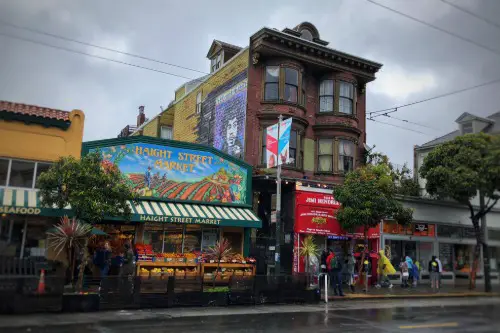
San Francisco’s population decline has surprised a lot of people given its tech-driven economy. The biggest factor is cost, with housing prices among the highest in the nation. Even high earners sometimes find it difficult to justify staying. That pressure has nudged both individuals and families to relocate.
Remote work accelerated the shift in a very real way. Tech workers realized they could keep their jobs while living somewhere far cheaper. Office vacancy rates increased as fewer people commuted daily. The city didn’t empty out, but it did lose enough residents to feel noticeably quieter.
3. New York City, New York

New York City saw population declines in the early 2020s after years of steady growth. The pandemic played a major role in pushing residents to reconsider dense urban living. Some left temporarily, but many never returned. High rent costs made staying less appealing during uncertain times.
Another factor is changing work patterns. Fewer people commuting daily means less demand for living close to offices. Some neighborhoods feel less crowded than they once did. The city remains massive, but subtle shifts in density are noticeable.
4. Baltimore, Maryland
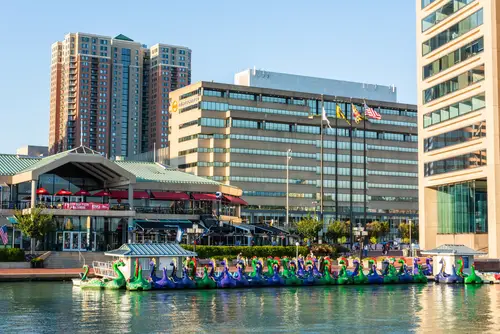
Baltimore has been losing population for decades, but not always for obvious reasons. Beyond job loss, aging housing stock plays a role in resident decisions. Some neighborhoods have older homes that require costly maintenance. That can push buyers toward newer suburban developments.
There’s also a perception factor that affects movement. Concerns about public safety influence relocation decisions for some families. Even modest outmigration adds up over time. The decline has been gradual but persistent.
5. Cleveland, Ohio
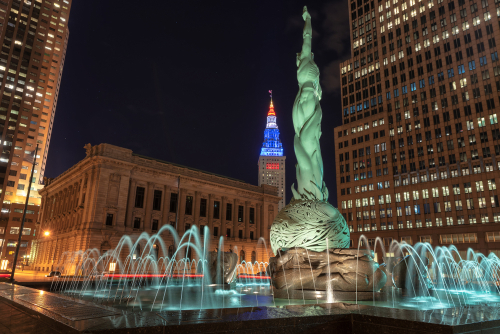
Cleveland’s population decline is often tied to its industrial past, but the story is more layered. Many younger residents leave for job opportunities in faster-growing regions. This creates an age imbalance that accelerates population loss. Fewer young families means fewer long-term residents.
Healthcare and education sectors remain strong, but they don’t fully offset the outflow. Some neighborhoods stabilize while others continue shrinking. The result is uneven population change across the city. It’s less a collapse and more a slow reshaping.
6. Detroit, Michigan

Detroit’s population loss is well known, but it hasn’t completely stopped. Even with redevelopment downtown, some neighborhoods continue to thin out. Housing abandonment and demolition have reduced density in many areas. That makes the city feel physically smaller.
There’s also a legacy effect from earlier decades. Once population drops below a certain level, it’s hard to reverse quickly. Services and infrastructure adjust to fewer residents. Growth is happening, but it’s uneven and gradual.
7. Memphis, Tennessee
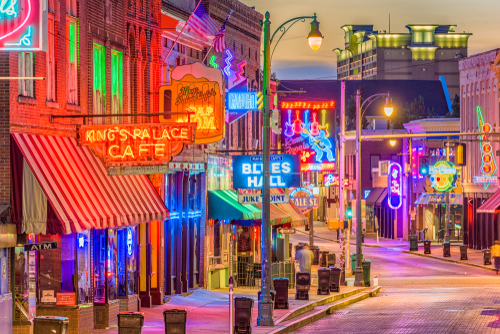
Memphis has seen population decline driven partly by suburban migration. Residents often move just outside city limits while staying in the metro area. That shift reduces the official city population without shrinking the region. It’s a quiet kind of decline that doesn’t always get attention.
Income disparities and school system concerns also play a role. Families sometimes relocate for perceived opportunities elsewhere. These decisions happen one household at a time. Over years, they add up to noticeable change.
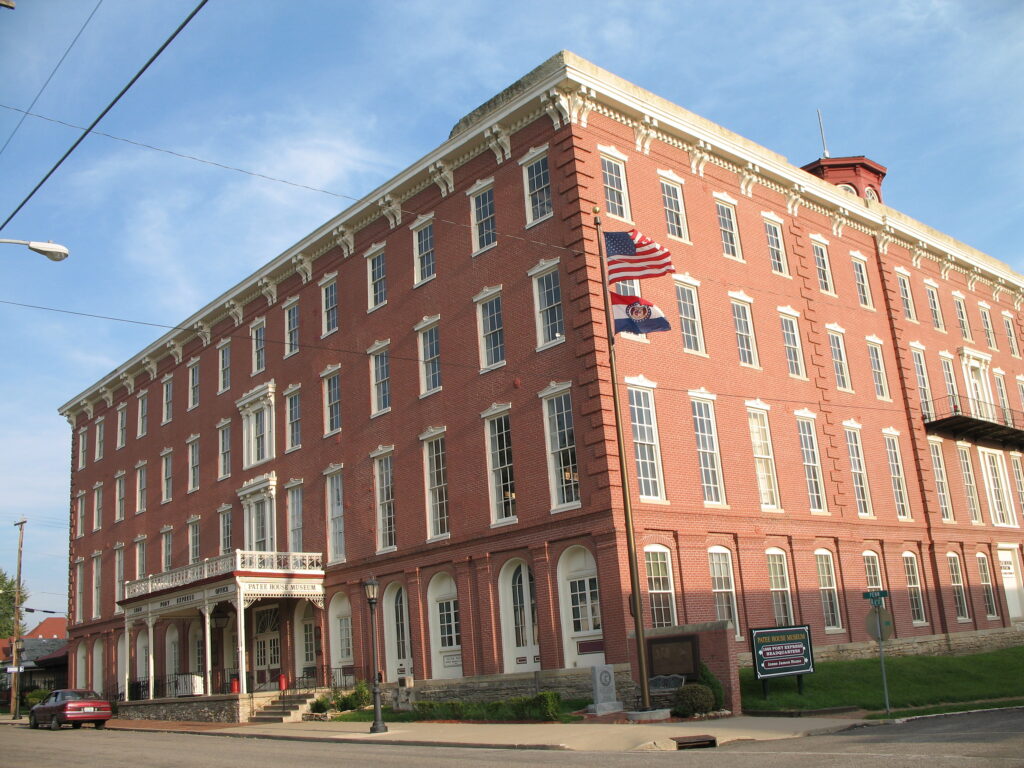
8. St. Louis, Missouri
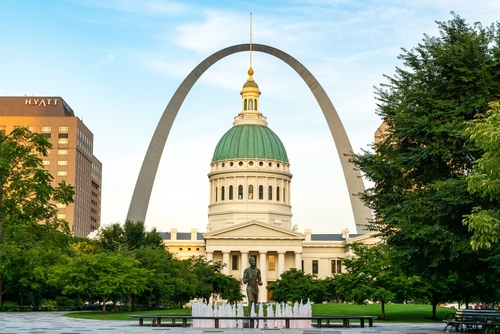
St. Louis has experienced long-term population loss tied to suburban expansion. The city’s boundaries are fixed, so growth outside them doesn’t count toward city totals. That makes the decline look sharper than regional trends suggest. Still, the shift is real within city limits.
Vacant housing and redevelopment cycles contribute to the pattern. Some neighborhoods lose residents faster than others. Efforts to stabilize population are ongoing. The change is steady rather than sudden.
9. New Orleans, Louisiana
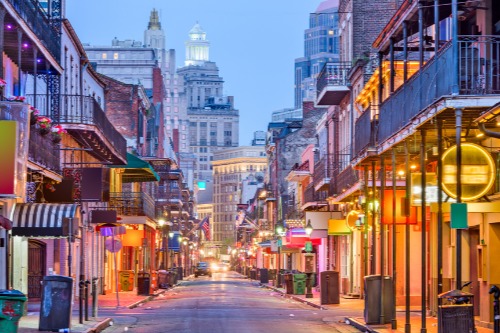
New Orleans is still feeling the population impact of Hurricane Katrina. Many residents displaced in 2005 never returned permanently. Housing shortages and rebuilding challenges slowed recovery in some areas. The population has rebounded somewhat but remains below pre-storm levels.
Climate concerns also influence long-term decisions. Flood risk and insurance costs affect where people choose to live. These pressures can discourage new residents from moving in. The result is a quieter, smaller version of the city.
10. Pittsburgh, Pennsylvania
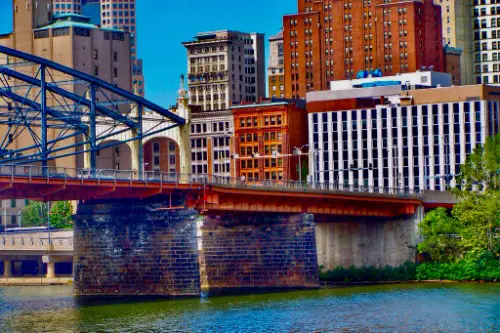
Pittsburgh successfully transitioned from steel to a tech and education economy. Even so, its population hasn’t fully rebounded. One reason is demographic: an aging population with lower birth rates. That naturally slows growth even without large outmigration.
Young professionals do move in, but not always in enough numbers to offset losses. The metro area remains stable, but the city itself shrinks slightly. It’s a subtle demographic shift rather than an economic collapse. The change happens quietly over time.
11. Buffalo, New York
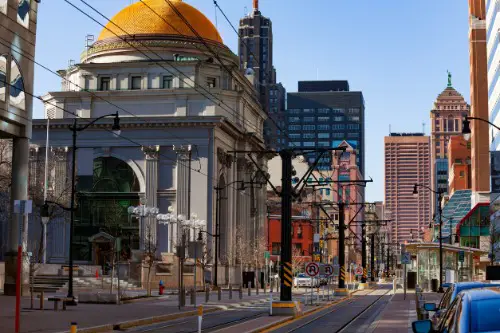
Buffalo has faced long-term population decline tied to economic shifts. However, another factor is harsh winter weather that influences relocation decisions. Some residents move to warmer climates after retirement. That steady trickle contributes to population loss.
Revitalization efforts have brought new energy to certain areas. Still, gains are often offset by continued outmigration. The overall trend remains slightly downward. It’s a slow balancing act between growth and loss.
12. Anchorage, Alaska
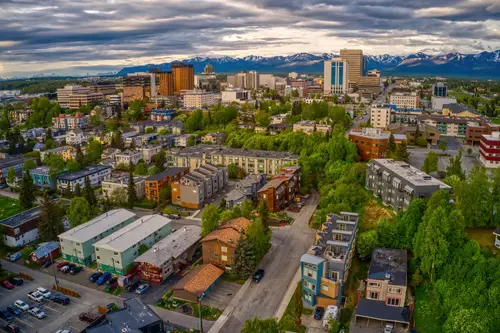
Anchorage has seen population dips tied to economic and geographic factors. The state’s economy depends heavily on oil, which can fluctuate. When energy jobs decline, residents often leave for more stable markets. That creates periodic population drops.
The high cost of living and relative isolation also play a role. Everyday expenses and travel costs can be significantly higher than in the lower 48 states. Some residents relocate for affordability and accessibility. The result is a quiet but noticeable decline.
13. Milwaukee, Wisconsin
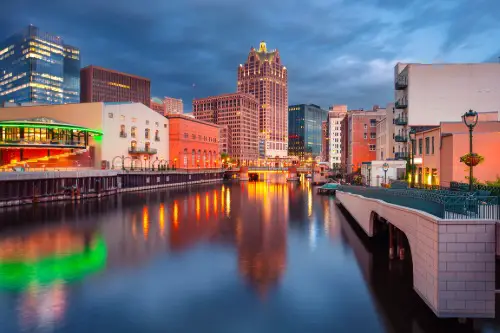
Milwaukee’s population shifts are tied partly to regional migration patterns. Like many Midwestern cities, it loses some residents to faster-growing Sun Belt areas. Job opportunities and climate preferences both influence decisions. These moves happen gradually rather than all at once.
There’s also movement within the metro area itself. Suburban growth draws some residents out of the city proper. That keeps the region stable while the city shrinks slightly. It’s a subtle shift that doesn’t always make headlines.
This post The Unexpected Reasons Certain American Cities Are Quietly Shrinking was first published on American Charm.