1. Writing Checks for Everyday Purchases
There was a time when writing a check at the grocery store or to pay a bill was completely normal. People carried checkbooks everywhere and balanced them by hand to keep track of spending. It was part of everyday financial literacy, not something reserved for special situations. Cashiers even waited while customers carefully filled in dates and amounts.
Now, debit cards, credit cards, and mobile payments have taken over most transactions. Many younger Americans have never written a check at all. Some businesses no longer accept them due to processing delays and fraud concerns. The habit hasn’t disappeared entirely, but it’s quietly fading from daily life.
2. Watching Live TV on a Set Schedule

Families once planned their evenings around television programming. If you missed a show when it aired, you might not get another chance to see it anytime soon. Weekly episodes created shared routines and watercooler conversations the next day. The TV guide was essential for knowing what was on and when.
Streaming services changed that rhythm completely. Viewers now watch shows on demand, often bingeing entire seasons at once. Appointment viewing still exists for major events, but it’s no longer the default. The idea of rearranging your night for a show is becoming less common.
3. Memorizing Directions Before Leaving the House
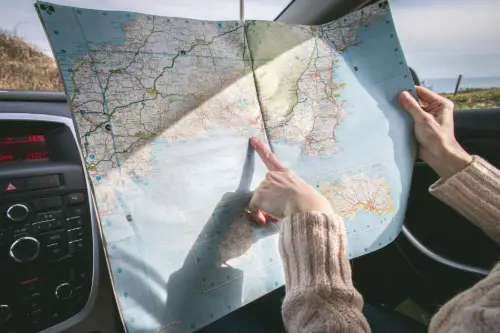
Before GPS apps, people often wrote down directions or memorized key turns ahead of time. You might review a route several times before heading out, especially for longer trips. Landmarks played a big role in remembering where to go. Getting lost was part of the process and sometimes expected.
Navigation apps now provide turn-by-turn guidance in real time. There’s less need to plan routes mentally or pay close attention to surroundings. Many drivers rely entirely on their phones to get from place to place. As a result, spatial memory skills tied to navigation are used less often.
4. Paying Bills by Mail
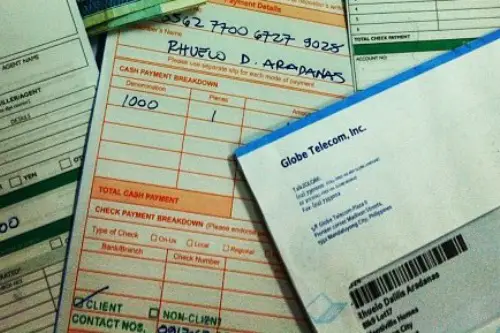
Monthly bills used to involve envelopes, stamps, and due dates carefully tracked on calendars. People sat down to write checks, address envelopes, and send payments days in advance. Missing a payment often meant relying on postal timing rather than instant processing. It was a routine that required planning and consistency.
Online billing systems have streamlined the entire process. Automatic payments and digital reminders reduce the need for manual effort. Many companies now actively encourage paperless billing. The ritual of sitting down to pay bills by mail is gradually disappearing.
5. Using Cash for Most Transactions
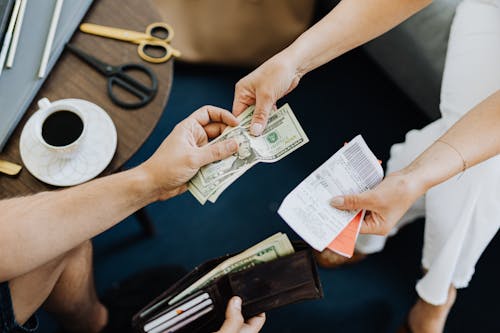
Cash was once the primary way Americans handled everyday spending. People budgeted using physical bills and coins, which made money feel tangible. Small purchases, tips, and even larger expenses were commonly paid in cash. Carrying a wallet full of bills was normal.
Card payments and digital wallets have steadily replaced that habit. Contactless payment systems make transactions faster and more convenient. Some businesses have even gone fully cashless. While cash still exists, it’s no longer the default for many people.
6. Browsing in Physical Stores Before Buying

Shopping used to involve visiting multiple stores to compare prices and options. People walked aisles, handled products, and asked employees questions. Window shopping was a regular weekend activity. Decisions were often made after seeing items in person.
Online shopping has shifted much of that behavior. Consumers now compare products across multiple websites in minutes. Reviews and videos often replace in-store evaluation. Many purchases happen without ever seeing the item physically first. The habit of browsing in person is becoming less central.
7. Reading Physical Newspapers Daily
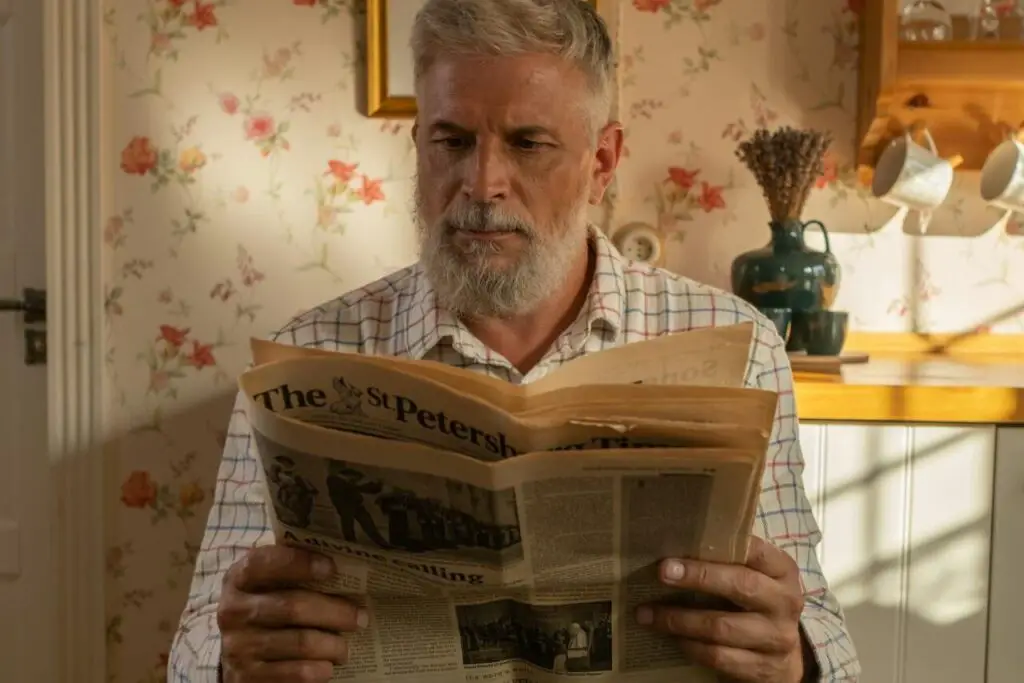
Morning routines once included picking up a printed newspaper from the driveway or a corner stand. People flipped through sections, reading headlines, local news, and classifieds. The physical format shaped how information was consumed. It also created a shared sense of what stories mattered that day.
Digital news has largely replaced print for many readers. Articles are now accessed through apps, websites, and social media feeds. Print circulation has declined significantly over the years. The daily ritual of reading a physical paper is no longer as widespread.
8. Keeping Paper Address Books
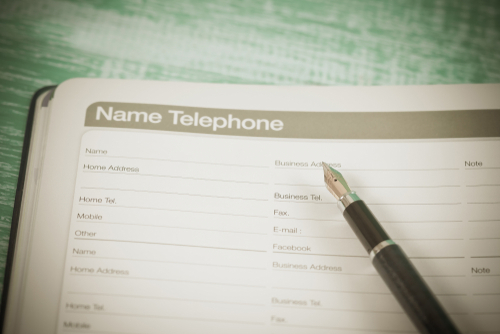
People once maintained handwritten address books filled with phone numbers and mailing addresses. These books were updated regularly and carefully stored. Losing one could mean losing years of contact information. It was a personal database long before digital contacts existed.
Smartphones now store and sync contact information automatically. Updates happen instantly across devices. Few people keep separate physical records anymore. The habit has faded as digital storage became reliable and convenient.
9. Renting Movies from Video Stores
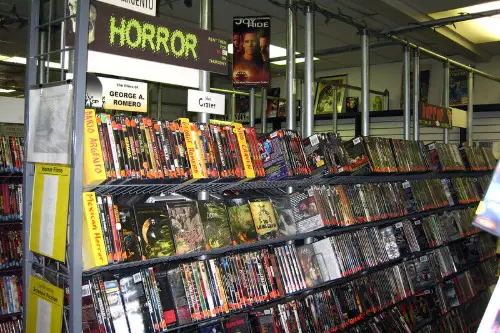
Going to a video rental store was once a common weekend activity. Families browsed shelves, checked availability, and picked out a movie for the night. Due dates and late fees were part of the experience. Popular titles might be completely rented out.
Streaming platforms have eliminated most of that process. Movies and shows are available instantly without leaving home. Physical rental stores have largely disappeared across the country. The experience of browsing aisles for entertainment is now rare.
10. Printing Photos to Keep and Share
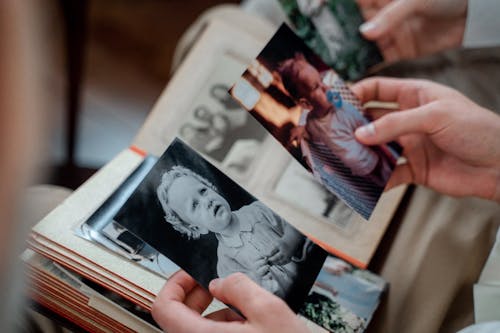
Photographs were once developed, printed, and stored in albums or boxes. People selected their best shots carefully because printing cost money. Sharing photos often meant physically handing them to someone. Albums became important family records.
Smartphones and cloud storage changed how photos are handled. Thousands of images can be stored without printing a single one. Sharing now happens instantly through messages and social media. Physical photo collections are becoming less common.
11. Calling Instead of Texting

Phone calls used to be the primary way to communicate quickly over distance. Conversations happened in real time, often without much planning. People expected to answer calls or return them promptly. It was the default form of direct communication.
Texting and messaging apps have gradually taken over that role. They allow people to respond at their own pace without interrupting their day. Many now prefer messaging over voice calls for everyday communication. The shift has happened quietly but significantly.
This post The Habits Americans Are Phasing Out Without Even Noticing was first published on American Charm.