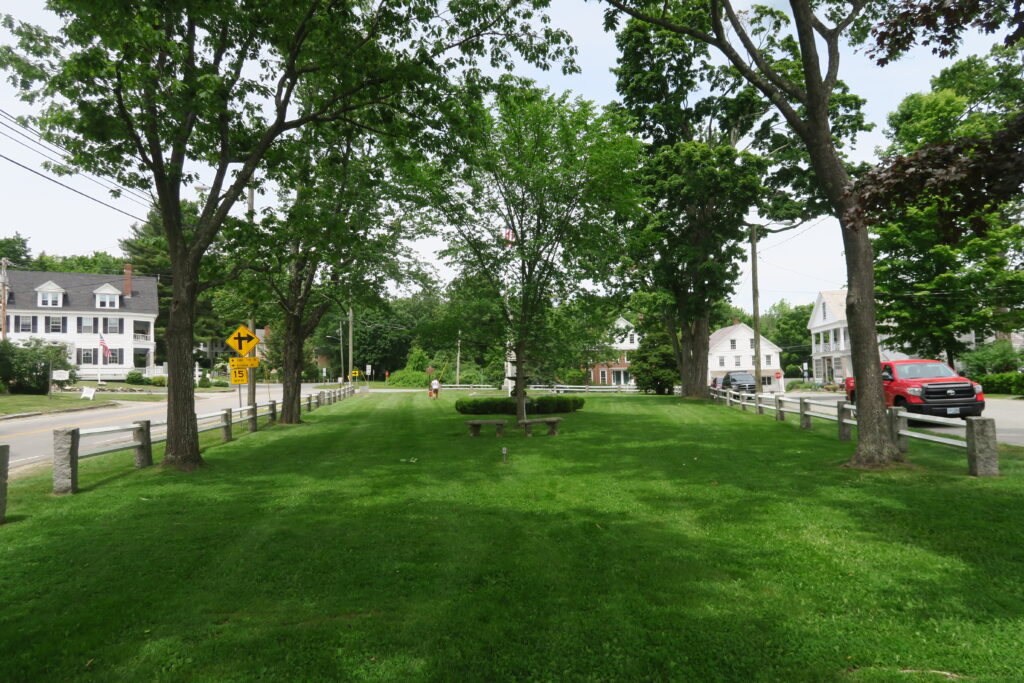
The coffee is on by seven. A pickup idles outside the general store while somebody runs in for the paper and a dozen eggs. On the green across the road, a hand-lettered sign leans against a fence post: church supper, Saturday, five o’clock.
Nobody in town would call it charming. It’s just Saturday.
Vermont makes this easier than most places. The state banned highway billboards in 1968, and the last one came down by 1974. Drive in from anywhere else and the quiet is the first thing you notice.
It’s one reason Vermont keeps turning up among the states where life still feels like the 1950s. The interstate works. Nobody’s arguing that. But a few towns here simply never got around to changing much.
They aren’t museums. People live in them, argue at town meeting and buy their milk there. That’s the point.
1. Grafton, Vermont: The inn has been taking in travelers since 1801
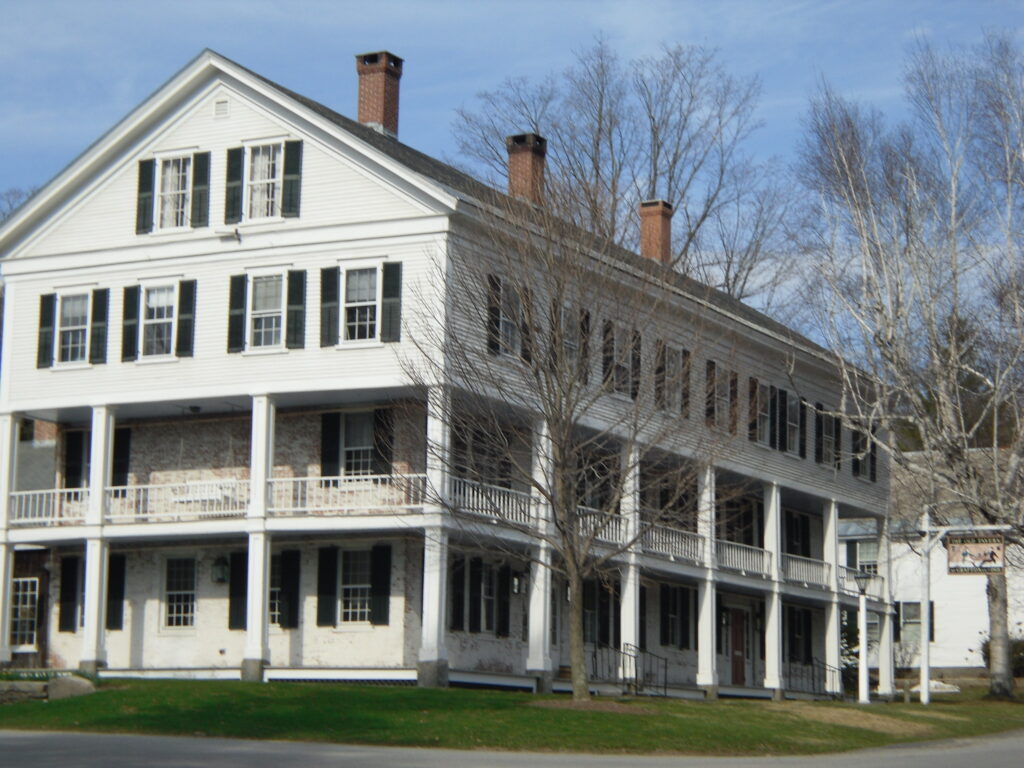
Two stories of porches run the length of the Grafton Inn on Main Street. It opened in 1801, when Grafton was a stagecoach stop on the road over the Green Mountains toward Albany. It remains one of the oldest continually operating inns in the country.
The town nearly didn’t last. Grafton had almost 1,500 people before the Civil War and fewer than 400 by the Great Depression. In the 1960s the Windham Foundation bought the old tavern and many village houses and restored them. Down the road, Grafton Village Cheese, which dates its tradition to 1892, still makes cheese on Townshend Road.
Grafton didn’t stay old by accident. Somebody decided to keep it.
2. Weston, Vermont: A country store that started as a Christmas mailing
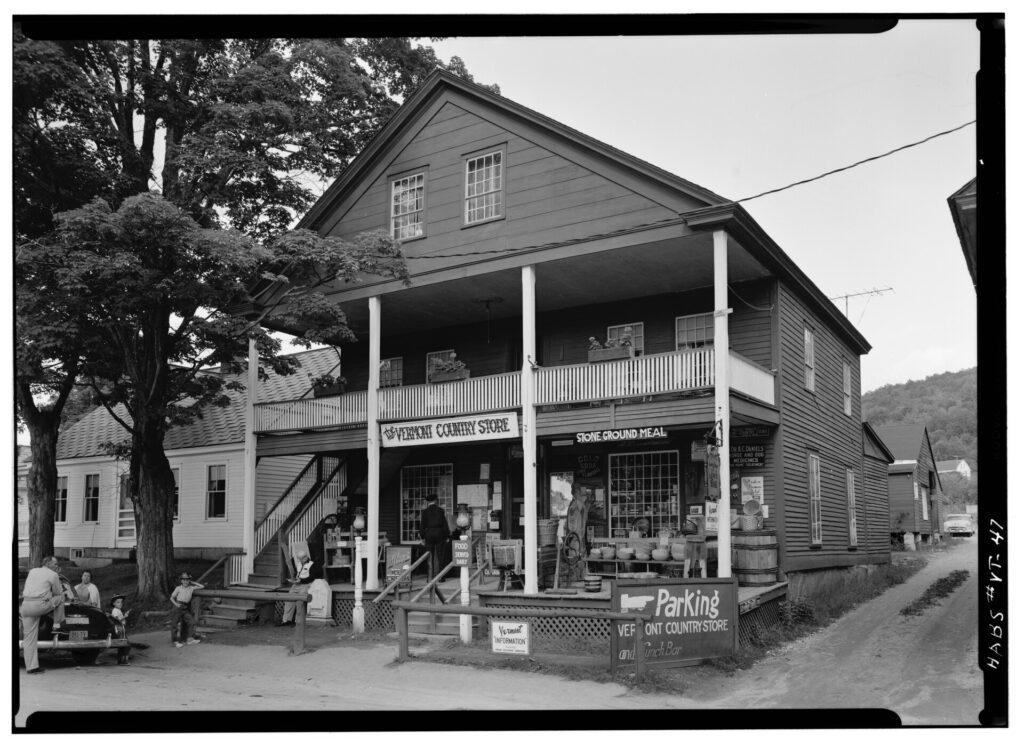
Vrest and Mildred Orton mailed their first catalog around Christmas 1945. In the spring of 1946 they opened the Vermont Country Store in an old building in Weston.
The Orton family still runs it. In 2025 the original store got a state roadside historic marker, and the company still operates entirely in Vermont, marking its 80th anniversary in 2026.
A short walk away is the Weston Playhouse, which began in 1935 in a converted Congregational church on the town green. It’s Vermont’s oldest professional theater company, and it now goes by Weston Theater Company.
The town had 623 people at the last census. It runs a summer stock season anyway.
More from American Charm
3. Woodstock, Vermont: The nail bins went in back in 1886
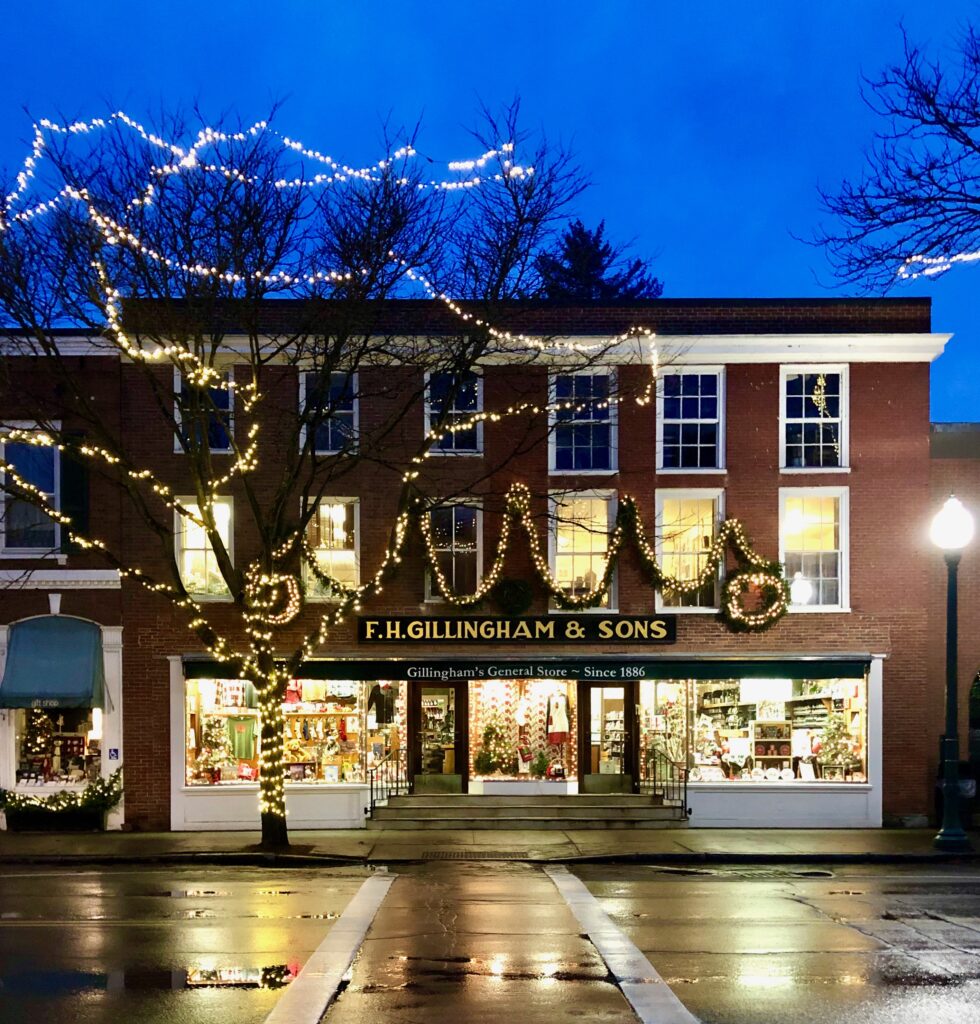
F.H. Gillingham & Sons has sat at 16 Elm Street since 1886. The floors creak. The store’s own history still points to the nail bins built in 1886, and its owners, Frank and Jireh Billings, are descendants of the founder.
Woodstock is bigger and better known than the others here, with about 3,000 residents. Its Green is lined with Federal and Greek Revival houses. Within view of the Green, the Middle Covered Bridge crosses the Ottauquechee River.
It looks original. It isn’t. Milton Graton built it in 1969 to replace an 1877 iron bridge.
The bridge is younger than most of the people photographing it. Nobody seems to mind.
4. Plymouth Notch, Vermont: A president was sworn in here by lamplight
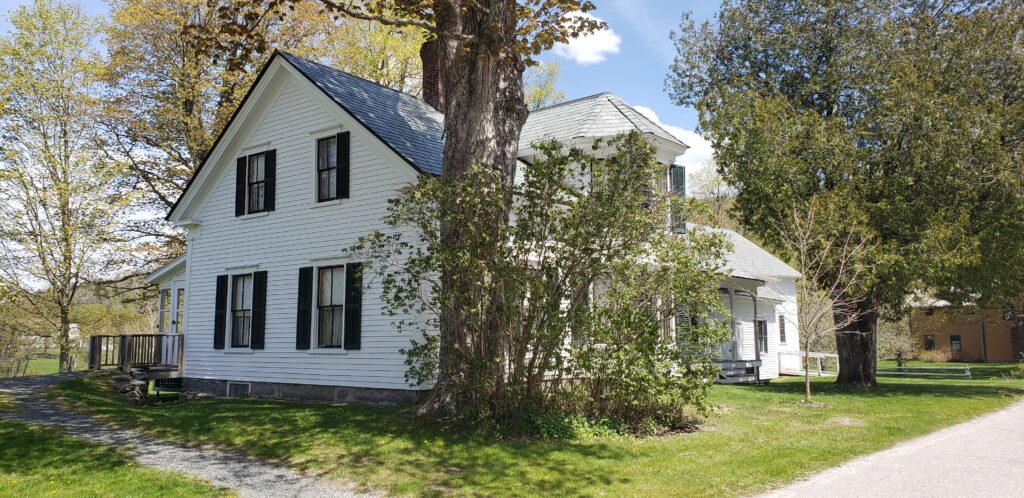
At 2:47 a.m. on August 3, 1923, John Coolidge, a notary public, swore in his son Calvin as president in the family parlor. They did it by the light of a kerosene lamp. Warren Harding had died hours earlier.
Then the new president went back to bed.
The village is now the President Calvin Coolidge State Historic Site. The lamp, Bible and table sit where they stood that night. The Florence Cilley General Store is still there, and Plymouth Cheese, which Coolidge’s father founded, still sells cheese made from its 1890 recipe. The site is open from late May to mid-October.
Most inaugurations need a crowd. This one needed a lamp and a father.
5. Newfane, Vermont: The whole village moved downhill in 1825
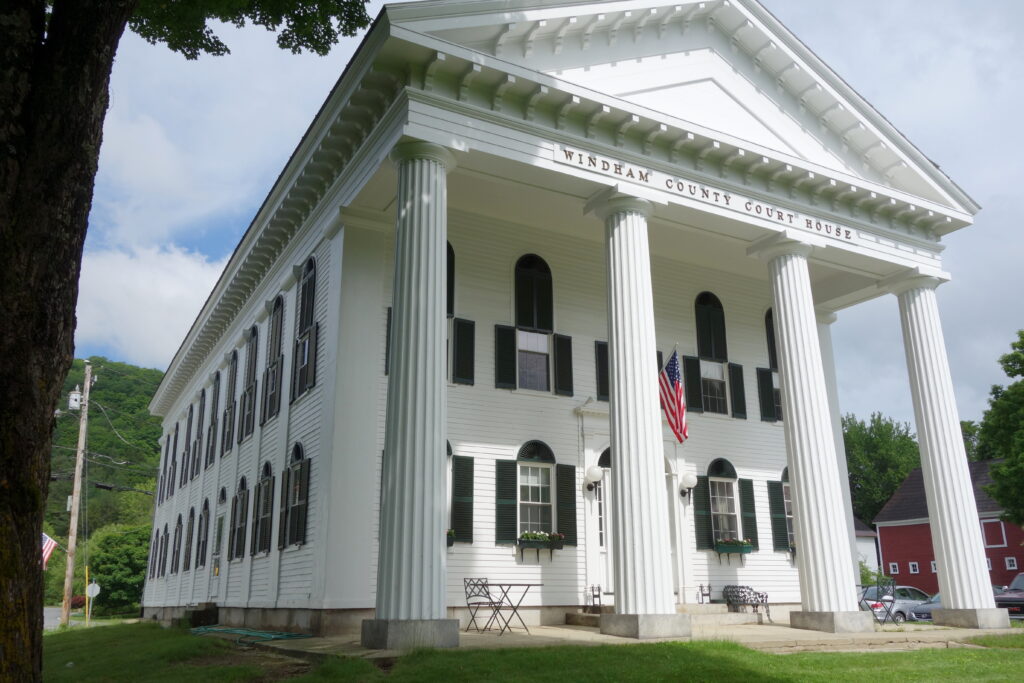
Newfane started on top of Newfane Hill, county buildings and all. Winters made the climb miserable, so in 1825 the village relocated to the flat land below. For a while it was called Fayetteville, after Lafayette. The old name stuck until 1882.
The Windham County Court House went up on the green that same year. It’s still the county seat. The village center, more than 60 buildings, mostly Greek Revival, has been on the National Register since 1983. It shares the white-clapboard calm of the New Hampshire towns across the Connecticut River.
Just 87 people lived in the village in 2020. The county still comes to them.
More from American Charm

6. Dorset, Vermont: Even some of the sidewalks are marble
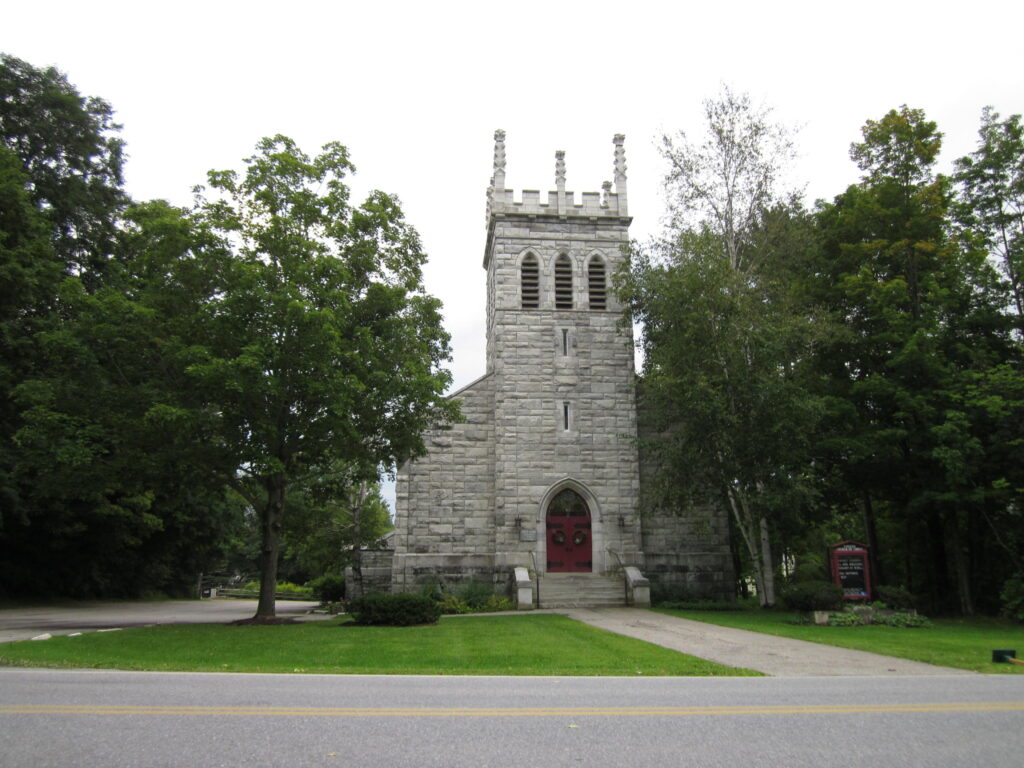
Along Church Street in Dorset, some of the sidewalks are faced in marble from the town’s own quarries. The Congregational church is faced in it too.
Dorset marble went into the main branch of the New York Public Library. One old quarry is now a summer swimming hole. The Dorset Inn on Church Street dates to 1796 and bills itself as Vermont’s oldest continuously operating inn. The Dorset Field Club golf course goes back to 1886.
Most towns pave their sidewalks. Dorset quarried them.
7. Arlington, Vermont: Norman Rockwell painted his neighbors here
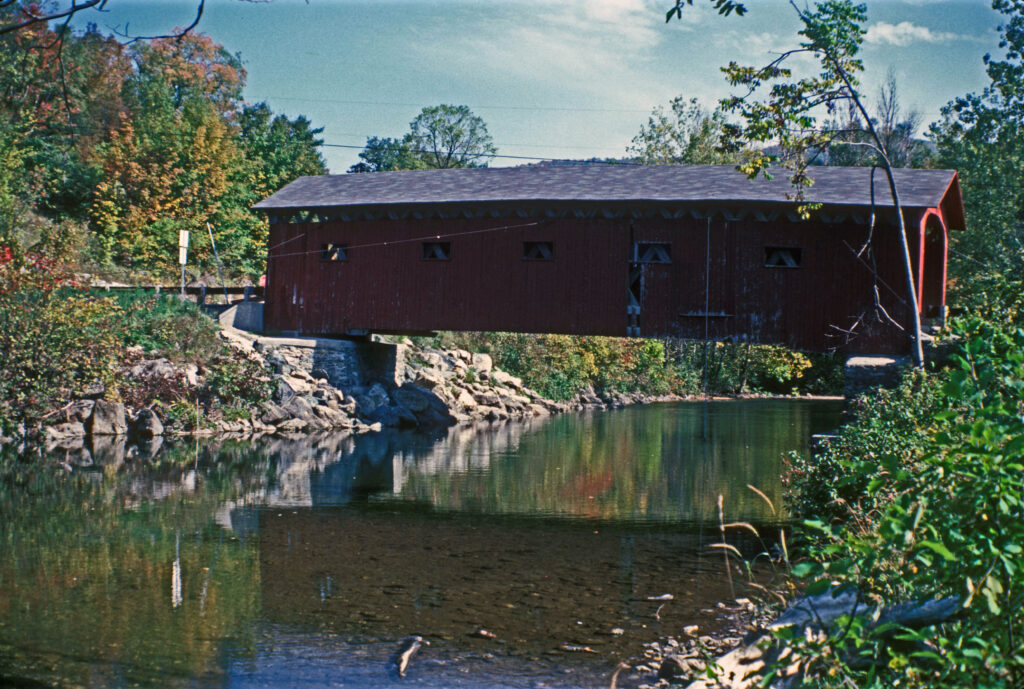
The Arlington Green Covered Bridge has carried one lane across the Batten Kill since 1852. It’s one of the oldest surviving covered bridges in the state. Unlike many, it never had 20th-century strengthening added, and it was repaired and reopened after Hurricane Irene in 2011.
Norman Rockwell moved to Arlington in 1939. When he painted the Four Freedoms, he used his Vermont neighbors as models. Freedom of Speech came from a local town meeting, where one neighbor stood up alone against the room and was heard out. The finished paintings were briefly shown at the West Arlington Grange before they went to the Saturday Evening Post.
The faces weren’t actors. They were people from down the road.
8. Peacham, Vermont: The church moved downhill in 1844, and the town mostly stopped there
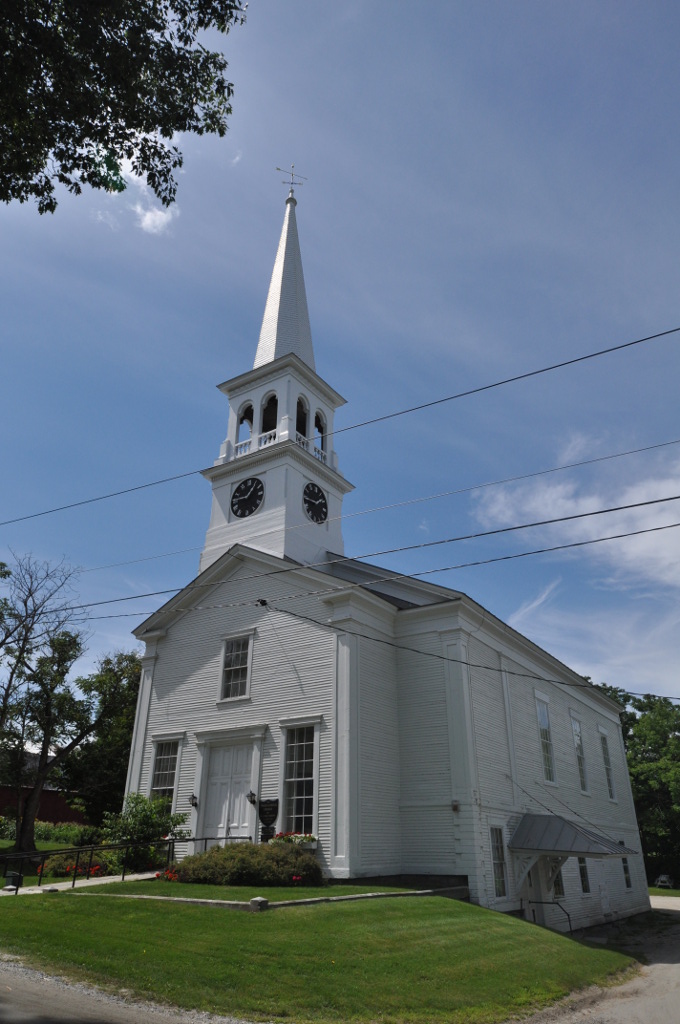
Peacham’s Congregational church was completed in 1806 at the top of the hill. In 1844 it was moved partway down.
Not much moved after that. The Civil War drained the town of people, and growth came to a near standstill. What’s left is a little-altered mid-19th-century hill village, mostly passed over by the Victorian styles that came later. The library, founded in 1810, spent its first century moving from store to store.
Peacham had 715 residents in 2020. It didn’t preserve itself on purpose. It just ran out of reasons to change.
More from American Charm
9. Craftsbury Common, Vermont: Hitchcock came for the leaves and missed them
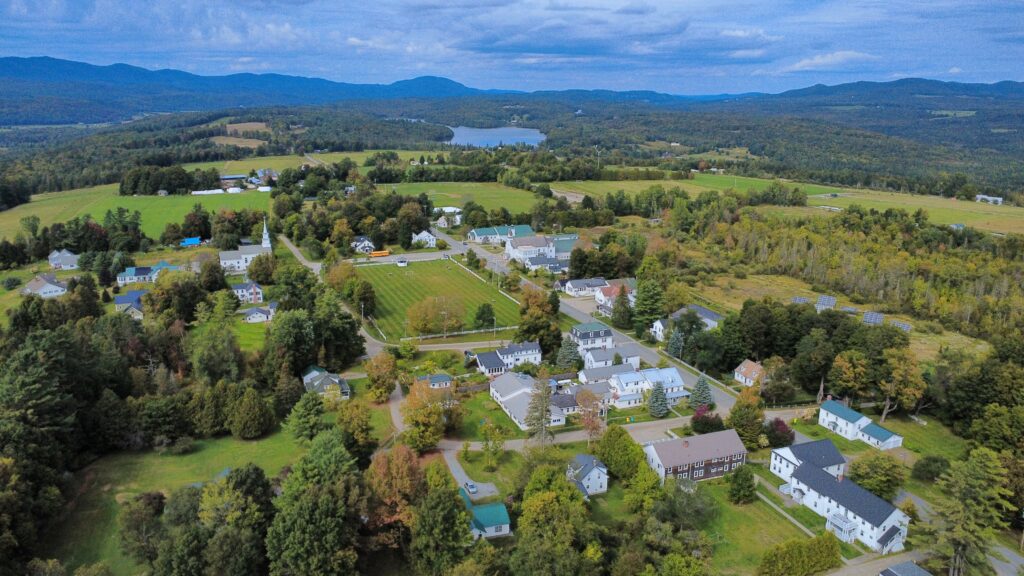
Craftsbury Common is a long green ringed with white buildings. Craftsbury Academy is one of them, among the oldest and smallest public high schools in Vermont. On summer Saturdays, the farmers market sets up on the green from 10 to 1.
In the fall of 1954, Alfred Hitchcock filmed scenes for The Trouble with Harry in and around Craftsbury. He wanted peak color. The leaves were already falling. According to the BFI, the crew took “vast quantities of gathered leaves” back to Hollywood to stick onto fake trees in the studio.
Hollywood had to fake October. Craftsbury just waits for it.