
1. Delaware
Delaware earns its spot not because homes are the priciest — they’re not — but because closing costs here can take a big chunk out of your purchase price. That’s largely due to one of the highest property transfer taxes in the nation, especially on homes over certain values. Buyers in the First State often see closing costs creep near 3% of the sale price or more, which is eye‑opening when you’re budgeting. For first‑time buyers in particular, that extra line item can really sting.
On top of transfer taxes, title and recording fees in Delaware aren’t insignificant either — they stack on fees that might be flat in other states. If you’re comparing apples to apples on price, a $400,000 home here can feel notably more expensive at closing compared with its neighbors. That’s why Delaware deserves its place on this list. Even smaller homes can create surprisingly large closing bills.
2. New York

New York has long been known as an expensive place to live — and closing costs are no exception. Buyers here pay more than just typical lender and title fees; state and local mortgage taxes, combined with things like the “mansion tax” in some cities, can jack up totals quickly. In markets like New York City, those additional levies are layered on top of already high purchase prices. The result? A closing bill that often shocks even seasoned buyers.
Even upstate New York isn’t a total bargain, because counties can add recording and transfer fees on top of state requirements. That means the total closing cost percentage often remains higher than the national average. If you’re budgeting strictly off home price alone, you may still be underestimating what you’ll owe by the time you sign. For buyers, this can be an unwelcome surprise.
3. Maryland

Maryland sits squarely in the high‑closing‑cost category thanks to a mix of state and county transfer taxes. Some counties layer on recordation charges or other local fees, meaning your closing costs can vary dramatically within the state itself. It isn’t just one big city driving costs — even in suburban areas outside Baltimore or DC, these levies add up fast. This layered tax environment is part of why buyers here often feel the cost more than in other Mid‑Atlantic states.
Because Maryland’s home prices are also above the national median, these extra taxes can feel like a double whammy. Buyers may not notice the impact until closing day, when all fees and prepaids are totaled. Even modestly priced homes often come with closing costs that make wallets wince. Planning ahead is key in this state.
4. California
California’s high home prices naturally make closing costs sting more. Even if the percentage is comparable to other states, the sheer price of homes in markets like San Francisco, Los Angeles, and San Diego means buyers face big numbers at settlement. Add in high escrow fees, recording charges, and title insurance premiums, and the totals escalate quickly. Many buyers feel like they’re paying a premium just to finalize the deal.
Beyond the fees themselves, California’s property transfer taxes vary by city and county, sometimes adding thousands to the final bill. Combined with strict disclosure and compliance requirements for lenders and title companies, the process can feel expensive and complex. For many, the cost isn’t just money — it’s time and stress too. If you’re eyeing a Golden State property, expect a serious closing‑cost hit.
5. Texas

Texas stands out with its combination of moderate home prices and surprisingly high closing‑cost percentages. This is largely due to the state’s real estate transfer taxes and title insurance requirements. Buyers often encounter additional fees for document preparation, recording, and sometimes even for notarization. For first-time buyers especially, these extra charges can quickly make a $300,000 home feel pricier than expected.
Counties and cities in Texas can add their own twists, like local transfer taxes or specific title requirements. While Texas doesn’t have the absolute highest closing costs in the nation, the frequency and layering of fees push it into the top ranks. Closing here requires careful budgeting to avoid surprises. Many buyers underestimate the cumulative impact of these charges.
6. New Jersey

New Jersey has earned a reputation for expensive closings, largely due to high property transfer taxes and municipal fees. Some towns require additional escrow deposits or environmental certifications, which can increase upfront costs. Mortgage recording fees are another component that often surprises buyers. Combined with higher-than-average home prices, these fees make New Jersey a state where closings hit hard.
Even modest homes can carry significant closing costs here because taxes are calculated on the purchase price, not the type of property. This means that buyers often pay thousands more than they might in nearby states for similar homes. Local regulations can also add costs for inspections or certifications. Planning carefully is essential to avoid sticker shock.
7. Massachusetts
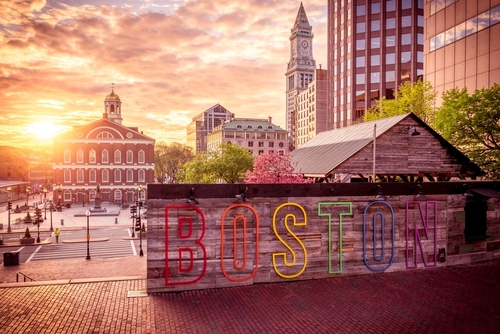
Massachusetts combines high median home prices with some of the steepest state-level transfer taxes in the country. Buyers in cities like Boston encounter additional city-imposed fees that push closing costs even higher. The state also has complex recording fees and title insurance rules. The result is that closing costs can quickly reach several percentage points of the home’s value.
For suburban buyers, costs are somewhat lower but still above the national average. The variety of municipal and county rules makes budgeting tricky. Many first-time buyers underestimate the impact of all the small line items that accumulate at closing. Being prepared is essential to avoid unpleasant surprises.
8. Connecticut
Connecticut ranks high on closing costs due to its mix of state and municipal taxes. Property transfer taxes are significant, and many towns also charge recording fees that can add up quickly. Title insurance rates in Connecticut are also above average, further inflating the final closing bill. High local property values amplify the percentage effect, making even a moderate home expensive to close on.
The state’s relatively small size doesn’t reduce costs, since every town has its own requirements for fees and documentation. Buyers often see their closing costs exceed what they expected from just calculating percentages. That’s why Connecticut consistently makes lists of expensive states for real estate closings. Planning ahead can save some surprises at the settlement table.
9. Illinois
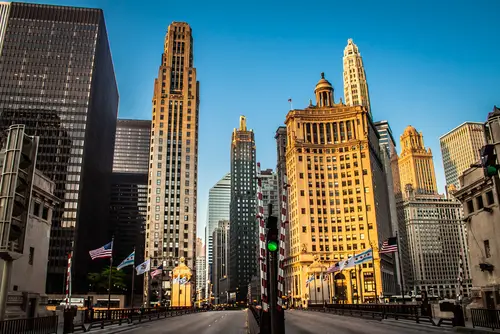
Illinois features a combination of state transfer taxes and county-specific recording fees that make closings costly. Chicago and its suburbs are particularly tough, thanks to high property values and layered municipal fees. Even outside the city, counties often tack on extra charges that many buyers don’t anticipate. The overall effect is a closing cost percentage well above the national average.
In Illinois, title insurance premiums can also be higher than typical, and attorney involvement is often required, which adds to costs. Buyers quickly realize that closing isn’t just about signing papers — it’s a real financial event. Local differences mean that shopping around for a good title company or attorney can help, but won’t remove the base costs. Awareness is key to managing expectations.
10. Hawaii

Hawaii’s unique geography and high home prices make closing costs particularly painful. The state imposes deed recording and conveyance taxes, which are calculated as a percentage of the property price, making luxury homes especially expensive. Because median prices in Honolulu and other islands are already above national averages, closing bills often reach eye‑popping totals. Many buyers are shocked by just how much is added to the purchase price.
In addition, Hawaii requires additional title and escrow services due to its isolated market. Even small administrative fees feel large when combined with high property values. Buyers here have to budget carefully for these cumulative expenses. The cost of closing in paradise is more than just monetary — it can be a mental hurdle too.
11. Washington

Washington State rounds out the list with high local transfer taxes and recording fees. Counties like King County, home to Seattle, levy extra charges that push total closing costs higher. While the state doesn’t have a traditional statewide transfer tax, these county and city levies make up the difference. Coupled with high home prices in popular areas, Washington buyers feel the impact at settlement.
Title insurance and escrow services also tend to be pricier in Washington compared with the national average. Buyers often underestimate the cumulative effect of all fees, from document prep to notary charges. Even homes that are “affordable” by local standards can carry surprisingly large closing costs. It’s a state where careful budgeting isn’t optional — it’s essential.
This post The States Where Closing Costs Hit Hardest was first published on American Charm.

