
1. Charleston, South Carolina
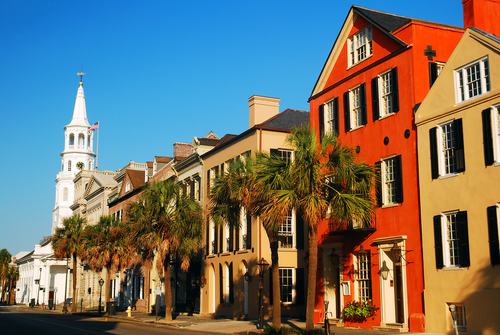
Charleston trades on charm, history, and coastal scenery. Its preserved historic district, carriage tours, and acclaimed restaurants attract millions each year. Tourism is a key pillar of the local economy, alongside the port and a smaller but growing tech presence. Cruise ships occasionally dock downtown, adding to the steady visitor flow.
The city’s carefully maintained pastel homes and cobblestone streets are part of a curated experience. Boutique hotels and inns occupy restored historic buildings. Wedding tourism and culinary travel are especially strong niches. In Charleston, preservation and profitability often go hand in hand.
2. Las Vegas, Nevada
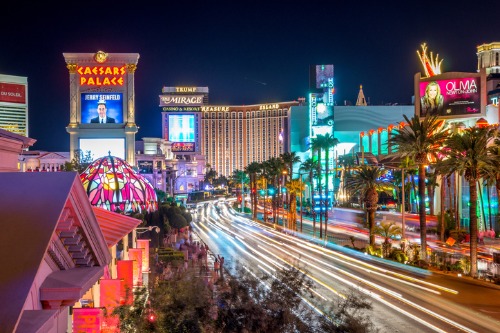
If there’s one American city built almost entirely around visitors, it’s Las Vegas. Tourism fuels the mega-resorts along the Las Vegas Strip, where casino gaming, headline residencies, and massive conventions keep hotel occupancy high year-round. The city routinely welcomes more than 40 million visitors annually, a staggering figure compared to its resident population. Major trade shows and high-profile sporting events now share the spotlight with the casinos.
You can feel the tourism focus in everything from the airport’s slot machines to the nonstop construction of new attractions. The local economy leans heavily on hospitality and entertainment jobs, and tax revenues are closely tied to hotel stays and gaming. Even the skyline constantly reinvents itself to entice repeat visitors. It’s a place that quite literally markets spectacle as infrastructure.
3. Orlando, Florida
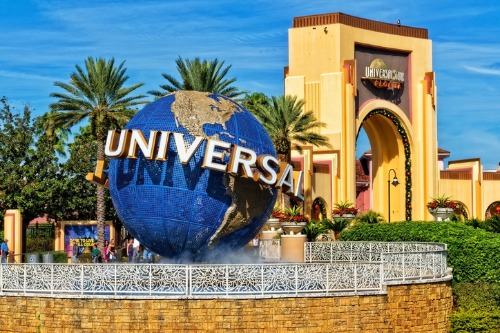
Orlando is synonymous with theme parks, and that’s not an accident. The presence of Walt Disney World, Universal Orlando Resort, and SeaWorld Orlando makes tourism the region’s economic backbone. The metro area draws tens of millions of visitors each year, making it one of the most visited destinations in the country. Hospitality, food service, and theme park operations employ a huge share of the local workforce.
Drive down International Drive and you’ll see hotels, souvenir shops, and dinner theaters packed tightly together. The city’s infrastructure, from expanded highways to a sprawling convention center, is designed to move and entertain crowds. Even the airport traffic ebbs and flows with school vacation calendars. In Orlando, the magic is also the main industry.
4. New Orleans, Louisiana
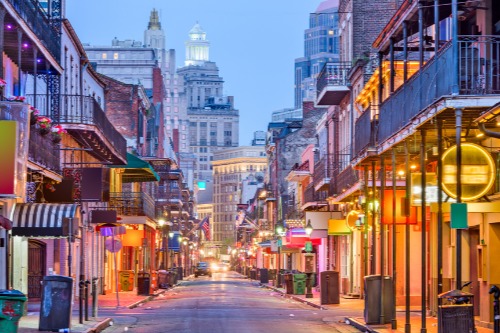
New Orleans has long turned its culture into a calling card. Events like Mardi Gras and the New Orleans Jazz & Heritage Festival bring in huge crowds that fill hotels and restaurants. Tourism is one of the city’s largest industries, supporting everything from musicians to hotel housekeepers. The French Quarter alone draws millions who come for its architecture, nightlife, and food.
Walk through the Quarter and you’ll see how much of daily commerce is visitor-focused, from guided tours to souvenir shops. Convention business at the Ernest N. Morial Convention Center adds another steady revenue stream. After Hurricane Katrina, rebuilding efforts leaned heavily on restoring tourism quickly. The city’s resilience is closely tied to keeping its cultural engine humming.
5. Miami, Florida
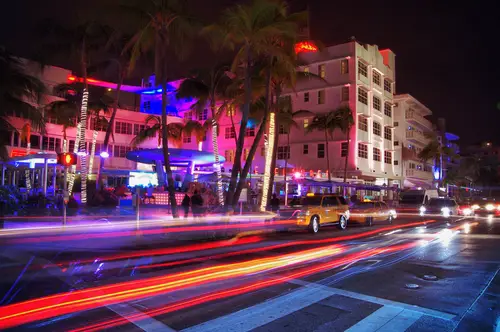
Miami blends beaches, nightlife, and cruise traffic into a tourism powerhouse. South Beach hotels and Art Deco architecture are central to its global image. The nearby Port of Miami is often called the “Cruise Capital of the World,” sending millions of passengers through annually. International visitors, particularly from Latin America and Europe, play a major role in the local economy.
You can see the dependence in the skyline of high-rise condos marketed to part-time residents and investors. Major art events like Art Basel Miami Beach transform the city each winter and pump millions into local businesses. Restaurant openings and hotel renovations tend to align with peak travel seasons. When tourism dips, Miami feels it quickly in hospitality and retail sectors.
6. Nashville, Tennessee
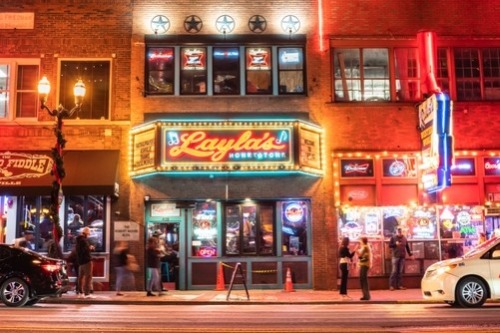
Nashville has transformed into a tourism magnet over the past two decades. Branded as “Music City,” it draws fans to the Grand Ole Opry and the honky-tonks lining Broadway. Visitor spending supports a booming hotel construction pipeline and a growing short-term rental market. Conventions and major sporting events have further diversified the tourism base.
Downtown streets are often packed with bachelor and bachelorette parties chasing live music. The hospitality sector is now one of the city’s largest employers. Tax revenue from hotel stays helps fund local projects and infrastructure. Nashville’s growth story is deeply intertwined with its appeal to out-of-towners.
7. Honolulu, Hawaii
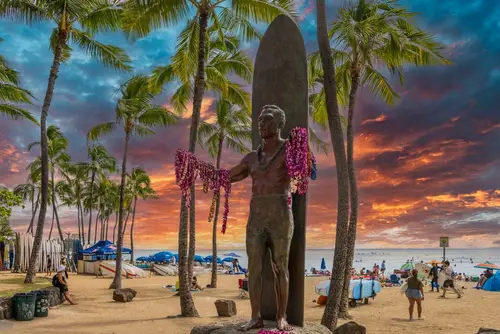
Life in Honolulu revolves around the steady stream of travelers landing on Oahu’s shores. Waikiki’s beachfront hotels and resorts cater to millions of visitors each year, many arriving on long-haul international flights. Tourism accounts for a significant share of Hawaii’s economic activity, and Honolulu is its hub. From luaus to surf lessons, entire neighborhoods are oriented toward guest experiences.
The influence shows up in high hotel density and retail districts filled with luxury brands aimed at international shoppers. Cruise ships dock regularly, adding another layer to the visitor economy. At the same time, fluctuations in travel demand can have outsized effects on jobs and small businesses. In Honolulu, the global travel market isn’t abstract; it’s personal.
8. Savannah, Georgia
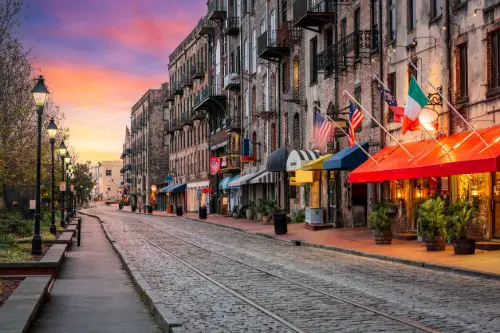
Savannah has leaned heavily into its atmospheric squares and moss-draped oaks. The historic district is one of the largest in the country, drawing visitors interested in architecture and Southern history. Film tourism and ghost tours add to the mix, creating a steady stream of walking groups year-round. Hospitality and leisure jobs make up a sizable portion of local employment.
River Street’s restaurants and shops are clearly tailored to visitors strolling off tour buses and riverboats. Short-term rentals have expanded rapidly, reflecting sustained demand. Festivals and events fill the calendar to smooth out seasonal dips. Savannah’s economy thrives on the romance it sells.
9. Key West, Florida
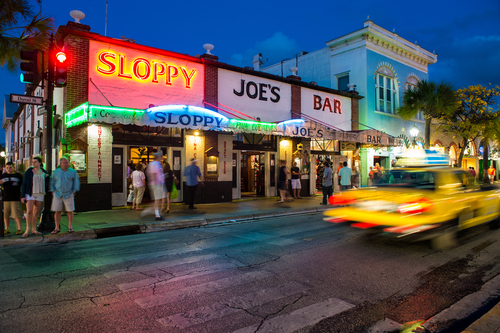
At the southernmost tip of the continental U.S., Key West depends heavily on tourism. Cruise ships, fishing charters, and sunset celebrations at Mallory Square bring in crowds throughout the year. With limited land and industry, the local economy is centered on hospitality and recreation. Visitor spending supports restaurants, bars, and small guesthouses across the island.
Duval Street is lined with shops and watering holes that cater squarely to travelers. The island’s infrastructure, from marinas to tour operators, revolves around short-term stays. Seasonal swings in cruise schedules can noticeably affect business volume. In Key West, paradise pays the bills.
10. Aspen, Colorado
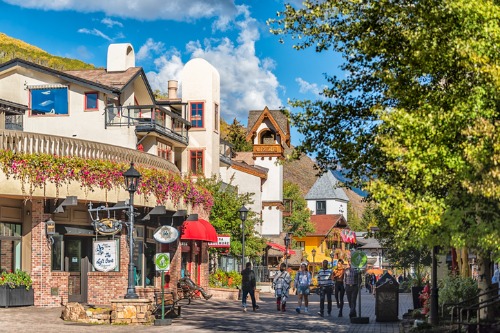
Aspen may be small in population, but it punches far above its weight in tourism impact. The surrounding Aspen Snowmass area draws winter sports enthusiasts from around the world. Luxury hotels, high-end retail, and seasonal events cater to affluent visitors. Tourism is the dominant economic driver in this mountain community.
In peak ski season, the town’s population effectively swells with part-time residents and vacationers. Summer brings festivals and outdoor recreation that keep occupancy rates high. Many jobs are seasonal, tied directly to visitor demand. Aspen’s economy rises and falls with snowfall and travel trends.
11. Branson, Missouri

Branson has built an entire identity around live entertainment tourism. The city is known for its theater shows, family-friendly attractions, and proximity to Table Rock Lake. Despite a relatively small permanent population, it welcomes millions of visitors annually. Tourism is by far the dominant industry in the area.
Highway 76 is lined with performance venues, themed attractions, and souvenir shops. Hotels and campgrounds are plentiful compared to the size of the city. Seasonal peaks, especially in summer and around holidays, shape hiring patterns. Branson’s economy quite literally runs on showtime.
12. Anaheim, California
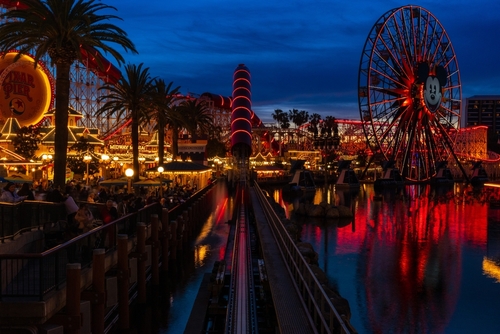
Anaheim is home to Disneyland Resort, which anchors its tourism economy. The theme park complex attracts tens of millions of visitors each year. Surrounding hotels, restaurants, and retail districts are designed to serve those guests. Convention business at the Anaheim Convention Center adds another layer of visitor spending.
The city’s tax base relies significantly on hotel occupancy taxes and sales tied to tourism. Entire neighborhoods near the resort are dominated by lodging options. Seasonal promotions and new ride openings have ripple effects across local employment. In Anaheim, the magic kingdom is also a municipal engine.
13. Myrtle Beach, South Carolina
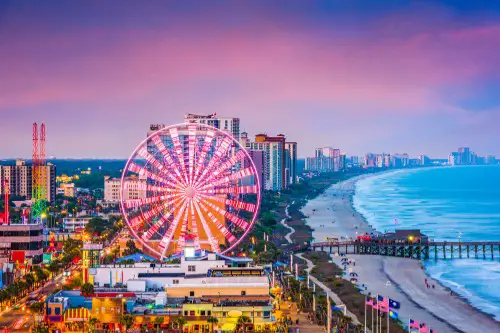
Myrtle Beach thrives on sun-and-sand tourism. Its long stretch of Atlantic coastline, golf courses, and family attractions draw millions each year. Tourism accounts for the majority of the area’s economic activity. Hotels, vacation rentals, and entertainment venues line the beachfront.
The population swells dramatically in summer, straining roads and services built to handle peak crowds. Many local businesses earn a large share of their annual revenue in just a few months. Seasonal employment is common, especially in hospitality and recreation. Myrtle Beach’s fortunes are closely tied to vacation calendars and weather forecasts.
14. Gatlinburg, Tennessee
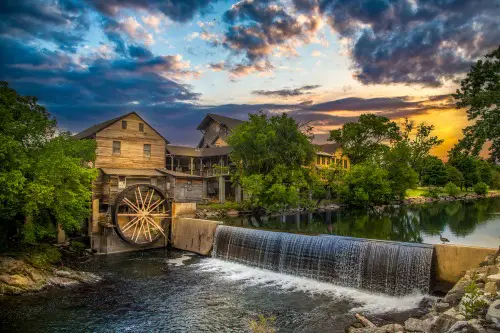
Nestled at the gateway to Great Smoky Mountains National Park, Gatlinburg lives and breathes tourism. The national park is the most visited in the United States, drawing millions annually. Gatlinburg’s hotels, cabins, and attractions cater directly to that steady flow. Tourism is the city’s primary economic engine.
Parkway storefronts are packed with souvenir shops, pancake houses, and mini-golf courses. Seasonal leaf-peeping and summer vacations create predictable surges. Local tax revenue depends heavily on visitor spending. Without the park traffic, Gatlinburg would look very different.
15. Sedona, Arizona
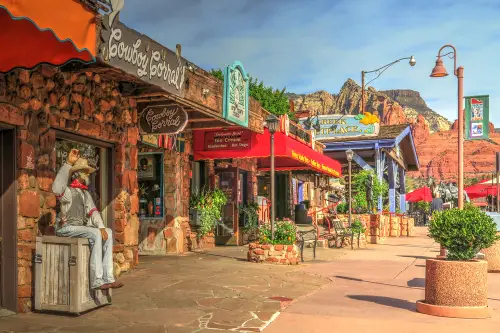
Sedona has parlayed its red rock scenery into a tourism-driven economy. Outdoor recreation, spiritual retreats, and art galleries draw visitors year-round. Despite a modest population, the city supports a high concentration of hotels and short-term rentals. Tourism is one of the main pillars of local employment.
Trailhead parking lots fill up early, reflecting the popularity of hikes among out-of-towners. Jeep tours and guided excursions are a common sight on the roads. Seasonal fluctuations in travel can significantly impact small businesses. In Sedona, the landscape isn’t just beautiful; it’s the business model.
This post Cities That Depend on Tourism — And It Shows was first published on American Charm.

