1. Coney Island, New York
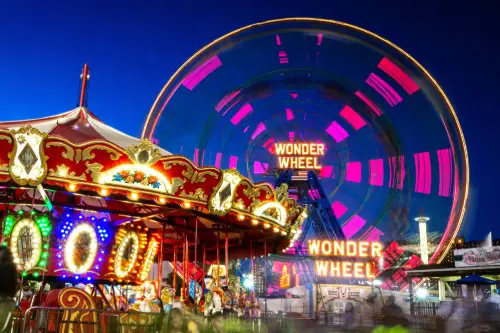
In the early 1900s and through much of the 20th century, Coney Island was America’s playground. Amusement parks, beach crowds, and boardwalk spectacles defined summer for generations of New Yorkers. Landmarks like Luna Park drew millions annually in their prime. It was loud, chaotic, and wildly popular.
Postwar suburbanization and competition from larger theme parks changed the game. Attendance dipped, and parts of the area fell into disrepair in the late 20th century. Revitalization efforts have helped, but it’s more nostalgic outing than national must-see. Social media tends to favor sprawling theme parks with immersive branding.
2. Branson, Missouri
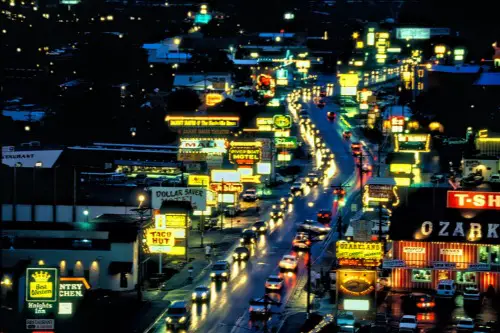
Long before TikTok travel hacks, Branson was a bus-tour powerhouse. In the 1990s, it was one of the country’s top live entertainment destinations, with theaters featuring country, gospel, and variety shows. Big names like Andy Williams helped define its wholesome, family-friendly brand. Packed motorcoaches and souvenir shops were simply part of the landscape.
Over time, shifting entertainment tastes and cheaper flights to bigger cities undercut its appeal. Younger travelers gravitated toward destinations with more nightlife and shareable experiences. While Branson still draws loyal visitors, especially older audiences, it no longer commands the national spotlight it once did. Social media tends to amplify trend-driven hotspots, and Branson’s traditional theater scene hasn’t translated as widely online.
3. Lake Havasu City, Arizona
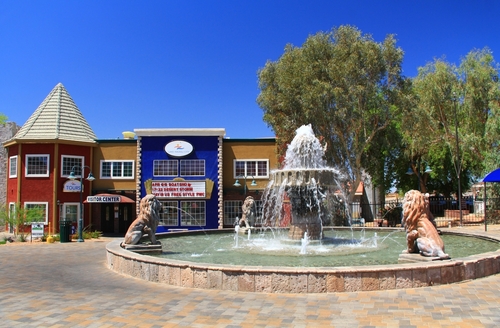
In the 1970s and 1980s, Lake Havasu City was synonymous with spring break chaos. The transplanted London Bridge gave it a quirky international hook, and party crowds followed. MTV-era coverage made it look like a desert Riviera for college students. It didn’t need hashtags; word of mouth did the trick.
Stricter regulations and a crackdown on unruly behavior changed the vibe in the 1990s. Spring break crowds shrank as students opted for destinations in Mexico or Florida. Today, it’s more about boating and retirement living than national party notoriety. Social media spotlights other party hubs, leaving Lake Havasu with a more regional draw.
4. The Poconos, Pennsylvania
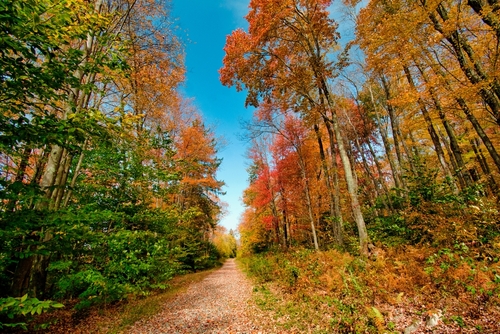
For decades, Pocono Mountains were the honeymoon capital of the Northeast. Heart-shaped tubs and champagne-glass whirlpools became kitschy icons of romantic getaways. Couples from New York and New Jersey flocked there in the 1960s through the 1980s. It felt private, indulgent, and just far enough from home.
As air travel became cheaper, newlyweds began choosing Caribbean resorts instead. Many of the famous honeymoon resorts closed or rebranded as tastes shifted. The region still offers outdoor recreation, but the over-the-top romance niche faded. Social media now favors luxury villas and tropical backdrops over retro heart-shaped suites.
5. Salton Sea, California
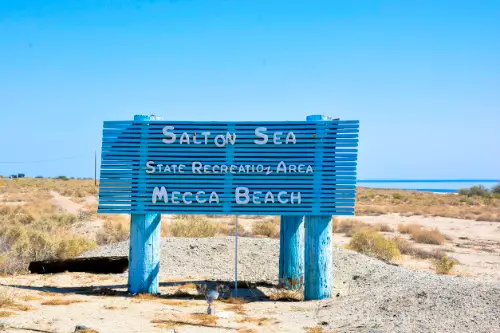
In the 1950s and early 1960s, the Salton Sea was billed as California’s next Riviera. Celebrities visited, marinas filled with boats, and developers envisioned a glittering desert resort community. Beach clubs and yacht races gave it serious buzz. For a moment, it seemed poised to rival coastal hotspots.
Rising salinity and agricultural runoff led to massive fish die-offs and environmental decline. The shoreline receded, leaving abandoned structures and a lingering odor in some areas. Tourism collapsed as quickly as it had surged. While it now draws photographers and urban explorers, that’s a very different kind of fame.
6. Catskills, New York
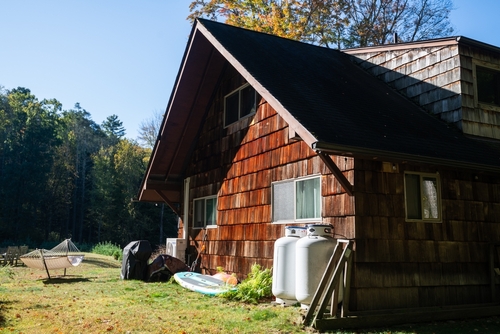
Mid-century America treated the Catskill Mountains like a summer rite of passage. Grand resorts such as Grossinger’s Catskill Resort Hotel offered all-inclusive stays packed with entertainment. Comedians and musicians sharpened their acts there before hitting national stages. Families returned year after year without needing a trending post to justify it.
As affordable flights opened up Florida and the Caribbean, the Borscht Belt era faded. Many large resorts closed by the late 20th century, leaving behind empty ballrooms and golf courses. The region has seen some boutique revival, but it’s not the cultural force it once was. Social media tends to highlight newer, design-forward mountain escapes instead.
7. Niagara Falls, New York
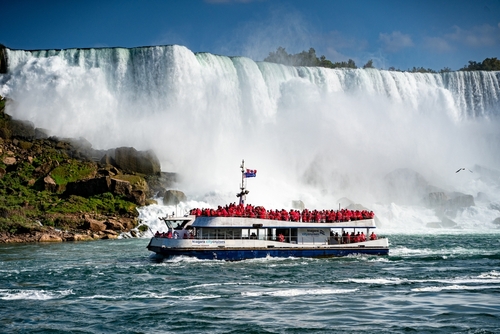
For generations, Niagara Falls was the ultimate American honeymoon destination. Couples posed in front of the thundering water as proof they’d arrived somewhere grand. Mid-20th-century tourism infrastructure thrived on that steady stream of newlyweds. It was iconic without needing filters.
Over time, the surrounding city struggled with economic decline and industrial loss. While the Falls themselves remain a natural wonder, many visitors prefer the more built-up Canadian side. Honeymoon trends shifted toward tropical and international locales. The result is a landmark that’s still famous but less central to American romantic lore.
8. Atlantic City, New Jersey
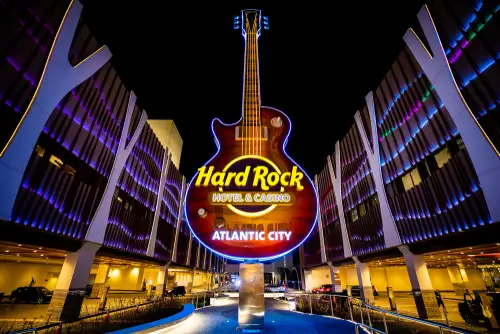
Before Instagram beach selfies and influencer casino tours, Atlantic City was a bona fide East Coast playground. In the mid-20th century, its Boardwalk drew families, entertainers, and convention crowds in massive numbers. The city even hosted the Miss America pageant for decades, cementing its status as a cultural fixture. For a long time, it didn’t need curated feeds to stay relevant.
But competition from casinos in neighboring states like Pennsylvania and New York chipped away at its gambling dominance. Several major casinos closed in the 2010s, signaling deeper economic trouble. Tourism still exists, but the crowds are thinner and the glamour feels faded compared to its heyday. Social media hasn’t revived it the way it has other beach towns, partly because newer destinations photograph—and market—better.
9. Hot Springs, Arkansas
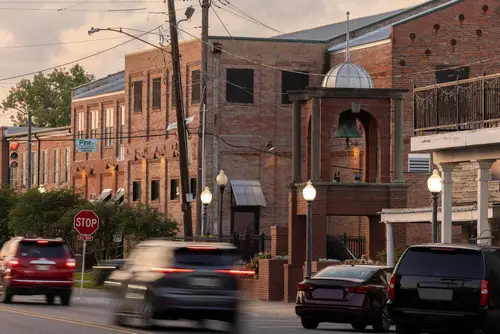
Once dubbed “The American Spa,” Hot Springs was a magnet for visitors seeking thermal baths. Its historic Bathhouse Row bustled in the early 1900s with politicians, athletes, and even gangsters. The promise of healing waters carried serious cultural weight. It was wellness tourism long before that term existed.
As modern medicine advanced and commercial spas proliferated, the mystique waned. Several bathhouses closed by the late 20th century, though some have since reopened in new forms. The town still has charm and a national park designation. Yet it no longer dominates the wellness conversation the way it once did.
10. Palm Springs, California
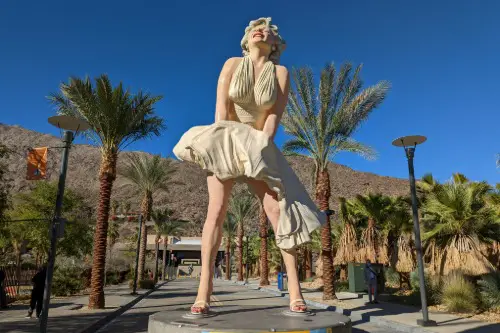
Mid-century Palm Springs glittered with Hollywood escape energy. Stars like Frank Sinatra and Marilyn Monroe kept homes there, turning it into a desert glamour hub. Poolside cocktails and modernist architecture defined its image. It felt exclusive but accessible to fans who wanted a taste of that lifestyle.
While Palm Springs has enjoyed design-focused revivals, it also faces extreme summer heat and water concerns. Some visitors now opt for cooler or more internationally flashy desert experiences. The celebrity mystique doesn’t carry the same weight in an influencer-driven era. It thrives in niche circles but lacks the universal buzz it once had.
11. Mackinac Island, Michigan
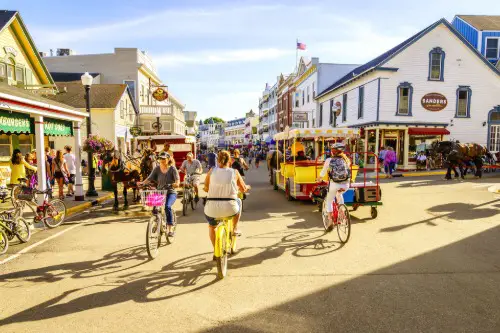
Before budget airlines made far-flung travel common, Mackinac Island was a dreamy Midwest escape. With cars banned and horse-drawn carriages the norm, it felt like stepping back in time. The stately Grand Hotel became a bucket-list stay for generations. Families returned summer after summer out of tradition.
As travel options expanded, loyalty to regional resorts weakened. Mackinac remains charming, but it competes with a global menu of destinations. Seasonal limitations also constrain its tourism window. Social media highlights more dramatic landscapes, leaving this genteel retreat a bit under the radar.
12. Daytona Beach, Florida
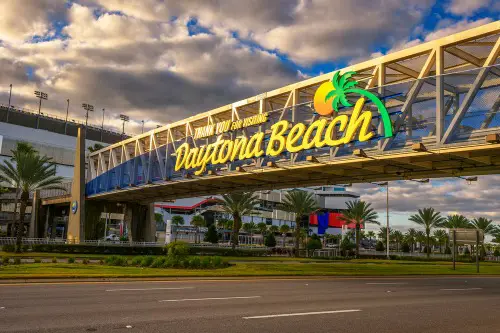
For decades, Daytona Beach was practically synonymous with spring break. College students packed its الرمال and beachfront motels in the 1970s and 1980s. Televised party scenes cemented its reputation nationwide. It didn’t need a viral moment; it was the moment.
City leaders later pushed to tone down the party image to attract families. Meanwhile, students flocked to other Florida beaches or international spots. Tourism never vanished, but the cultural dominance faded. Social media cycles through trendier party hubs now.
13. Mount Airy, North Carolina
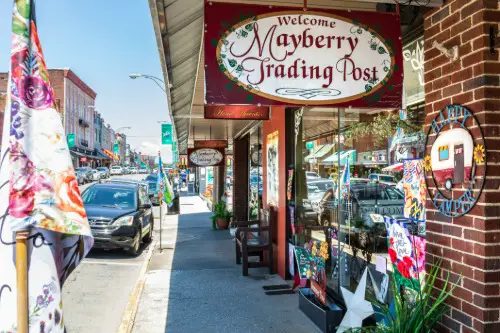
Thanks to The Andy Griffith Show, Mount Airy became a pilgrimage site for fans. The town inspired the fictional Mayberry, and tourism surged for decades. Visitors came for nostalgia, squad car replicas, and small-town charm. It was comfort travel before that phrase existed.
As the show receded further into television history, younger generations felt less connection. Heritage tourism still draws devoted fans, but the crowds aren’t what they were in the 1980s and 1990s. Competing nostalgia brands and streaming-era content reshaped attention spans. Mount Airy remains sweet and sincere, just quieter.
14. Deadwood, South Dakota
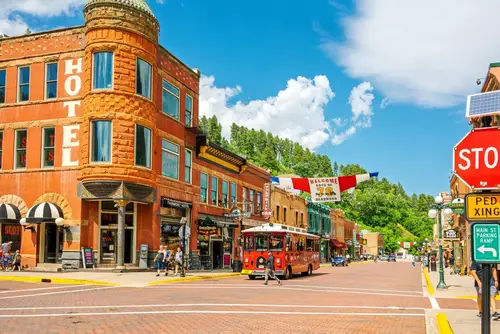
In the late 19th century and again during Old West revivals, Deadwood traded heavily on its frontier past. Figures like Wild Bill Hickok gave it legendary status. Casinos and reenactments later leaned into that mythology to drive tourism. It felt like walking through a living Western.
Regional competition and changing tastes have made sustained growth challenging. While legalized gambling in the 1990s brought a boost, it hasn’t transformed the town into a major national draw. Visitors still come, but mostly as part of broader Black Hills trips. In a social media age hungry for the next big spectacle, Deadwood’s steady historic charm can be overshadowed.
This post Destinations That Thrived Pre-Social Media — But Struggle Now was first published on American Charm.