
1. Walt Disney World, Florida
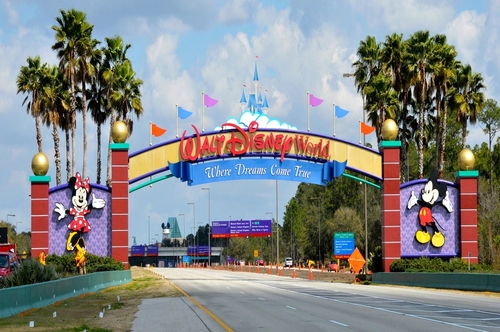
Disney World remains iconic, but more Americans are opting out due to rising costs and logistical stress. Ticket prices, hotel rates, and add-on experiences have climbed significantly over the years. Planning now involves navigating reservation systems, park passes, and timed ride access. For some families, it feels more like work than vacation.
Heat and crowd levels also play a role in people staying away. Long lines under the Florida sun can wear down even enthusiastic visitors. Parents often mention kids becoming overstimulated or exhausted before the day ends. As a result, repeat visits are becoming less common.
2. Times Square, New York City

Times Square keeps showing up on “must-see” lists, but many Americans now see it as more hassle than highlight. The constant crowds make it difficult to move, let alone enjoy the neon spectacle without being bumped or stopped every few steps. Visitors often mention aggressive costumed performers and solicitors who can turn a quick photo into an awkward encounter. Add in high prices for nearby food and hotels, and the novelty wears off fast.
Plenty of travelers also realize Times Square doesn’t represent the best of New York City. Locals regularly advise skipping it in favor of neighborhoods with actual culture, food, and breathing room. After one visit, many Americans feel they’ve “done it” and don’t need to return. That mindset keeps repeat travelers away.
3. Las Vegas Strip, Nevada
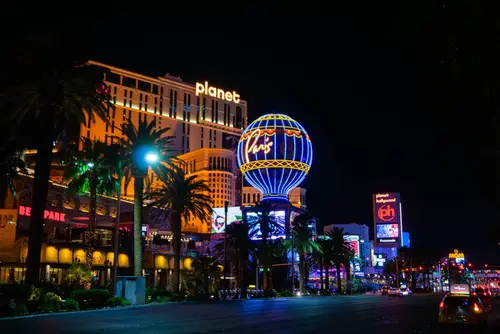
The Las Vegas Strip used to feel like a once-in-a-lifetime spectacle, but for many Americans it’s starting to feel exhausting. Casinos pump in cigarette smoke, loud music, and flashing lights around the clock, which can overwhelm visitors quickly. Hotel resort fees and parking charges now surprise travelers who expected deals. Even simple activities often come with hidden costs.
Crowds have also become a major deterrent, especially on weekends and during conventions. Walking a short distance can take far longer than expected due to foot traffic and construction. Some travelers feel the Strip has lost its sense of fun and replaced it with constant upselling. That leaves many choosing smaller cities or nature-focused trips instead.
4. Hollywood Walk of Fame, California

The Hollywood Walk of Fame sounds glamorous, but many travelers are disappointed when they arrive. The area is often crowded, noisy, and lined with souvenir shops rather than movie magic. Visitors frequently comment on visible homelessness and street grime. That contrast can be jarring for those expecting classic Hollywood charm.
Parking and traffic add to the frustration of visiting this stretch of Los Angeles. Some travelers feel rushed or uncomfortable walking the sidewalks. After checking off a few star photos, there’s little incentive to linger. Many Americans now skip it entirely in favor of beaches or neighborhoods like Silver Lake.
5. Bourbon Street, New Orleans
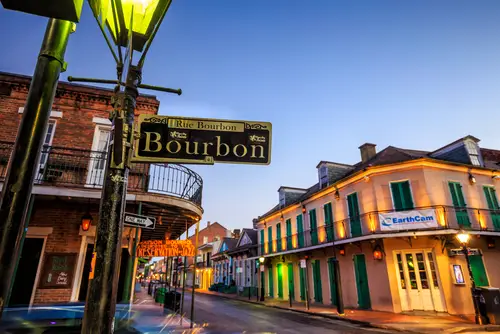
Bourbon Street has a reputation for nonstop partying, which is exactly why some Americans avoid it. The crowds, especially at night, can feel overwhelming and chaotic. Loud music, public intoxication, and strong smells are common complaints. For travelers seeking culture, it can feel one-note.
Many visitors also realize Bourbon Street doesn’t represent the full richness of New Orleans. The city’s food, music, and history shine more in quieter neighborhoods. After one visit, travelers often say they’ve seen enough. That leads them to explore elsewhere on future trips.
6. Fisherman’s Wharf, San Francisco
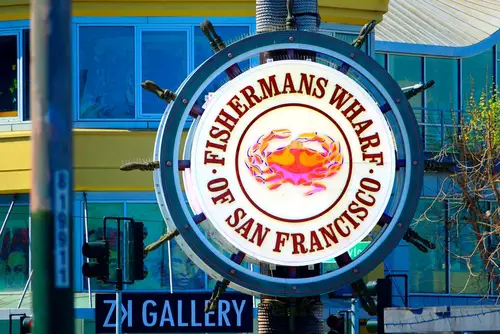
Fisherman’s Wharf remains popular, but many Americans now find it overly touristy. Restaurants in the area are often described as overpriced and mediocre. Crowds make it hard to enjoy the waterfront views at a relaxed pace. Souvenir shops dominate much of the experience.
Concerns about cleanliness and visible social issues also discourage repeat visits. Some travelers feel the area doesn’t reflect San Francisco’s creativity or food scene. Locals frequently recommend skipping it altogether. That advice is increasingly being followed.
7. South Beach, Miami
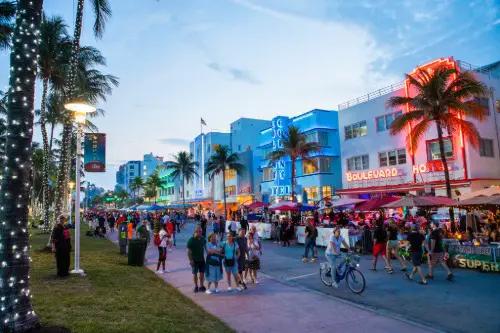
South Beach is famous for its nightlife and beaches, but not everyone finds it appealing anymore. Hotel prices and parking fees can be steep, especially during peak season. Crowds fill the beach early, making it hard to find space. Noise complaints are common in the surrounding area.
Some Americans also find the party atmosphere less fun as they get older. The focus on nightlife can overshadow relaxation and nature. Traffic and limited public parking add to the stress. Many travelers now look to quieter Florida beaches instead.
8. Niagara Falls (U.S. Side), New York
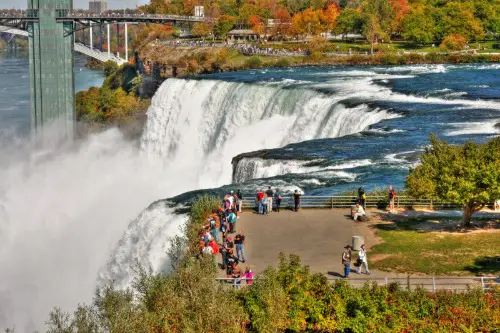
Niagara Falls itself is breathtaking, but the surrounding area often disappoints visitors. Many Americans describe the U.S. side as run-down compared to expectations. Tourist attractions nearby can feel dated or gimmicky. That mismatch can leave travelers underwhelmed.
Crowds and high-priced attractions also deter repeat visits. Some visitors feel rushed through viewpoints without time to linger. Others compare it unfavorably to the Canadian side. As a result, some Americans skip it entirely or don’t return.
9. Venice Beach Boardwalk, California
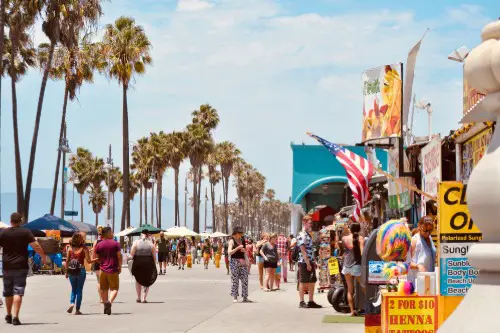
Venice Beach used to symbolize quirky California cool, but perceptions have shifted. Visitors often mention aggressive vendors and chaotic foot traffic. The boardwalk can feel overwhelming rather than relaxing. Cleanliness is another frequent concern.
Safety perceptions also play a role in people avoiding the area. Some travelers feel uncomfortable lingering or visiting with children. The beach itself is still appealing, but the atmosphere can be unpredictable. That pushes travelers toward calmer coastal towns.
10. Mount Rushmore, South Dakota
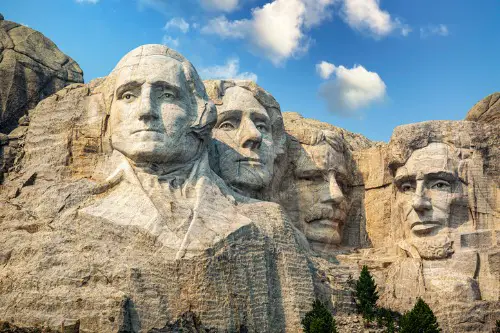
Mount Rushmore is iconic, yet many Americans feel underwhelmed after visiting. The monument itself is smaller than expected for some travelers. After a short viewing period, there isn’t much else to do on-site. That can make the long drive feel less worthwhile.
Crowds during peak summer months also reduce the experience. Parking and access can be frustrating at busy times. Some travelers wish they had spent more time exploring nearby parks instead. As a result, it’s often a one-time stop.
11. Key West, Florida
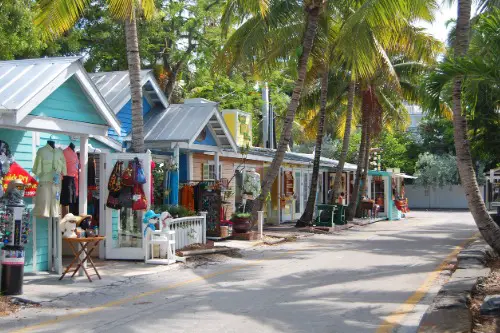
Key West attracts visitors with its laid-back image, but many Americans now hesitate due to costs. Lodging prices are high, especially during popular seasons. Limited hotel options drive up demand and rates. Dining and activities often follow the same pattern.
The island can also feel crowded and congested. Traffic and parking challenges surprise first-time visitors. Some travelers feel the experience doesn’t justify the expense. That leads them to choose less crowded Florida Keys destinations.
12. Mall of America, Minnesota
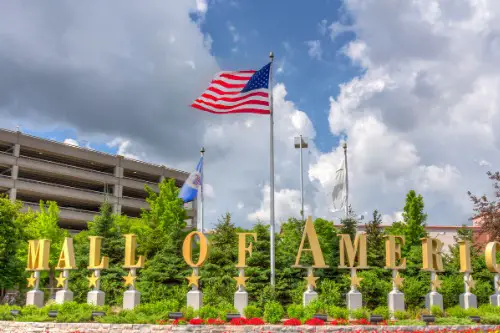
The Mall of America sounds impressive, but not everyone finds it vacation-worthy. Many Americans feel it’s still just a mall, despite its size. Crowds can make shopping stressful rather than fun. Weekends and holidays are especially packed.
Families may enjoy the attractions, but adults often feel overwhelmed. The indoor setting can feel repetitive after a few hours. Some travelers wish they had spent time exploring Minneapolis instead. That realization keeps repeat visits low.
13. Waikiki Beach, Hawaii
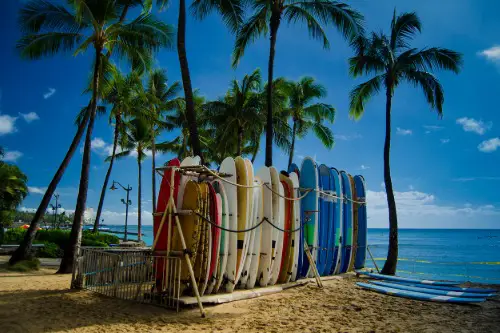
Waikiki Beach remains famous, but many Americans now prefer quieter Hawaiian locations. The beach is often crowded from morning to sunset. High-rise hotels dominate the shoreline, limiting the natural feel. Prices for lodging and food are steep.
Some travelers feel Waikiki lacks the authentic Hawaii experience they imagined. Traffic and busy sidewalks add to the urban vibe. After one visit, many look elsewhere on the islands. That shift has grown more common over time.
14. Gatlinburg, Tennessee

Gatlinburg serves as a gateway to the Great Smoky Mountains, but the town itself divides opinion. Traffic congestion is a major complaint, especially during peak seasons. The main strip is packed with arcades and souvenir shops. That atmosphere isn’t for everyone.
Some Americans feel Gatlinburg distracts from the natural beauty nearby. Parking and crowd management can be frustrating. Visitors often say they’d rather stay outside town. That preference keeps some travelers away entirely.
15. Atlantic City Boardwalk, New Jersey
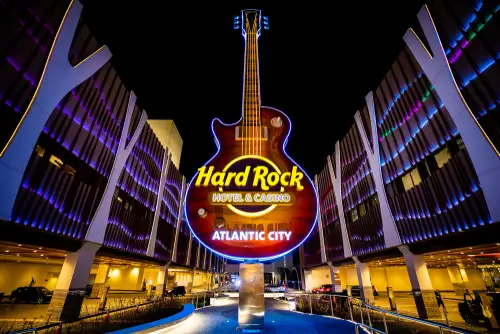
Atlantic City once rivaled Las Vegas, but many Americans now skip it. Casinos feel dated compared to newer resort destinations. The boardwalk can feel rundown in certain areas. That contrast affects the overall experience.
Safety concerns and limited attractions beyond gambling also play a role. Visitors often mention fewer entertainment options than expected. After one visit, many don’t feel the need to return. That perception has steadily reduced its appeal.
This post Why So Many Americans Are Avoiding These Popular Travel Spots Altogether was first published on American Charm.

