
1. Asheville, North Carolina
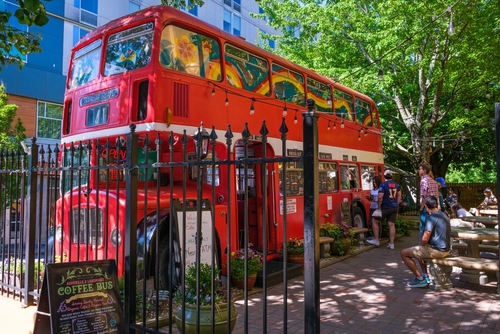
Asheville once felt like a slightly scruffy mountain town where artists, musicians, and outdoorsy types quietly coexisted. You could wander downtown without reservations and stumble into live music without a line. The Blue Ridge Parkway felt peaceful even in peak leaf season. It was charming without trying too hard.
Tourism changed Asheville’s rhythm. Popular weekends now mean traffic backups on I-40 and fully booked hotels months ahead. The brewery boom brought national attention but also crowds and higher prices. What was once quirky now often feels curated for visitors.
2. Sedona, Arizona
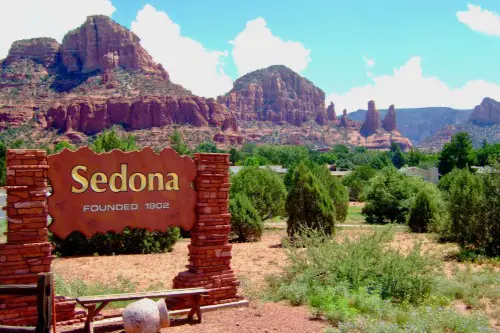
Sedona used to attract people seeking solitude, spirituality, or serious hiking. Trails like Bell Rock and Cathedral Rock were accessible without advance planning. The town felt slow and reflective rather than performative. Its beauty felt personal instead of broadcasted.
Social media transformed Sedona into a visual checklist destination. Parking restrictions and shuttle systems were added to manage overwhelming foot traffic. Scenic pullouts are often crowded with photo shoots. The energy shifted from introspection to constant documentation.
3. Jackson Hole, Wyoming
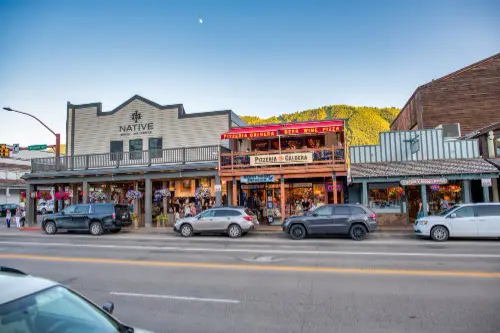
Jackson Hole was once a rugged gateway to the Tetons with a strong cowboy identity. Skiing felt local, and the town catered more to ranchers than luxury travelers. Wildlife sightings around town were common and unremarkable. It felt like a working town first and a vacation spot second.
Wealth and celebrity attention changed the tone dramatically. Real estate prices soared beyond the reach of longtime residents. Luxury shopping and upscale dining now dominate the town square. The scenery is unchanged, but the socioeconomic divide is stark.
4. Lake Tahoe, California and Nevada
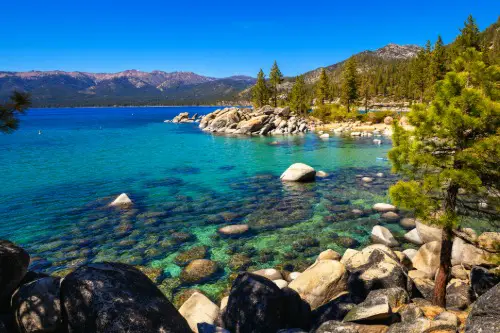
Lake Tahoe used to be a relaxed alpine escape with plenty of quiet shoreline. Families returned to the same modest cabins year after year. Traffic around the lake was manageable even in summer. It felt like a place built around nature, not logistics.
Today, congestion defines the Tahoe experience. Holiday weekends bring gridlock on Highway 50 and Interstate 80. Short-term rentals reduced housing availability for locals. Accessing the lake now requires strategy rather than spontaneity.
5. Bozeman, Montana
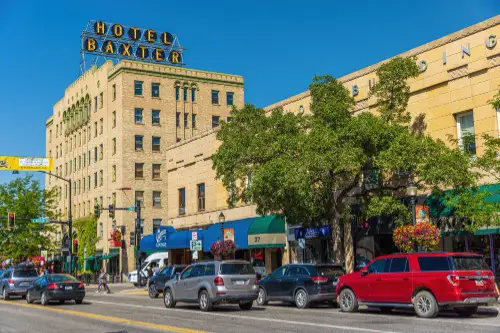
Bozeman was once a low-key college town surrounded by big sky landscapes. It served as a gateway to Yellowstone without feeling like a destination itself. Downtown was simple, friendly, and affordable. Growth felt steady but contained.
Tech money and remote work accelerated Bozeman’s expansion. Housing prices rose sharply in a short period of time. Infrastructure struggled to keep pace with population growth. The town feels more like a boomtown than a college community.
6. Bend, Oregon
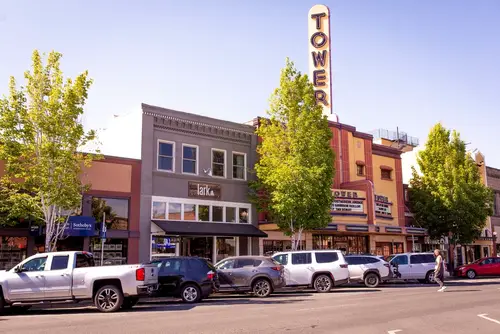
Bend used to be a quiet outdoor hub where locals centered life around rivers and trails. Floating the Deschutes felt casual and uncrowded. The brewery scene existed but wasn’t the town’s entire identity. It had a laid-back, lived-in feel.
Rapid growth changed Bend’s pace. Summer weekends now bring packed riverbanks and traffic jams. New development reshaped the town’s edges. The outdoors remain stunning, but solitude is harder to find.
7. Napa Valley, California
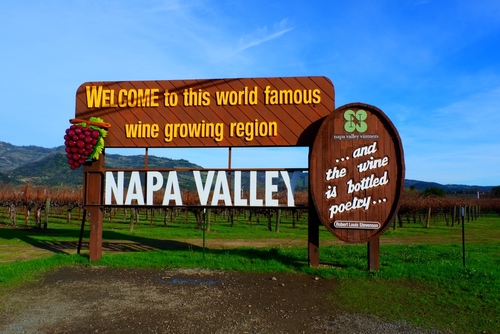
Napa Valley once welcomed visitors interested in wine, not spectacle. Tastings were unhurried and often hosted by winemakers themselves. Reservations weren’t always necessary. It felt agricultural first and indulgent second.
Luxury tourism redefined Napa’s image. High tasting fees became standard, even for modest wineries. Boutique hotels replaced working farmland in some areas. Wine tasting now often feels transactional rather than personal.
8. Charleston, South Carolina
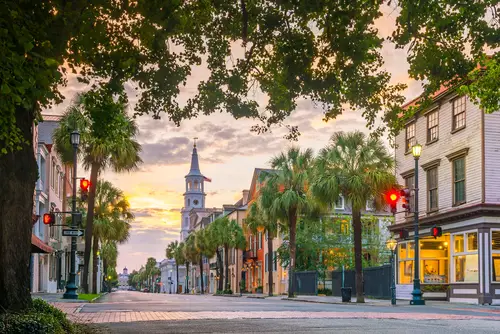
Charleston used to feel like a lived-in historic city with a slow Southern pace. Locals and visitors mixed naturally in everyday spaces. The food scene was strong but not overwhelming. It felt authentic rather than performative.
Tourism reshaped Charleston’s core neighborhoods. Cruise ships and large tour groups became common. Housing shifted toward short-term rentals. Daily life increasingly moved away from the historic center.
9. Moab, Utah
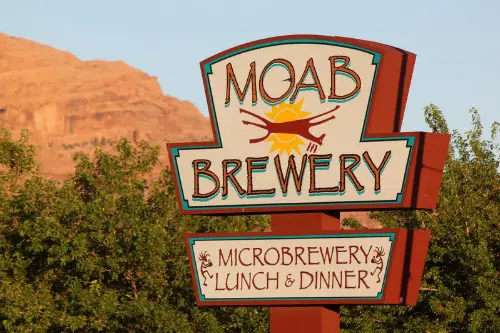
Moab was once a dusty desert town serving climbers and river guides. Arches and Canyonlands felt vast and uncrowded. You could explore without permits or timed entry. The town matched the ruggedness of its surroundings.
Popularity exploded as outdoor recreation went mainstream. National park entry systems were introduced to manage crowds. Trails show visible wear from overuse. The adventure remains, but the intimacy is gone.
10. Big Sur, California
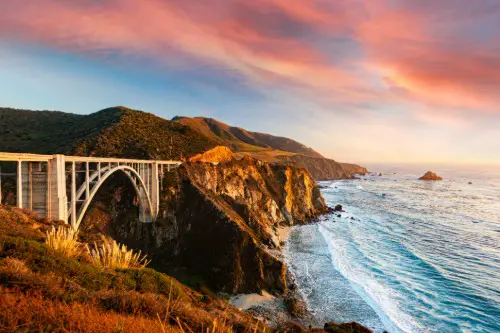
Big Sur used to be a quiet stretch of coastline defined by isolation. Pullouts along Highway 1 were peaceful and reflective. Lodging was limited and rustic. The remoteness felt like the main attraction.
Social media attention brought constant congestion. Roadside parking became dangerous and restricted. Visitors now arrive in waves rather than drips. The wild beauty remains, but the calm does not.
11. Telluride, Colorado
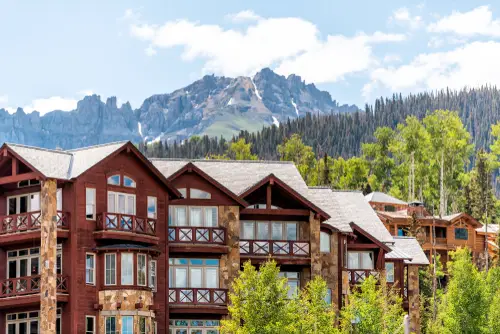
Telluride once felt like a remote mountain town with a tight-knit community. Skiing was excellent but understated. The historic downtown felt practical rather than polished. It was hard to get to, which kept it special.
Accessibility brought attention and wealth. Second homes replaced year-round residences. Prices rose sharply across the board. The charm survived, but exclusivity replaced simplicity.
12. Marfa, Texas
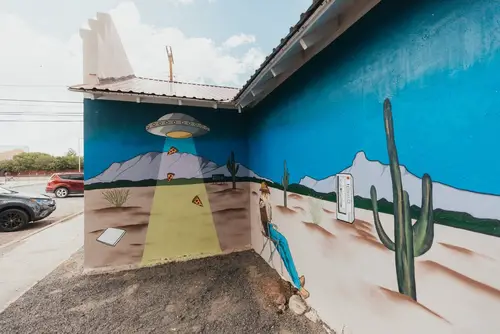
Marfa was once an isolated desert town with a small arts community. Its remoteness was part of the appeal. The landscape felt empty and contemplative. Visitors arrived intentionally, not accidentally.
Cultural buzz turned Marfa into a destination. Lodging options expanded quickly. Day-trippers now outnumber long-stay visitors. The quiet magic competes with constant novelty.
13. Savannah, Georgia
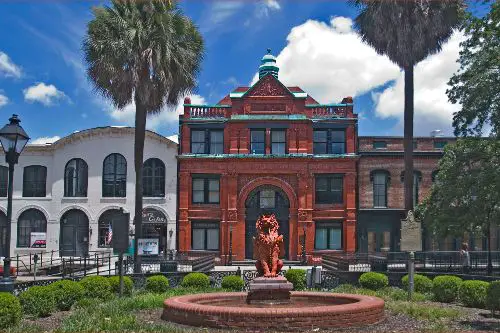
Savannah once felt like a gracious Southern city with a strong local pulse. Its historic squares were everyday gathering places. Tourism existed but didn’t dominate daily life. The pace was gentle and predictable.
Tourism growth reshaped downtown Savannah. Party-centric travel increased dramatically. Short-term rentals displaced long-term residents. The atmosphere shifted from residential to recreational.
14. Whitefish, Montana
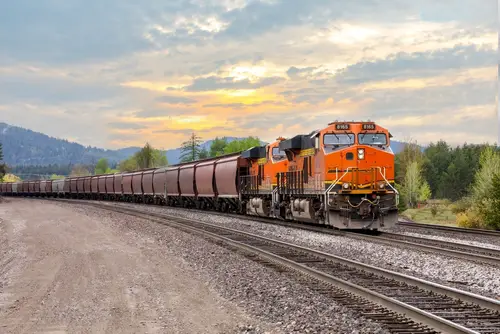
Whitefish used to be a small town near Glacier National Park. Locals set the tone year-round. Winter felt quiet and community-focused. Tourism peaked briefly and then faded.
Glacier’s rising popularity transformed Whitefish. Summer crowds now linger well into fall. Housing prices rose alongside visitor numbers. The town feels seasonal rather than stable.
15. Key West, Florida
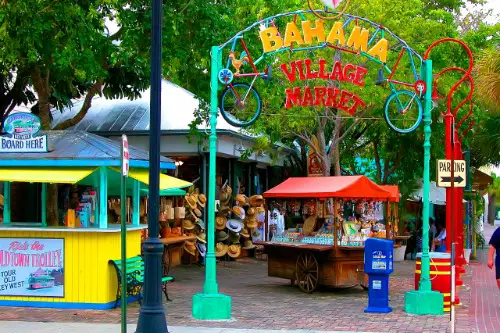
Key West once balanced eccentric local culture with relaxed tourism. Duval Street felt lively but manageable. Locals still shaped the island’s identity. The pace felt slow despite the party reputation.
Cruise tourism changed that balance. Daytime crowds overwhelm the island’s infrastructure. Local businesses increasingly cater to short visits. The island still charms, but it rarely breathes.
This post These Vacation Spots Were Better Before Everyone Found Them was first published on American Charm.

