
1. Topsfield Fair (Topsfield, Massachusetts)
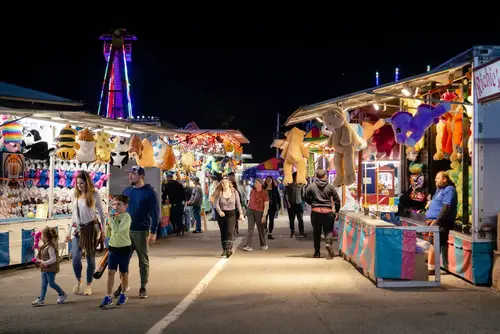
Founded in 1818, the Topsfield Fair calls itself “America’s Oldest County Fair,” and you can tell it wears that age with pride. The barns, exhibition halls, and grandstand all have the same weathered New England charm that’s been part of its identity for generations. There are new rides, sure, but they blend seamlessly with the pie contests, pumpkin weigh-ins, and 4-H shows that define the fair’s character. It’s not about reinvention here — it’s about ritual.
Families plan their fall around the fair, visiting the same cider stand, watching the same ox pulls, and reliving the same cozy scenes. The smell of kettle corn and hay hits you before you even see the gates, and suddenly you’re part of something timeless. The fair’s stubborn commitment to tradition is what makes it magical. If it ever “updated,” it wouldn’t be the Topsfield Fair anymore.
2. Neshoba County Fair (Philadelphia, Mississippi)
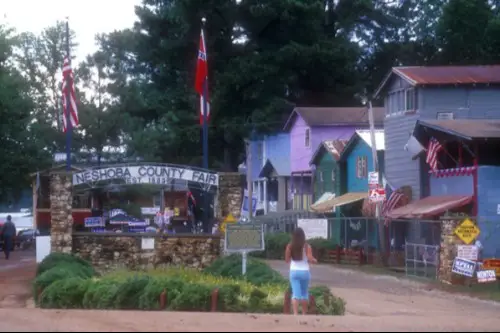
Known as “Mississippi’s Giant House Party,” the Neshoba County Fair has been running since 1889 — and it still feels like you’ve stepped into another era. Families stay in brightly painted wooden cabins around the racetrack, just like their grandparents did, and the same horse races and gospel singalongs fill the summer air. It’s one of the few fairs where political speeches are still a centerpiece, echoing through the same wooden grandstands year after year. Everything from the dirt paths to the homemade lemonade stands seems untouched by time, and that’s exactly why people love it.
Visitors don’t come here for modern thrills; they come to slow down. Kids race bikes through the cabins while old-timers swap stories on porches with box fans humming in the background. You’ll see the same lemonade stand your parents visited, probably run by the same family. It’s the kind of fair that reminds you why “the good old days” still have a place in the present.
3. Dutchess County Fair (Rhinebeck, New York)
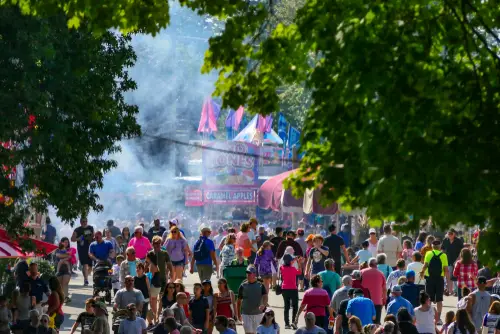
The Dutchess County Fair started in 1842, and it’s still held on a fairground that feels frozen somewhere between the 1950s and 1970s. The white barns, handmade quilts, and prize-winning vegetables all have that comforting small-town feel. This is where Hudson Valley families come to see animals, eat maple sugar candy, and browse antique tractors that still sputter to life. It’s big, but it still feels deeply local.
There’s a sweetness to how little changes from year to year. You’ll hear the same band playing polka in the same tent, smell the same fried dough drifting over the crowd, and see the same ribbons on display. Even the announcers sound like they’ve been there forever. For many families, it’s less an event and more a pilgrimage.
4. Canfield Fair (Canfield, Ohio)
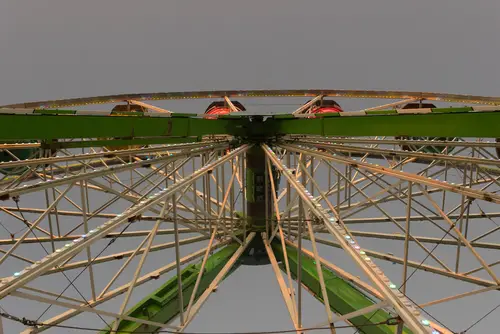
The Canfield Fair has been running since 1847, and it’s proudly the largest county fair in Ohio. Despite the size — more than 350,000 visitors — it still feels surprisingly homespun. The livestock barns, antique tractor parades, and giant pumpkin contests haven’t changed much in decades. You can almost imagine the same fairgoers strolling these paths in bell bottoms.
It’s a fair where nostalgia doesn’t feel manufactured — it’s just there in the dust, the laughter, and the scent of sausage sandwiches. Many families have been showing animals here for generations, often in the same barns their grandparents used. The rhythm of the fair never really changes, and that’s why people keep coming back. It’s not just a county fair; it’s a living scrapbook of Ohio summers.
5. Elkhart County 4-H Fair (Goshen, Indiana)
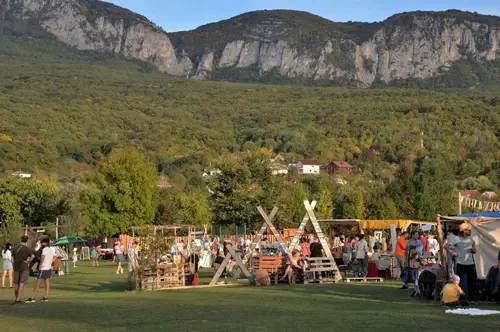
Since 1851, this fair has been an Indiana summer staple, and it’s one of the few that’s stayed true to its agricultural roots. The barns are still filled with 4-H kids proudly showing goats, quilts, and homemade cookies. Even the midway feels old-fashioned, with Ferris wheels and tilt-a-whirls that look like they’ve been here since the Nixon years. Everything about it says “family tradition.”
The fair isn’t trying to be flashy — it’s trying to be familiar. Grandparents bring their grandkids to the same barns they showed animals in decades ago. Locals still line up for lemon shake-ups and pork tenderloin sandwiches, just like they always have. It’s not nostalgia by design; it’s nostalgia by nature.
6. Tillamook County Fair (Tillamook, Oregon)
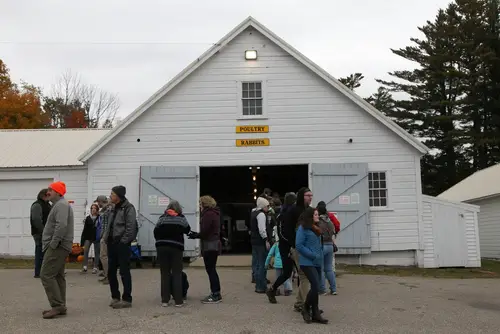
The Tillamook County Fair is best known for its utterly bizarre and beloved “Pig-N-Ford” races — a tradition dating back to the 1920s that still runs every summer. Contestants drive old Model T Fords while holding a live pig under one arm, and no one even thinks to modernize it. The wooden grandstands and old loudspeakers only add to the retro charm. It’s the kind of fun that shouldn’t make sense in the 2020s, but somehow does.
The fairgrounds themselves look like a snapshot of rural Oregon history — humble, honest, and a little dusty. Locals compete in homemade jam contests and quilting displays that feel like they’ve been going on forever. You don’t need a new app to enjoy this fair; you just need a sense of humor and maybe some earplugs for the tractor pulls. It’s proudly unpolished, and that’s why it works.
7. Lycoming County Fair (Hughesville, Pennsylvania)
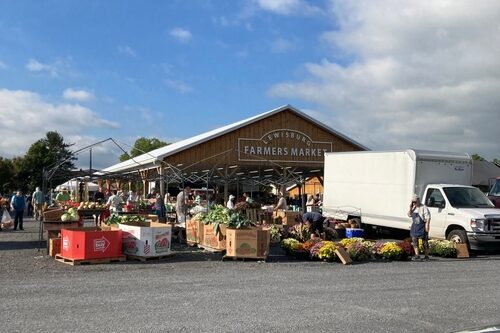
Since 1870, the Lycoming County Fair has stuck to the formula that works: livestock shows, demolition derbies, and a midway that looks straight out of a 1970s postcard. The same grandstand and wooden bleachers host everything from rodeos to tractor pulls, and nobody’s asking for digital screens. The local 4-H barns buzz with the same excitement year after year. It’s comfort food for the soul — with funnel cake.
What makes it special is how little it tries to impress you. There’s no flash, no rebranding, no reinvention — just the rhythm of another summer fair done the same old way. The smell of popcorn and gasoline mix perfectly in the humid Pennsylvania air. It’s a place that proves staying the same can be the best kind of progress.
8. Humboldt County Fair (Ferndale, California)
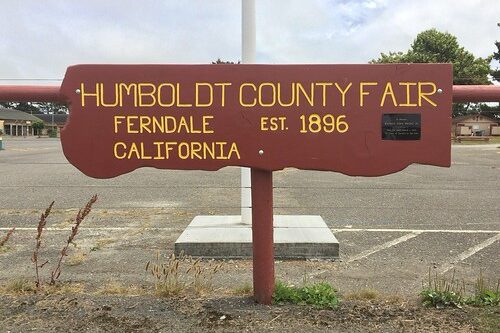
Held since 1896 in the Victorian village of Ferndale, the Humboldt County Fair looks like something out of a Norman Rockwell painting. The racetrack, the vintage signage, and the rows of homemade pies could all pass for 1955 without much imagination. It’s one of the rare fairs in California where the horses still run on dirt instead of screens and lights. You’ll feel the nostalgia before you even reach the ticket gate.
Ferndale itself adds to the magic — with gingerbread-style houses and a sense that everyone knows everyone else. The fairgrounds sit right against the redwoods, and the blend of nature and nostalgia makes it unique. People come for the races, but they stay for the feeling that time stopped here. It’s the kind of fair where modernity politely waits outside the gate.
9. El Dorado County Fair (Placerville, California)
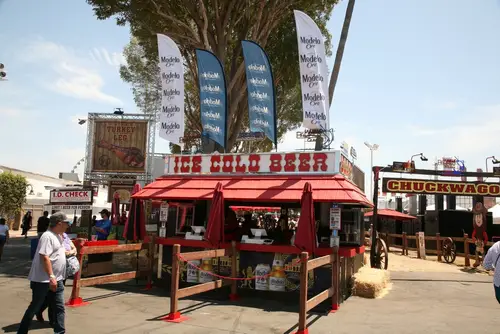
This fair started in 1859 and still runs every Father’s Day weekend, serving up events that sound like they came from a vintage storybook: wheelbarrow races, pie contests, and mutton bustin’. Even the signage and decorations feel old-school — all primary colors and hand-painted letters. There’s no attempt to turn it into a “festival” or a “destination experience.” It’s just a fair, in the best possible sense.
You’ll find locals competing for blue ribbons in jam-making and woodcraft, not influencer-friendly photo ops. Kids still ride ponies while parents play ring toss and listen to cover bands on the same worn stage. It’s exactly the kind of familiar chaos that defines a real county fair. For anyone craving a dose of old-fashioned Americana, this one delivers.
10. State Fair of Texas (Dallas, Texas)
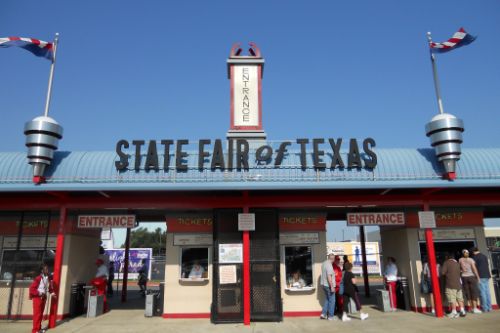
It may be massive, but the State Fair of Texas still clings to its nostalgic roots, especially around Big Tex — the 55-foot cowboy who greets visitors just like he did in 1952. The fairgrounds still feature the same Art Deco buildings from the 1936 Texas Centennial, and the fried-food booths look as if they’ve been here since the Carter years. Even with the scale, it feels timeless. You can still find livestock shows and pig races right next to the ferris wheel.
Generations of Texans mark the fair as an annual ritual, not an attraction. Families take the same photos with Big Tex, ride the same ferris wheel, and eat the same Fletcher’s corny dogs year after year. It’s not that it can’t change — it just doesn’t need to. The fair’s secret is that everyone wants it to stay exactly as it is.
11. Iowa State Fair (Des Moines, Iowa)
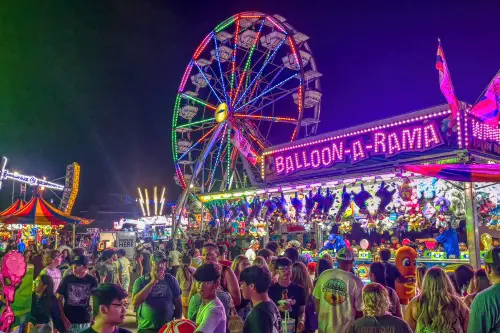
The Iowa State Fair may be famous for butter sculptures and giant corn dogs, but what really makes it special is how little it’s changed in spirit since the mid-20th century. It still celebrates farm life, craftsmanship, and everything that’s good about Midwest summers. You can see the same hog contests, the same quilt displays, and even the same Sky Glider ride floating over the fairgrounds. It’s not trying to keep up with trends — it’s setting its own.
For Iowans, this isn’t just a fair; it’s part of the calendar. Generations mark their years by it, comparing blue ribbons or remembering the same music acts. The mix of agriculture, fried food, and family pride feels deeply nostalgic. It’s modern enough to function, but emotionally, it’s pure 1973.
12. Minnesota State Fair (St. Paul, Minnesota)
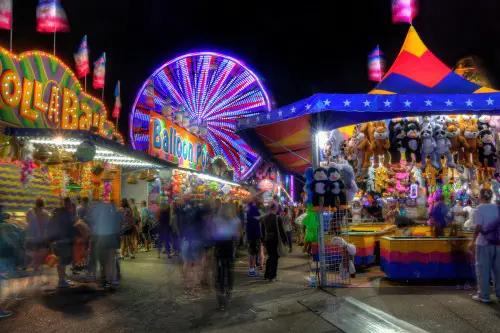
This one’s so beloved it’s simply called “The Great Minnesota Get-Together.” Though it’s huge, the fair somehow feels like it’s been exactly the same for decades — right down to the wooden benches, the livestock barns, and the butter sculptures that look exactly like they did when your parents were kids. It’s the kind of place where time moves slower, even when the crowds don’t. You don’t go to see what’s new — you go to see what’s still there.
From the Pronto Pups to the dairy barn, everything about the Minnesota State Fair hums with tradition. You’ll see families tracing the same walking routes they’ve used for generations, from the midway to the seed art displays. There’s comfort in that predictability — a rhythm that doesn’t break. And that’s why people never stop coming back.
This post 12 County Fairs That Haven’t Updated Since 1973—and That’s the Charm was first published on American Charm.

