
1. Carpentry
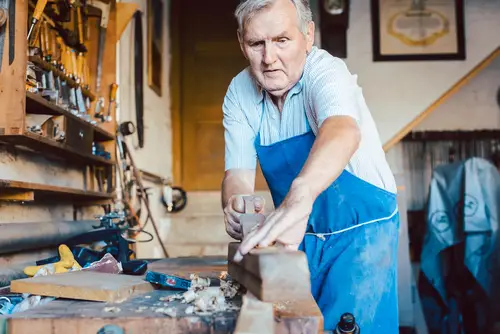
Carpenters quite literally built America—from colonial homes to the transcontinental railroad. Woodworking was a trade passed from father to son, with apprentices learning by watching and doing. Now, anyone with an internet connection can learn joinery, framing, or furniture design on YouTube. Channels like “The Wood Whisperer” have replaced dusty workshops with digital classrooms.
Carpentry’s digital rebirth keeps traditional craftsmanship alive while adapting it to modern design. Viewers learn how to use both hand tools and power saws safely, and how to create pieces that last. It’s a trade that built early towns, and now it’s helping people build confidence and income from home workshops. In a way, it’s the same story—just with better lighting and a comment section.
2. Blacksmithing
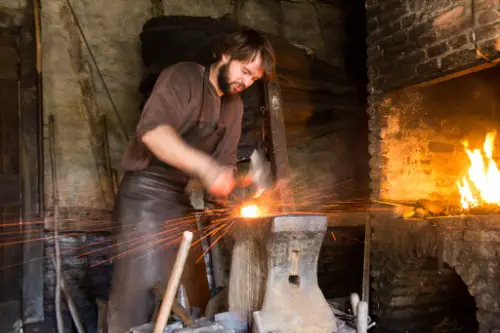
Before factories and machines took over, blacksmiths were the heartbeat of every American town. They forged everything from horseshoes to wagon parts and even the first iron tools that helped settle the frontier. Today, you can find countless blacksmithing tutorials on YouTube—everything from basic hammer control to forging Damascus steel. Modern makers are reviving the trade not just as a hobby, but as a connection to craftsmanship that built early America.
Blacksmithing disappeared as industrial manufacturing rose in the late 19th century, but the skill never truly died. YouTube creators like Alec Steele have brought it roaring back, showing millions how to heat, shape, and temper metal in backyard forges. Viewers can learn the same techniques that once supplied pioneers with tools for survival. It’s history reborn through sparks, sweat, and a high-definition camera.
3. Masonry
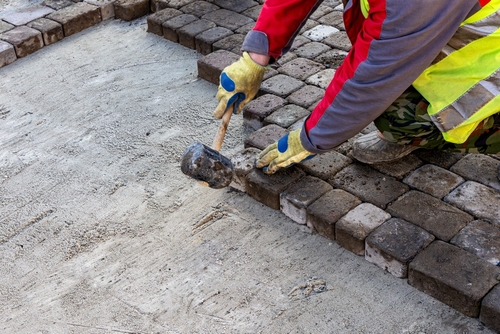
From the bricks of Boston to the stone bridges of Pennsylvania, masons built the infrastructure of a growing nation. Laying brick and stone was once an art learned on job sites through years of labor. These days, YouTube offers tutorials on everything from mixing mortar to building retaining walls. It’s not uncommon to see millions of views on videos that explain how to lay a perfect corner brick.
While the demand for masons has shrunk, the skill itself hasn’t lost value. Online creators now teach old techniques that used to require union apprenticeships. People restoring old homes or creating DIY patios are rediscovering how much craftsmanship matters. It’s practical, creative, and deeply tied to America’s foundations—literally.
4. Leatherworking
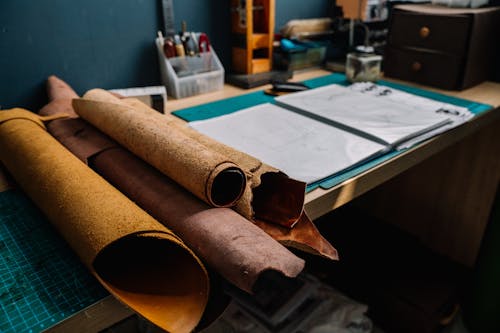
Once upon a time, every saddle, pair of boots, and belt was handmade by a local leatherworker. Cowboys, soldiers, and everyday citizens all relied on their craftsmanship. Today, the tradition continues online, with creators like “Dieselpunk.ro” showing step-by-step guides to cutting, stitching, and tooling leather. Viewers get to see how a simple hide becomes something beautiful and durable.
Leatherworking connects people to a tactile past in a digital age. It’s patient, detailed work—one wrong cut can ruin a project. Yet that’s exactly what draws so many back to it: the satisfaction of mastering a demanding craft. YouTube has turned the old leather shop into a global classroom where old-world artisanship meets 4K resolution.
5. Shipbuilding

The great shipyards of New England once built the vessels that carried goods, immigrants, and ideas across the Atlantic. Shipbuilding was an immensely technical trade, blending carpentry, engineering, and teamwork. While few Americans build full-size ships today, countless YouTube channels teach model shipbuilding and small-boat construction. From plywood kayaks to wooden sailboats, the spirit of the old shipwrights still sails on.
These modern tutorials preserve not just techniques, but a sense of adventure. They remind viewers that America’s early growth depended on the sea and those who could craft vessels strong enough to cross it. Builders follow plans once shared only in maritime apprenticeships, now freely available online. In a way, YouTube has become the world’s biggest dockyard.
6. Glassblowing
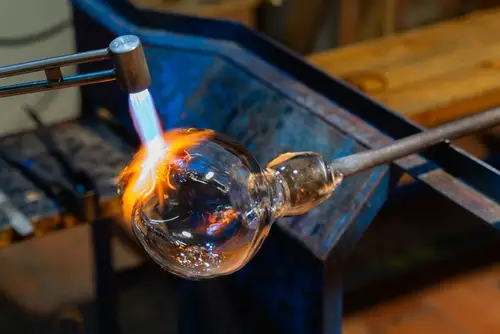
Glassblowers helped build the homes and cities of America, crafting windows, bottles, and lamps long before factories automated the process. The trade once required access to specialized furnaces and mentors. Now, YouTube channels like “Revere Glass School” and “Eben Horton” reveal the mesmerizing process to anyone curious enough to learn. Watching molten glass spin and stretch is part art lesson, part history.
Glassblowing’s complexity kept it rare, but online videos have demystified it. Students can learn techniques once locked inside guilds—like shaping marbles, ornaments, or pipes. Though not everyone can build a home furnace, these tutorials inspire respect for the physics and creativity behind the craft. It’s a fiery art that helped light early America, now kept alive through digital flames.
7. Millwrighting
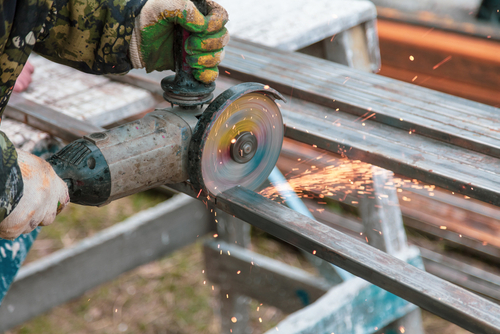
Millwrights built and maintained the mills that powered early industry—sawing timber, grinding grain, and driving water wheels. It was a mix of carpentry, mechanics, and math, all essential to the first factories. While few mills remain, YouTube videos on water wheel restoration and mechanical systems keep the knowledge alive. Modern DIY engineers love rediscovering how these early machines worked.
Learning from these tutorials connects viewers to America’s first industrial revolution. The same precision that built wooden gears and water-powered belts now helps makers design 3D-printed prototypes. Millwrighting is a forgotten trade, but its spirit of ingenuity still runs strong. Thanks to online educators, that legacy spins on—literally and figuratively.
8. Printmaking

Before the digital age, printmakers powered the spread of ideas—creating newspapers, books, and political pamphlets that shaped the nation. Setting type by hand and operating letterpresses required patience and skill. Now, YouTube has revived interest in printmaking through tutorials on linocuts, screen printing, and even antique presses. It’s tactile storytelling in an era of touchscreens.
The printmaker’s trade built the foundation of American literacy and democracy. Online, artists are rediscovering how powerful it feels to make words physical again. Many creators teach not just technique but the philosophy of printing as communication. It’s proof that the tools of revolution can fit on a workbench—and be filmed in 1080p.
9. Tailoring
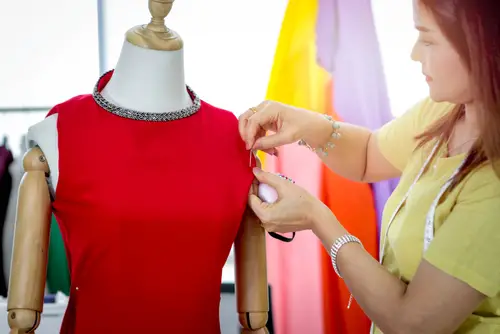
Before department stores, tailors shaped the way America dressed—fitting soldiers, merchants, and townsfolk alike. Every stitch carried the precision of years of apprenticeship. Now, sewing and tailoring tutorials on YouTube range from hemming jeans to crafting full suits. Channels like “Made to Sew” keep the tradition thriving among millions of hobbyists.
Tailoring may seem old-fashioned, but it’s a trade that never truly vanished. The DIY fashion movement and slow-fashion ethics have brought sewing back to the forefront. Viewers learn to value fit, form, and fabric—skills that once defined the tailor’s craft. In every stitch on screen, you can trace the thread back to early American workshops.
10. Stonemasonry
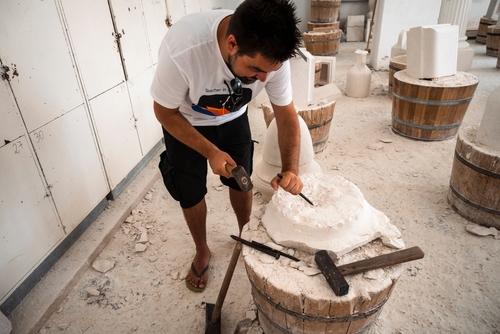
America’s earliest monuments and courthouses were built by skilled stonemasons. They cut and placed granite, limestone, and marble with precision that modern tools still struggle to match. Today, channels like “The Stone Trust” teach the same principles behind dry stone walls and restorations. Watching these builders stack rock by hand is oddly meditative—and deeply traditional.
This trade shaped more than landscapes; it shaped communities. Many of the same methods are still used in national park maintenance and historic preservation. YouTube’s tutorials preserve techniques that might otherwise disappear. It’s rugged, honest work that once built cities—and now builds digital appreciation.
11. Silversmithing
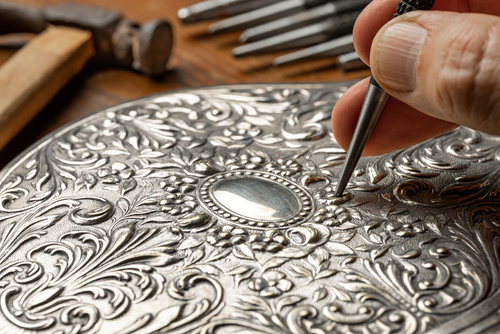
In colonial America, silversmiths crafted everything from spoons to fine jewelry, and even Paul Revere started as one. They worked in small workshops, hammering and engraving by hand. On YouTube, modern silversmiths show how to solder, polish, and shape metal into art. The tools are smaller now, but the attention to detail remains the same.
Silversmithing’s blend of artistry and practicality makes it a timeless trade. Online learners can start small—melting scrap silver or designing rings—and build real-world skills. The craft once symbolized prosperity; today, it represents patience and creativity. It’s proof that craftsmanship still shines, even through a screen.
12. Cobbling
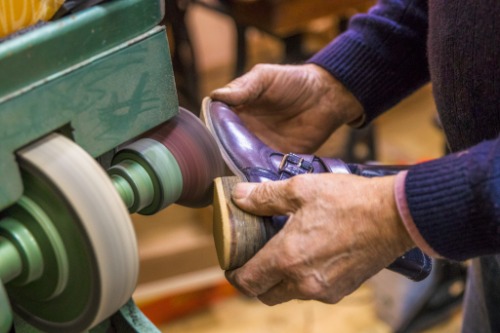
Shoemakers once kept every American walking, literally. Cobblers crafted and repaired boots for miners, soldiers, and townsfolk long before mass production. Now, YouTube cobblers like “The Elegant Oxford” teach the lost art of resoling and hand-polishing. Watching a worn-out shoe return to life is surprisingly satisfying.
Cobbling thrives online because it appeals to sustainability-minded viewers. Repairing instead of replacing feels both practical and nostalgic. Tutorials teach the same techniques once passed down in small-town shops. It’s a trade that built character—and still does, one pair of shoes at a time.
13. Gunsmithing
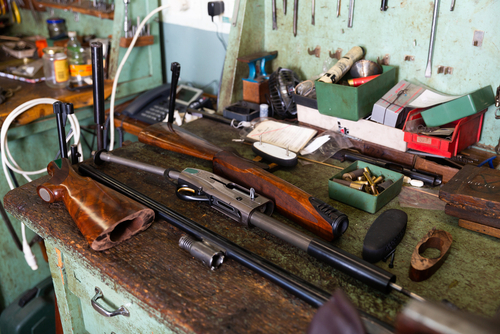
Gunsmiths played a major role in America’s early defense and frontier life. They built and maintained muskets, rifles, and pistols, often customizing them for accuracy and reliability. Today, while firearm regulations vary, educational YouTube channels demonstrate safe disassembly, cleaning, and historical restoration. The emphasis is on craftsmanship, not weaponry.
This trade is part of American heritage—half engineering, half artistry. Watching a gunsmith restore a Revolutionary War musket feels like touching history. The digital era allows enthusiasts to preserve antique pieces responsibly. It’s a delicate craft rooted in precision and respect for history.
14. Weaving
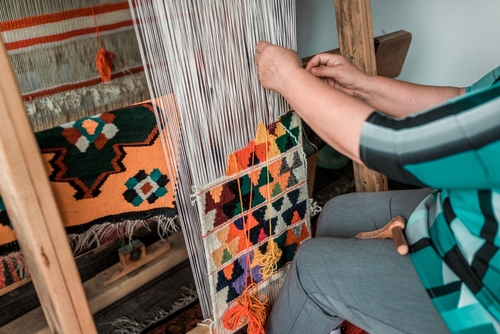
Before mass textile production, weaving provided everything from clothing to sails. Early American homes often had looms, and entire communities depended on skilled weavers. Now, YouTube videos teach how to warp looms, dye fibers, and create patterns passed down for centuries. It’s art, history, and meditation woven together.
Modern weavers use tutorials to blend old techniques with new designs. What was once a survival skill has become a form of creative expression. Watching threads come together on screen mirrors how the trade itself connects generations. It’s proof that some patterns never go out of style.
15. Cooperage
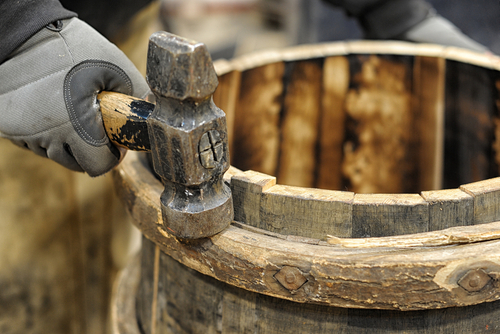
Coopers made the barrels that stored everything—whiskey, nails, flour, even gunpowder. The trade required precise woodworking to make watertight containers without glue or nails. While few practice it today, YouTube tutorials reveal the painstaking process behind each stave and hoop. Seeing a barrel come together reminds viewers how much skill went into everyday life.
Cooperage was vital to early commerce and shipping, yet it nearly vanished with modern packaging. Online, it’s making a quiet comeback among history buffs and brewers. Learning to build a barrel by hand connects people to America’s merchant past. It’s a reminder that even the simplest container can hold a nation’s story.
This post 15 Trades That Used to Build America—and Are Now Taught on YouTube was first published on American Charm.

