
1. Owning a Home with a Single Income

There was a time when a single breadwinner could buy a comfortable suburban home, often before turning 30. In the post–World War II era, low-cost mortgages and a booming job market made homeownership seem almost automatic. Families could live on one salary, usually the father’s, and still afford a new house, a car, and a vacation. Today, even dual-income households struggle with record home prices and stagnant wage growth.
The median home price in the 1950s was around twice the average annual income; now it’s closer to six or seven times. Housing shortages, zoning laws, and investment speculation have only made things worse. Millennials and Gen Zers are renting longer than any generation before them. The “starter home” dream has turned into a long-term rental reality.
2. Working One Job for Life
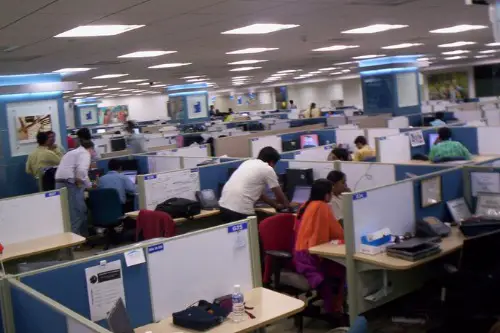
Baby Boomers could often join a company right out of high school or college and stay there until retirement. Pension plans, union protection, and employer loyalty made job-hopping unnecessary. Staying put wasn’t just safe—it was respected. But today’s job market rewards mobility, not longevity.
Modern workers switch jobs every few years to chase better pay or escape layoffs. Pension plans have largely been replaced by 401(k)s that shift the risk to employees. The idea of a “career ladder” has given way to a “career jungle gym,” full of sideways moves and reinvention. The one-job-for-life dream has officially retired.
3. Affordable College Equals Upward Mobility

In the 1960s and ’70s, college tuition was low enough that students could pay their way with part-time jobs. A degree practically guaranteed a middle-class income. Public universities were heavily subsidized, and student loans were manageable. Education truly felt like an investment that paid off quickly.
Now, tuition costs have skyrocketed far beyond wage growth, leaving graduates with record-breaking debt. A bachelor’s degree is often just the minimum requirement, not a ticket to prosperity. Many Gen Z students face decades of repayment before getting ahead. The American dream of “study hard, succeed easily” just doesn’t balance out anymore.
4. The White Picket Fence Suburb

After World War II, mass-produced suburban developments like Levittown promised affordable, idyllic living for young families. The suburbs symbolized safety, community, and the good life. People could commute to city jobs and still enjoy big yards and quiet streets. It was the perfect blend of freedom and stability—if you were white and middle-class.
Today, sprawl, traffic, and housing costs have turned that dream into something more stressful than serene. Suburbs are no longer affordable for many young families, and they often lack public transportation and job access. Diverse urban centers are now the new “dream spots.” The old suburban dream feels more like nostalgia than reality.
5. Retiring Comfortably on Social Security and a Pension

For the Silent Generation, retirement security was baked into the system. Social Security, combined with employer pensions, could cover most expenses. People actually expected to live comfortably without side hustles or investment portfolios. The golden years really felt golden.
Fast forward, and pensions have become rare outside of government jobs. Social Security’s long-term solvency is uncertain, and inflation eats into fixed incomes. Retirees now depend on 401(k)s that rise and fall with the stock market. Retirement has become something you save for endlessly, not something you simply arrive at.
6. A Family Vacation Every Year

In the mid-20th century, even modest-income families could take a yearly road trip or visit Disneyland without breaking the bank. Gas was cheap, hotels were affordable, and time off was plentiful. Family vacations were part of the rhythm of life, not a rare luxury. Packing up the station wagon was a ritual of the American middle class.
Now, vacation costs—flights, accommodations, theme park tickets—have soared faster than wages. Many workers don’t even use their limited paid time off, fearing job insecurity. Family trips are often replaced by staycations or weekend getaways. The annual road trip has become a nostalgic fantasy.
7. The Self-Made Small Business Owner

In the 1950s and ’60s, starting a small business was both feasible and respected. Local shops, diners, and repair services thrived in tight-knit communities. Bank loans were accessible, and there wasn’t as much competition from national chains. You could genuinely build something from scratch and support a family.
Today, big-box stores and online giants like Amazon have squeezed out many independents. Startups face massive overhead costs, digital marketing hurdles, and unpredictable markets. Even with crowdfunding and social media, survival rates are grim. The “mom-and-pop” dream now fights to stay alive in a corporate economy.
8. The Affordable New Car

Owning a shiny new car every few years used to be part of middle-class identity. Dealerships offered low financing, and maintenance was simple enough to do at home. Gas was cheap, insurance minimal, and cars were built to last. The driveway was a symbol of pride, not debt.
Now, the average new car costs over $47,000, and loan terms stretch six or seven years. Maintenance requires specialized tools, and insurance premiums keep climbing. Electric vehicle incentives haven’t yet closed the affordability gap. A new car has shifted from a norm to a luxury.
9. Climbing the Corporate Ladder

Corporate America once promised steady promotions to those who worked hard and played by the rules. Raises and titles came with time and loyalty. Middle management offered stability and respect. There was a clear, visible path upward.
Today, corporations flatten their structures and outsource work, leaving fewer rungs to climb. Raises often lag behind inflation, and middle managers face burnout and layoffs. Office politics replaced job security as the main currency. The ladder has turned into more of a treadmill.
10. Health Insurance Through Your Employer

In the mid-century era, employer-provided health coverage was a solid safety net. Companies used it as a perk to attract loyal workers, and premiums were low. It made families feel protected and secure. Getting sick didn’t mean going broke.
Now, premiums and deductibles have exploded, while coverage shrinks. Even full-time workers face medical debt, and job changes can mean coverage lapses. The link between employment and healthcare has become a source of stress, not stability. What once was a benefit now feels like a burden.
11. Sending Kids to College Without Debt

For Boomers, sending a child to college was tough but doable on a middle-class salary. Savings accounts, small scholarships, and part-time jobs covered most costs. Parents could genuinely “save for college” without mortgaging their futures. It was considered part of good parenting, not a financial gamble.
Today, tuition inflation makes that nearly impossible. Many parents co-sign massive student loans or delay retirement to help. Some simply can’t afford to contribute at all. The dream of paying for your kids’ education has gone from common to rare.
12. Owning a Vacation Home
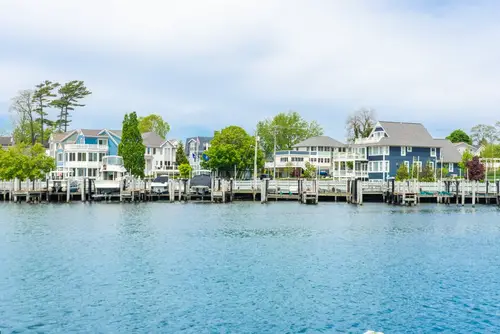
In the 1970s and ’80s, middle-class families could sometimes swing a second home at the lake or in the mountains. Property values were lower, and interest rates made it feasible. It was a sign that you’d “made it” without being ultra-rich. You could literally buy your own escape.
Now, second homes are often snapped up by investors and short-term rental companies. Prices in resort areas have skyrocketed beyond reach for most people. Maintenance, taxes, and regulations make ownership impractical. The dream cottage is now a line item in someone else’s Airbnb portfolio.
13. Raising Kids on One Income
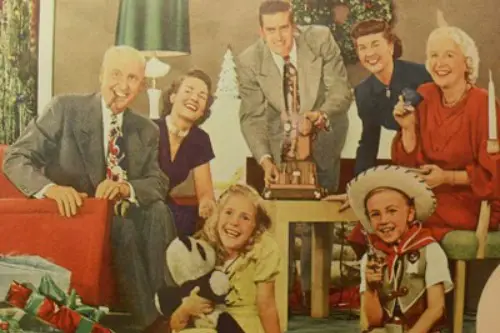
For decades, one parent—usually the mother—could stay home without the family slipping into poverty. It was a reflection of affordability and societal expectation. One paycheck could cover food, housing, education, and savings. Childcare wasn’t a line item—it was the family itself.
Today, dual incomes are practically mandatory to keep up with expenses. Childcare costs rival college tuition, and inflation keeps eating at take-home pay. Stay-at-home parenting has become a privilege, not a choice. The single-income household is now a relic of another era.
14. Believing Each Generation Will Have It Better

For most of the 20th century, every generation could expect to out-earn and outlive the one before it. It was the core promise of the American Dream. Progress felt inevitable—bigger homes, better jobs, longer lives. Parents worked hard, confident their kids would have it easier.
Now, younger generations face economic stagnation, climate anxiety, and record debt. Upward mobility has slowed, and life expectancy has plateaued. The optimism that powered the dream has dimmed into realism. The torch of “better days ahead” is flickering—but not yet out.
This post 14 American Dreams That Only Worked for One Generation was first published on American Charm.

