
1. Smiling at Strangers

For many tourists, one of the first things they notice in the U.S. is how often Americans smile at people they don’t know. In some cultures, smiling at strangers can seem flirtatious or insincere, but in America, it’s just a friendly acknowledgment. It’s part of a social norm that values openness and approachability. Tourists often find themselves smiling back just to blend in, even if they’re not entirely sure why.
This habit is rooted in the American emphasis on individualism and positivity. A casual smile says, “I see you, and I mean no harm.” It’s a small act that helps grease the wheels of daily interactions, especially in big cities where people bump into each other constantly. For visitors from more reserved cultures, though, it can feel oddly personal or overly cheerful.
2. Making Small Talk with Strangers

Americans love small talk — in elevators, checkout lines, even while waiting for the light to change. To tourists from countries where silence is the norm in public, this can feel baffling or even intrusive. Asking about the weather or complimenting someone’s shirt isn’t necessarily an invitation to become friends. It’s simply a way to be polite and fill social space with warmth.
Small talk is deeply tied to American culture’s focus on friendliness and ease. It helps strangers navigate brief interactions without awkwardness. Even service workers are trained to engage customers in light conversation to make experiences more personal. Tourists often find this refreshing — or exhausting — depending on their own comfort levels with chit-chat.
3. Ordering Drinks with Lots of Ice

Tourists are often stunned by just how much ice Americans put in their drinks. In much of the world, beverages are served cool but not ice-cold. In the U.S., however, a glass full of ice is a sign that you’re getting your money’s worth. Americans associate cold drinks with freshness and indulgence, especially in restaurants and fast food spots.
This obsession dates back to the rise of refrigeration and the ice trade in the 19th century. Cold beverages became a symbol of modern comfort and hygiene. For visitors used to sipping room-temperature soda or wine, American drinks can seem teeth-chatteringly frigid. Some even joke that they get more ice than actual liquid.
4. Constantly Refilling Drinks
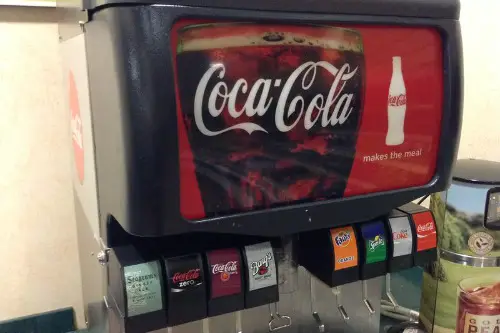
Free refills are practically sacred in the United States, but they’re far from universal elsewhere. Tourists often can’t believe servers keep topping off soda or coffee without an extra charge. In many other countries, you pay for each drink separately, and that’s just the norm. The American approach feels generous — and sometimes a bit over the top.
This tradition grew from the American restaurant industry’s focus on hospitality and abundance. More refills equal happier customers who linger longer. For foreigners, though, it can be confusing — they may not realize refills are complimentary and feel awkward declining them. It’s one of those small cultural quirks that says a lot about how Americans view service.
5. Wearing Workout Clothes Everywhere

Visitors are often amazed by how many Americans wear yoga pants, sneakers, or gym shorts in non-gym settings. For many locals, “athleisure” is a lifestyle, not just a look. It reflects the country’s casual fashion culture and emphasis on comfort over formality. Tourists from style-conscious countries sometimes interpret it as sloppy or strange.
This trend took off in the 2010s with brands like Lululemon and Nike marketing athletic wear as everyday attire. Americans embraced the freedom of not having to change between workouts, errands, and brunch. It also reflects a broader cultural focus on health and efficiency. For outsiders, though, seeing someone grocery shopping in spandex can still be a surprise.
6. Talking Loudly in Public

If you’ve ever been abroad and spotted a loud conversation across a plaza, chances are it was an American group. Tourists often point out that Americans seem unaware of how far their voices carry. This isn’t usually arrogance — it’s cultural comfort with self-expression. Americans are taught that being heard matters, so they project confidence, even in casual talk.
In many countries, speaking loudly in public is considered rude or disruptive. But in the U.S., loudness can signal enthusiasm, friendliness, or openness. Public spaces are often noisy anyway — think restaurants, stadiums, or malls — so people naturally raise their voices. To outsiders, though, it can come across as brash or inconsiderate.
7. Public Displays of Enthusiasm

Americans aren’t shy about cheering loudly, clapping in theaters, or high-fiving after small wins. For tourists from more reserved cultures, this can feel like a spectacle. Whether it’s a sports event or a graduation, emotion in public is often celebrated rather than suppressed. Expressiveness is seen as genuine and relatable, not embarrassing.
This stems from a national identity built on optimism and individuality. Showing excitement is a way of participating fully in the moment. In countries where emotional restraint is the norm, American exuberance can seem exaggerated. Still, many visitors admit that it’s infectious once they get used to it.
8. Carrying Coffee Everywhere

From morning commutes to casual walks, Americans love taking their coffee to-go. Tourists often find it funny that people rarely sit down to enjoy it — they just keep moving. In much of Europe, coffee is a social experience, sipped slowly in a café. In the U.S., it’s fuel for productivity and motion.
This habit reflects America’s “on-the-go” culture, where convenience reigns supreme. Drive-thru coffee shops and travel mugs have become cultural staples. To visitors, it’s strange to see people juggling giant iced lattes while walking or driving. But for Americans, it’s just part of staying efficient in a busy day.
9. Tipping Almost Everywhere

Nothing confuses tourists quite like tipping culture in the U.S. From restaurants to barbers to delivery apps, it seems there’s always a prompt to add extra. The confusion isn’t about generosity — it’s about expectations. In many countries, service charges are included, so tipping feels optional rather than required.
In the U.S., however, tipping is ingrained in the service economy, where wages often depend on it. Standard tips hover around 15–20%, and leaving less can be seen as disrespectful. Many foreigners struggle to know when and how much to tip without offending anyone. It’s one of the most common “culture shock” experiences for visitors.
10. Driving Everywhere
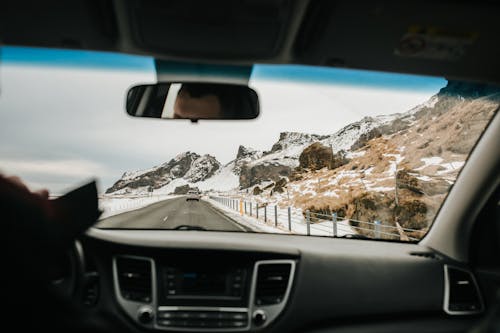
Tourists are often surprised by how little Americans walk compared to other countries. Even in cities, locals often hop in cars for short trips. This stems from decades of car-centric infrastructure and sprawling suburbs. Public transportation exists, but it’s often limited or inconvenient outside major cities.
The American car culture also ties into a sense of freedom and independence. Road trips are practically a national pastime, and driving is seen as part of adulthood. Visitors from countries with compact cities and reliable transit can find it baffling that sidewalks sometimes just… end. To Americans, though, driving is simply second nature.
11. Air-Conditioning Everything

Stepping indoors in the U.S. can feel like entering a refrigerator, especially in summer. Tourists often bring sweaters even in hot weather just to survive the indoor chill. Americans prize climate control as a mark of comfort and modernity. But for visitors, it can seem excessive — and environmentally puzzling.
The habit dates back to postwar technological optimism, when air conditioning became a symbol of progress. Malls, offices, and homes were designed to be climate-sealed and perfectly cool. Over time, people simply got used to it. Foreigners often wonder why Americans can’t tolerate a little warmth anymore.
12. Putting Flags Everywhere

From front porches to T-shirts to truck bumpers, the American flag is everywhere. Tourists often find this level of national pride both fascinating and a bit intense. In many countries, flag displays are reserved for official buildings or national holidays. In the U.S., it’s a common expression of identity and belonging.
This patriotic streak stems from America’s founding ideals and history of immigration. Flying the flag is a way for people from diverse backgrounds to share a common symbol. Some visitors interpret it as overly nationalistic, while others find it admirable. Either way, it’s one of the most visible signs that you’re in the United States.
This post 12 Things Americans Do in Public That Leave Tourists Baffled was first published on American Charm.

