
1. Nashville, Tennessee
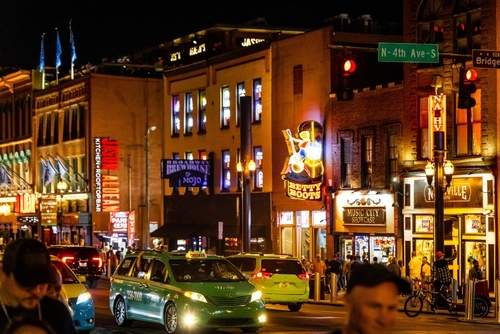
Nashville used to revolve around songwriters’ rounds, dive bars, and recording studios that felt tucked away from the mainstream. Over the past decade, explosive population growth and tourism have transformed downtown into a neon-lit party corridor. Broadway is now lined with multi-story bars owned by celebrities and national investors. The honky-tonk spirit is still there, but it’s increasingly packaged for weekend bachelorette crowds.
The city’s skyline has also changed dramatically with high-rise hotels and luxury condos. Longtime residents have been priced out of neighborhoods once central to the music scene. As property values soared, smaller venues struggled to compete with corporate-backed spaces. The result feels less like a working music town and more like a themed entertainment district.
2. Times Square, New York City
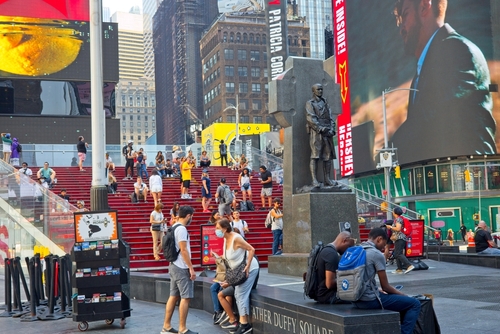
There was a time when Times Square felt gritty, chaotic, and undeniably local, packed with independent theaters, peep shows, and mom-and-pop shops. Beginning in the 1990s, a coordinated redevelopment effort pushed out much of that seedier edge. Large corporate tenants replaced smaller businesses, and national chains moved in. Today, it feels more like an open-air mall than a scrappy crossroads of New York culture.
The transformation was intentional and, by many measures, successful in reducing crime and increasing tourism. But that polish came at the cost of unpredictability and local character. LED billboards and costumed mascots dominate what used to be a patchwork of offbeat spaces. It’s safer and shinier, but far less surprising.
3. Aspen, Colorado
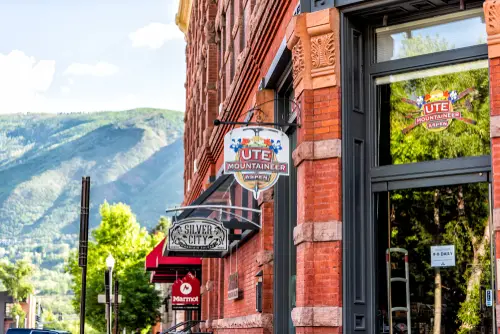
Aspen began as a 19th-century silver mining town before reinventing itself as a ski haven. For decades, it balanced rustic charm with world-class skiing. Today, it’s known as much for ultra-luxury real estate and designer boutiques as for powder days. Median home prices have soared into the multimillion-dollar range, reshaping who can afford to live there.
Local workers often commute from far outside town because housing is scarce and expensive. Independent shops have given way to high-end global brands along the main streets. The cultural scene remains strong, but it’s increasingly geared toward an elite clientele. What once felt like a quirky mountain town now feels more like an alpine showroom for wealth.
4. Key West, Florida
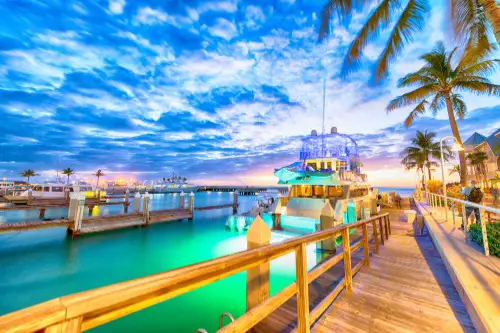
Key West built its reputation on laid-back weirdness and literary history. Artists, writers, and free spirits were drawn to its relative isolation at the southern tip of Florida. Cruise ships and mass tourism, however, have reshaped the rhythm of daily life. On busy days, thousands of passengers flood the compact downtown area.
That influx has driven up prices and shifted storefronts toward souvenir shops and chain-style eateries. Locals often point to rising rents and the difficulty of sustaining small, independent businesses. The island’s offbeat energy hasn’t vanished, but it’s harder to find between margarita bars and T-shirt stands. It feels less like a secret hideaway and more like a scheduled port of call.
5. New Orleans, Louisiana
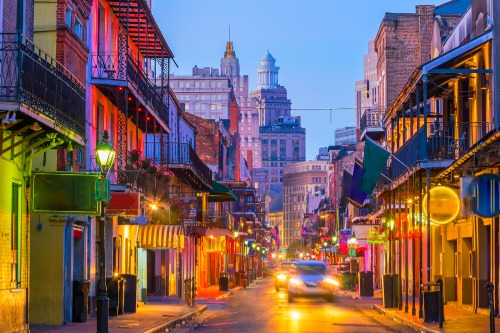
New Orleans has always balanced tourism with a deeply rooted local culture. After Hurricane Katrina in 2005, rebuilding efforts reshaped neighborhoods and accelerated outside investment. Short-term rentals expanded dramatically in the 2010s, especially in historic areas. Many residents argue that housing once available to locals is now geared toward visitors.
Parts of the French Quarter and Marigny can feel more like festival grounds than lived-in communities. Live music remains central, but rising costs have pressured smaller venues and longtime musicians. Chain hotels and upscale developments have multiplied in once-residential zones. The city’s soul is resilient, yet the tension between authenticity and tourism is increasingly visible.
6. San Francisco, California
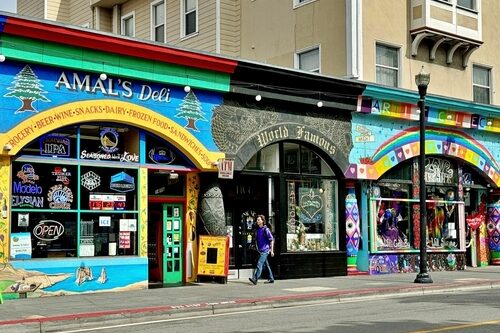
San Francisco’s countercultural identity was shaped by the Beat Generation and the 1960s hippie movement. In the 2010s, the tech boom brought massive wealth and rapid change. Rents and home prices climbed to some of the highest levels in the country. Many artists and longtime residents relocated as affordability declined.
Neighborhoods like the Mission saw waves of new luxury developments. Independent bookstores, music venues, and small restaurants closed or moved. Corporate shuttle buses and tech campuses became symbols of a shifting economy. The city remains innovative, but its bohemian edge has undeniably softened.
7. Las Vegas, Nevada
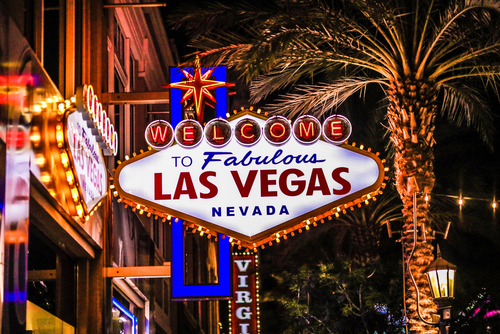
Las Vegas once marketed itself on cheap buffets, low-cost rooms, and free entertainment to lure gamblers. Over time, the business model shifted toward luxury resorts and high-end experiences. Resort fees, parking charges, and premium dining replaced many of the old loss-leader perks. The Strip now caters heavily to upscale travelers and convention crowds.
Mega-resorts dominate the skyline, leaving less room for the smaller, quirky casinos of the past. Family-friendly experiments in the 1990s have given way to curated nightlife and celebrity chef restaurants. The sense of scrappy excess has been polished into corporate spectacle. It still dazzles, but it feels more calculated than chaotic.
8. Portland, Oregon
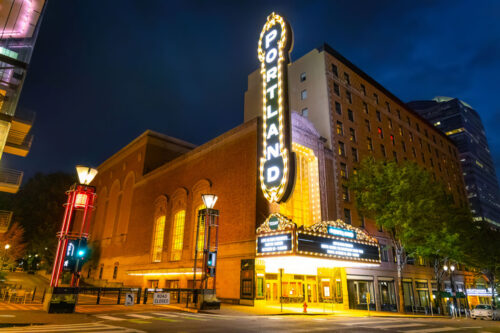
Portland became synonymous with indie culture, food carts, and the slogan “Keep Portland Weird.” In recent years, rapid growth and rising housing costs have reshaped its neighborhoods. Large apartment complexes and national retailers have expanded into formerly offbeat districts. The pandemic also shuttered numerous small businesses that defined its character.
Homogenization isn’t total, but longtime residents often note a shift. Popular streets once lined with unique boutiques now feature more standardized storefronts. As affordability tightens, younger creatives find it harder to settle there. The city’s personality still flickers, yet it feels less effortlessly quirky than it once did.
9. Miami Beach, Florida
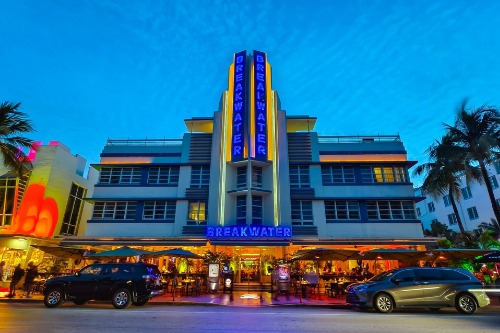
Miami Beach was once known for its Art Deco heritage and relaxed seaside vibe. Large-scale condo development and international investment transformed much of its shoreline. Luxury high-rises now tower over historic districts. Property values have surged, altering the mix of residents and businesses.
Nightlife remains a draw, but it’s increasingly driven by exclusive clubs and high-end hospitality groups. Smaller hotels and family-run spots have struggled to compete. Preservation efforts continue, yet the balance has shifted toward upscale branding. The result feels more curated than carefree.
10. Charleston, South Carolina
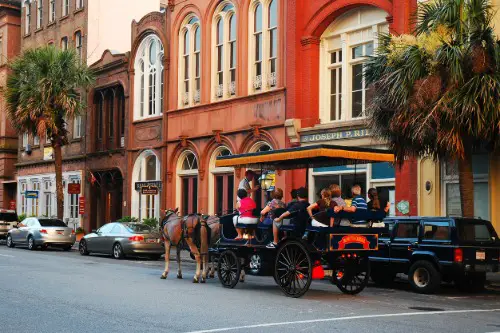
Charleston’s cobblestone streets and historic homes once felt like a living museum with a strong local backbone. Tourism has boomed in the past two decades, fueled by national travel rankings and media attention. Boutique hotels and upscale restaurants have multiplied in the historic district. Real estate prices have climbed steeply as a result.
Short-term rentals have reduced long-term housing supply in some neighborhoods. Chain retail has edged into areas once dominated by local merchants. The city still preserves its architecture carefully, but daily life increasingly revolves around visitor demand. It feels less like a small coastal town and more like a carefully staged postcard.
11. Jackson Hole, Wyoming
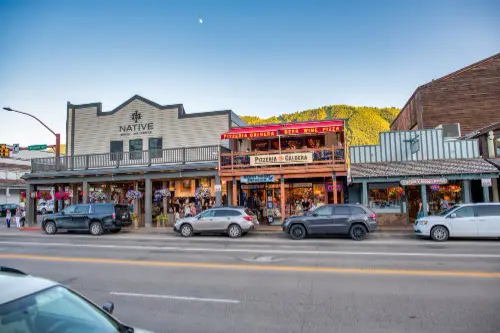
Jackson Hole grew from a ranching community into a gateway for nearby national parks. Outdoor culture remains central, but luxury real estate has reshaped the valley. Billionaires have purchased large properties, driving median home prices to extraordinary heights. Service workers often struggle to find housing within reasonable commuting distance.
Downtown storefronts now feature art galleries and upscale outfitters. Local ranching heritage is still celebrated, yet it competes with elite tourism branding. Seasonal visitors outnumber permanent residents at peak times. The rugged frontier feel has softened into a high-end mountain enclave.
12. Los Angeles, California
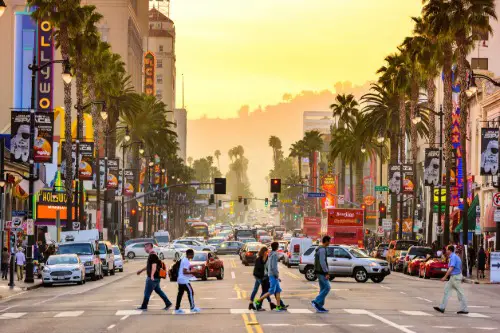
Los Angeles has always reinvented itself, but certain neighborhoods once felt distinctly bohemian. Areas like Venice and Silver Lake were hubs for artists and musicians seeking affordable space. Rising rents and redevelopment have changed that equation. Tech companies and luxury apartments now occupy former creative enclaves.
Independent venues and long-running businesses have closed amid escalating costs. Tourism branding often leans into a polished Hollywood image. While diversity and creativity remain, they’re more dispersed and harder to stumble upon. The city still dazzles, but its subcultures don’t anchor neighborhoods the way they once did.
This post Why These Popular Travel Spots Lost Their Personality was first published on American Charm.

