1. Moab, Utah
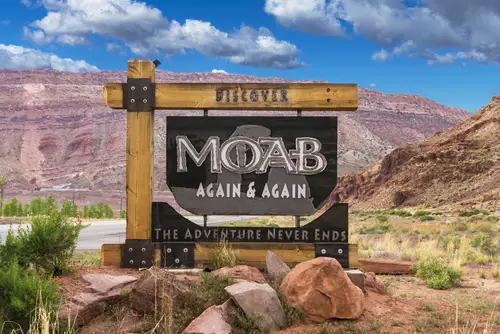
Moab used to be a sleepy desert outpost until outdoor recreation exploded in popularity. Now, the town is a magnet for mountain bikers, off-roaders, and national park visitors. The influx has pushed the town’s infrastructure to its limits. Locals often feel like they’re living inside a year-round spring break.
Housing prices have jumped sharply as investors snatch up properties for vacation rentals. Residents voice concerns about noise from 4×4 vehicles rolling through town at all hours. Even basic services like grocery shopping can feel overwhelming during peak season. Longtime Moab families worry the town’s desert character is getting lost in the rush.
2. Sedona, Arizona
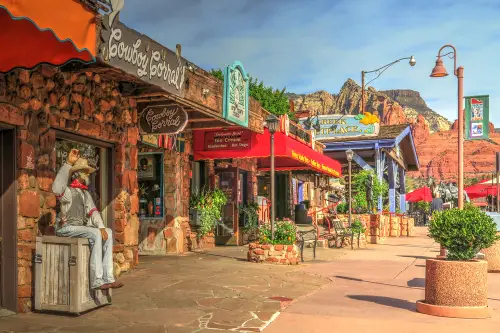
Sedona’s red-rock beauty draws millions of visitors a year, which leaves locals navigating clogged trailheads and traffic jams on what used to be quiet roads. The surge in tourism has made everyday errands feel like a full-contact sport. Even the once-secret spots see sunrise crowds armed with tripods and drones. Residents often joke that the town needs its own express lane just for people who actually live there.
The cost of living has also spiked as short-term rentals eat into long-term housing. Many service workers now commute from far outside town limits because they can’t find affordable places nearby. The popularity of wellness retreats adds another layer of tourist turnover. Locals say they love the scenery but wish they could enjoy it without weaving through selfie queues.
3. Bar Harbor, Maine
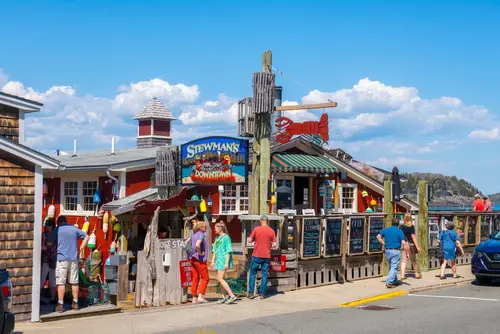
Bar Harbor sits at the gateway to Acadia National Park, so tourism is practically built into its DNA. Cruise ships bring thousands of visitors daily in summer, overwhelming the narrow streets. Locals say they can’t even buy a coffee without waiting behind a dozen hiking boots and backpacks. The seasonal surge creates a love-hate relationship with the park next door.
Housing has become difficult to secure as second homes and rental units dominate the market. Many workers must commute from surrounding towns because they can’t afford in-town living. Traffic on tiny island roads can double travel times during warm months. Residents joke that the real Acadia experience is trying to find a parking spot.
4. Key West, Florida
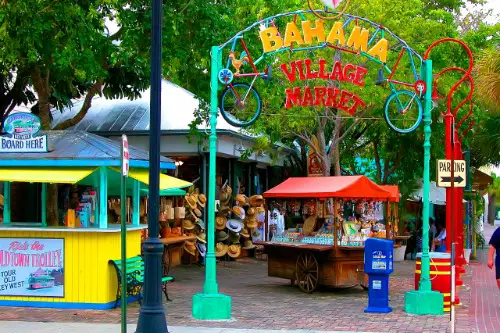
Key West sells itself as a tropical escape, but that also means year-round tourist saturation. Cruise passengers and vacationers fill Duval Street from morning to midnight. Locals describe the island as feeling like an amusement park that never closes. Even simple errands become battles through crowds in flip-flops.
Short-term rentals have sent rents soaring, squeezing out working families. The island’s limited space makes new housing nearly impossible to build. Many residents move to the Upper Keys, only to face long commutes. Key West’s charm is undeniable, but some who live there feel like they’re backstage at a show running nonstop.
5. Jackson, Wyoming
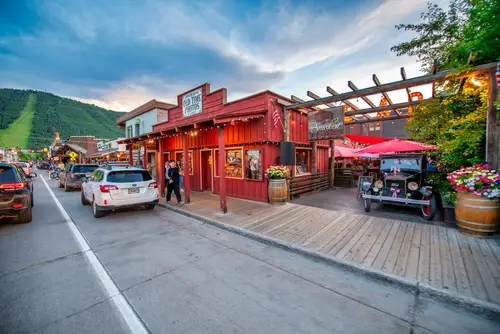
Jackson’s proximity to Grand Teton and Yellowstone makes it a perennial bucket-list stop. The view is stunning, but the influx of visitors and luxury vacationers has reshaped the town. Locals now contend with traffic jams that barely move during peak season. Even wildlife sightings turn into mini gridlocks as tourists stop abruptly.
The cost of living has skyrocketed, with average home prices far beyond what most residents can afford. Teachers, nurses, and service workers often live across state lines in Idaho. The number of short-term rentals continues to grow, squeezing long-term housing even tighter. People who grew up in Jackson say it’s becoming harder to imagine raising families there.
6. Aspen, Colorado
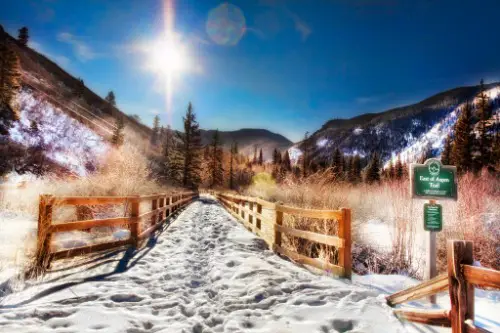
Aspen has long been a luxury ski destination, but the tourist presence feels stronger every year. High-end visitors fill the slopes, restaurants, and boutiques no matter the season. Locals often joke that they live in a resort designed for everyone except them. Even shoulder seasons don’t offer the quiet breaks they used to.
Housing affordability is the town’s biggest crisis, with many workers living hours away. The employee commute over mountain passes can be rough, especially in winter conditions. Some businesses even shorten hours because staff can’t find stable housing. Aspen’s beauty remains, but the barriers to living there grow steeper.
7. Carmel-by-the-Sea, California
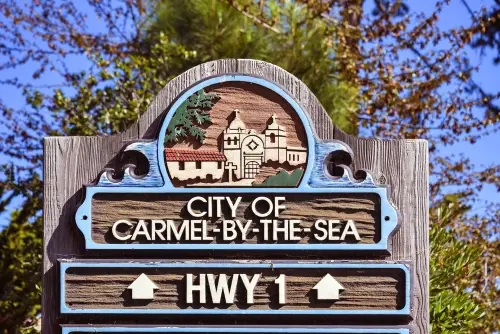
Carmel’s fairytale cottages and coastal views draw huge tourist numbers for such a tiny village. Its charming streets were never built for heavy foot and vehicle traffic. Locals report that weekends feel like the entire state has shown up. Even grabbing lunch becomes a waiting game.
Housing is scarce and expensive, thanks to strict zoning and constant demand from second-home buyers. Many local workers commute from towns much farther inland. Parking has turned into one of the town’s most consistent complaints. Residents worry that businesses now cater more to tourists than to those who live there.
8. Gatlinburg, Tennessee

Gatlinburg sits at the entrance to Great Smoky Mountains National Park, the most visited national park in the country. That means the town is almost always buzzing with tourists. Traffic can crawl for miles during peak seasons, causing big headaches for locals. Even grocery store aisles fill with vacationers stocking up.
Rental cabins dominate the surrounding hills, driving up land prices. Locals say the community feel has thinned as more homes become short-term stays. Seasonal workers struggle with limited affordable housing options. Some residents feel the Smokies draw so many visitors that the town never gets a breather.
9. Lake Tahoe, California/Nevada
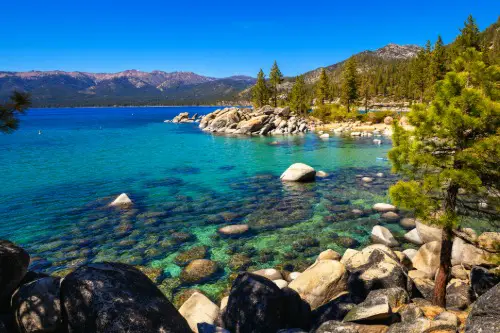
Lake Tahoe is a year-round escape, which means crowds never really go away. Ski season brings one wave, while summer beaches bring another. Locals find themselves stuck in gridlock during both. Even simple hikes now require showing up at sunrise.
Short-term rentals have transformed many neighborhoods into constant turnover zones. Service workers are forced to move farther into the mountains or valleys. Water quality and environmental strain also worry residents as visitor numbers grow. The lake may be pristine, but life around it feels increasingly strained.
10. Asheville, North Carolina
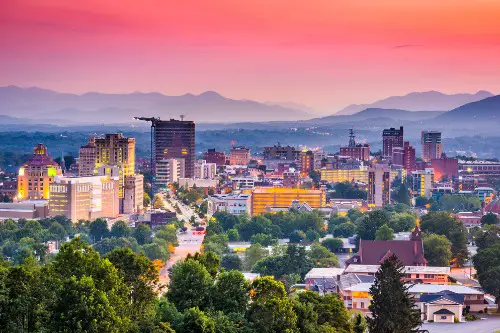
Asheville’s artsy vibe and brewery scene have made it one of the South’s trendiest destinations. The problem is that its infrastructure didn’t grow as fast as its popularity. Locals face traffic that feels more “big city” than mountain town. Even their favorite breweries get overtaken by beer tourists.
Housing prices have risen sharply, partly due to short-term rental demand. Many longtime residents say they can’t keep up with rising costs. Service workers have been hit the hardest, often relocating outside the city. Locals love Asheville but worry it’s becoming too curated for its own good.
11. Telluride, Colorado
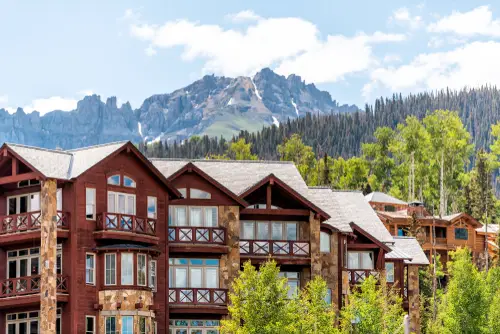
Telluride’s remote beauty makes it feel like a hidden gem, but word has definitely gotten out. Tourists flood the box canyon for festivals, skiing, and scenic hikes. Locals say festival season feels like a revolving door of crowds. Town services often struggle to keep pace with peak-season demands.
Housing is almost unattainable for middle-income workers. Many commute from communities over an hour away, often across high-altitude roads. The narrow geography limits new development, keeping supply low. Residents fear that the town’s authentic mountain culture is slowly slipping away.
12. Martha’s Vineyard, Massachusetts
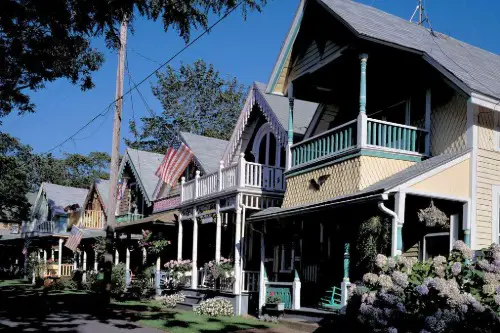
The island’s summer surge is legendary, and locals prepare months in advance. Ferries bring thousands of visitors daily, overwhelming roads and shops. Locals joke that summer errands require winter patience. Once-quiet beaches fill up well before noon.
Housing shortages push island workers to live in cramped seasonal units. Many businesses struggle to maintain staff because employees can’t find long-term rentals. Off-season life is more relaxed, but the housing crunch lingers. Some residents worry the island’s balance between tourism and community is tipping too far.
13. Park City, Utah
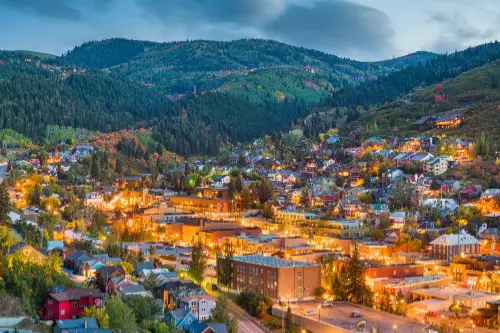
Park City draws skiers, shoppers, and Sundance Film Festival crowds in waves. The town’s popularity has turned its main streets into constant people-watch zones. Locals face significant traffic backups, especially during winter storms. Even the grocery store fills with festival-goers picking up provisions.
The housing market skews heavily toward second homes and vacation rentals. Local workers often commute from the Salt Lake Valley. The cost of living has made it difficult for families to settle long-term. Many residents say tourism drives the economy but also erodes day-to-day livability.
14. Savannah, Georgia
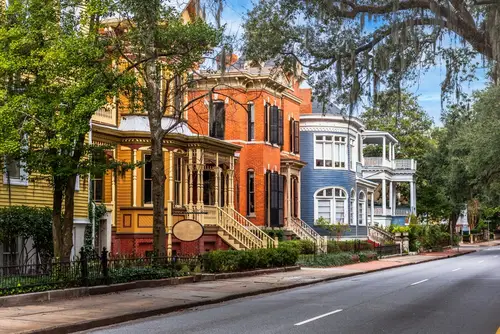
Savannah’s historic charm and ghost tours attract millions every year. The influx often turns the city’s picturesque squares into crowded gathering spots. Locals say it’s hard to enjoy their own parks without dodging tour groups. Even residential streets see heavy foot traffic late into the evening.
Short-term rentals have reshaped many neighborhoods. Longtime residents feel squeezed as investor-owned properties multiply. Noise complaints have risen as weekend visitors cycle through constantly. Some Savannah natives say the city feels more like a themed experience than a community.
15. Oahu’s North Shore, Hawaii
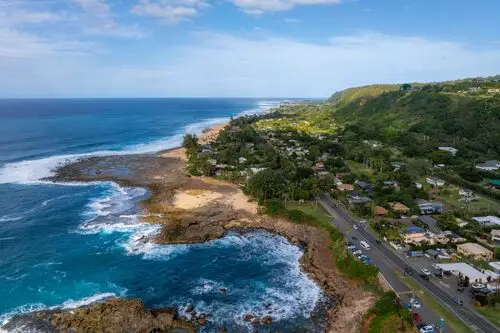
The North Shore’s famous beaches and surf breaks attract massive seasonal crowds. Residents often deal with cars lining the highways and blocking driveways. Once-quiet surf towns feel packed from sunrise to sunset. Locals say even grocery shopping becomes a challenge when visitor numbers spike.
Housing has grown more expensive as vacation rentals spread through neighborhoods. Long-term renters get displaced as owners switch to short stays. Environmental concerns grow as tourism pressures beaches and reefs. Many locals wish the area could strike a better balance between visitors and everyday life.
16. St. Augustine, Florida
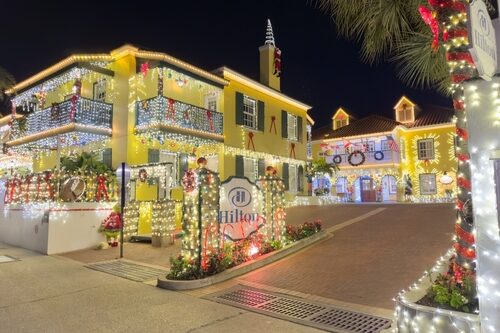
St. Augustine proudly calls itself the nation’s oldest city, and that title pulls in steady waves of history lovers year-round. Tourists pack the narrow colonial streets, turning simple walks into slow-moving processions. Horse-drawn carriages and trolley tours clog intersections that were never designed for modern traffic. Residents often say downtown feels more like a living museum than a functioning neighborhood.
Short-term rentals have multiplied in historic districts, reshaping once-stable blocks. Property values have climbed, but so have taxes and insurance costs. Service workers frequently commute from inland communities where rent is slightly less punishing. Locals worry that preserving history has come at the expense of preserving community.
17. Newport, Rhode Island
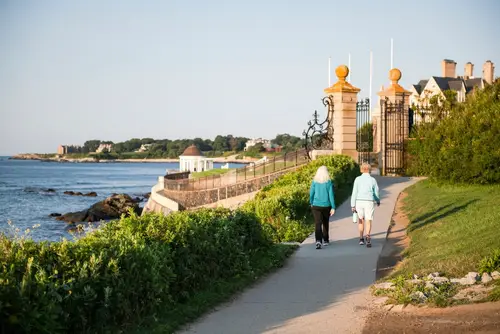
Newport thrives on Gilded Age glamour, and the famed Cliff Walk rarely sees an empty day. Mansion tours and sailing events draw constant streams of visitors into tight coastal streets. Summer weekends can bring traffic that stretches for miles over the bridges. Residents say even quick errands require strategic timing to avoid the crush.
The housing market leans heavily toward second homes and luxury vacation properties. Year-round residents compete with buyers who treat houses as seasonal retreats. Rents spike in summer, pushing workers farther up the island or onto the mainland. Locals sometimes joke that Newport works beautifully as a postcard, just not as a practical place to live.
18. Leavenworth, Washington
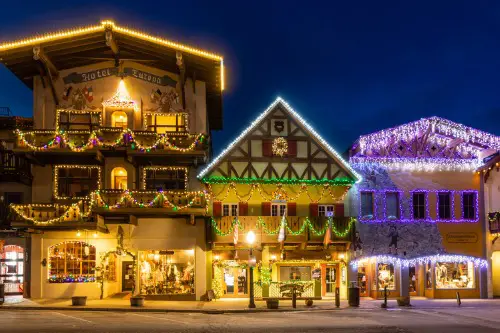
Leavenworth reinvented itself as a Bavarian-style village, and the themed charm has been wildly successful. Oktoberfest and holiday lighting festivals now bring crowds that overwhelm the small mountain town. Traffic backs up along the highway long before visitors reach the faux-alpine downtown. Residents say peak weekends feel like living inside a snow globe that never stops shaking.
Tourism-driven demand has fueled a surge in vacation rentals. Housing inventory for locals remains tight, especially for young families. Seasonal jobs dominate the economy, making year-round stability harder to find. Some longtime residents quietly miss the pre-theme days when the town felt less like a stage set.
19. Cape May, New Jersey
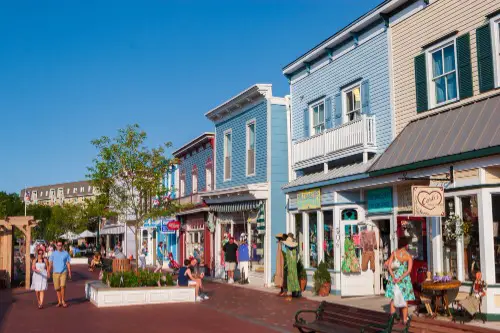
Cape May charms visitors with Victorian homes and breezy Atlantic beaches. In summer, though, the population swells far beyond what the peninsula can comfortably handle. Beach tags sell out and parking spaces vanish before noon. Locals plan grocery runs at dawn to dodge the boardwalk-bound rush.
Many properties now function primarily as short-term rentals or second homes. That shift leaves fewer options for teachers, firefighters, and hospitality workers. Off-season quiet offers relief, but it also underscores how seasonal the economy has become. Residents say the town feels balanced for three months and strained for the other nine.
20. Whitefish, Montana
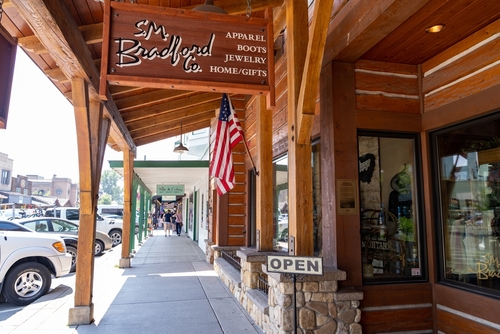
Whitefish sits near Glacier National Park, making it a magnet for outdoor enthusiasts. What was once a laid-back gateway town now sees bumper-to-bumper traffic in peak months. Trailheads fill before sunrise, and restaurant waits stretch deep into the evening. Locals say the natural beauty hasn’t changed, but daily life certainly has.
Real estate prices have surged as remote workers and investors move in. Starter homes are scarce, and rents rival those in much larger cities. Many workers commute from neighboring towns where housing is marginally cheaper. Residents worry that the very scenery drawing newcomers is becoming harder for locals to access.
21. Fredericksburg, Texas
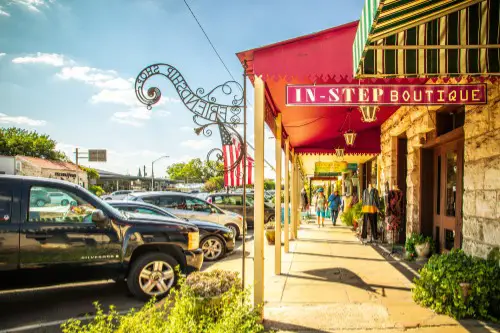
Fredericksburg transformed into a wine country hotspot seemingly overnight. Bachelorette parties and weekend wine tours now dominate the historic downtown. Traffic clogs rural roads that once carried mostly pickup trucks and tractors. Locals say quiet Hill Country evenings are harder to come by.
Short-term rentals have spread rapidly through residential neighborhoods. Home prices climbed as investors anticipated steady tourist demand. Service industry wages struggle to match rising housing costs. Some longtime residents feel their small-town roots are getting buried under weekend tourism.
22. Rehoboth Beach, Delaware
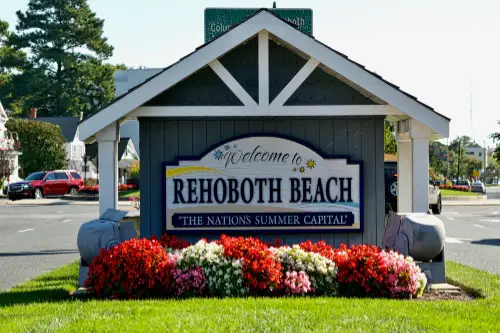
Rehoboth Beach explodes with visitors as soon as temperatures rise. The boardwalk becomes a sea of umbrellas, strollers, and beach cruisers. Residents brace for traffic that can turn a five-minute drive into a half-hour crawl. Even off-boardwalk neighborhoods feel the overflow.
Vacation homes and weekly rentals dominate much of the housing stock. That leaves fewer year-round neighbors to anchor the community in winter. Local workers often search inland for affordable leases. Many residents say the beach town vibe works great for vacationers but feels unsustainable for everyday life.
23. Hood River, Oregon
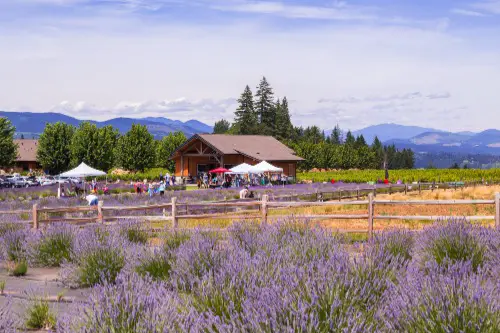
Hood River draws windsurfers and hikers eager to explore the Columbia River Gorge. The once-sleepy fruit town now hums with outdoor tourism nearly all year. Parking lots fill with vans and roof racks before breakfast. Locals describe summer weekends as a constant shuffle of visitors chasing wind forecasts.
Housing costs have risen alongside the town’s outdoor reputation. Orchard land and modest homes increasingly convert into lucrative rentals. Service workers commute from farther along the gorge where prices dip slightly. Residents say the scenery remains spectacular, but the small-town ease has thinned.
24. Beaufort, South Carolina
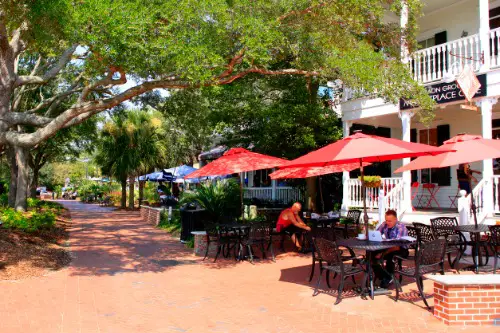
Beaufort lures travelers with waterfront views and antebellum architecture. Film tourism and coastal getaways have boosted its profile dramatically. Downtown streets fill with walking tours and sightseeing trolleys during peak months. Locals say the charm that attracts visitors also traps traffic in tight historic grids.
Rising demand has inflated home prices across the sea islands. Investors eye quaint cottages as prime short-term rental opportunities. Many workers look to neighboring towns for attainable housing. Residents worry that Beaufort’s easygoing Lowcountry pace is getting squeezed by nonstop attention.
25. Sandpoint, Idaho

Sandpoint sits along the shores of Lake Pend Oreille and has become a four-season playground. Skiers, boaters, and festivalgoers cycle through town with little pause. Locals say summer traffic rivals that of much larger cities. Even familiar hiking trails now require early alarms to beat the crowds.
Housing inventory has tightened as newcomers snap up lakefront and mountain-view properties. Prices have climbed beyond what many longtime residents can manage. Short-term rentals further thin the pool of available homes. Some locals fear the town’s easy access to nature is turning into a luxury reserved for visitors.
This post 25 Tourist Towns That Accidentally Made Themselves Impossible to Live In was first published on American Charm.