
1. TWA
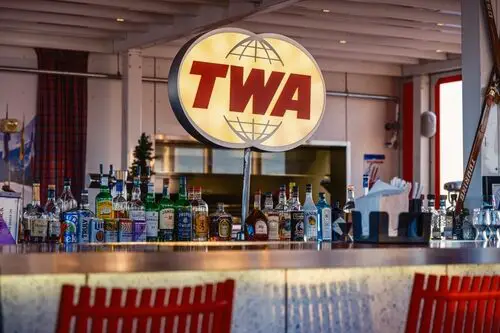
TWA officially ended operations in 2001 after American Airlines absorbed it, but many travelers still remember it fondly. Its legacy for comfortable long-haul flights and attentive service stands in contrast to today’s stripped-down experience. Even the TWA Hotel at JFK proves the brand still sparks curiosity. That alone suggests a revival could resonate with travelers looking for romance in flying again.
A new TWA could double down on mid-century design and hospitality, offering a distinct identity in a crowded market. The brand once served destinations across the globe, and that international mindset could be revived for premium routes. With demand growing for boutique-style travel, TWA could fill a niche that modern carriers often ignore. The name recognition alone would help it stand out immediately.
2. Plymouth
Plymouth vanished in 2001 after declining sales and brand overlap within Chrysler. It was originally designed as an affordable, dependable line for mainstream families. With today’s high car prices, there’s renewed demand for truly budget-friendly vehicles. Plymouth’s identity fits that need almost perfectly.
A reboot could focus on compact EVs or hybrids aimed at cost-conscious drivers. The brand once delivered practical, durable cars, and that could translate beautifully into modern commuter models. Plymouth could reclaim the idea of a simple, reliable American car without unnecessary frills. It would fill a gap that many automakers have abandoned.
3. Oldsmobile
Oldsmobile shut down in 2004, ending more than a century of American automotive history. It was once praised for its innovation, including developing the first mass-produced automatic transmission. Today, the market is hungry for electric vehicles with character, and Oldsmobile has the pedigree to pull it off. The brand could return as an EV pioneer rather than a relic.
A revival could focus on midsize and full-size sedans that blend modern tech with heritage-inspired design. Oldsmobile buyers once loved performance with comfort, which fits perfectly into the premium EV segment. The brand’s long history could give it authenticity compared to new EV startups. With smart marketing, Oldsmobile could reenter the market as a sophisticated American alternative.
4. Pontiac
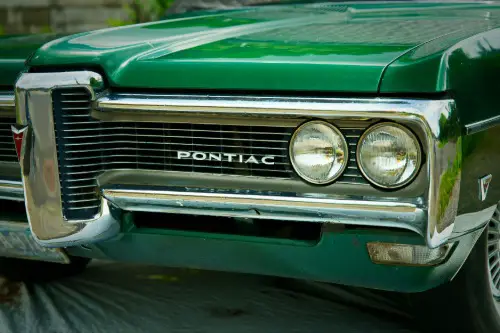
Pontiac disappeared in 2010 when GM restructured after the recession. For decades, it symbolized accessible performance, thanks to cars like the GTO and Firebird. Modern consumers still crave sporty, affordable models—something the current market lacks. That opens a lane Pontiac could easily fill.
A return could focus on compact performance cars or electric muscle concepts. Pontiac’s historic emphasis on excitement would translate well into EV drivetrains with instant torque. Enthusiasts already celebrate the brand at car shows, which means built-in support. With GM’s resources, Pontiac could become a youthful, high-energy sub-brand again.
5. Saturn
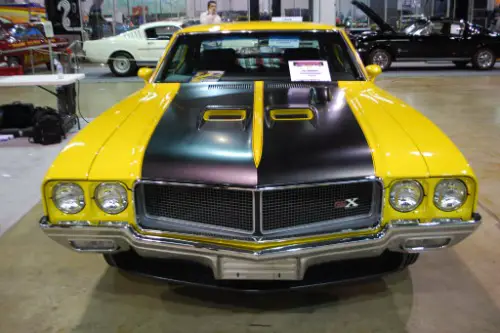
Saturn closed in 2010 after GM couldn’t finalize a sale to Penske Automotive. It started with a mission to rethink car-buying, offering no-haggle pricing and unusually customer-friendly dealerships. That approach would feel revolutionary in today’s often stressful car market. It’s the kind of brand positioning consumers actively seek out now.
A modern Saturn could lean into transparency, sustainability, and simplicity. Its early models were known for fuel efficiency, which aligns well with today’s EV and hybrid expectations. A comeback could emphasize reliability and fairness rather than flash. Rebranding Saturn as the “stress-free EV” brand could give it an immediate advantage.
6. Mercury
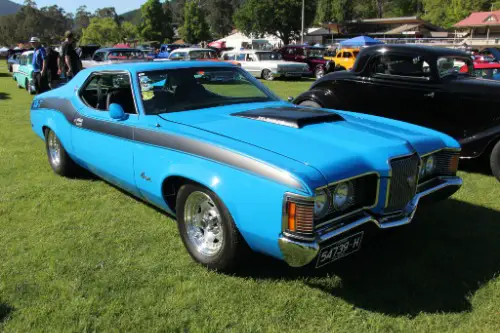
Ford ended Mercury in 2010, ending a decades-long run as the automaker’s mid-tier comfort line. Mercury once bridged the gap between mainstream Ford models and luxury Lincolns. That middle ground is underserved today, especially as many automakers abandon sedans. A revived Mercury could refocus on comfortable, tech-forward cars at approachable prices.
A return could center on stylish EV sedans or crossovers that feel more refined than entry-level models. Mercury historically emphasized smooth rides and clean design, traits that align with modern buyers seeking understated luxury. The brand still has name recognition among older buyers, giving it an intergenerational appeal. If executed well, Mercury could reclaim its space just beneath the premium segment.
7. Pan Am
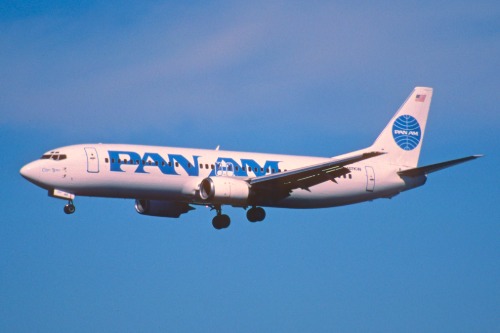
Pan Am disappeared in 1991, but its name still triggers instant nostalgia for the golden age of air travel. The airline was known for glamorous lounges, iconic uniforms, and globe-spanning routes that made travel feel aspirational. If a modern Pan Am reemerged with a retro-luxury twist, it could tap into today’s appetite for premium experiences. People already buy Pan Am–branded merch, so the brand equity is still very much alive.
A comeback could work because the airline industry is craving differentiation beyond basic economy upgrades. Pan Am once led innovations like computerized reservations and jumbo-jet service, and that pioneering vibe could translate into tech-forward travel today. The brand could position itself as the stylish alternative to crowded, budget-heavy carriers. In an era obsessed with “heritage,” few names carry the same mystique.
8. Circuit City
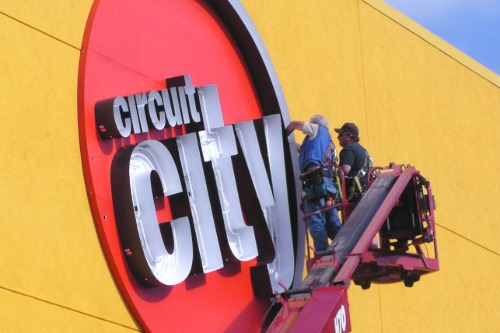
Circuit City officially closed its stores in 2009, though a small online revival briefly followed. For years, it was the go-to place for TVs, computers, and early home tech. With consumers now overwhelmed by online product choices, a trusted retail guide could be valuable again. The name Circuit City still carries weight for people who shopped electronics pre-Amazon.
A comeback could focus on curated in-store experiences and tech demos rather than endless aisles. Shoppers still appreciate hands-on help for big purchases like TVs or audio systems. Circuit City could offer training workshops, smart home installations, or repair services. That mix of expertise and convenience could carve out a niche in the modern retail landscape.
9. Borders
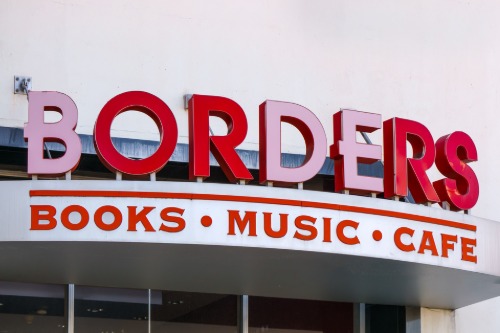
Borders went bankrupt in 2011, leaving many communities without their favorite bookstore. It was known for its huge selection, music sections, and relaxed in-store atmosphere. While physical media struggled, the resurgence of reading culture shows renewed demand for curated bookstore experiences. Borders could thrive in this newer, more community-driven environment.
A return could spotlight local events, book clubs, and author meetups. The brand was good at creating inviting spaces, something indie bookstores now excel at. With a modern omnichannel strategy and smaller, boutique-sized shops, Borders could reenter the market sustainably. Its familiar name would give it a huge head start with nostalgic readers.
10. Blockbuster
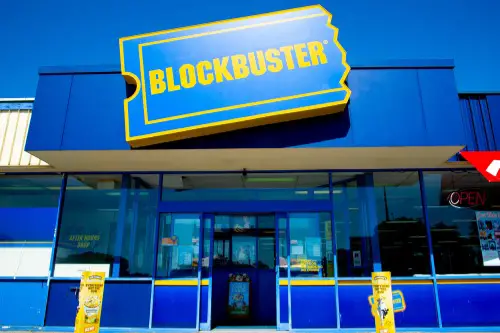
Blockbuster effectively disappeared after 2014, except for one famous franchise location in Oregon. Despite its fall, the nostalgia surrounding video rentals has only grown. Streaming fatigue is real, and many people miss the curated experience of picking out movies. Blockbuster could leverage that craving for simplicity and discovery.
A revival could focus on a hybrid membership model that blends physical rentals with curated digital libraries. The brand could specialize in film education, community screenings, and retro entertainment events. Blockbuster once excelled at helping people find something new, and that curatorial role could work again. With the right spin, it could be less about renting DVDs and more about the experience of movie-going culture.
11. KB Toys

KB Toys shut down its last stores in 2009 after multiple bankruptcies. It once thrived in malls, capturing kids’ attention with shelves packed tightly with toys and gadgets. As toy shopping has moved online, families often feel overwhelmed by generic product listings. A revived KB Toys could bring back the magic of discovering toys in person.
The brand could adopt a pop-up model that follows seasonal demand. Short-term stores would reduce overhead while creating excitement around hands-on play. KB Toys could also partner with smaller toy makers to offer unique items that big-box retailers overlook. That strategy could give it a distinct identity in a market dominated by a few giants.
12. Woolworth
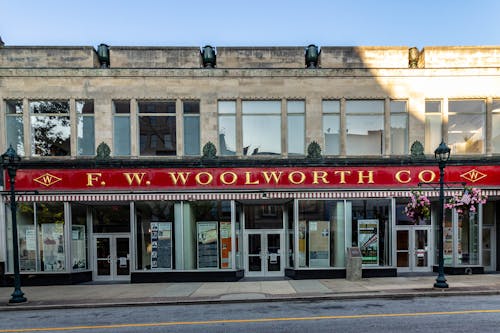
Woolworth ended U.S. operations in 1997, closing one of the country’s original five-and-dime chains. It was known for affordable goods, variety, and community presence. With many small towns lacking general stores today, the Woolworth concept could fit a modern “local essentials” niche. The brand’s history gives it built-in charm.
A reboot could center on compact stores offering household basics, snacks, and rotating seasonal items. Woolworth could blend its vintage identity with modern convenience-store technology. Its classic lunch counters could return as simple café spaces, offering a social anchor. The nostalgia factor would help it stand out from anonymous chains.
13. Tower Records
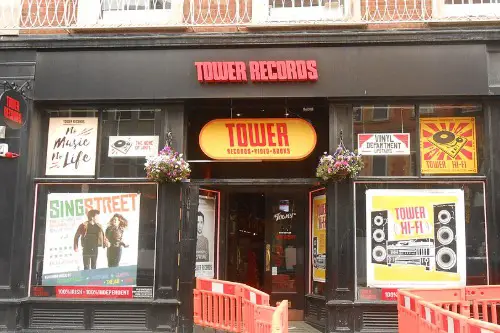
Tower Records closed its U.S. stores in 2006, though it later resurfaced online. At its peak, it was legendary for knowledgeable staff and deep music catalogs. With vinyl and physical media making a comeback, Tower’s original strengths suddenly feel relevant again. Music fans crave places to browse and discover new artists.
A returned Tower could mix retail with listening lounges, concerts, and community events. Musicians loved the brand because it celebrated artistry over algorithms. Tower could partner with labels and independent artists for exclusive releases. Its heritage as a cultural hub gives it an advantage no streaming platform can replicate.
14. Mervyn’s
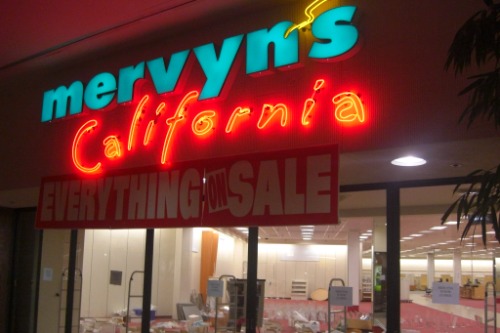
Mervyn’s shut down in 2009 after years of declining sales and ownership changes. It specialized in affordable clothing and home goods, often serving middle-income families in suburban areas. With many department stores disappearing, that demographic is now underserved. Mervyn’s could come back as a streamlined, value-focused retailer.
A revival could prioritize smaller stores with targeted merchandise rather than sprawling layouts. It could also use modern data tools to tailor inventory to specific communities. Mervyn’s once thrived by offering good prices without feeling cheap, a balance shoppers appreciate today. With thoughtful positioning, it could find a comfortable spot between big-box giants and discount chains.
This post 14 U.S. Brands That Vanished—but Could Dominate If They Returned was first published on American Charm.

