1. Coeur d’Alene, Idaho
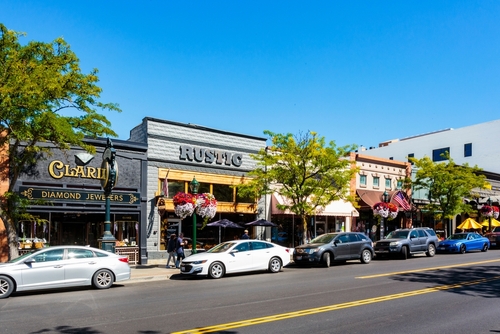
Coeur d’Alene was once considered a relatively affordable lake town. Its natural beauty attracted retirees and vacation-home buyers, but prices were still accessible for many locals. During the pandemic, demand from out-of-state buyers surged. Home prices increased dramatically in a short span.
Limited housing supply intensified competition. Cash offers and bidding wars became more common than in previous years. Renters faced fewer options and higher monthly costs. The town’s rapid appreciation reshaped its affordability profile.
2. Austin, Texas
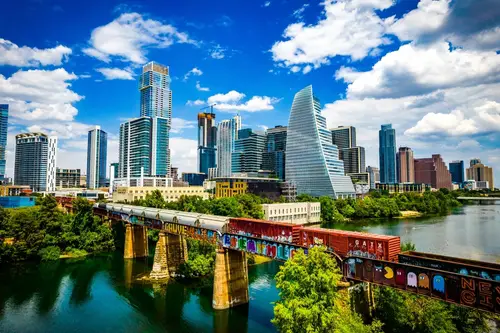
For years, Austin balanced its reputation as a creative hub with relatively manageable housing costs. Tech expansion brought major employers and a steady stream of new residents, but prices were still moderate compared to Silicon Valley. Then the 2020–2022 migration wave hit, and the median home price soared past previous records. Neighborhoods that once attracted first-time buyers became fiercely competitive.
Remote workers and corporate relocations added fuel to an already hot market. Bidding wars, waived inspections, and cash offers became normal in parts of the city. Although prices cooled slightly after the peak, affordability hasn’t returned to early-2010s levels. For many Austinites, the era of easy entry into the housing market is clearly over.
3. Nashville, Tennessee
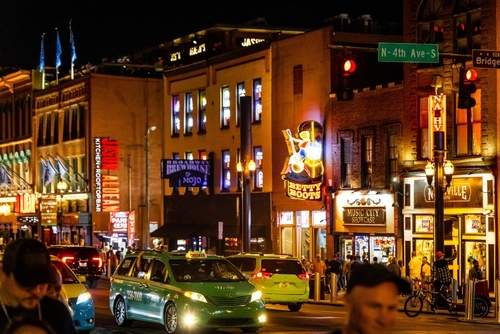
Nashville used to be known as an affordable music city with Southern charm. Over the past decade, tourism, healthcare, and corporate relocations transformed its economy. As jobs multiplied, so did demand for housing, and prices rose steadily. By the early 2020s, the median home price had climbed far beyond what many local wages could support.
Short-term rentals and investor activity added more pressure to the housing supply. Neighborhoods that once housed working musicians and service workers began to gentrify quickly. Renters felt the impact as apartment rates climbed year after year. What was once an attainable city for newcomers became a stretch for longtime residents.
4. Denver, Colorado
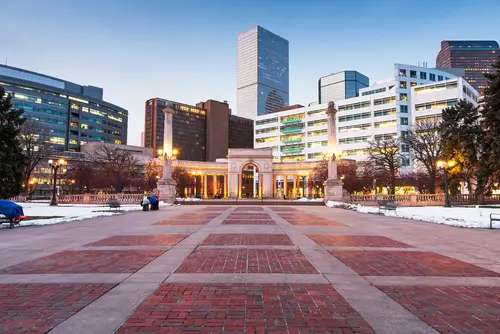
Denver’s affordability story shifted well before the pandemic. As cannabis legalization, tech growth, and an influx of young professionals boosted the economy, housing demand surged. Home prices more than doubled over the 2010s, outpacing wage growth. By the time the pandemic boom arrived, the city was already expensive by regional standards.
The surge in remote work and continued migration kept pressure on inventory. Even condos and townhomes climbed into price ranges that used to be reserved for single-family houses. Rent increases followed suit, particularly in popular central neighborhoods. For many residents, Denver’s “affordable alternative” era now feels like a distant memory.
5. Missoula, Montana
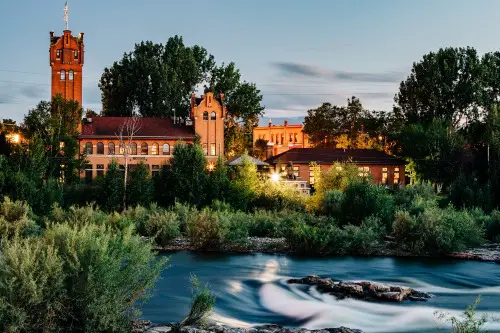
Missoula was once considered a relatively affordable college town with easy access to nature. Its scenic setting and small-city vibe attracted remote workers during the pandemic. Housing inventory was limited to begin with, so rising demand had an outsized impact. Home prices and rents climbed rapidly in a short period.
Local incomes, often tied to education and service sectors, didn’t keep pace. Bidding wars became common in a market that had rarely seen them before. Residents reported difficulty finding rentals at any price point. The shift happened so quickly that many locals felt priced out almost overnight.
6. Phoenix, Arizona
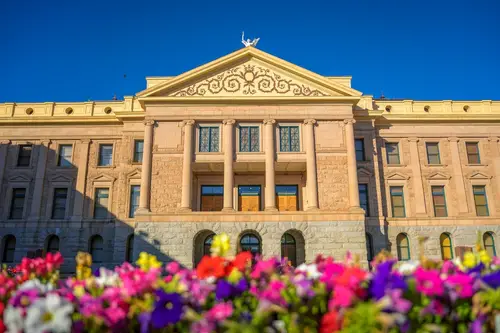
Phoenix long drew newcomers with its warm weather and comparatively low housing costs. For years, it was cheaper than many other major metro areas in the West. During the pandemic housing surge, however, the metro experienced one of the steepest price increases in the country. Median home values jumped sharply between 2020 and 2022.
Out-of-state buyers, particularly from California, played a noticeable role. Investors were also active in the single-family rental market. As prices climbed, rents followed, putting additional strain on households. Although growth has moderated, Phoenix is no longer the bargain it once was.
7. Tampa, Florida
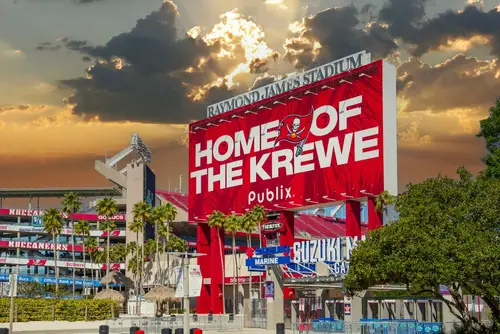
Tampa had a reputation as a more affordable Florida alternative to Miami. Strong job growth and lifestyle appeal steadily attracted new residents throughout the 2010s. Then pandemic-era migration accelerated demand, sending home prices to record highs. The median price rose dramatically in just a couple of years.
Insurance costs and property taxes compounded the affordability challenge. Many longtime residents found themselves competing with cash buyers from higher-cost states. Renters also faced sharp increases as vacancy rates tightened. Tampa’s rapid appreciation reshaped what it means to live affordably on Florida’s Gulf Coast.
8. Raleigh, North Carolina
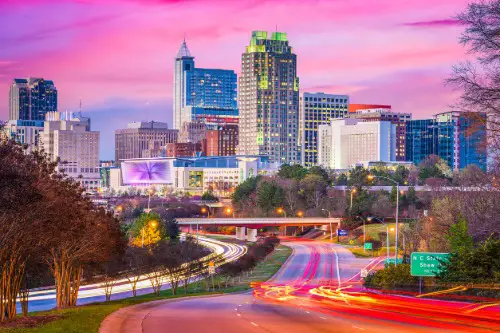
Raleigh benefited for years from steady growth tied to research, education, and technology. The presence of major universities and employers helped keep the economy stable and housing relatively attainable. As the Research Triangle gained national attention, more people relocated for jobs and lifestyle. Home prices rose steadily and then accelerated during the pandemic.
New construction helped, but not enough to fully offset demand. The median home price climbed well beyond levels seen just a few years earlier. Renters felt the squeeze as well, particularly near job centers. What had once been a go-to affordable tech hub became far more competitive.
9. Salt Lake City, Utah
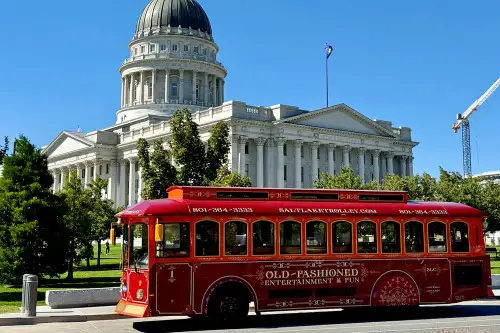
Salt Lake City was long seen as a practical, family-friendly option in the Mountain West. A strong job market and proximity to ski resorts made it appealing without the price tag of coastal cities. Over the 2010s, home prices climbed consistently, and the pandemic accelerated that trend. Median values rose sharply, narrowing the gap with more expensive metros.
Limited buildable land between mountains and the Great Salt Lake constrained supply. As more remote workers arrived, competition intensified. Rent increases mirrored home price growth, affecting young families and students alike. Affordability, once a selling point, became harder to claim.
10. Spokane, Washington
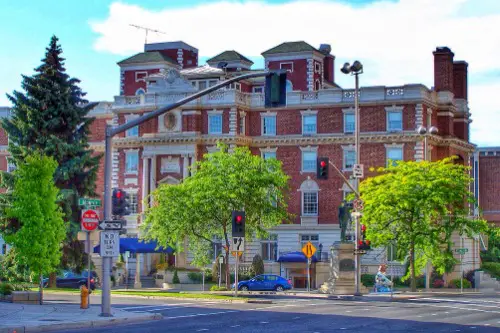
Spokane used to offer a lower-cost alternative to Seattle. Buyers priced out of western Washington could find single-family homes at significantly lower prices. During the pandemic, remote work untethered many households from job locations. Demand surged, and home prices climbed quickly.
Inventory tightened as more out-of-area buyers entered the market. Median prices increased by substantial margins in a short timeframe. Renters faced rising monthly costs as well. Spokane’s affordability advantage narrowed considerably.
11. Asheville, North Carolina
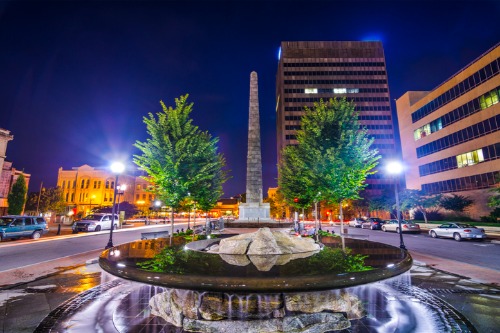
Asheville has long attracted artists, retirees, and outdoor enthusiasts. For years, it maintained a small-city feel with housing that, while not cheap, was still manageable compared to larger metros. Over the past decade, demand intensified, and pandemic migration amplified the trend. Home prices rose significantly, especially in desirable neighborhoods near downtown.
The popularity of short-term rentals also tightened supply. Many local workers in tourism and hospitality struggled to keep up with rising rents. Inventory shortages made buying particularly competitive. What once felt like a quirky, affordable mountain haven became far more exclusive.
12. Boise City, Oklahoma

Boise City remained affordable for decades as a small, rural community in the Oklahoma Panhandle. Limited economic growth kept housing prices low and stable. While it hasn’t experienced the explosive growth of larger cities, even small rural markets have seen modest price increases in recent years. Rising construction costs have made new homes more expensive than in the past.
Higher material and labor costs have trickled down to buyers. Although still affordable compared to national averages, the margin has narrowed slightly. Residents feel the impact when wages remain relatively flat. It’s a reminder that even quiet towns aren’t immune to broader housing trends.
13. Boise, Idaho
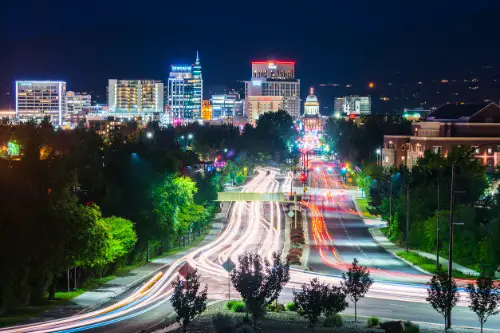
Not long ago, Boise felt like a well-kept secret in the Mountain West. People moved there for tech jobs, access to outdoor recreation, and homes that cost far less than in coastal cities. But during the pandemic housing boom, prices surged at one of the fastest rates in the country. Between 2020 and 2022, home values jumped dramatically, pushing the median price far beyond what many longtime residents could comfortably afford.
The influx of remote workers from higher-cost states changed the math almost overnight. Builders struggled to keep up, and bidding wars became common even in modest neighborhoods. Rents followed the same upward path, squeezing people who weren’t looking to buy. What had been a reliably affordable capital city suddenly felt out of reach for many locals.
14. Bend, Oregon
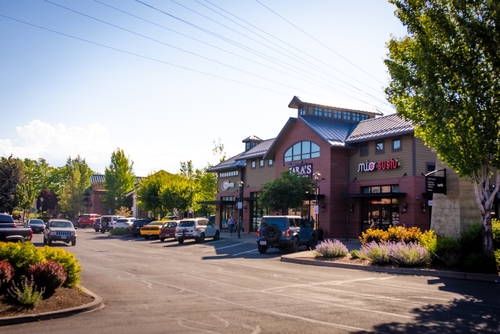
Bend transformed from a quiet mill town into a sought-after outdoor destination. As tourism and remote work grew, so did its national profile. Home prices climbed steadily through the 2010s and then accelerated during the pandemic boom. Median values rose to levels once associated with much larger cities.
Inventory constraints and strong in-migration kept pressure on the market. Service workers often struggled to find housing near their jobs. Rent increases added another layer of difficulty. Bend’s evolution shows how quickly “affordable” can become a thing of the past.
This post 14 Towns Where “Affordable” Was Temporary was first published on American Charm.