
1. New York City, New York
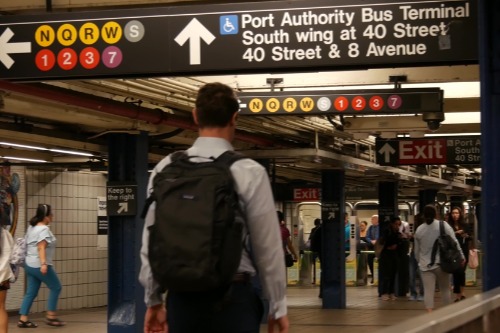
There’s no denying that New York City moves at full throttle. With more than 8 million residents across five boroughs, the sidewalks are rarely quiet and the subway system operates 24/7. Office towers in Midtown anchor global finance and media industries, and tourism keeps Times Square bright deep into the night. On paper, it’s one of the most dynamic urban centers in the world.
But many longtime residents say the rhythm feels more transactional than neighborly. Independent bookstores and family-run diners have steadily declined as rents climb and national chains move in. Entire blocks of luxury high-rises can feel curiously impersonal, even when every window is lit. It’s busy almost everywhere, yet people often describe feeling strangely alone in the crowd.
2. Los Angeles, California
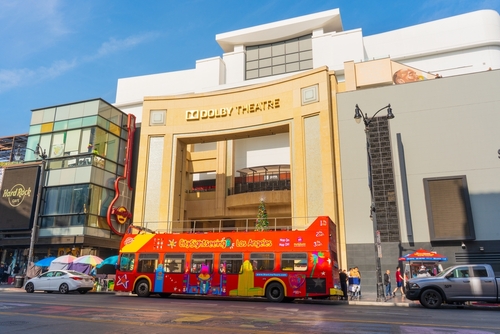
Sprawling and sun-soaked, Los Angeles is home to nearly 4 million people and anchors the nation’s entertainment industry. Freeways are famously congested, and production studios, tech offices, and logistics hubs keep the regional economy humming. The ports of Los Angeles and Long Beach form one of the busiest trade gateways in the Western Hemisphere. By every economic measure, it’s a powerhouse.
Still, daily life can feel fragmented and isolating. The city’s car-dependent layout means people often move from garage to office to garage without lingering in shared public spaces. Long commutes and high housing costs add to a sense of strain rather than spontaneity. Even with endless activity, it can feel like everyone is rushing somewhere else.
3. San Francisco, California

At just under 50 square miles, San Francisco packs an outsized punch. It became synonymous with the tech boom, and its downtown skyline reflects decades of venture capital and startup success. Before the pandemic, weekday foot traffic in the Financial District rivaled much larger cities. The energy once felt relentless and innovative.
Yet remote work reshaped that momentum. Office vacancy rates in the downtown core have remained among the highest in the country, leaving stretches of Market Street noticeably quieter on weekdays. Storefront closures and reduced transit ridership have altered the daily rhythm. It can feel busy in pockets, but less collectively alive than it once did.
4. Chicago, Illinois
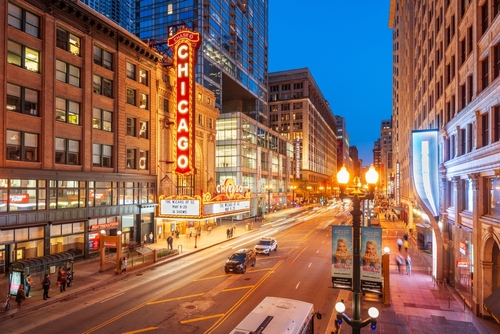
With nearly 2.7 million residents, Chicago stands as the Midwest’s economic and cultural hub. Its airports are among the busiest in the nation, and its downtown Loop anchors major finance, healthcare, and corporate headquarters. Festivals, pro sports, and lakefront attractions draw millions each year. The skyline alone signals big-city momentum.
But population declines over the past decade have left some neighborhoods grappling with disinvestment. Vacant lots and shuttered storefronts exist not far from thriving districts like the West Loop. The contrast can make the city feel uneven, bustling in some corridors and hollow in others. For some residents, that imbalance creates a sense of busyness without shared vitality.
5. Washington, D.C.
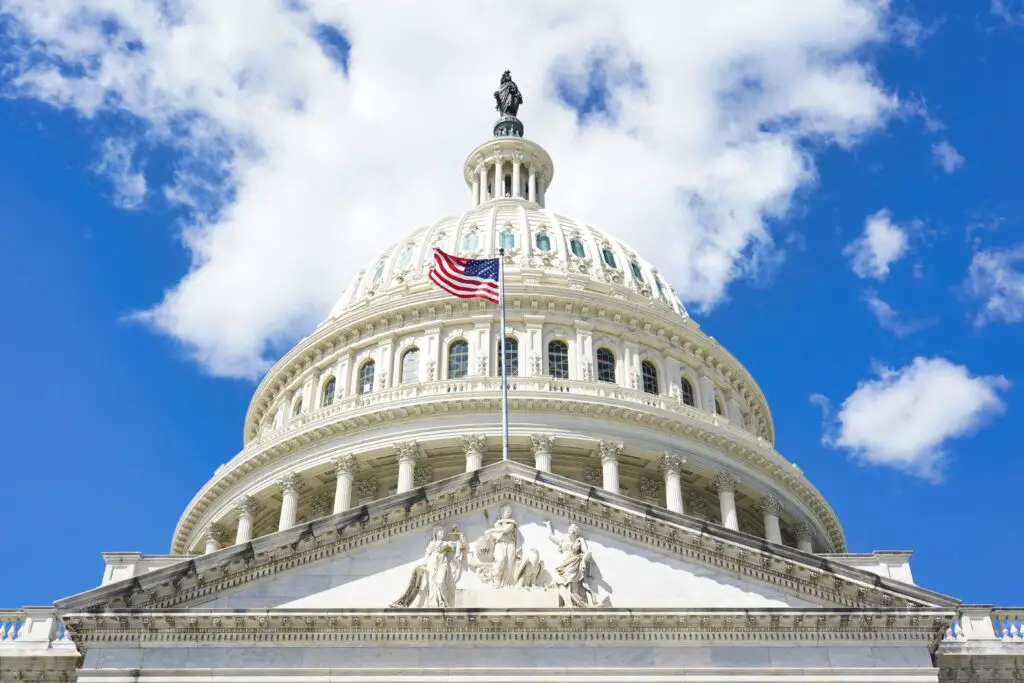
As the nation’s capital, Washington, D.C. pulses with political urgency. Federal agencies, lobbying firms, and international organizations keep downtown offices packed during peak cycles. Tourism centers around the National Mall and Smithsonian museums, bringing steady foot traffic year-round. The city’s daytime population swells well beyond its roughly 700,000 residents.
Even so, much of that energy follows the federal calendar. When Congress is in recess or agencies shift to remote schedules, parts of downtown can feel noticeably subdued. The workforce is heavily tied to government and policy, which can create a professional, transient atmosphere. It’s active and influential, but not always rooted in everyday neighborhood life.
6. Seattle, Washington
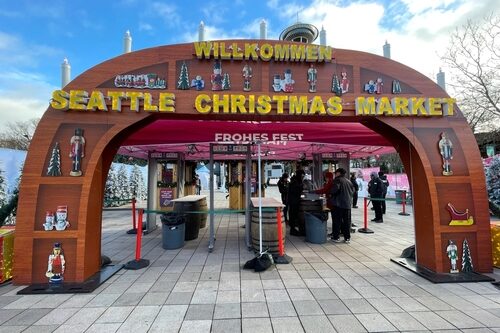
Over the past two decades, Seattle has transformed into a tech titan. Major employers like Amazon and Microsoft fueled rapid job growth and a steady influx of new residents. Construction cranes became a familiar part of the skyline as apartment towers multiplied. On the surface, it feels like a city constantly upgrading.
Yet that growth has come with rising housing costs and visible growing pains. Downtown office districts have struggled with reduced foot traffic since the shift to hybrid work. Longtime residents often talk about cultural touchstones disappearing as neighborhoods redevelop. The city feels industrious and forward-moving, but sometimes less organically connected.
7. Houston, Texas
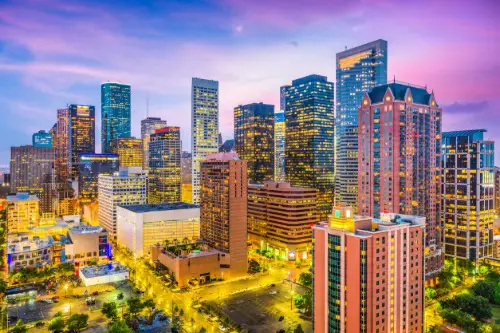
With more than 2.3 million people, Houston is one of the fastest-growing large cities in the country. It’s a global energy capital and home to the Texas Medical Center, the largest medical complex in the world. The Port of Houston ranks among the busiest in the United States by tonnage. Economically, it rarely slows down.
But its sheer sprawl can dilute a sense of shared urban life. Zoning laws are famously loose, resulting in a patchwork of development that prioritizes function over gathering spaces. Many residents rely heavily on cars, and neighborhoods can feel disconnected from one another. The city hums with industry, yet community can feel diffuse.
8. Phoenix, Arizona
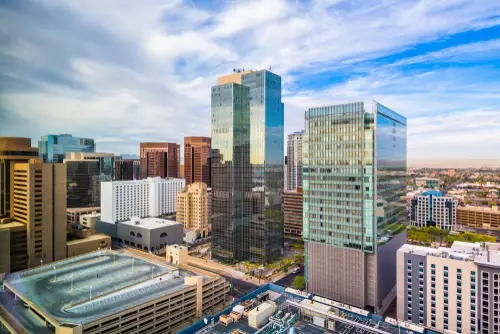
In recent decades, Phoenix has surged in population, now topping 1.6 million residents. Corporate relocations and a steady stream of newcomers have expanded its metro footprint dramatically. Subdivisions and business parks continue to stretch across the desert landscape. Growth is visible almost everywhere you look.
However, much of that expansion has been low-density and car-oriented. Extreme summer heat limits pedestrian life for months at a time, pushing activity indoors. New developments can feel interchangeable, with similar shopping centers and housing tracts repeating across miles. It’s undeniably busy, but sometimes lacking the layered character of older urban cores.
9. Atlanta, Georgia
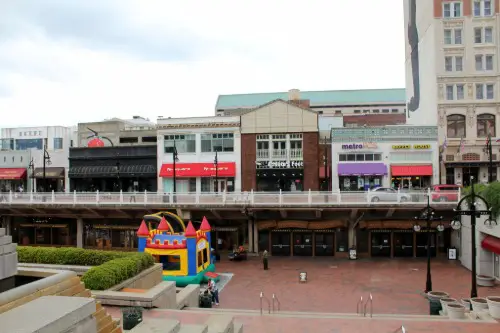
As a transportation hub anchored by one of the world’s busiest airports, Atlanta rarely stands still. It’s a major center for media, logistics, and corporate headquarters, and its metro population exceeds 6 million. Film and television production have added another layer of economic activity. The region’s growth has been steady for years.
Still, traffic congestion is a daily reality that shapes how people experience the city. Many neighborhoods are separated by highways, and public transit coverage remains limited compared to older cities. Rapid development has transformed historic areas, sometimes faster than communities can adapt. The result can feel fast-paced and opportunity-filled, yet socially fragmented.
10. Miami, Florida
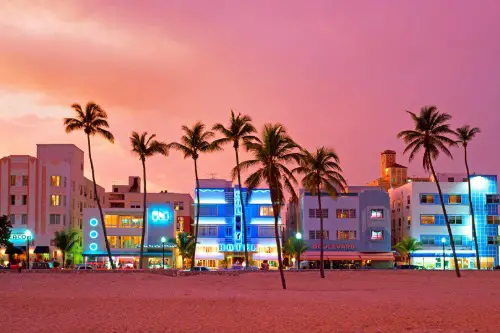
Few places project energy like Miami. Tourism, nightlife, and international finance give the city a constant buzz, and its skyline has expanded dramatically in the past decade. Cruise ships, art fairs, and global events keep hotel occupancy high. It often feels like the center of attention.
But much of that momentum is seasonal and visitor-driven. Luxury condo towers can sit partially vacant outside peak periods, and affordability challenges have pushed many service workers farther from the core. Climate risks and rising insurance costs add another layer of uncertainty. The surface glitters, yet the sense of everyday rootedness can feel thin.
11. Denver, Colorado
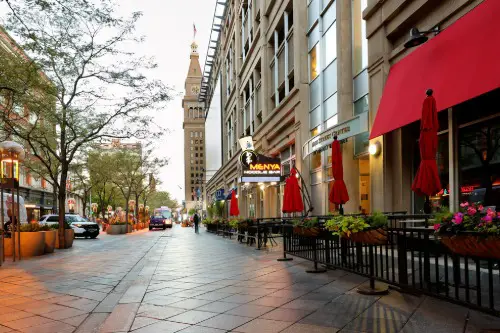
Over the last 15 years, Denver has experienced rapid population and job growth. Tech companies, outdoor brands, and transplants from coastal states have reshaped its economy. Construction cranes and new apartment buildings have become common sights downtown. It projects the image of a city on the rise.
At the same time, housing prices have climbed sharply compared to historical norms. Some longtime residents say the influx has altered neighborhood character faster than community ties can form. Downtown office districts have faced reduced occupancy since the pandemic shift to remote work. It feels active and ambitious, yet not always as grounded as its mountain backdrop suggests.
This post These Cities Feel Busier — But Less Alive was first published on American Charm.

