1. Galveston, Texas
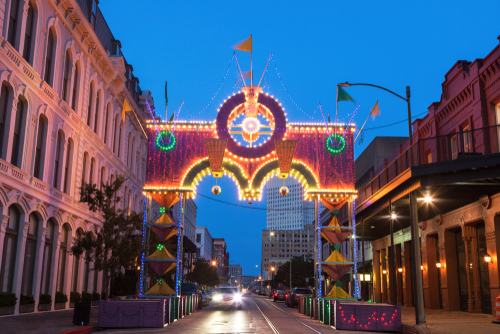
Galveston has a long history as a seaside resort, with historic architecture, beaches, and carnival attractions. In the early 20th century, it was a prime vacation spot for Texas families and tourists seeking the Gulf Coast sun. The Pleasure Pier and local theaters added to its appeal. It felt like a classic, nostalgic getaway with a mix of fun and charm.
Hurricane damage and inconsistent investment over the years have hampered its revival. While some areas have been rebuilt, others still show signs of decay. Overcrowded beaches, aging attractions, and a lack of cohesive planning have dulled its appeal. Galveston remains historically interesting, but the magic of a carefree vacation town has faded.
2. Branson, Missouri
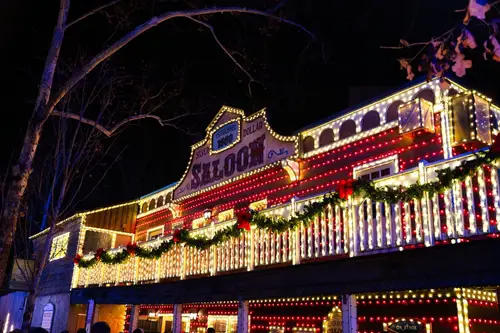
In the 1990s, Branson was a family road-trip staple, famous for live country music shows and wholesome entertainment. The opening of Silver Dollar City in the 1960s helped anchor its tourism industry, and by the ‘90s the town had dozens of theaters along Highway 76. Big names like Andy Williams and Dolly Parton brought star power that filled seats night after night. It was the kind of place where bus tours arrived in steady waves.
Over time, changing entertainment habits and the rise of streaming made live variety shows less of a draw. Some theaters closed or shifted formats as audiences thinned, and the once-packed strip became more uneven. Branson still attracts loyal visitors, but it no longer dominates the national conversation as a must-see destination. For many travelers, it feels more nostalgic than cutting-edge.
3. Niagara Falls, New York
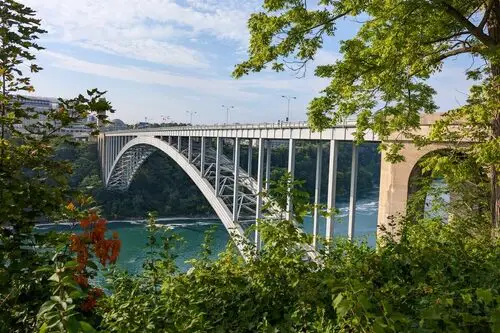
Niagara Falls has long been known for its breathtaking waterfalls, drawing visitors from across the country. In the mid-20th century, the surrounding area developed with charming hotels, quaint shops, and family-friendly attractions that complemented the natural wonder. Tourists could spend a full weekend enjoying boat rides, local eateries, and scenic views. The city felt like a complete experience, balancing natural beauty with accessible entertainment.
Today, the American side of Niagara Falls struggles with aging infrastructure and over-commercialization. Many hotels and shops are outdated, and the streets are crowded with generic souvenir stands. Compared with the Canadian side, which has modern promenades, luxury hotels, and better-maintained attractions, the U.S. side feels neglected. Visitors often leave impressed by the Falls themselves but disappointed by the surrounding town experience.
4. Ocean City, Maryland
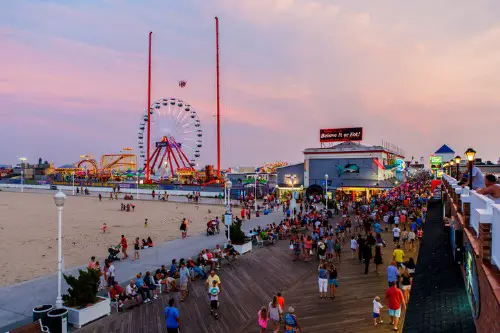
Ocean City was once the quintessential East Coast family beach town, boasting boardwalk arcades, miniature golf, and calm shores. Vacationers from nearby cities flocked for summer getaways, enjoying a safe and vibrant seaside vibe. Its long stretch of beaches and amusement attractions made it a reliable, predictable destination. For decades, it had a charm that felt both nostalgic and lively.
Today, however, overdevelopment and a heavily commercialized boardwalk have dulled that appeal. Crowds can be overwhelming, and many original attractions have been replaced with chain restaurants and souvenir shops. Rising real estate prices and traffic congestion have also made vacations less relaxed. The town still draws visitors, but it no longer feels like a small-town escape.
5. Pigeon Forge, Tennessee
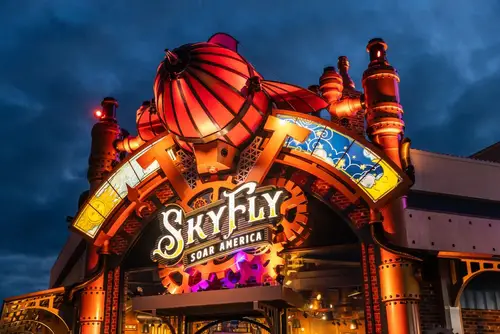
Pigeon Forge became famous as a gateway to the Great Smoky Mountains National Park, offering family entertainment, theme parks, and country music theaters. It once struck a balance between natural beauty and kitschy roadside fun. Attractions like the Titanic Museum and small theaters gave it a quirky, approachable charm. Many families felt it was a safe, memorable vacation stop.
In recent years, though, the town has become overcrowded and overly commercialized. Chain restaurants and large resorts dominate the landscape, leaving little of the original character. Traffic jams and crowded streets diminish the leisurely mountain experience. While it’s still a draw for tourists, the sense of authenticity and small-town magic has faded.
6. Myrtle Beach, South Carolina
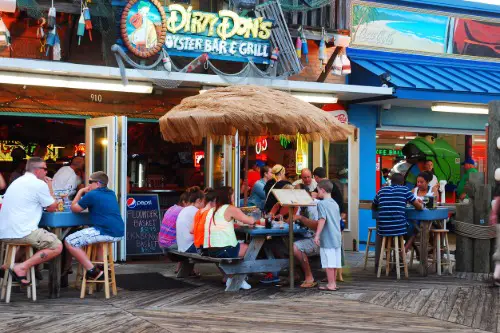
Myrtle Beach earned fame as a classic East Coast summer destination with its 60-mile coastline and family attractions. Mini golf courses, arcades, and beachfront hotels made it a reliable vacation spot for decades. Families could expect sun, surf, and entertainment without too many surprises. It held a certain nostalgic, sun-soaked charm that generations associated with carefree summers.
Now, Myrtle Beach faces issues of overdevelopment and aging infrastructure. Congested streets and a proliferation of generic hotels have eroded its distinct character. Seasonal crowds often overwhelm the area, making relaxation harder to achieve. While it’s still popular, the town feels more like a tourist trap than a charming getaway.
7. Gatlinburg, Tennessee
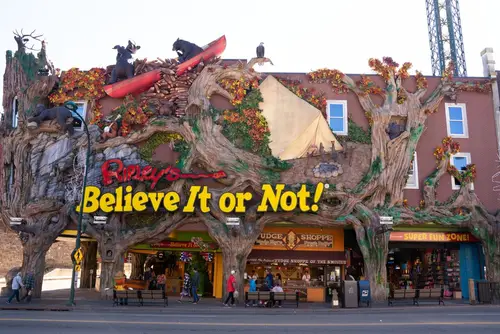
Gatlinburg was once a quaint mountain town, loved for its scenic beauty and easy access to the Great Smoky Mountains National Park. Visitors enjoyed cozy cabins, local artisan shops, and a peaceful, small-town vibe that made it feel like a true mountain escape. The town’s natural surroundings and homemade charm gave families and couples a relaxing getaway that felt authentic. Trails, waterfalls, and quiet streets made it a destination for those wanting to unplug.
Over the years, rapid commercialization and tourist traffic have dulled that original magic. Chain stores, amusement attractions, and crowded streets dominate the town center, creating a more chaotic experience. Seasonal peaks bring long lines and parking headaches, leaving little room for relaxation. While the surrounding mountains remain breathtaking, Gatlinburg itself now feels more like a busy tourist hub than a serene retreat.
8. Lake George, New York
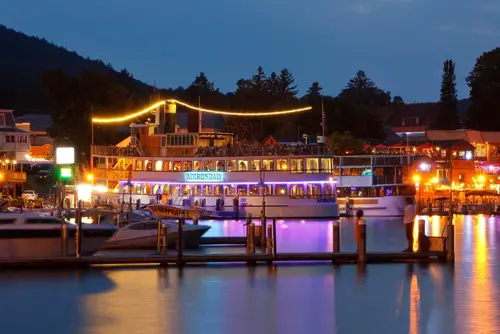
Lake George once thrived as a quiet resort town with a sparkling lake, historic inns, and small amusement parks. Families came for boating, hiking, and lakeside relaxation. It had an old-school appeal, with local shops and boardwalk attractions that felt unique and personable. Generations of visitors left with memories of a peaceful, charming lakeside vacation.
Increasing commercialization and heavy tourism have diluted that feel. Strip malls, chain hotels, and loud nightlife have replaced some of the town’s original charm. Peak summer weekends are crowded, leaving little room for relaxation. The serene getaway that once defined Lake George has been overshadowed by its own popularity.
9. Key West, Florida
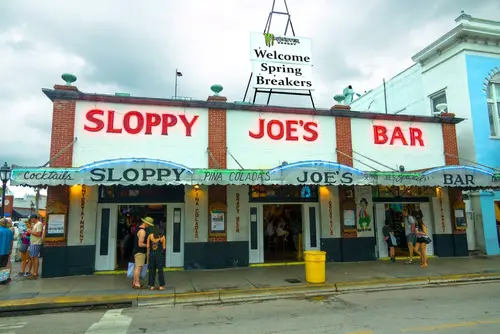
Key West was once a quirky island escape with pastel cottages, local bars, and an easygoing vibe. Its literary history and vibrant arts scene drew travelers looking for something different. Visitors could wander streets without feeling crowded, enjoy local seafood, and soak up sunsets without feeling commercialized. It had a unique, Bohemian charm that felt genuine.
Today, tourism and real estate pressures have transformed the island. Cruise ships bring large crowds, and many original locals have been priced out. Chain stores and high-end resorts now dominate key streets. The result is an island still beautiful but stripped of much of the quirky intimacy that made it special.
10. Carmel-by-the-Sea, California
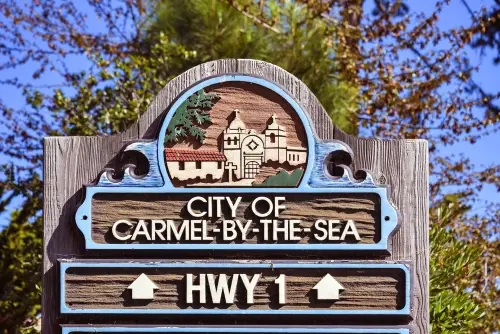
Carmel-by-the-Sea earned a reputation as an artists’ retreat with fairytale cottages, art galleries, and quiet beaches. Its small-town charm and creative community attracted writers, painters, and travelers seeking an intimate coastal experience. Walking the streets felt like stepping into a storybook. Boutique shops and local cafés reinforced that quaint atmosphere.
High-end real estate development and tourism have changed the dynamic. Luxury homes and boutique hotels now dominate prime areas. Parking and crowds during peak seasons disrupt the cozy feeling. The town still impresses visually but feels less like an artistic escape than a polished tourist stop.
11. Santa Cruz, California
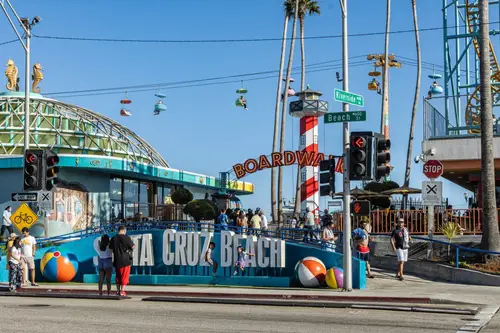
Santa Cruz once blended surf culture, a classic boardwalk, and a laid-back college-town energy. Its amusement park, surf spots, and local eateries made it feel like a quintessential California escape. Visitors enjoyed a mix of fun, relaxation, and alternative culture. The town carried a unique personality that distinguished it from nearby cities.
Rising housing costs and gentrification have shifted its character. The boardwalk remains, but commercial pressures and crowded streets have diluted the small-town vibe. Surf culture still exists, but the city feels more homogenized than it once did. Many longtime residents worry the charm that drew people in is slowly disappearing.
12. Atlantic City, New Jersey
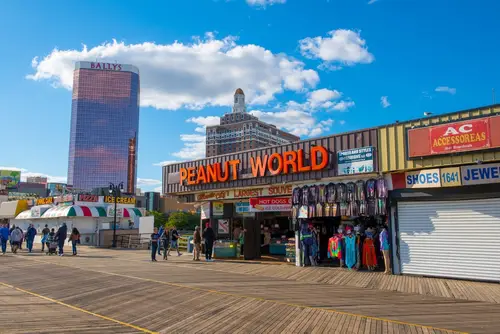
Once dubbed the East Coast’s answer to Las Vegas, Atlantic City built its reputation on the iconic Boardwalk, the historic Steel Pier, and a glittering lineup of casinos. Gambling was legalized in 1976, and for decades the city drew millions of visitors from New York and Philadelphia looking for an easy weekend escape. Big-name casinos opened throughout the 1980s and early 2000s, reshaping the skyline and the local economy. At its peak, it felt buzzy and almost glamorous in a gritty, neon-lit way.
But competition from newer casinos in Pennsylvania and New York cut deeply into that business starting in the mid-2000s. Several major properties closed in 2014, including the Trump Plaza Hotel and Casino, leaving empty buildings and lost jobs behind. While some resorts have reopened or rebranded, parts of the Boardwalk corridor still struggle with vacancy and infrastructure issues. Visitors today often notice the contrast between renovated casinos and blocks that haven’t kept up.
This post The Vacation Towns That Lost Their Magic was first published on American Charm.