1. Lanesboro
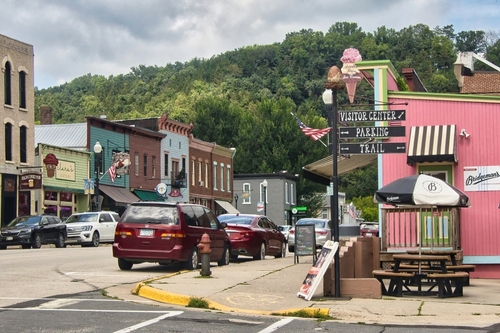
Lanesboro, often called the “Bed and Breakfast Capital of Minnesota,” is a tiny town of around 750 residents. It’s nestled in the bluff country of southeastern Minnesota, with the Root River running through it. Cyclists flock to the Root River State Trail, and the historic downtown is charmingly preserved. Life here moves at a gentle, almost storybook pace.
However, that small population means limited amenities year-round. Many businesses cater to tourists and may reduce hours in the off-season. Winters can be harsh, with snow and icy roads shaping daily routines. If you need a broader job market or big-box shopping, you’ll likely be driving to Rochester or La Crosse.
2. Decorah

Tucked into the bluffs of northeastern Iowa, Decorah feels like a postcard with its Norwegian heritage and rolling hills. Fewer than 8,000 people live here, and that small population means you’ll quickly start recognizing faces at the local coffee shop. It’s the kind of place where festivals like Nordic Fest bring everyone together. The Upper Iowa River winding through town adds to the peaceful, outdoorsy vibe.
The tradeoff is that job options can be limited outside of education, healthcare, and small local businesses. While Luther College provides cultural events and employment, it also means the town’s economy leans heavily on a few major institutions. Winters are long and snowy, which can make travel tricky. If you crave big-city nightlife or diverse dining, you’ll likely find yourself driving a couple of hours to a larger metro.
3. Bisbee
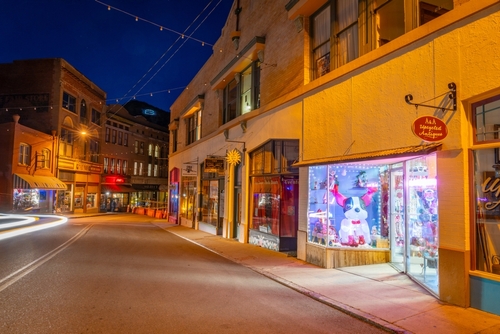
Perched in the Mule Mountains near the Mexican border, Bisbee is an old mining town turned artsy enclave. Its colorful hillside houses and historic downtown give it a quirky, creative energy. With a population of under 6,000, it’s undeniably quiet most days. The high desert scenery and cooler temperatures compared to Phoenix draw people seeking a slower pace.
But Bisbee’s remote location is part of the deal. The nearest major airport is in Tucson, about 90 miles away, which makes frequent travel less convenient. Healthcare options are more limited than in larger Arizona cities. And because it’s built into steep hills, navigating narrow streets and stairways can be a daily workout.
4. St. Marys
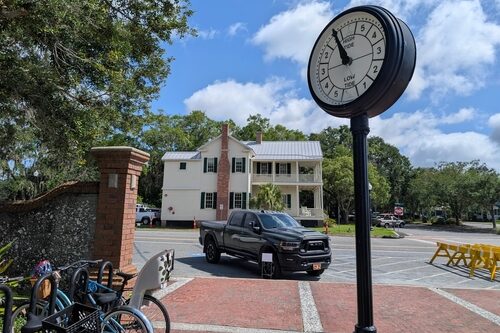
St. Marys sits along the southeastern Georgia coast, offering marsh views and a laid-back coastal atmosphere. It’s the gateway to Cumberland Island National Seashore, where wild horses roam and beaches feel blissfully untouched. With just under 20,000 residents, it feels neighborly without being bustling. Sunsets over the St. Marys River are part of everyday life here.
The flip side is that high-paying job opportunities can be sparse unless you’re connected to nearby Naval Submarine Base Kings Bay. Tourism ebbs and flows with the seasons, affecting local businesses. Hurricane season is a real consideration, bringing the possibility of evacuations and storm damage. And for major shopping or specialized medical care, Jacksonville, Florida is often the go-to.
5. Taos
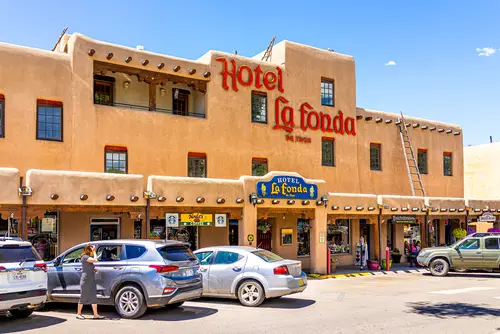
Taos blends mountain serenity with a deep artistic and cultural history. Surrounded by the Sangre de Cristo Mountains, it’s known for adobe architecture and dramatic desert skies. The town has about 6,000 residents, though it feels even smaller once tourist crowds thin out. Outdoor lovers enjoy skiing at Taos Ski Valley in winter and hiking in summer.
The cost of living can be surprisingly high compared to other rural New Mexico towns. Tourism drives much of the economy, which means seasonal fluctuations in income for many residents. Healthcare services are more limited than in Albuquerque or Santa Fe. And the high elevation, around 7,000 feet, can take some getting used to.
6. Port Townsend
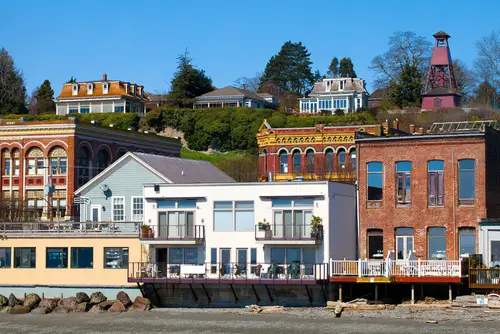
Set on the northeastern tip of the Olympic Peninsula, Port Townsend is known for its Victorian architecture and maritime heritage. With about 10,000 residents, it’s small but culturally active. Festivals, wooden boat gatherings, and art walks fill the calendar. Views of Puget Sound and the Cascade Mountains add to the everyday beauty.
Its relative isolation is part of the charm, but also a drawback. Getting to Seattle typically involves a ferry ride or a long drive around Puget Sound. Housing prices have climbed in recent years, partly due to its popularity with retirees. And job opportunities outside tourism, healthcare, and small business can be limited.
7. Marfa

Marfa sits in the high desert of West Texas and has become synonymous with minimalist art installations and wide-open skies. With fewer than 2,000 residents, it’s undeniably peaceful. The mysterious Marfa Lights add a dash of intrigue to quiet evenings. Its remote setting creates a feeling of real escape.
That remoteness also means the nearest large city, El Paso, is about three hours away by car. Groceries and everyday goods can be more expensive due to transportation costs. Summer temperatures regularly soar, and the desert climate is unforgiving. The art scene is vibrant, but beyond that, entertainment options are limited.
8. Eureka Springs
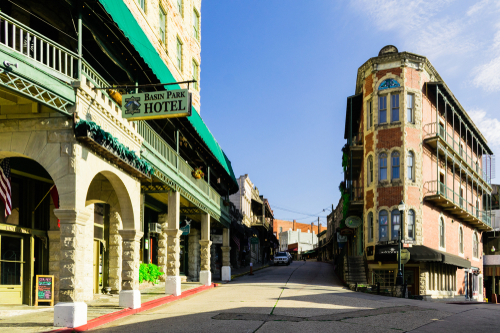
Nestled in the Ozark Mountains, Eureka Springs is known for its winding streets and preserved Victorian buildings. The entire downtown is on the National Register of Historic Places, giving it a distinctive feel. About 2,200 people call it home, and many are involved in tourism or the arts. Natural springs and nearby lakes add to the tranquil atmosphere.
However, its hilly terrain and narrow roads can be challenging to navigate. The local economy depends heavily on visitors, so business can be seasonal. Healthcare facilities are smaller, with more specialized care requiring travel to larger cities like Fayetteville. And job diversity outside hospitality and retail is limited.
9. Bar Harbor
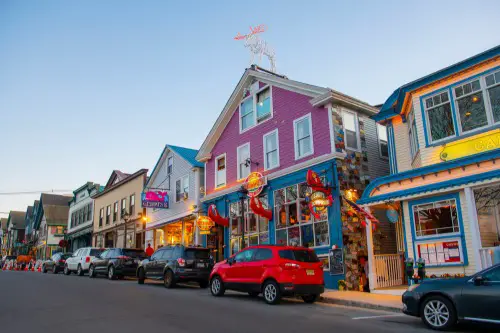
Bar Harbor is the quintessential New England coastal town, perched on Mount Desert Island. It serves as a gateway to Acadia National Park, drawing millions of visitors each year. Fewer than 6,000 people live here year-round, which means winters are notably quiet. The ocean views and rocky coastline are stunning in every season.
The tradeoff is that summer tourism can overwhelm the small-town infrastructure. Traffic and crowds become part of daily life during peak months. The cost of housing has risen sharply, partly due to vacation homes and short-term rentals. Winters, while peaceful, can feel isolating with reduced services and icy conditions.
10. Crested Butte
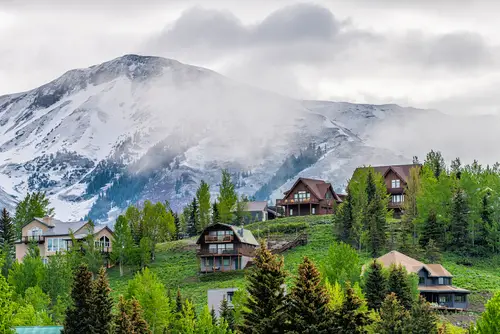
Crested Butte is often called the “Wildflower Capital of Colorado,” and it’s easy to see why in summer. With a population under 2,000, it offers mountain-town serenity. Skiing at Crested Butte Mountain Resort drives much of the winter activity. The surrounding Elk Mountains provide year-round outdoor adventure.
The cost of living here is high, especially when it comes to housing. Many workers commute from nearby towns because in-town prices are steep. Tourism is a major economic driver, leading to busy peak seasons. And the remote mountain location can make winter travel challenging when snowstorms hit.
11. Beaufort
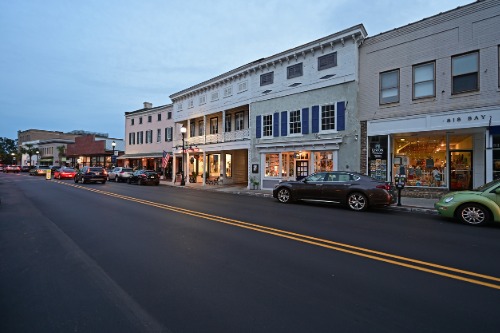
Beaufort sits on Port Royal Island and charms visitors with its antebellum architecture and waterfront views. The population is just over 13,000, giving it a small-town feel with a historic edge. Spanish moss drapes from live oaks, and the downtown marina is a gathering spot. Its coastal Lowcountry culture is distinctive and relaxed.
On the other hand, humidity and hurricane risks are part of life along the South Carolina coast. Job opportunities outside tourism, healthcare, and the nearby Marine Corps Air Station can be limited. Housing costs have increased as more people discover its appeal. And like many smaller coastal towns, amenities can’t match those of larger cities.
12. Sandpoint
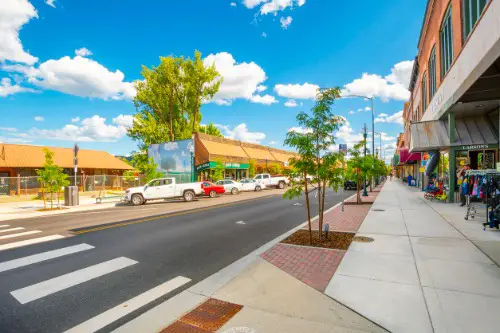
Sandpoint rests on the shores of Lake Pend Oreille in northern Idaho. About 9,000 residents enjoy lake views, forested mountains, and a tight-knit community. Schweitzer Mountain Resort provides skiing in winter and hiking in summer. The downtown area has independent shops and a relaxed, outdoorsy character.
Its northern location means long, snowy winters that can test your tolerance for cold. Employment opportunities are often tied to tourism, healthcare, or small local businesses. The nearest larger city, Spokane, Washington, is about 75 miles away for more specialized services. If you need a major airport or a broader job market, regular travel may become part of your routine.
13. Galena
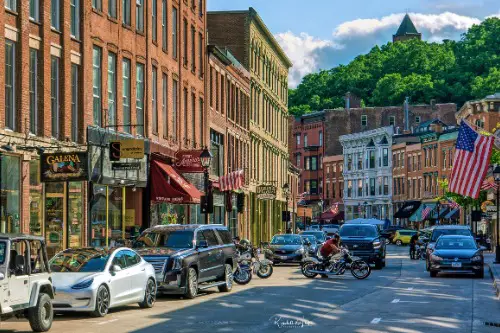
Galena is a historic town in northwestern Illinois known for its well-preserved 19th-century buildings. Once a bustling mining center, it now has around 3,000 residents. Main Street feels like stepping back in time, lined with boutiques and cafes. Rolling hills and scenic drives surround the town, adding to its quiet charm.
The tradeoff is a tourism-driven economy that ebbs and flows with the seasons. Winters can be cold and quiet, with fewer visitors and reduced business hours. Career options outside hospitality, retail, and small services are limited. And for larger healthcare facilities or corporate job opportunities, residents often look toward Dubuque or the Quad Cities.
This post The Towns Where Quiet Living Comes With Tradeoffs was first published on American Charm.