1. Piggly Wiggly
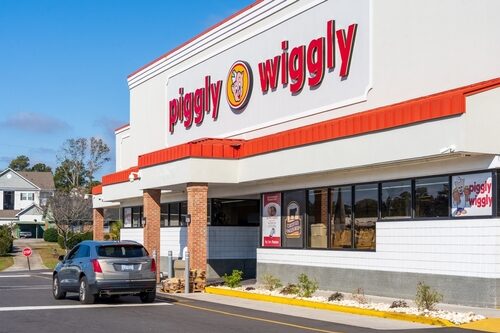
The name Piggly Wiggly sounds so quaint that it almost has to be local. Many people associate it with small Southern towns and assume it’s a tiny regional grocer. Founded in 1916 in Tennessee, it was actually one of the first self-service grocery store chains in the United States. Today, independently owned Piggly Wiggly stores operate in multiple states, primarily across the South and Midwest.
Each store is locally owned and often tailored to its specific community. That independent structure makes it feel especially hometown-driven. However, the shared branding and supply networks connect them under one broader company umbrella. It’s a patchwork of local stores that collectively span a wide geographic area.
2. Publix
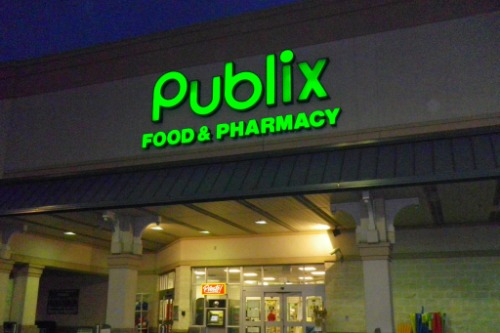
Ask someone in Florida about Publix and you’ll likely hear it described as a Florida institution. The Pub Subs, the bakery cakes, and the famously polite service feel deeply tied to the Southeast. Because it was founded in Winter Haven, Florida in 1930, many shoppers assume it’s mostly confined there. In reality, Publix operates across multiple Southeastern states, including Georgia, Alabama, South Carolina, North Carolina, Tennessee, Kentucky, and Virginia.
The branding leans into community, with store managers who often know regulars by name. That hyper-local customer service vibe makes each location feel neighborhood-specific. Still, the core layout, private-label products, and weekly deals are standardized companywide. It feels like your local grocery store, even though it’s part of a large regional chain spanning several states.
3. Waffle House
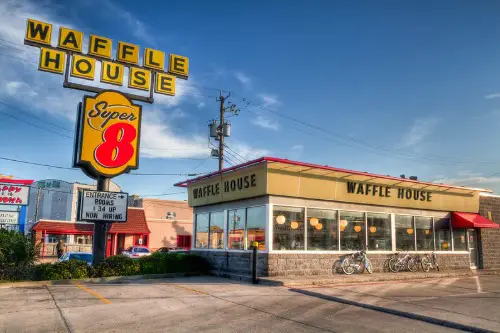
For many people, Waffle House feels like it belongs exclusively to the Deep South. The yellow sign glowing off a highway exit at 2 a.m. has become shorthand for Southern road trips. Because it was founded in Georgia and has a heavy concentration there, it’s easy to assume it’s just a regional staple. In fact, Waffle House operates in more than 20 states, primarily across the South and parts of the Midwest.
Each location has that familiar counter seating, open grill, and hash browns “scattered, smothered, and covered.” The menu is remarkably consistent from state to state, down to the laminated placemats. Regulars talk about “their” Waffle House like it’s a hometown diner. But behind that local-diner feel is a tightly run national chain with hundreds of locations.
4. H-E-B
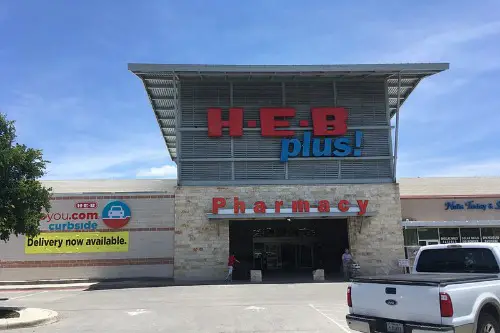
Texans are famously protective of H-E-B. The store brands, Texas-shaped tortilla chips, and disaster-response efforts make it feel woven into the state’s identity. Because most locations are in Texas, many people assume it’s entirely local. However, H-E-B also operates stores in Mexico and has expanded in select areas beyond its original footprint.
What makes H-E-B feel hyperlocal is how tailored each store is to its neighborhood demographics. You’ll see different product selections based on community preferences, which reinforces that hometown vibe. Yet the company infrastructure, private labels, and logistics network are massive and centralized. It feels like a Texas original on every corner, even though it’s a large, multi-region operation.
5. Sheetz
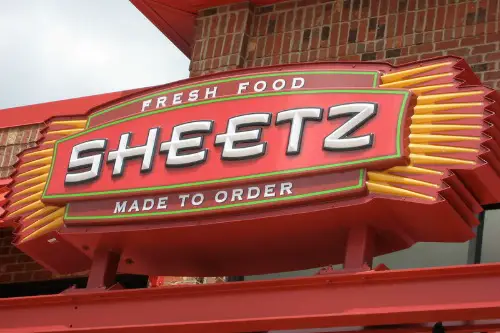
In Pennsylvania, Sheetz is often treated like a cultural marker. The made-to-order touchscreen food and late-night energy give it a distinct regional personality. Because it started in Altoona, Pennsylvania, many people think of it as purely local to that state. In reality, Sheetz operates across several states, including Ohio, West Virginia, Virginia, Maryland, and North Carolina.
The menu customization and branded merchandise create a loyal fan base that feels almost hometown-exclusive. Customers debate it passionately against rival convenience chains as if it’s a local sports team. Yet the store layouts, ordering systems, and food offerings are standardized across state lines. It feels like your neighborhood spot, even though it spans a wide multi-state footprint.
6. In-N-Out Burger
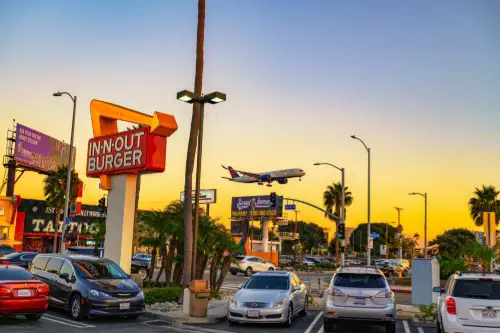
To West Coasters, In-N-Out Burger feels inseparable from California. The palm trees in the logo and the not-so-secret menu are deeply associated with the state’s car culture. For decades, its locations were limited to the West, reinforcing that regional mystique. But the chain has expanded into states like Texas, Arizona, Nevada, Utah, Colorado, Oregon, and Idaho.
Despite that growth, the company maintains tight geographic control and consistent quality standards. The menu is famously simple and nearly identical everywhere it operates. Fans in each state often treat their local In-N-Out as a point of pride. That cult-like loyalty makes it feel regional, even though it now spans multiple states.
7. Menards
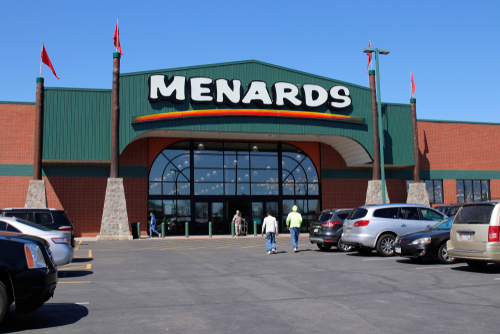
In the Midwest, Menards feels like the default home improvement store. The catchy jingle and the sprawling warehouse layouts are staples in states like Wisconsin and Minnesota. Because it’s less visible on the coasts, many people assume it’s strictly local. In fact, Menards operates hundreds of stores across numerous Midwestern states.
The stores carry a mix of hardware, groceries, and home goods that reflect regional buying habits. That practical, no-frills approach gives it a hometown hardware store vibe. Yet the branding, store design, and weekly rebate promotions are consistent companywide. It feels regional because of where it’s concentrated, but it’s far from a single-state operation.
8. Buc-ee’s

If you’ve ever driven through Texas, you might swear Buc-ee’s is a purely Lone Star phenomenon. The beaver mascot, the wall of beef jerky, and the sheer size of the stores feel aggressively regional. For years, it really was concentrated in Texas, which helped cement that reputation. But the chain has expanded into multiple states across the South and Midwest, including Alabama, Georgia, Florida, Tennessee, Kentucky, and others.
Part of why Buc-ee’s feels local is that each store leans hard into road trip culture and regional pride. Yet the formula—massive travel centers, pristine bathrooms, and branded snacks—is consistent everywhere. Travelers from different states often claim it as “their” Buc-ee’s once one opens nearby. That sense of ownership makes it feel homegrown, even though it’s now a multi-state operation.
9. Casey’s

If you’re from a small Midwestern town, Casey’s might feel like your local gas station. Known for its pizza and breakfast items, it often serves as a social hub in rural areas. Because many locations are in smaller towns, it can seem hyper-regional. In reality, Casey’s operates thousands of stores across numerous states in the Midwest and South.
The brand leans into community sponsorships and small-town familiarity. You’re as likely to see neighbors chatting inside as you are customers grabbing fuel. Still, the pizza menu, rewards app, and store branding are consistent from state to state. It feels like the corner store, but it’s actually a large, publicly traded company with a broad footprint.
10. WinCo Foods
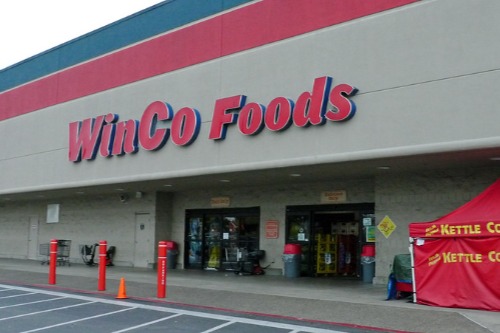
On the West Coast, WinCo Foods feels like a local secret for bargain shoppers. The employee-owned model and bulk food bins give it a distinctive identity. Because it avoids heavy advertising, many assume it’s a small regional player. In fact, WinCo operates stores across multiple Western states, including Washington, Oregon, California, Idaho, Nevada, Utah, Arizona, Texas, and Oklahoma.
The no-frills warehouse layout reinforces the sense that it’s just a smart local alternative. Shoppers often treat it like insider knowledge specific to their area. Yet the pricing strategy, store design, and private-label goods are standardized companywide. It feels grassroots, but it spans a wide multi-state region.
11. Culver’s
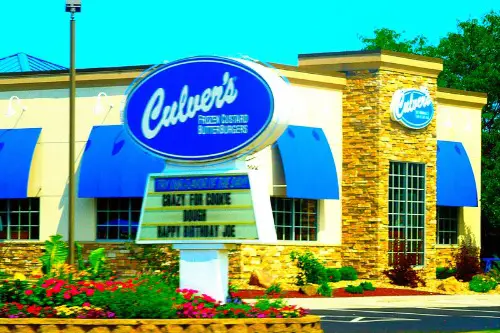
In Wisconsin, Culver’s is often spoken of as if it’s a state treasure. The ButterBurgers and fresh frozen custard are deeply associated with Midwestern comfort food. Because it was founded in Sauk City, Wisconsin, many people assume it’s confined to that region. In reality, Culver’s operates in more than 25 states across the country.
Each location emphasizes hospitality and community involvement, which strengthens that local attachment. The daily Flavor of the Day program even varies by store, adding to the hometown feel. Still, the core menu, branding, and operational standards are tightly controlled across all locations. It feels like a local diner chain, even though it has a broad national footprint.
This post The Things That Feel Local — But Exist Nationwide was first published on American Charm.