
1. Small Talk With Strangers
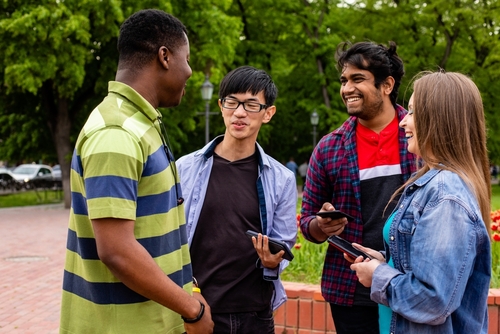
If you’ve ever chatted with someone in line at a grocery store in Atlanta and then tried the same thing in Seattle, you may have noticed a difference. In much of the South and parts of the Midwest, casual conversation with strangers is common and even expected. People might ask where you’re from or comment on the weather as a friendly gesture. It’s generally seen as polite and warm rather than intrusive.
On parts of the West Coast and in some Northeastern cities, people tend to value personal space more in public settings. Striking up a conversation with someone you don’t know can feel unusual or even uncomfortable. This doesn’t mean people are unfriendly, just that social boundaries are drawn differently. The contrast stands out most when you move between regions and suddenly feel either overly chatty or oddly silent.
2. How Direct People Are

Communication styles shift dramatically between regions like New York City and Los Angeles. In New York, directness is often appreciated and efficiency is valued in conversation. People may say exactly what they mean without much cushioning. It’s usually intended as clarity, not rudeness.
In contrast, many West Coast communities lean toward a softer approach. Feedback might be phrased more gently or wrapped in positive language. This can sometimes be interpreted by outsiders as vague, even though it’s meant to preserve harmony. If you switch coasts, you might find yourself recalibrating how blunt or diplomatic you sound.
3. Attitudes About Time

Punctuality can feel almost sacred in cities like Boston. Showing up late to a meeting or dinner might be viewed as disrespectful. There’s often an expectation that you’ll arrive exactly on time, if not a few minutes early. Professional settings especially emphasize strict schedules.
In parts of the West Coast and the South, timing can feel more relaxed depending on the context. Social gatherings sometimes operate on a looser interpretation of the start time. Being ten or fifteen minutes late to a casual event may not raise eyebrows. That difference can surprise newcomers who are used to clock-watching.
4. Hospitality and Hosting

In many Southern states, hospitality is a deeply rooted cultural value. In cities like Charleston, hosting often involves offering food, drinks, and extended conversation. Guests may be encouraged to stay longer and make themselves fully at home. Turning down an offer can even feel impolite.
On the West Coast, hospitality is still warm but can be more low-key. Invitations might be shorter and less formal, and guests often contribute something to the gathering. The expectation of lingering for hours isn’t always the same. The difference shows up in the details, like how many times someone insists you take seconds.
5. Tipping Expectations

Tipping is standard across the United States, but the culture around it can vary. In high-cost cities like San Francisco, 20 percent is widely viewed as the baseline for restaurant service. Service workers often depend heavily on gratuities to make a living wage. Diners who leave less may stand out.
In some smaller towns or regions with lower menu prices, tipping 15 to 20 percent is still common but expectations may feel less rigid. The social pressure around exact percentages can differ. That subtle variation becomes noticeable when traveling between regions. It’s less about different rules and more about different norms around what counts as generous.
6. Political Conversations in Public

In parts of the Northeast and West Coast, political discussions can be open and frequent. In cities like Portland, it’s not unusual to see visible political signage or attend rallies. Conversations about policy may happen openly at social gatherings. Expressing strong opinions can be part of everyday discourse.
In other regions, especially in parts of the South and Midwest, political views might be discussed more cautiously in mixed company. People sometimes avoid the topic to maintain social harmony. The emphasis can be on keeping the peace rather than debating differences. That shift becomes clear when you move from outspoken spaces to more reserved ones.
7. Dress Codes in Daily Life

In places like Miami, style can be bold and expressive even for everyday errands. Bright colors, fitted outfits, and statement pieces are common in public spaces. Looking put together is often part of the social atmosphere. Fashion can feel like a form of self-expression.
On much of the West Coast, especially in cities like Portland, casual dress is the norm. Athleisure, jeans, and outdoor gear show up in restaurants and offices alike. Being overdressed can feel more awkward than being underdressed. The contrast highlights how clothing signals belonging in different regions.
8. How People Handle Conflict

In cities such as Philadelphia, open disagreement can be part of everyday conversation. Debates may be spirited and animated without necessarily harming relationships. Direct confrontation is sometimes viewed as honest and efficient. Raised voices do not always mean lasting offense.
In many West Coast communities, conflict is more likely to be managed quietly. People may prefer mediation, private conversations, or indirect cues. Avoiding public scenes is often considered respectful. Moving between these styles can feel jarring if you are used to one approach.
9. Work-Life Boundaries

In fast-paced hubs like New York City, career ambition often takes center stage. Long hours and networking after work can be common in certain industries. Talking about your job achievements is usually acceptable. Professional identity can strongly shape social life.
On parts of the West Coast, particularly in cities like San Diego, there is often a visible emphasis on lifestyle balance. Outdoor activities and personal time can hold equal importance. While people work hard, there may be more cultural space for flexible schedules. The contrast becomes obvious when comparing weekend priorities.
10. Regional Food Pride
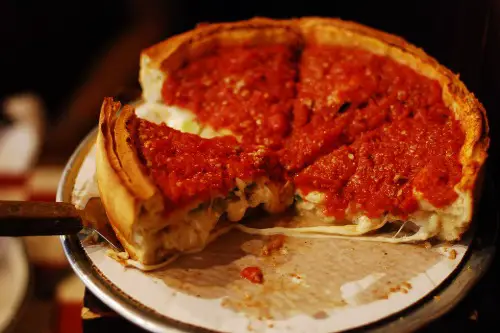
Food is personal everywhere, but regional pride runs deep. In Chicago, debates about deep-dish pizza can become surprisingly passionate. Local specialties are defended with enthusiasm. Suggesting a different style is better can spark a friendly argument.
On the coasts, different dishes dominate local identity. In Los Angeles, tacos and fusion cuisine reflect the city’s cultural mix. In Boston, seafood traditions like clam chowder are part of the heritage. Traveling coast to coast means encountering not just new flavors, but new loyalties.
11. Attitudes Toward Nature and Outdoor Life
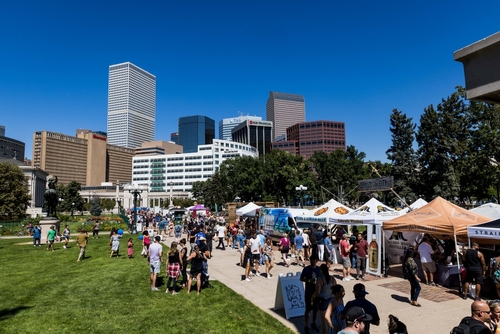
In West Coast states, outdoor culture is often woven into daily routines. Cities like Denver emphasize proximity to mountains and trails as a lifestyle perk. Weekend hikes, skiing trips, and beach outings are common social activities. Fitness and fresh air are often central to identity.
On the East Coast, access to nature exists but urban density can shape routines differently. In places like Washington, green spaces are valued yet balanced with historical and political landmarks. Social life may revolve more around cultural institutions and restaurants. The shift in emphasis shows how geography influences everyday norms.
This post The Social Norms That Feel Different Coast to Coast was first published on American Charm.

