1. Los Angeles, California
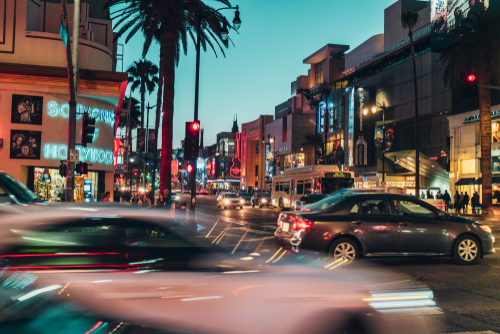
In Los Angeles, the dream has always been sunshine and possibility. The entertainment industry anchored by Hollywood keeps the city culturally dominant. Beach access, creative careers, and year-round mild weather once made leaving feel almost absurd. For many, it was the ultimate lifestyle city.
Yet traffic congestion remains among the worst in the country, often turning short commutes into hour-long ordeals. Wildfire smoke and drought conditions have added environmental anxieties to everyday life. Housing prices and rents have climbed steadily, squeezing even middle-class earners. Increasingly, former Angelenos are trading palm trees for affordability in states like Nevada and Texas.
2. San Francisco, California
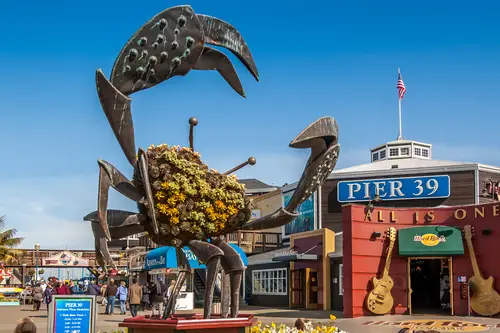
For years, people in San Francisco insisted they would never leave the fog, the food, or the feeling of living at the center of innovation. It was the heart of the tech boom, home to giants like Salesforce and a short drive from Silicon Valley. But soaring housing costs pushed the median home price well above $1 million for much of the past decade. Even loyal residents began to question whether the lifestyle matched the price tag.
Then the pandemic shifted work-from-home norms, making it easier to keep Bay Area salaries while living elsewhere. Concerns about homelessness and public safety also became harder for some residents to ignore. High state taxes added another layer of financial strain. For many who once swore they’d stay forever, the math simply stopped working.
3. New York City, New York
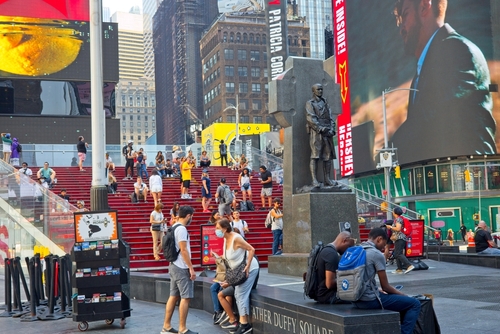
Ask a lifelong resident of New York City and they’ll tell you it’s the center of the universe. The energy, the 24-hour subway, and the cultural weight of places like Broadway make it feel irreplaceable. For decades, ambitious Americans moved there with the assumption they’d never leave. It was where careers were built and identities were forged.
But sky-high rents, which routinely top $3,000 a month for a one-bedroom in Manhattan, have thinned out even the most devoted fans. The early pandemic years saw a measurable population dip as remote work untethered finance and media professionals. Some families sought more space after extended lockdowns in small apartments. The city remains magnetic, but fewer people are convinced it has to be forever.
4. Chicago, Illinois
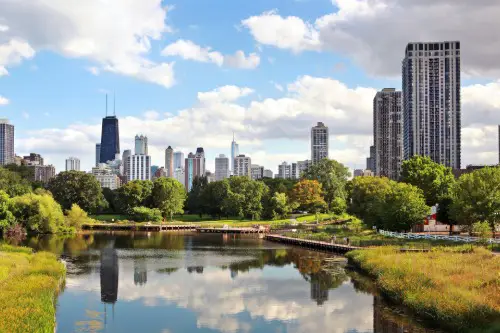
People who love Chicago tend to love it loudly. The lakefront, deep-dish debates, and neighborhoods with distinct personalities make it feel grounded and real. Major employers and cultural institutions, from University of Chicago to global consulting firms, provide steady opportunity. For many Midwesterners, it felt like the perfect balance of big-city energy and hometown loyalty.
But harsh winters and persistent concerns about violent crime have influenced relocation decisions. Illinois’ long-running pension debt issues have contributed to higher property taxes in the state. Some residents have sought lower-cost living in nearby states like Indiana or Wisconsin. Devotion to the skyline remains strong, yet departures have become more common.
5. Seattle, Washington
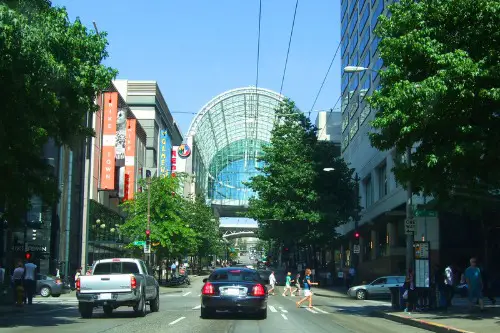
In Seattle, tech prosperity reshaped the city almost overnight. Headquarters for Amazon and a major presence from Microsoft brought high-paying jobs and rapid growth. Coffee culture, mountain access, and progressive politics cemented fierce local pride. Many newcomers arrived assuming they’d plant permanent roots.
But rapid growth also drove home prices sharply upward over the past decade. Tensions over homelessness and public drug use became central civic debates. The famously gray winters can wear on even committed residents. As remote work expanded, some tech workers realized they could keep their jobs without Seattle’s cost of living.
6. Austin, Texas
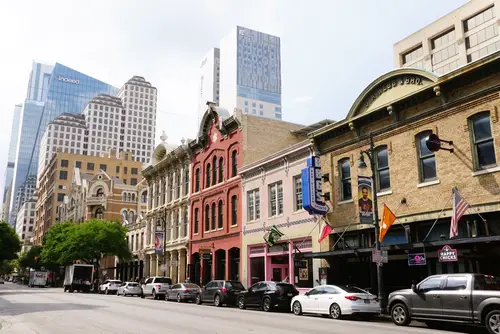
For years, Austin marketed itself as weird, affordable, and full of opportunity. The annual South by Southwest helped brand it as a hub for tech, music, and film. Californians and New Yorkers arrived in waves, convinced they’d found the perfect balance. Low state income taxes made staying seem like a financial no-brainer.
Then housing prices skyrocketed, with median home values doubling in a short span during the early 2020s. Infrastructure struggled to keep pace with rapid population growth. Longtime locals began lamenting rising property taxes and worsening traffic. Some of the very people who once fled pricier cities started looking for the next affordable frontier.
7. Denver, Colorado
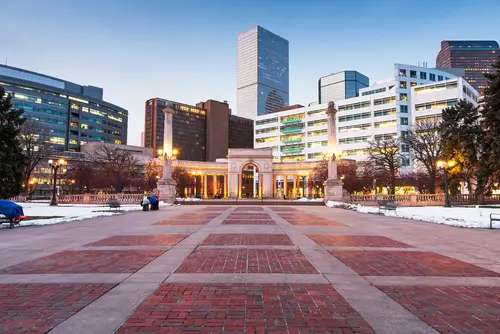
Outdoor lovers flocked to Denver for easy access to the Rockies. Proximity to destinations like Rocky Mountains made weekend adventures part of everyday life. A booming craft beer scene and expanding job market drew transplants from both coasts. Many insisted they’d never trade mountain views for anything else.
But rapid population growth drove up home prices and rent across the metro area. Wildfire smoke from regional fires has increasingly affected summer air quality. Traffic along I-70 toward ski country can test anyone’s patience. For some, the dream began to feel crowded and expensive.
8. Portland, Oregon
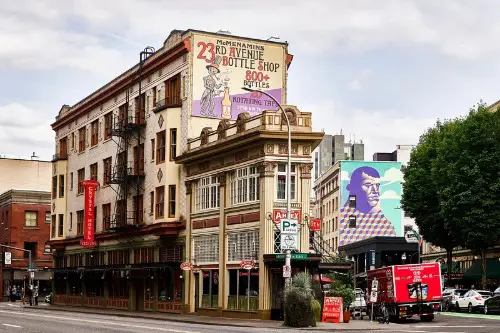
In Portland, individuality has long been a point of pride. Independent bookstores like Powell’s City of Books symbolize its creative spirit. The city drew artists, remote workers, and entrepreneurs who believed they’d found their forever home. It felt manageable, green, and community-oriented.
However, rising housing costs and visible homelessness have shifted perceptions. The city faced national attention during protests in 2020, altering how some outsiders viewed it. Business closures in the downtown core added to concerns about recovery. Even devoted Portlanders have quietly considered new starts elsewhere.
9. Washington, D.C.
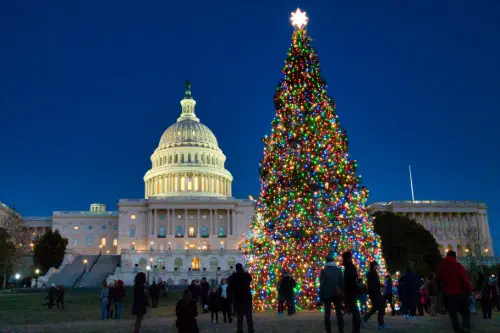
Life in Washington, D.C. often feels mission-driven. Careers tied to government agencies and institutions like The White House attract ambitious professionals. Networking opportunities and policy influence create a sense of purpose. Many arrive assuming they’ll always want to be close to power.
Yet high housing costs rival other East Coast metros. Political burnout is real, especially during election cycles and government shutdown threats. Some workers transitioned to remote policy or consulting roles after 2020. With that flexibility, staying in such an expensive city became optional.
10. Boston, Massachusetts
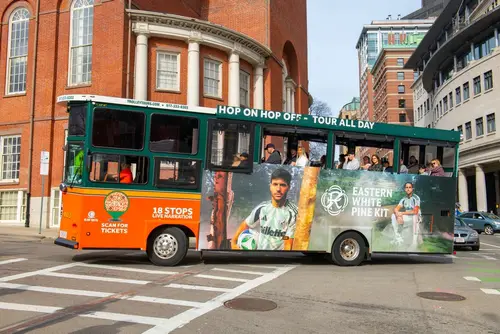
Residents of Boston often speak about it with fierce loyalty. World-class institutions like Harvard University anchor its academic and medical reputation. Walkable neighborhoods and deep Revolutionary history give it character. Many transplants planned to stay long after college or grad school.
But limited housing supply has kept prices high for years. Winters can be long and snowy, testing even die-hard New Englanders. Competitive job markets in biotech and academia can also mean intense pressure. Some families eventually seek more space and lower costs in nearby states.
11. Miami, Florida
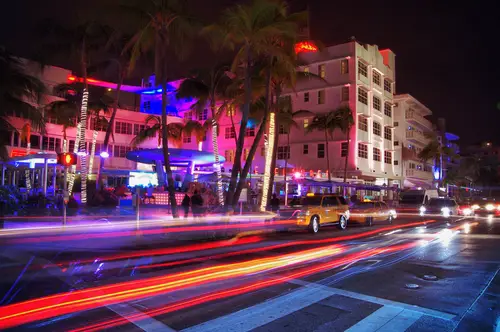
In Miami, lifestyle is everything. Beaches, nightlife, and proximity to Latin America give it global flair. The skyline in areas like Brickell became a symbol of rapid growth. During the pandemic, remote workers and finance firms poured in, convinced they’d found paradise.
But rising insurance costs tied to hurricane risk have become a serious concern. Condo prices surged, making ownership less accessible. Climate change and sea-level rise discussions loom large in local politics. For some residents, long-term stability now outweighs ocean views.
12. Phoenix, Arizona
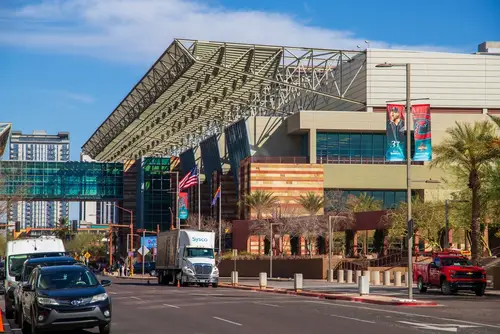
Phoenix has long attracted retirees and families seeking sunshine. Suburban growth and relatively affordable housing once made it an easy choice. The broader metro area expanded rapidly in the 2010s and early 2020s. Many newcomers believed they’d secured a permanent upgrade in quality of life.
However, extreme summer heat has intensified, with record-breaking temperatures in recent years. Water supply concerns tied to the Colorado River drought have entered everyday conversation. Housing prices climbed sharply during the pandemic migration wave. Some residents are reconsidering whether the desert bargain is still a bargain.
13. Nashville, Tennessee
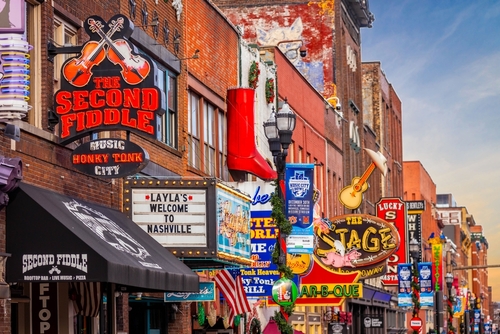
Music City loyalty runs deep in Nashville. Institutions like Grand Ole Opry anchor its country music legacy. A growing healthcare and corporate sector diversified its economy. For years, it felt like a smaller city with big momentum.
Then rapid growth pushed up home prices and rents across Davidson County. Infrastructure and transit options lagged behind population increases. Longtime residents have voiced concerns about losing local character. What once felt comfortably sized now feels, to some, overwhelmingly busy.
14. Atlanta, Georgia
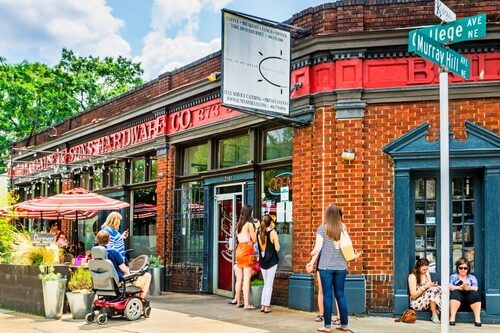
Atlanta has been a magnet for business and culture in the Southeast. Corporate giants like The Coca-Cola Company call it home. A booming film and television industry added new layers to its economy. Many residents believed they could build full careers without ever needing to relocate.
But traffic congestion remains a daily frustration across the metro area. Housing costs have risen significantly in once-affordable neighborhoods. Summer heat and humidity can be relentless. Increasingly, some Atlantans are weighing opportunity against quality-of-life tradeoffs.
15. Honolulu, Hawaii

Living in Honolulu often feels like winning the lottery. The beaches of Waikiki Beach are world-famous for a reason. Island culture and natural beauty foster deep attachment. Many residents insist they could never leave paradise.
Yet the cost of living is among the highest in the United States, driven by the expense of importing goods. Housing prices are steep, and job markets can be limited outside tourism and the military. Geographic isolation makes travel to the mainland costly and time-consuming. For some, practicality eventually outweighs the postcard view.
This post The Cities Americans Swore They’d Never Leave — Until Now was first published on American Charm.