1. Sage smudging for “cleansing”
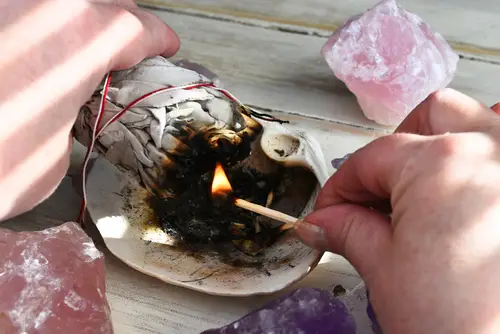
Many Americans burn sage bundles to “clear negative energy” from a home. While its origins belong to Indigenous traditions, modern U.S. households use it as a general spiritual practice. People wave smoke into corners and doorways to promote peace. It has become a mainstream superstition.
The ritual persists because it offers a physical action that feels like emotional reset. People love the tangible nature of lighting and waving the sage. It becomes a comforting routine when moving into a new place or after stressful events. That emotional payoff keeps the practice alive.
2. Tossing spilled salt over the left shoulder
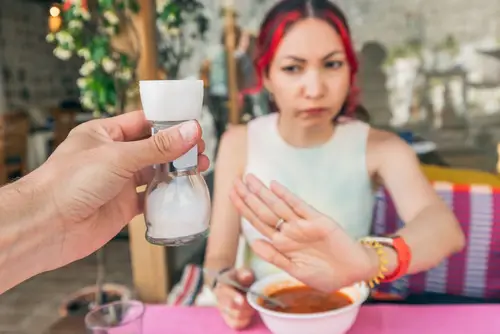
In the U.S., when salt spills, plenty of people still toss a pinch over their left shoulder. The act is supposed to blind or distract lurking bad spirits. You’ll see people do it at restaurants or family dinners, sometimes jokingly. But the instinct comes from a long-held superstition.
Americans keep this one going because it’s quick, harmless, and oddly satisfying. It also turns an awkward moment—knocking over a salt shaker—into a tiny ritual. Parents often teach it to kids without much explanation, just “for luck.” That tradition helps it quietly persist.
3. Avoiding umbrellas indoors
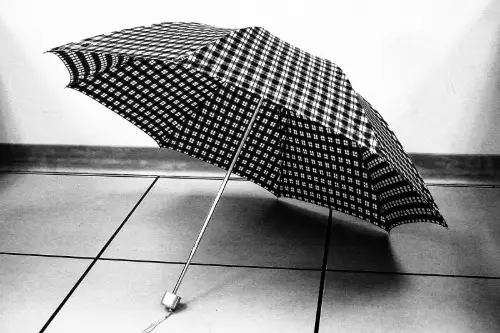
American households commonly treat opening an umbrella indoors as an invitation for misfortune. Even if someone doesn’t believe in bad luck, they may avoid doing it “just in case.” You’ll notice people stepping outside or into a hallway before opening a new umbrella. It’s a superstition wrapped in everyday etiquette.
It sticks around because it overlaps with practical sense—umbrellas indoors can poke someone or cause a mess. The superstition gives a simple rule extra weight. Grandparents especially love reminding kids not to break this one. The blend of safety and folklore keeps it alive.
4. Not placing shoes on a table

In the U.S., putting shoes on a table—especially new ones—is widely considered unlucky. Many households treat it as a hard rule, even if they can’t say why. Some see it as tempting fate; others blend hygiene concerns with superstition. Either way, it’s one of those habits people enforce strongly.
Americans keep this tradition because it feels like a small show of respect for the home. Even people who don’t believe in bad luck dislike the idea of “inviting trouble.” Families pass it down as a household norm rather than a mystical belief. That makes it surprisingly resilient.
5. The New Year’s “kiss at midnight”

Americans often believe that kissing someone at midnight on New Year’s Eve brings a year of affection and togetherness. Even people who are not sentimental follow it because it feels like tradition. You’ll see couples, friends, and even families do it. It’s less about romance and more about sharing good luck.
This ritual persists because it offers a small emotional reassurance—ending the year with connection should help start the next one right. It also turns a loud, chaotic night into a brief moment of warmth. The superstition blends seamlessly into celebration, making it hard to drop. Many Americans keep it without thinking twice.
6. Hoppin’ John on New Year’s Day

Across much of the U.S., especially the South, eating Hoppin’ John—black-eyed peas, rice, and pork—is seen as a way to draw prosperity. The peas symbolize coins, and the dish is treated as a luck booster. Families gather to make it in huge pots on January 1. Some even add greens for extra “wealth.”
Americans continue this custom because it ties food, family, and hope into one bowl. It’s comforting, affordable, and rooted in generations of tradition. Even people who never eat black-eyed peas any other time still cook them on New Year’s Day. The cultural weight keeps the superstition intact.
7. Carrying a lucky penny
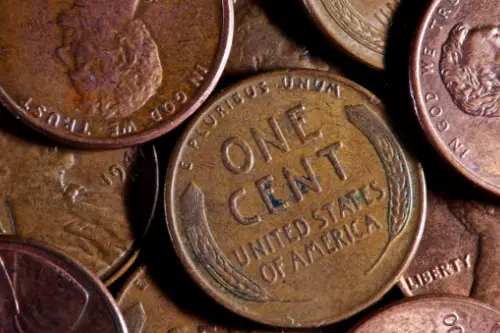
Finding a penny—especially one heads-up—is seen as a mini good-luck charm. Americans of all ages still bend down to pick it up. Some even carry one in a purse or wallet for reassurance. It’s one of the simplest, most common superstitions in the country.
The ritual sticks because it turns a tiny discovery into a positive moment. People love the idea that luck can show up in everyday places. Parents teach kids the “see a penny, pick it up” rhyme, cementing it early. That keeps the practice quietly widespread.
8. Not stepping on sidewalk cracks

“Step on a crack, break your mother’s back” is a rhyme nearly every American child learns. Kids jump over cracks for fun, but the rhyme gives it a superstitious twist. Even adults sometimes avoid a crack without thinking. The belief becomes a mix of game and folklore.
The ritual remains because it blends physical play with storytelling. Parents pass it down playfully, not seriously, which keeps it non-threatening. It creates a bit of whimsy in daily walking. That nostalgia helps the superstition linger long after childhood.
9. Making a wish on birthday candles
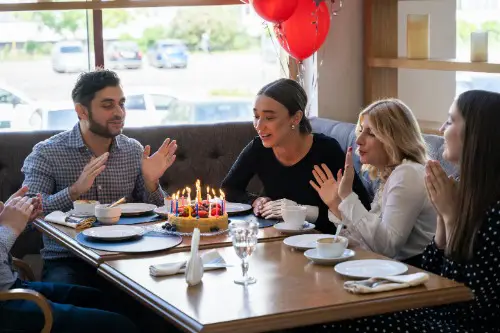
Americans lean forward, close their eyes, and blow out birthday candles in one breath to “make the wish come true.” Kids and adults alike take the moment seriously. Some even refuse to share their wish so it won’t “break the magic.” It’s one superstition nearly everyone participates in.
It persists because it adds a sense of mystery and hope to birthdays. The ritual gives people a single moment to pause and imagine something good. Families reinforce it celebration after celebration. The repetition keeps the superstition thriving.
10. Saving the wishbone
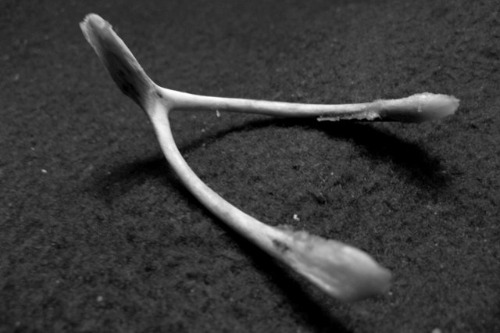
At Thanksgiving and some Sunday dinners, Americans dry the turkey or chicken wishbone and snap it with a partner. Whoever gets the larger piece is granted a wish. Families often compete over who “called the wishbone first.” The tradition is part playful, part superstitious.
It continues because it’s tied to a major U.S. holiday and nostalgic family meals. The ritual lets people engage in a bit of friendly magic together. Kids especially love the suspense of breaking it. That energy keeps the superstition going.
11. Throwing coins into fountains

Americans often toss coins into fountains or wells to make silent wishes. Public fountains across the country collect piles of coins from hopeful visitors. Even travelers do it because “everyone else does.” The ritual turns a public space into a mini wishing well.
People keep this habit because it feels symbolic and harmless. It also taps into the idea that a small offering might encourage good fortune. Parents teach kids to do it for fun, not just luck. That combination makes the superstition stick.
12. Avoiding the number 13

Many U.S. buildings skip the 13th floor, jumping straight from 12 to 14. Americans often view 13 as an unlucky number, especially on Friday the 13th. Some avoid scheduling major events on that date. Even airlines sometimes skip row 13.
This superstition remains because it’s built into architecture and culture. People see the missing floors and absorb the idea without question. It’s also reinforced by movies, media, and folklore. The visibility keeps the fear of 13 circulating.
13. Knocking on wood
This is one of those superstitions Americans follow without even realizing it—people tap a table or doorframe right after saying something hopeful. The idea is that it wards off bad luck or keeps fate from “hearing” your plans. Many U.S. families pass this habit down without ever explaining where it came from. You’ll find it in offices, classrooms, and sports sidelines everywhere.
Americans include it in their routines because it feels like a tiny insurance policy against jinxing themselves. Even skeptical people often do it out of reflex. It’s also socially acceptable enough that no one questions it. That blend of habit and superstition keeps it alive.
14. Carrying a rabbit’s foot
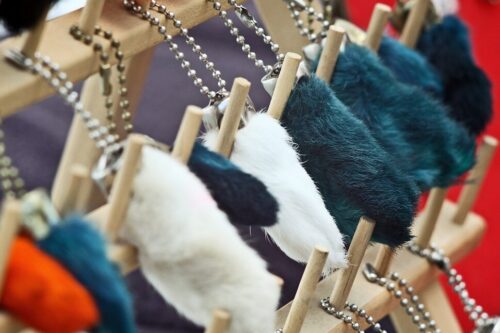
Americans have long treated a rabbit’s foot as a charm for luck. You’ll find them on keychains, backpacks, and tucked into drawers. Many adults remember carrying one as kids. Even if people don’t believe in the magic, they enjoy the nostalgia.
The superstition sticks because it’s tied to childhood and novelty. It also offers a quirky, portable symbol of “extra luck.” Americans pass them around at fairs or gift shops, keeping the idea circulating. That casual familiarity helps the ritual endure.
This post 14 Strange U.S. Rituals Rooted in Superstition That Locals Still Follow Quietly was first published on American Charm.