
1. California

If you live in California, you’ve probably felt the squeeze from just about every direction. Housing costs are the biggest driver, with median home prices statewide well above the national average and cities like Los Angeles and San Francisco even higher. Renters aren’t spared either, especially along the coast, where demand continues to outpace supply. Add in high state income taxes and some of the highest gas prices in the country, and everyday life gets expensive fast.
Utilities and insurance have also crept up in recent years. Wildfire risk has driven up homeowners insurance premiums and in some cases made coverage harder to find. Energy bills can spike during heat waves when air conditioning is not optional. Even routine expenses like groceries tend to run above the national average in many metro areas.
2. Texas

Texas has long marketed itself as affordable, but that reputation has taken some hits. Home prices in fast-growing metros like Austin and Dallas surged during the pandemic-era boom. Even though there’s no state income tax, property taxes are among the highest in the country. Rapid population growth has kept pressure on both buyers and renters.
Homeowners insurance premiums have risen sharply, especially in coastal areas prone to hurricanes. Utility bills can swing dramatically during extreme heat, which is common in much of the state. Car insurance rates have also trended upward in major cities. The result is a steady climb in monthly expenses that catches many newcomers off guard.
3. Florida
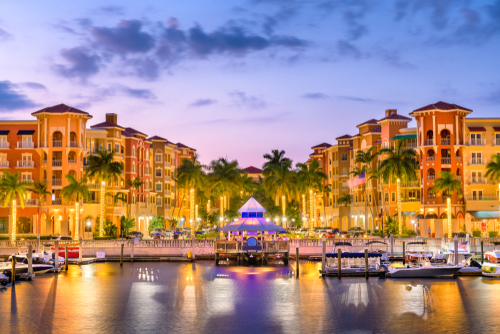
Florida’s sunshine comes with a growing price tag. Housing costs in cities like Miami, Tampa, and Orlando have climbed significantly in recent years. An influx of new residents has kept demand high for both homes and rentals. Even condo owners have faced rising association fees tied to stricter building regulations.
Insurance is where many residents feel the most dramatic cost creep. Homeowners insurance premiums have surged, particularly in hurricane-prone regions. Some insurers have pulled back from the market, limiting options and pushing prices higher. Everyday costs like groceries and utilities have also ticked up as the population continues to expand.
4. New York

New York has always been pricey, but the gap between wages and expenses can feel wider than ever. In New York City, rents remain among the highest in the nation. Upstate areas may be less expensive, yet property taxes are still relatively steep. Transportation, whether it’s subway fare or commuter rail, adds another recurring expense.
State and local taxes contribute to the overall burden. Utility bills in older buildings can be unpredictable, especially during cold winters. Grocery and dining costs tend to run above the national average in many neighborhoods. Over time, those incremental increases make it harder to stay ahead.
5. Colorado

Colorado’s mountain views have drawn waves of new residents. Cities like Denver and Boulder have seen home prices rise well beyond what they were a decade ago. Limited housing inventory in desirable areas keeps competition intense. Renters often find that new developments come with premium price tags.
Insurance costs have also climbed, partly due to wildfire and hail risk. Auto insurance rates reflect the frequency of severe weather events. Property taxes have increased in some counties as home values rise. Even recreation, from ski passes to park fees, can feel more expensive year after year.
6. Arizona

Arizona, especially the Phoenix metro area, experienced a sharp run-up in home prices during the recent housing boom. New arrivals from higher-cost states have kept demand strong. Rent growth has outpaced national averages in several years since 2020. What was once considered a bargain market now feels less so.
Water concerns in this desert state add another layer of cost pressure. Utility rates can increase as infrastructure projects expand. Homeowners insurance premiums have risen as extreme heat and wildfire risks grow. Even everyday services, from car registration to groceries, have gradually edged higher.
7. Tennessee

Tennessee’s lack of a state income tax attracts many newcomers. However, booming cities like Nashville have seen housing prices soar. Limited inventory in popular neighborhoods keeps competition tight. Renters have also faced steady increases as demand remains high.
Sales taxes are relatively high, which affects daily purchases. Property taxes may be lower than in some states, but rising home values can still raise bills. Insurance premiums, including auto coverage, have trended upward. Altogether, the savings from no income tax can be offset by creeping costs elsewhere.
8. Washington

Washington State, particularly the Seattle area, has experienced significant housing appreciation. Tech-driven job growth has fueled demand for homes and apartments. Even outside Seattle, prices have risen in many suburban communities. First-time buyers often struggle to keep up with escalating listings.
While there is no state income tax, residents pay relatively high sales taxes. Gas prices tend to rank among the highest in the country. Utility costs can rise during colder, wetter months. Over time, those recurring increases chip away at household budgets.
9. Nevada

Nevada’s population growth has reshaped its housing market. Las Vegas and Reno have both seen notable jumps in home prices. Investors and out-of-state buyers have added competition. Renters frequently encounter rising lease renewals in tight markets.
Although there is no state income tax, other costs have climbed. Homeowners association fees are common in many developments and can increase annually. Insurance premiums reflect wildfire and extreme heat risks in some areas. Groceries and services in fast-growing neighborhoods often cost more than longtime residents expect.
10. North Carolina

North Carolina has become a magnet for new residents, especially in the Raleigh and Charlotte metros. Housing demand has driven up both purchase prices and rents. What used to be considered a low-cost state now has pockets that rival larger cities. Competition for well-located homes remains strong.
Property taxes vary by county, but rising assessments can raise annual bills. Coastal areas face higher insurance costs due to hurricane exposure. Utility and infrastructure upgrades can lead to gradual rate increases. Over time, these layered expenses create a steady sense of cost creep.
11. Georgia

Georgia, anchored by the Atlanta metro area, has seen sustained housing growth. Home prices and rents have climbed as the region attracts new businesses and residents. Suburban expansion has not fully relieved supply pressures. Many buyers find that bidding wars are no longer rare.
Property tax assessments can rise alongside home values. Auto insurance premiums in the Atlanta area are among the higher rates nationally. Utility costs, particularly during hot and humid summers, can add up quickly. For many households, the overall trend feels like a slow but steady upward march in expenses.
This post States Where Cost Creep Is the New Normal was first published on American Charm.

