
1. West Virginia

For much of the 20th century, West Virginia was a powerhouse of American industry. Coal mining didn’t just fuel homes and factories — it fueled entire towns, schools, and small businesses across the state. But as coal demand declined and mechanization reduced mining jobs, employment steadily fell. Since 1950, the state has lost a significant share of its population, and it remains one of the few states with fewer residents today than in the mid-20th century.
The decline wasn’t sudden, which is part of why it felt so quiet. Younger residents have consistently moved elsewhere for work, contributing to one of the nation’s oldest median ages. Economic diversification has been slow, and income levels remain among the lowest nationally. While tourism and energy still play roles, the state hasn’t regained the economic momentum it once had.
2. Michigan

Few states symbolize industrial might like Michigan does. Anchored by Detroit and the automotive industry, Michigan was central to America’s manufacturing dominance throughout much of the 20th century. But globalization, automation, and competition eroded manufacturing employment, especially in the late 20th and early 21st centuries. The Great Recession hit particularly hard, with Detroit filing for bankruptcy in 2013.
Michigan has rebounded in certain areas, especially in advanced manufacturing and mobility tech. Still, population growth has lagged behind faster-growing states in the South and West. Some regions outside of metro Detroit continue to struggle with job growth and income levels. The state remains important economically, but its once-unquestioned momentum has cooled.
3. Illinois
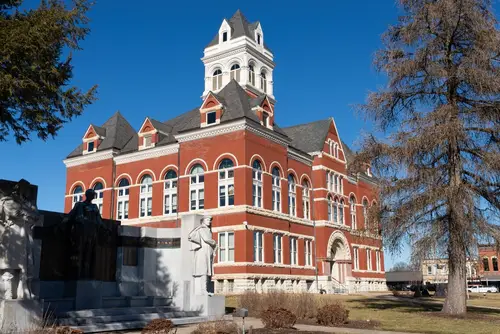
Illinois once rode high as a transportation and manufacturing hub anchored by Chicago. For decades, its central location and industrial base helped it thrive. However, prolonged fiscal challenges and pension obligations have strained the state budget. Illinois also experienced several consecutive years of population decline during the 2010s.
High-profile corporate relocations and resident outmigration have added to concerns about competitiveness. While Chicago remains a global city with strong sectors like finance and tech, the state overall has grown more slowly than many peers. Budget reforms have stabilized parts of the picture, but the broader sense of acceleration has faded. It’s a state still searching for sustained growth.
4. Alaska
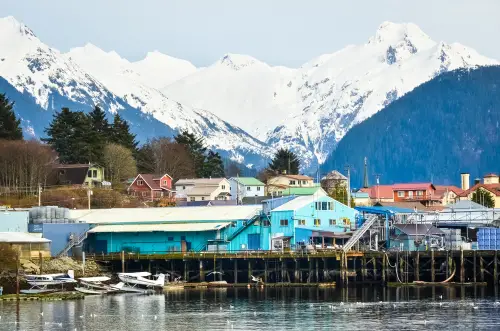
When oil was discovered at Prudhoe Bay in the late 1960s, Alaska’s economic prospects transformed almost overnight. Oil revenue funded public services and even annual dividends for residents through the Alaska Permanent Fund. For decades, high oil prices buoyed state finances. But as production declined from its late-1980s peak and prices fluctuated, revenue became less predictable.
The state has wrestled with budget gaps in recent years as oil taxes account for a large share of general fund revenue. Population growth has flattened, and some years in the late 2010s saw net outmigration. Efforts to diversify into tourism and fisheries help, but they don’t replace oil’s scale. Alaska remains resource-rich, yet its growth trajectory isn’t as strong as it once appeared.
5. Mississippi
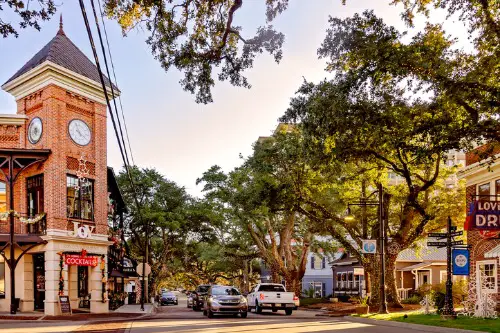
Mississippi has long faced structural economic challenges, but it once benefited from manufacturing and agriculture expansions in the late 20th century. While automotive plants and other investments brought jobs, broader income growth has remained slow. The state consistently ranks near the bottom in median household income and health outcomes. Population growth has been minimal compared to the national average.
Educational attainment levels also trail national benchmarks, affecting workforce development. While there have been improvements in certain metrics, they haven’t translated into broad-based economic acceleration. Younger residents often leave for opportunities in neighboring states. The result is a state that hasn’t lost all progress, but hasn’t gained much speed either.
6. Ohio
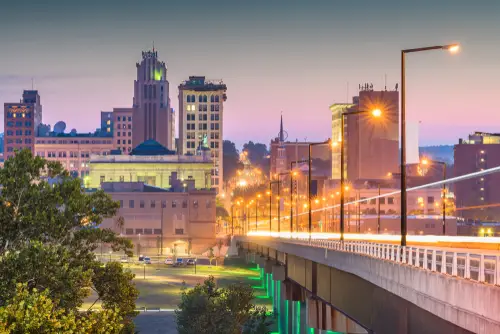
Ohio was once a bellwether of American prosperity. With strong manufacturing, finance, and logistics sectors, it grew rapidly through much of the 20th century. Yet like many Rust Belt states, Ohio saw significant manufacturing job losses beginning in the 1980s. Population growth has since been sluggish compared to national trends.
Cities like Columbus have expanded in tech and education, helping stabilize the picture. Still, other regions have struggled with industrial decline and slower wage growth. The state’s share of the U.S. population has steadily shrunk over decades. Ohio remains economically significant, but it no longer drives national growth the way it once did.
7. Louisiana
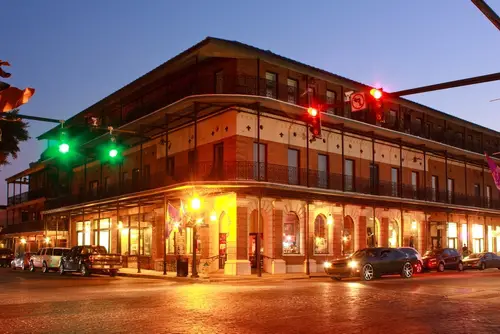
Louisiana has long leaned on energy, shipping, and tourism to power its economy. Oil and gas development, especially offshore drilling, brought waves of growth in the 20th century. But energy price swings have made revenues volatile. Hurricanes, including Katrina in 2005, disrupted communities and long-term growth patterns.
While New Orleans has rebuilt and diversified somewhat, statewide growth has been uneven. Louisiana has experienced population stagnation and outmigration in parts of the last decade. Income levels remain below the national median. The state still has strong cultural and economic assets, but its broader economic momentum has slowed.
8. Pennsylvania
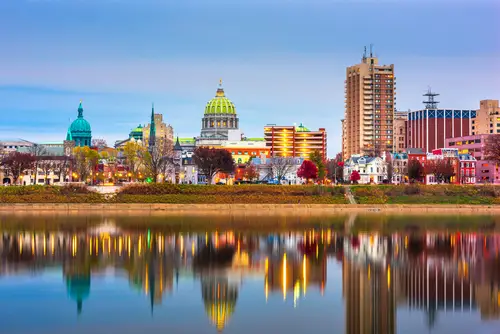
Pennsylvania once stood at the center of American steel and heavy industry. Cities like Pittsburgh were synonymous with manufacturing power. As steel production declined in the late 20th century, many communities faced job losses and population declines. Though Pittsburgh reinvented itself around healthcare and education, not all areas transitioned as successfully.
Statewide population growth has been modest in recent decades. Rural counties and former industrial towns continue to struggle with aging populations. While the state benefits from diverse sectors, its growth rate trails faster-expanding Sun Belt states. Pennsylvania hasn’t collapsed economically, but its forward pace is more measured than in its industrial heyday.
9. Connecticut

Connecticut historically benefited from finance, insurance, and advanced manufacturing. Proximity to New York City helped drive prosperity, and incomes ranked among the highest nationally. However, the state experienced several years of population decline in the late 2010s. High living costs and fiscal pressures have weighed on growth.
Some major corporations relocated headquarters elsewhere over the years. While sectors like aerospace and insurance remain important, overall economic expansion has been modest. Job growth has lagged the national average in certain periods. Connecticut remains affluent, but its trajectory has flattened compared to faster-growing states.
10. New Mexico

New Mexico has long depended on federal spending, energy production, and research institutions. Facilities like Los Alamos National Laboratory anchor parts of the economy. Yet overall population growth has been slow relative to neighboring states like Texas and Colorado. Income levels remain below the national median.
Energy revenues fluctuate with oil and gas prices, affecting state budgets. Educational attainment and workforce challenges persist in several regions. While Albuquerque and Santa Fe offer vibrant cultural economies, broader statewide growth has been limited. The state’s potential is significant, but sustained momentum has proven elusive.
11. Arkansas

Arkansas has seen notable corporate success stories, including Walmart’s global headquarters in Bentonville. Poultry production and retail logistics have driven parts of the economy. Even so, overall income levels remain below the national average. Population growth has been moderate but not transformative.
Rural areas in particular have faced limited job expansion and outmigration. The state has made strides in attracting new industries, yet wages often trail national benchmarks. Economic gains are unevenly distributed across regions. Arkansas hasn’t stalled completely, but its growth hasn’t matched the pace of the nation’s fastest-rising states.
This post States That Quietly Lost Their Momentum was first published on American Charm.

