1. Throwing Salt Over Your Shoulder
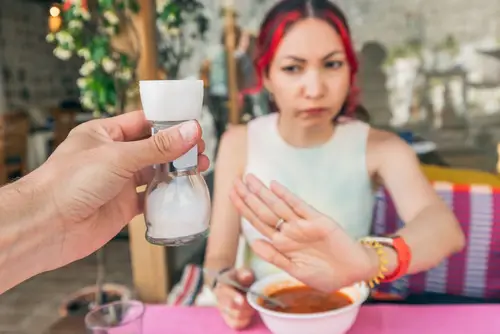
Accidentally spilling salt? Tossing a pinch over your left shoulder is thought to prevent bad luck. This superstition is said to come from the idea that evil spirits lurk behind you, ready to take advantage of mistakes. Americans continue this ritual in kitchens, restaurants, and even bars. It’s a little act that gives people a sense of control over small mishaps.
Salt has always been associated with purity and preservation, making it ideal for protection rituals. People often do it automatically, almost like a reflex. Some families treat it as a superstition with a bit of ceremony, emphasizing its seriousness. Its longevity shows how minor actions can carry a lot of symbolic weight.
2. Walking Under a Ladder
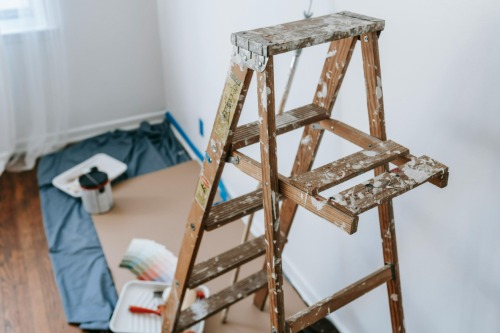
Walking under a ladder is a superstition many Americans still avoid, even if they don’t fully understand why. The belief is said to date back to medieval times when ladders symbolized the gallows or triangles, which were sacred shapes. In modern America, people still hesitate to duck under a ladder, especially in workplaces or at home. Some just see it as bad luck for the day, while others feel an inexplicable sense of caution.
Many parents warn kids not to walk under ladders during home repairs or Halloween decorations. It’s often treated as a harmless quirk, but in some neighborhoods, it’s still taken very seriously. Construction workers might jokingly roll their eyes, but even they sometimes avoid it. It’s one of those superstitions that persists quietly in daily life, without anyone really questioning it.
3. Breaking a Mirror
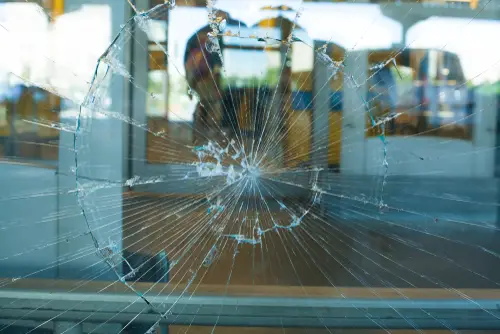
Smashing a mirror is considered a major bad luck omen in the U.S., with the seven-year curse being the most famous. This belief has roots in ancient Roman times when mirrors were thought to reflect your soul. Americans today might cringe at the thought of accidentally dropping a mirror, hoping to fix it quickly or cover it up. It’s one of those rules you’ve probably heard growing up and never really forgot.
Many people will go out of their way to avoid breaking mirrors during moves or renovations. Even small cracks are often treated with superstition, not just shattered glass. Some folks will perform rituals or touch the broken pieces to reverse the bad luck. The idea lingers because it’s simple and memorable, making it hard to forget.
4. Knocking on Wood
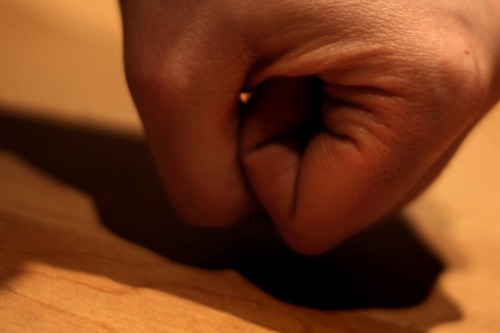
“Knock on wood” is a phrase you hear constantly, especially when someone is trying to avoid jinxing themselves. The superstition stems from ancient pagan traditions, where knocking on trees was thought to summon protective spirits. In modern American homes, people still tap their coffee table or doorframe to prevent bad luck. It’s casual, almost reflexive, but deeply ingrained.
Americans use this more than any other simple charm because it’s easy to do anywhere. Sports fans, office workers, and even kids waiting for good news all knock on wood. It’s the social equivalent of a wish, a tiny action meant to influence fate. And because it doesn’t hurt anyone, it’s one of the most enduring superstitions.
5. Friday the 13th
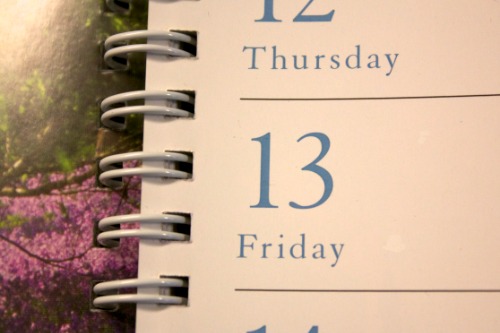
Friday the 13th still causes some Americans to pause, postpone trips, or double-check their plans. This superstition combines an unlucky day (Friday) with an unlucky number (13), which has medieval and biblical associations. Many people won’t schedule surgeries, start big projects, or even make major purchases on that day. The cultural impact is strong enough to have inspired movies, books, and endless conversation.
Hotels and airlines report minor shifts in bookings due to superstitions around this date. Even if most people brush it off, the day carries a sense of caution. Businesses sometimes lean into it for fun, but private behaviors show it’s still taken seriously by many. Fear of the number and day combination persists across generations.
6. Horseshoes Over the Door

Hanging a horseshoe over a doorway is believed to bring good luck and ward off evil spirits. In the U.S., people often hang it with the ends pointing up to “catch” luck, though some traditions say downwards lets luck spill onto those who enter. It’s a folk belief brought by European immigrants and remains popular in rural areas and homes with traditional décor. Many Americans still keep a horseshoe in place as a protective charm.
The horseshoe is more than decoration; it’s a daily reminder of superstition’s comforting effect. Families might pass down the same horseshoe through generations. Even those who are skeptical tend to leave it up “just in case.” Its visual presence reinforces its role as a symbol of protection.
7. Black Cats Crossing Your Path
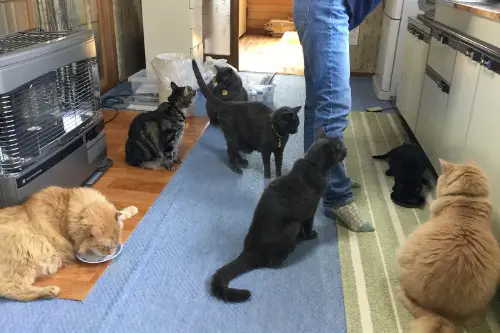
A black cat crossing your path is still widely considered an omen of bad luck in many parts of the U.S. This superstition dates back to European witch trials and medieval folklore associating black cats with witches. Even today, people pause, step aside, or change direction when a black cat appears unexpectedly. It’s a superstition often reinforced by Halloween imagery and popular culture.
Some pet owners even joke about it, but many avoid black cats around certain times, like Friday the 13th. The superstition affects adoption rates of black cats in shelters, showing it’s more than just casual belief. People’s hesitation reveals a mix of tradition, habit, and cultural storytelling. It’s an enduring, visually striking superstition.
8. Stepping on Cracks

“Step on a crack, break your mother’s back” might sound like a playground rhyme, but many Americans still find themselves avoiding sidewalk cracks. The origin is obscure, but it likely comes from old European folklore about avoiding evil spirits in the ground. Kids and adults alike sometimes hop or sidestep cracks automatically. It’s playful but rooted in a serious cautionary tale.
Parents often remind children of the rhyme, making it stick across generations. Even adults sometimes joke nervously about it when walking down a city street. The superstition is more ingrained in habits than conscious belief. Sidewalk navigation can subtly reflect cultural superstition without anyone thinking twice.
9. Opening an Umbrella Indoors
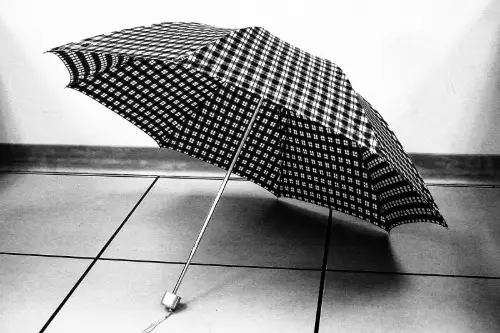
Opening an umbrella indoors is considered bad luck, and Americans still largely avoid doing it. This belief comes from old England, where umbrellas were rigid and spring-loaded, and opening one indoors could cause injury. Over time, the danger transformed into a superstition about inviting misfortune. Today, people treat it with caution, even if it’s just a hallway at home.
It’s common in households and offices, especially when kids are around. Some people laugh and shrug, but the superstition remains alive. Avoiding it feels practical, even if the original reasoning is mostly forgotten. Its persistence shows how a safety warning evolved into a cultural habit.
10. Crossing Your Fingers
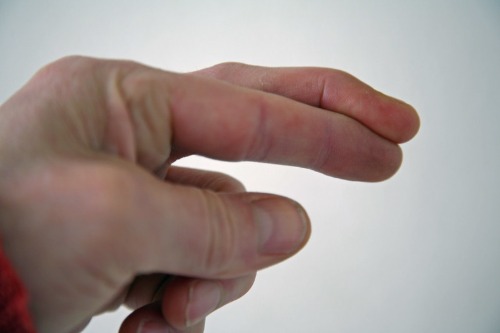
Crossing your fingers for luck is one of the most universally recognized American superstitions. The gesture supposedly comes from early Christian times when people used it to invoke protection and hide their identity in times of persecution. Today, it’s a casual sign of hope, used during tests, job interviews, or uncertain outcomes. People instinctively cross their fingers when wishing for good fortune.
It’s more than a gesture—it’s a way to express hope in a tangible form. Even skeptical adults find themselves doing it in stressful moments. Kids learn it as a symbol of optimism, which cements its role in everyday life. Crossing fingers is both playful and serious, depending on the context.
11. Knives and Table Etiquette

Leaving knives crossed on a table is thought to bring bad luck or conflict, a superstition still followed in many American homes. This belief traces back to old European customs associating crossed knives with dueling or arguments. Families sometimes arrange cutlery carefully to avoid accidental “omens.” In some areas, even minor adjustments during dinner are taken seriously.
Parents and hosts often enforce this rule subtly, especially during holiday meals. It’s a superstition tied to manners and respect, not just luck. The anxiety around it is mild but persistent. Even casual diners tend to notice and correct crossed knives instinctively.
12. Wearing a Hat Indoors

Wearing a hat inside a home or certain buildings is said to invite bad luck in American folklore. Historically, this may have been linked to respect for religious or social customs. Many Americans continue to remove hats indoors automatically, even if they don’t believe in the superstition itself. It’s a subtle nod to tradition and courtesy combined.
Some families pass this rule down without explanation, making it more of a habit than a true superstition. Guests often follow the practice out of politeness, even if they’re skeptical. The line between manners and superstition blurs here. It’s one of those customs that quietly shapes behavior.
13. The Number 666
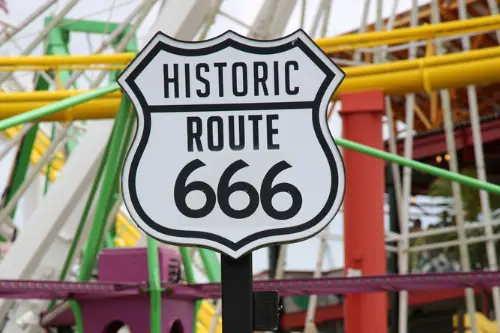
While less universal than 13, the number 666 still carries fear for many Americans, often called the “number of the beast.” Rooted in biblical texts, it’s linked to evil and misfortune. People avoid addresses, license plates, or hotel rooms containing this number. Its presence can make otherwise mundane choices feel unsettling.
Even in modern culture, 666 pops up in horror movies, media, and warnings, reinforcing its significance. Some Americans quietly bypass elevators or choose alternative floors when possible. It’s a superstition that blends religion, numerology, and pop culture. The fear persists, showing how numbers themselves can carry cultural weight.
This post 13 Regional Superstitions Americans Still Take Seriously was first published on American Charm.