
1. Penn Station, New York City
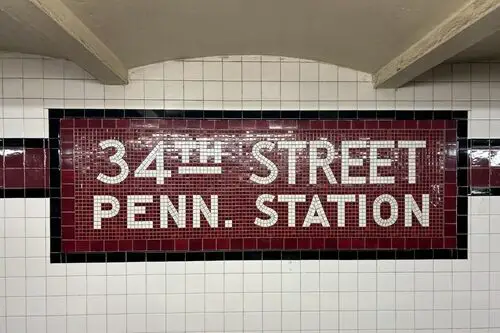
Penn Station feels like a place that has been perpetually under construction since before anyone reading this was born. The low ceilings, confusing corridors, and flickering signage give it the vibe of a basement that was never meant to hold hundreds of thousands of people a day. For the busiest transportation hub in North America, it somehow manages to feel both overcrowded and neglected. The general sense is not urgency or excitement, but collective resignation.
It’s included here because Penn Station is supposed to be a gateway to New York, and instead it feels like a punishment you endure to get somewhere better. Basic things like clear wayfinding and pleasant lighting have been promised for decades but arrive slowly, if at all. You can watch tourists’ faces fall in real time when they realize this is their first impression of the city. Everyone inside seems to be silently agreeing to just get through it.
2. Hollywood Walk of Fame, Los Angeles

On paper, the Hollywood Walk of Fame sounds glamorous, but in reality it’s grimy, crowded, and oddly joyless. The sidewalk stars are often cracked or dirty, and the surrounding storefronts skew heavily toward souvenir shops and chain attractions. Street performers and costumed characters compete aggressively for attention, which adds tension rather than charm. It’s less “movie magic” and more “outdoor mall energy.”
The reason it belongs on this list is that it’s a world-famous public space that feels completely abandoned by civic pride. Despite constant foot traffic, upkeep feels minimal and reactive. Locals avoid it entirely, while visitors seem confused about why it doesn’t match the hype. It looks like a place everyone agreed to stop caring about because tourists will come anyway.
3. Downtown St. Louis Core
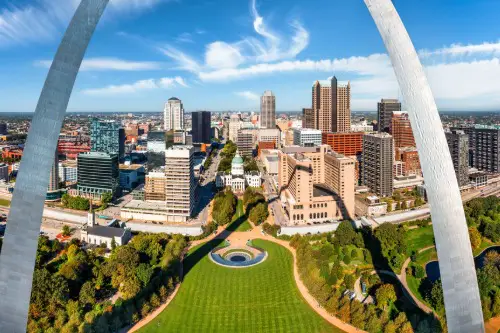
Downtown St. Louis has beautiful architecture and historic bones, but much of it feels eerily underused. Entire blocks sit quiet during the day, with boarded windows and empty sidewalks. Outside of game days or major events, the area can feel like it’s holding its breath. The disconnect between potential and reality is stark.
This makes the area notable because it’s not a forgotten town, but the center of a major American city. Public spaces like plazas and sidewalks exist, but they’re often empty or poorly activated. Investment has been uneven, leaving pockets of vitality surrounded by neglect. The result is a downtown that feels like it was paused mid-revival and never fully restarted.
4. Atlantic City Boardwalk, New Jersey
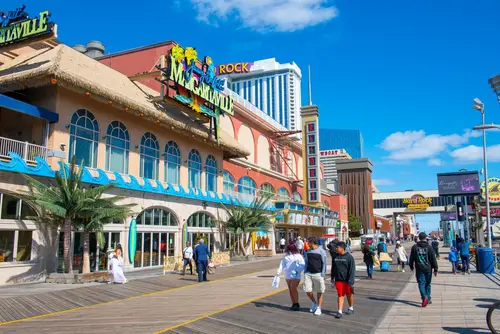
The Atlantic City Boardwalk still has flashes of charm, but large sections feel tired and frayed. Closed casinos loom over empty stretches of sidewalk, and abandoned amusement rides rattle faintly in the wind. The place has a sense of faded ambition, as if someone once cared a lot but then quietly left. Foot traffic is intermittent, and the feeling of decay is hard to ignore.
It lands on this list because boardwalks are supposed to be vibrant, communal spaces by the water, yet Atlantic City’s version often feels like a ghost town. Vendors close early, and maintenance is inconsistent at best. Even during tourist season, there are long stretches where no one seems to be paying attention. It’s a reminder that even famous public spaces can look like everyone gave up.
5. Chicago’s Cabrini-Green Site
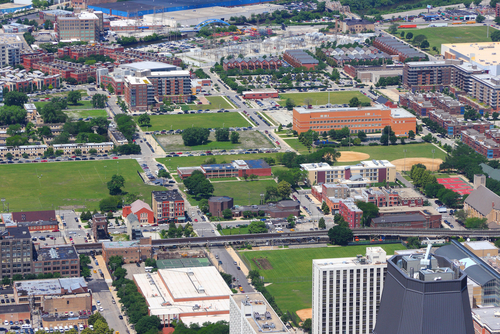
Cabrini-Green, once notorious for crime, now has a mostly empty footprint after redevelopment. The towering former public housing projects are gone, but the public plazas that replaced them feel oddly sterile and lifeless. Sidewalks are wide, but no one seems to use them for anything besides passing through. Benches and greenery exist, yet there’s no warmth or sense of life.
It’s included because the site is a cautionary tale in urban planning. While the area was cleared and “improved,” public spaces were designed without community engagement. Residents don’t gather here, leaving the impression that someone built something that no one wanted to use. It’s a perfect example of neglect through design rather than abandonment.
6. Baltimore’s Inner Harbor on Off Days
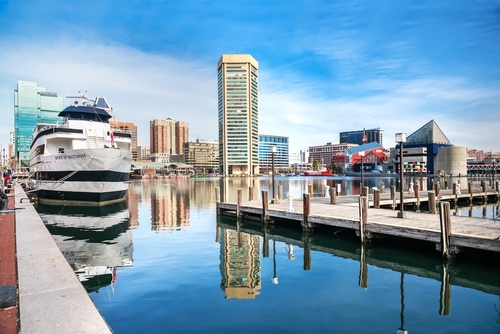
Baltimore’s Inner Harbor can be lively during festivals or summer weekends, but on ordinary weekdays it feels like a different city. The waterfront promenade, usually buzzing with tourists and street performers, often has empty benches and silent fountains. Shops and restaurants close early, leaving wide stretches of unused space. The potential for activity exists, but it’s largely dormant.
This space makes the list because it’s a celebrated part of the city that can feel completely lifeless. The careful planning and investment haven’t guaranteed consistent use. When crowds vanish, the area suddenly looks neglected, like the city only pays attention when cameras are around. You see the contrast between intention and reality, and it feels like everyone collectively shrugged.
7. Detroit’s Campus Martius Park in Winter
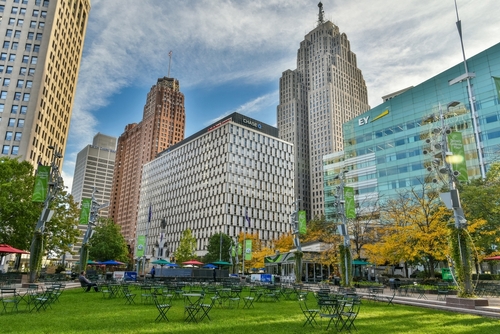
Campus Martius Park in Detroit is iconic during the warmer months, with fountains and green space attracting locals. But in the dead of winter, it transforms into a bleak expanse of snow and ice. The benches are empty, the fountains shut off, and the open areas echo like a forgotten plaza. Even the nearby skyscrapers can’t mask the stark emptiness.
It’s on this list because public spaces are meant to feel alive year-round, or at least welcoming in multiple seasons. Here, the winter months expose the vulnerability of a space dependent on weather and activity. The lack of year-round programming makes it feel like the city collectively gives up for half the year. For visitors unfamiliar with Detroit, it can seem desolate and uninviting.
8. Philadelphia’s Penn’s Landing
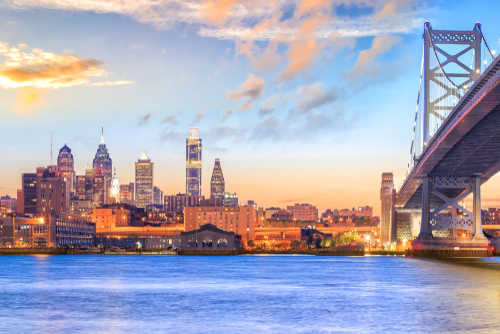
Penn’s Landing is supposed to be a scenic waterfront destination, but large portions of it look abandoned and neglected. The concrete pathways, empty piers, and underused amphitheaters create a sense of stasis. Streetlights and benches exist, yet they rarely serve anyone. On off-peak days, the place feels more like a parking lot than a public gathering space.
This earns its spot on the list because it’s a publicly funded, high-potential area that consistently underperforms. Despite scenic views of the Delaware River, the lack of programming and activation leaves the area feeling deserted. Maintenance is inconsistent, adding to the “everyone gave up” vibe. It’s a lesson in how even prime real estate can feel empty without sustained engagement.
9. Miami’s Bayfront Park During Work Hours
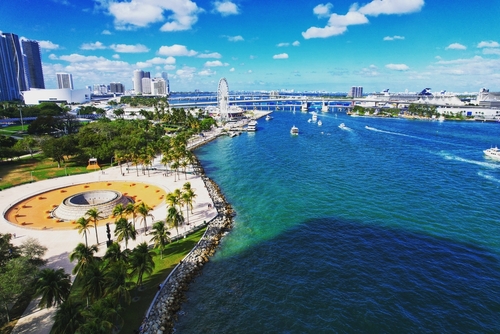
Bayfront Park can host concerts and festivals, but during normal weekdays it often looks underutilized. Wide grassy areas, paths, and seating feel underpopulated, with occasional joggers and office workers rushing through. The fountains are beautiful but often dry, and the trees cast shadows on empty benches. The surrounding skyscrapers accentuate the emptiness rather than soften it.
It’s included because this is a park designed for public enjoyment, yet it frequently appears abandoned. The infrastructure is there, but consistent community use is missing. Visitors may assume the city doesn’t care about its waterfront green space. In essence, it’s a public area that looks like the city collectively hit snooze.
10. Seattle’s Westlake Park
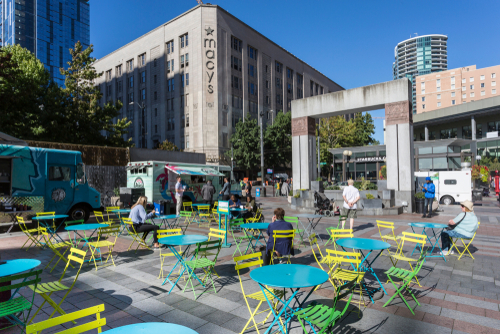
Westlake Park, right in downtown Seattle, has fountains and open space, but it sometimes feels like an urban waiting room. Homeless encampments, empty seating areas, and occasional street performers give it a fragmented energy. The plaza is meant to be a central gathering spot, yet it often looks neglected and chaotic. It’s a place where people pass through rather than linger.
It’s on this list because despite investment and central location, Westlake Park struggles to feel fully cared for. Maintenance issues and inconsistent programming leave gaps in its vitality. Tourists might notice the contrast between the clean city streets nearby and the underused plaza. Everyone seems to coexist here quietly, without anyone truly “owning” the space.
11. Washington, D.C.’s Freedom Plaza

Freedom Plaza is a massive, open public space near the White House, yet it often feels oddly empty. The design is angular and stark, with wide stone surfaces that discourage sitting or lingering. Fountains and statues exist but don’t animate the area. Pedestrians mostly treat it as a shortcut rather than a destination.
It’s notable because it’s a central public square in the nation’s capital that can feel lifeless despite heavy tourist traffic nearby. The scale and cold aesthetics contribute to a sense of abandonment. Even city events or protests don’t fully activate it for long periods. It’s an example of civic ambition meeting practical underuse, leaving a space that looks like everyone just gave up.
This post Public Spaces in America That Look Like Everyone Gave Up was first published on American Charm.

