
1. Giving Up Your Seat
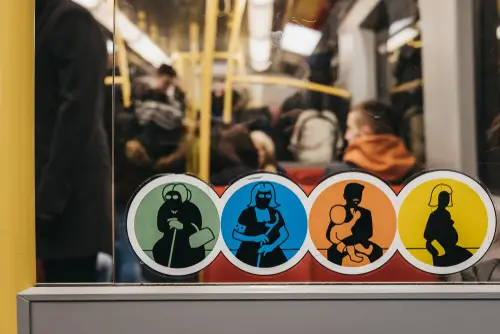
Offering your seat to the elderly, pregnant, or disabled used to be automatic. It’s still encouraged in public transit etiquette guides, but not always practiced. Many people are glued to their phones and simply don’t notice others who might need the spot more. A small act of awareness could bring back a little dignity to crowded buses and trains.
It’s one of those gestures that costs nothing and means everything. You don’t need to make a grand statement—just quietly offer and move. That moment of consideration can change someone’s day. It’s the definition of kindness in motion.
2. Writing Thank-You Notes by Hand

Before text messages and quick emails, people took the time to handwrite thank-you notes for gifts, dinner invitations, and acts of kindness. The gesture wasn’t just about manners—it showed effort and thoughtfulness. Psychologists have even found that expressing gratitude in writing boosts both the sender’s and receiver’s happiness. Bringing back handwritten notes could add a personal warmth that digital messages just can’t match.
Taking five minutes to jot a note on a card isn’t old-fashioned—it’s personal. Imagine how meaningful it feels to open real mail that isn’t a bill or an ad. This small act of care can turn ordinary interactions into lasting connections. Maybe it’s time to restock that stationery drawer.
3. Standing to Greet Someone

It used to be standard etiquette to stand up when someone entered the room or came over to say hello. The gesture signified respect and attentiveness, not submission or stiffness. In professional and social settings, standing showed that you were genuinely engaged in the interaction. These days, many people skip it, especially in casual environments.
Reintroducing this courtesy can make a surprising difference in first impressions. When you stand, you’re signaling that the person matters to you. It’s a simple, silent way of saying, “I see you, and I’m present.” That’s a kind of respect that never goes out of style.
4. Holding the Door for Others
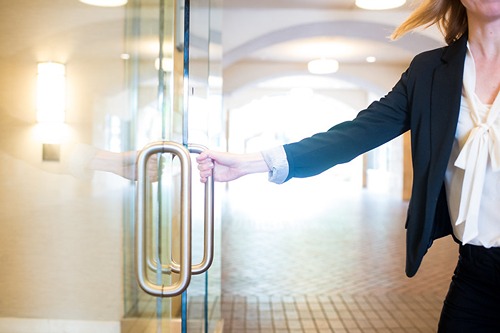
Once considered a basic display of good manners, holding doors is now hit or miss in public spaces. It’s not about gender roles—it’s about being aware of the people around you. In busy environments, taking two extra seconds to hold the door can create a ripple of kindness. Small gestures like this make shared spaces feel more civil and considerate.
When we stop doing these things, we subtly lose our sense of community. Holding a door is one of the easiest ways to show thoughtfulness without saying a word. It tells others that you recognize they exist and you care enough to pause. That pause is what keeps society from feeling entirely self-absorbed.
5. RSVPing—Properly
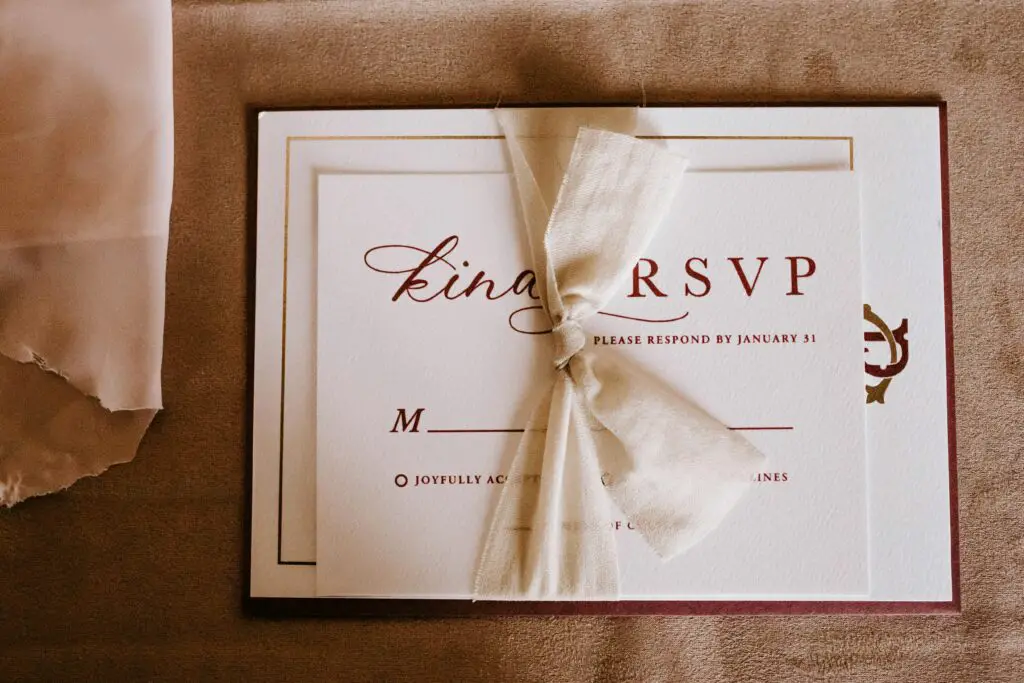
“RSVP” used to be taken seriously; it literally means “please respond” in French. Now, too many invitations sit unanswered because people don’t want to commit. Failing to RSVP puts hosts in an awkward spot, making it harder to plan food, seating, and schedules. A quick yes or no is all it takes to show consideration for someone’s effort.
Bringing this back would save everyone stress and confusion. It’s one of the simplest forms of respect we can offer a host. Responding promptly helps events run smoothly and demonstrates gratitude for the invitation itself. Manners, after all, are just empathy in practice.
6. Dressing Up for Occasions
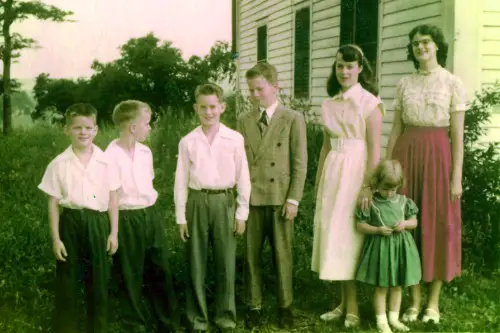
There was a time when dressing up for church, the theater, or even a flight was the norm. Clothing wasn’t just about comfort—it was about showing respect for the occasion and the people involved. Today, the rise of casual culture has blurred those lines. While comfort is important, a little effort in appearance still sends a strong message.
When you dress well, you elevate the experience for everyone. It says, “I value this moment and the people sharing it with me.” That doesn’t mean formalwear all the time—just being intentional. Maybe “Sunday best” deserves a modern, more comfortable reboot.
7. Saying “Please” and “Thank You”

We learned these words in childhood, but somewhere along the way, many adults started skipping them. Politeness is often mistaken for weakness in a fast-paced, assertive culture. But research shows that gratitude-based communication improves relationships and reduces stress. Courtesy words aren’t filler—they’re social glue.
Reviving this habit is the easiest way to make the world feel a bit gentler. “Please” acknowledges that you’re making a request, not a demand. “Thank you” closes the loop of appreciation. It’s simple civility that never gets old.
8. Respecting Quiet in Shared Spaces

Libraries, theaters, and restaurants used to have an unspoken rule about keeping voices low. Now, phone calls, notifications, and video clips fill the air everywhere we go. The decline of public quiet reflects how disconnected we’ve become from shared courtesy. Respecting quiet isn’t about being uptight—it’s about being mindful of others’ experience.
When you lower your volume, you create space for others to think, talk, or simply be. Silence used to be considered respectful, not awkward. Maybe we need to relearn that lesson in a world full of noise. A little quiet goes a long way toward collective peace.
9. Introducing People Properly

In the past, introductions were practically an art form. You didn’t just say names—you gave context, helping people connect. It wasn’t about formality but about fostering inclusion and ease in social circles. Today, many introductions happen awkwardly or not at all.
Reclaiming this practice helps break the ice and shows attentiveness. Saying, “This is Alex, my colleague who worked on the same project you mentioned,” is much warmer than a vague “This is Alex.” It shows you care about people’s comfort, not just their presence. A thoughtful introduction can turn strangers into collaborators or friends.
10. Sending Get-Well or Condolence Cards
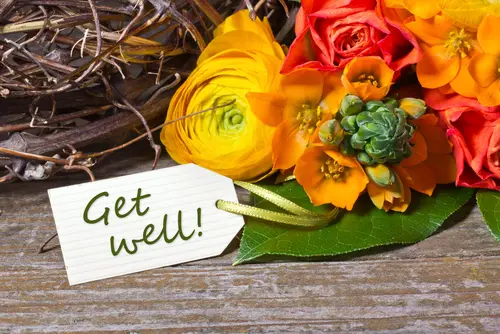
Before social media, people mailed cards when someone was sick or grieving. That tangible reminder of care made tough moments a little easier to bear. Now, condolences often come in a quick comment or emoji reaction. It’s not that people care less—it’s just that the habit has faded.
Reviving this courtesy would bring empathy back to difficult times. Writing a few heartfelt lines shows someone that their pain isn’t invisible. A card doesn’t fix loss, but it offers comfort in a way a digital message rarely can. It’s compassion you can hold in your hand.
11. Waiting Your Turn to Speak

Interrupting used to be considered a major social faux pas. Conversations had a natural rhythm—one person spoke, others listened, then responded. Today, overlapping dialogue and constant interruptions dominate many discussions, especially online. Active listening has become a lost art.
Bringing this courtesy back could make communication more meaningful again. Waiting to speak shows respect and patience. It also makes others feel genuinely heard. Good manners, in this case, create better conversations.
12. Returning Borrowed Items Promptly
There was a time when borrowing something—whether a book, a dish, or a tool—came with an unspoken promise to return it quickly and in good condition. Now, people often forget or delay, assuming it’s no big deal. But the principle of reciprocity still matters. Returning what you borrow shows reliability and gratitude.
It’s really about trust. When you honor small commitments, people know they can count on you in bigger ones. This old-fashioned courtesy can quietly strengthen relationships. Plus, it saves everyone from those awkward “Hey, do you still have my…?” conversations.
13. Writing Letters “Just Because”
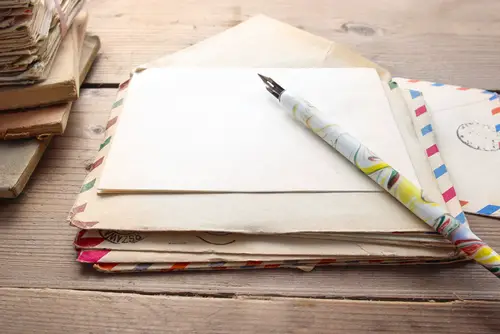
Letter writing wasn’t only for big announcements—it was a way to stay connected. People used to write to friends, siblings, or sweethearts simply to share updates or affection. Now, instant messaging has made long-form communication feel unnecessary. But that slower, more reflective exchange offered something special: time to think before responding.
Reintroducing casual letter writing could help deepen relationships in a distracted age. A handwritten note carries your voice in a way digital words can’t. It’s a moment of mindfulness disguised as communication. Sometimes, the slow way is the more meaningful one.
This post 13 Outdated Courtesies That Deserve a Comeback was first published on American Charm.