
1. Writing Checks
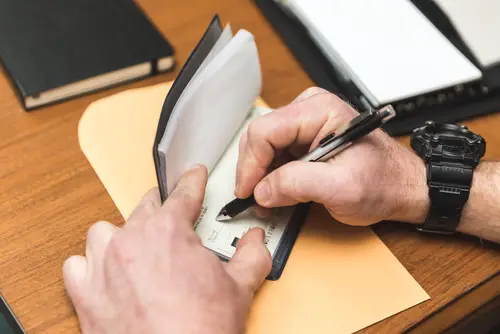
Once upon a time, everyone had a checkbook in their purse or glove compartment. These days, mobile banking and instant payment apps like Venmo and Zelle have made physical checks nearly obsolete. Even landlords and small businesses are moving to digital payments for convenience and speed. The number of check payments in the U.S. has fallen sharply since the early 2000s, and younger generations barely know how to fill one out.
Still, checks linger in certain corners of life—like paying rent for older landlords or sending money as a wedding gift. But as banks push digital-first solutions, those uses are fading fast. Writing checks takes time, can be lost or forged, and simply doesn’t fit modern habits. It’s the kind of everyday ritual that’s quietly slipping into nostalgia.
2. Carrying Cash
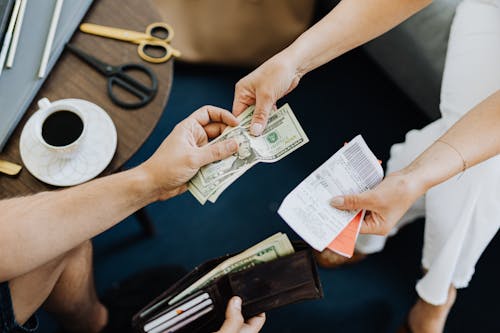
Carrying a few bills “just in case” used to be common sense. But with nearly every store, vending machine, and even food truck accepting cards or contactless payments, cash is losing ground fast. Surveys show that a growing share of Americans make no cash purchases in a typical week. The pandemic sped this up, as people avoided handling bills and coins.
There are still holdouts—tipping at small diners, buying from local vendors, or teaching kids about money. Yet, the convenience of digital wallets has largely replaced the tactile feel of cash in our pockets. Many younger adults admit they rarely even carry it anymore. For something that once symbolized independence, cash is quickly becoming quaint.
3. Answering the Doorbell

Not so long ago, a ringing doorbell was exciting—maybe a friend, a delivery, or a neighbor dropping by. Now, most people feel a jolt of anxiety instead. Video doorbells like Ring and Nest have changed how we respond; we check our phones first before deciding if it’s worth answering. Unexpected visits just don’t fit our on-demand, privacy-focused culture anymore.
Social norms have shifted, too. People text or call before stopping by, and many deliveries no longer require any human interaction. The front porch used to be a hub of small talk; now it’s often a zone of avoidance. In a way, the simple act of answering the door reflects how much modern life has turned inward.
4. Memorizing Phone Numbers
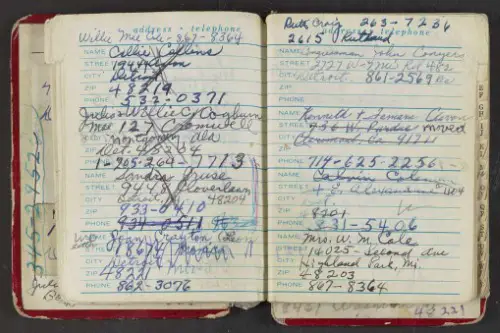
Ask someone under 30 if they know their best friend’s number—and you’ll probably get a blank stare. Before smartphones stored everything, people memorized dozens of numbers by heart. That mental Rolodex has disappeared, replaced by a single contact list we trust completely. It’s convenient, but it’s also made us surprisingly helpless when our phones die.
This habit faded as phones became smarter, not because we got lazier but because we didn’t need to remember. Still, it’s a little unnerving how dependent we’ve become on technology for something so basic. Emergencies once relied on quick recall; now, they rely on battery life. Memorizing phone numbers is becoming a lost mental skill in the digital age.
5. Sending Postcards

Vacationers once filled postcard racks at gas stations and gift shops, scribbling notes to loved ones back home. But with smartphones and instant social media updates, postcards have turned into charming relics. The thrill of getting one in the mail has been replaced by the ping of a photo message. The sentiment remains—but the medium is disappearing.
It’s not just about speed, though—it’s about effort. Writing, stamping, and mailing a postcard takes time that most travelers don’t want to spend anymore. Still, some nostalgic travelers are trying to revive the tradition as a slow, personal gesture. For most people, though, postcards have been replaced by hashtags and filters.
6. Ironing Clothes
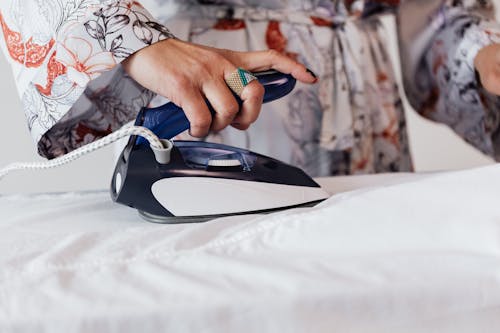
Ironing used to be a weekly ritual in many households, especially before work or church. But with wrinkle-resistant fabrics, steamers, and a more casual dress code, the iron is gathering dust. Many people now simply toss clothes in the dryer to “fluff out” wrinkles. Even dry cleaners see less business as wardrobes shift toward athleisure and stretch fabrics.
The change reflects how our relationship with clothing has evolved. We care more about comfort than crisp lines these days. Formal wear is increasingly reserved for special occasions, not daily life. Ironing isn’t gone entirely, but it’s definitely losing its steam.
7. Printing Photos
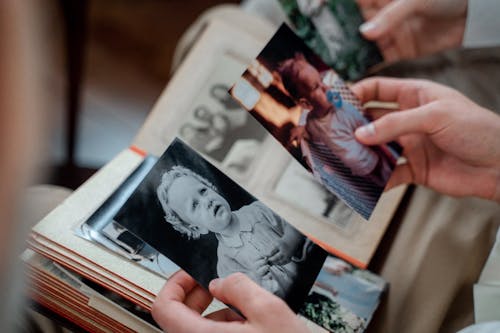
The family photo album used to be a centerpiece in every living room. Now, those memories live on phones, clouds, or social feeds instead. Printing photos dropped dramatically as digital cameras and smartphones took over. It’s easier to scroll than to flip through pages of glossy prints.
Still, something is lost in the transition. Tangible photos age with us—they bend, fade, and tell stories digital images can’t. But printing costs, convenience, and storage have made physical photos less practical. Today’s memories are stored in pixels, not picture frames.
8. Reading Physical Maps
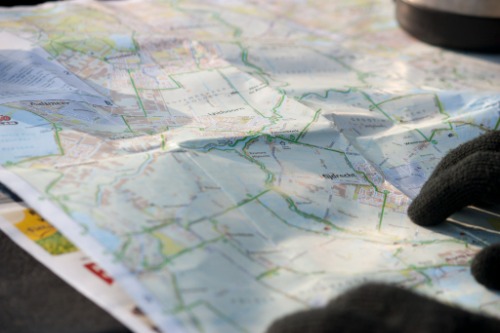
Before GPS, road trips started with unfolding a huge map that never quite folded back right. Drivers navigated by landmarks, highways, and instinct. Now, apps like Google Maps and Waze tell us exactly where to go—and even warn about traffic. The art of reading a map has become almost obsolete.
It’s hard to argue with the convenience, but we’ve traded self-reliance for automation. People rarely learn geography beyond what their navigation tells them. When cell service drops, many feel completely lost. Reading maps used to be a skill; now it’s a curiosity.
9. Watching Live TV
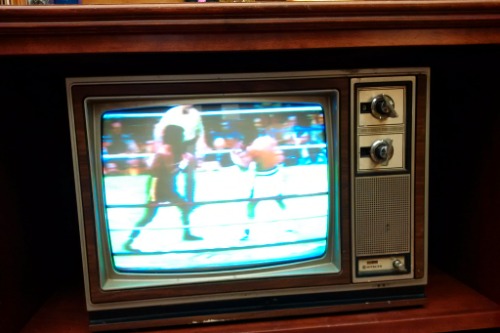
“Be home by eight, or you’ll miss your show” feels like a phrase from another century. Streaming services have made appointment TV almost irrelevant. People now watch what they want, when they want, and often without ads. Network ratings and cable subscriptions continue to drop as binge culture dominates.
Sports and live events still draw big audiences, but even those are shifting to streaming platforms. The shared experience of watching a finale together has largely faded. Viewers are more fragmented than ever before. Live TV hasn’t vanished—but it’s definitely on borrowed time.
10. Using Alarm Clocks

That buzzing plastic clock on the nightstand has been replaced by the ever-present smartphone. Built-in alarms, sleep tracking, and music options make old-school clocks unnecessary. For many, the last thing they see before bed and the first thing they touch in the morning is their phone. Traditional alarm clocks just can’t compete with that convenience.
Still, some people miss the simplicity of a dedicated device that doesn’t tempt you to scroll at midnight. There’s even a small movement back toward analog alarms for better sleep hygiene. But overall, the smartphone has completely absorbed the function. The bedside clock is ticking toward extinction.
11. Using Landline Phones

Landlines were once the heartbeat of every household—a family’s connection to the outside world. Now, more than 70% of American adults rely solely on mobile phones. Younger generations see no reason to pay for a second line when their smartphones do it all. Even older adults are gradually cutting the cord.
Landlines offered reliability and clear sound, but convenience wins every time. With Wi-Fi calling, video chats, and messaging apps, the concept of a “home phone” feels dated. For many families, that once-familiar kitchen phone is now just a memory. The ring of a landline is becoming as rare as a dial tone.
12. Going to the Mall

Once a social hotspot for teens and families, the American mall is facing a long decline. Online shopping and same-day delivery have made it hard for traditional malls to compete. Many anchor stores have closed, and malls across the country are being repurposed into offices, apartments, or community centers. The “mall culture” that shaped generations is fading fast.
Shopping has become more about efficiency than experience. People browse on screens instead of strolling through corridors. The few thriving malls tend to focus on luxury or entertainment, not everyday needs. As a symbol of 20th-century life, the mall is disappearing faster than anyone expected.
This post 12 Everyday Habits That Are Disappearing Faster Than Payphones was first published on American Charm.

