
1. San Diego

Many newcomers arrive in San Diego expecting sunshine to mean low bills, but the reality can be jarring. Electricity rates here are among the highest in the continental U.S., largely due to the pricing structure of the local investor-owned utility. Even modest air conditioning use can send summer bills soaring. If you’re coming from a state with cheaper power, the first statement in your inbox can feel like a typo.
Water isn’t exactly cheap either, thanks to the region’s long-term drought planning and imported water supplies. The city relies heavily on water transported from Northern California and the Colorado River. Those infrastructure and conservation costs get passed along to residents. Add in tiered water rates, and your landscaping choices suddenly matter a lot more than you expected.
2. Honolulu
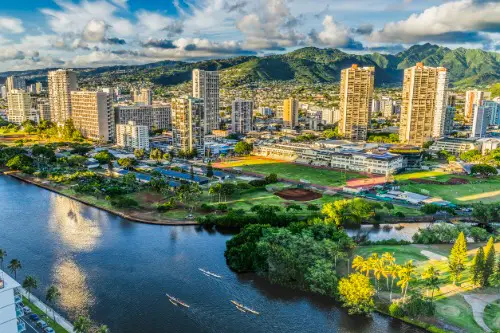
Honolulu’s tropical breezes are a dream, but electricity bills often aren’t. Hawaii relies heavily on imported fuel for power generation, which historically has pushed rates far above the U.S. average. Even with growing renewable energy projects, residential electricity prices remain among the highest in the country. If you run air conditioning regularly, you’ll feel it.
Groceries get the headlines, but utilities are the quieter budget buster. Water and sewer services can also be more expensive than mainland transplants anticipate. Everything from maintenance equipment to fuel has to cross the ocean. That logistical reality shows up in your monthly bills.
3. Boston

Boston’s winters are legendary, and so are the heating bills that come with them. Many older homes rely on natural gas or heating oil, and poor insulation in historic buildings can drive costs up fast. Cold snaps can last for weeks, not days. New residents are often stunned at how quickly the thermostat translates into dollars.
Electricity rates in Massachusetts also tend to run above the national average. Add delivery charges and various system fees, and the breakdown can look complicated and pricey. Snow removal and winter-related maintenance costs are indirectly baked into local infrastructure expenses. It all adds up during those long New England winters.
4. New York City
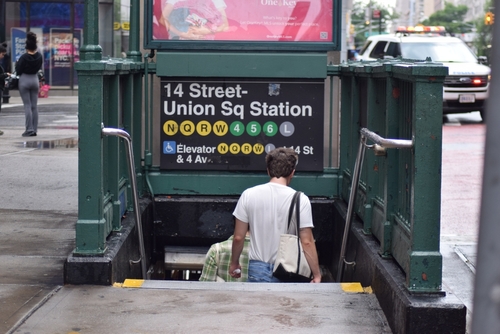
In New York City, the rent may grab your attention first, but utilities can deliver a second shock. Electricity rates are typically higher than the national average, especially in summer when air conditioners hum nonstop. High-rise living also means you may be paying for shared building systems in co-ops or condos. Those extra charges can sneak up on you.
Steam heat in older buildings can be unpredictable, sometimes blasting in winter while you still pay for electric cooling in shoulder seasons. Water and sewer charges are often bundled into rent, but not always. If you’re responsible for them directly, the scale of usage in a dense city can surprise you. Living vertically has its own cost structure.
5. Miami
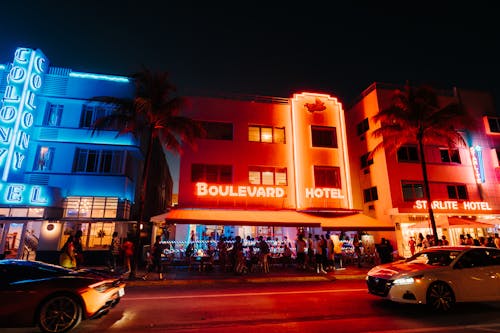
Miami’s year-round heat means air conditioning isn’t seasonal, it’s constant. High humidity pushes systems to work harder and longer. That translates to substantial electricity bills, especially in older buildings with less efficient insulation. Newcomers from cooler climates often underestimate just how nonstop the cooling needs will be.
Water and sewer charges can also be notable, particularly in areas investing in stormwater and resilience upgrades. South Florida’s vulnerability to flooding drives infrastructure spending. Those system improvements don’t come free. Over time, residents see those costs reflected in their monthly statements.
6. San Francisco
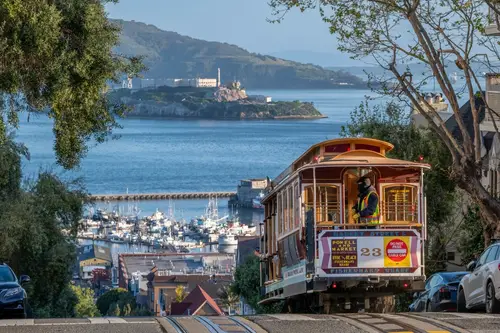
San Francisco’s mild climate tricks many people into thinking utility bills will be minimal. While you may not rely heavily on air conditioning, electricity rates in California are among the highest in the country. Time-of-use pricing can penalize peak-hour usage. A few evenings of cooking, laundry, and device charging at the wrong time can noticeably impact your bill.
Water costs can also be higher than newcomers expect. The region invests heavily in seismic upgrades and long-distance water transport from the Sierra Nevada. Those capital improvements are built into rates. Even without extreme weather, the infrastructure itself is expensive to maintain.
7. Chicago
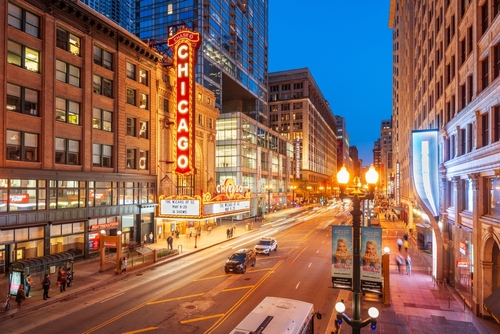
Chicago delivers a double hit: hot summers and brutally cold winters. That means both air conditioning and heating costs can spike depending on the season. Natural gas heating bills in January can be especially eye-opening. Lake-effect winds don’t do your thermostat any favors.
Electricity delivery fees and municipal taxes can add complexity to monthly statements. Older brick buildings may lack modern insulation, which makes systems work harder. If you’re moving from a milder region, the seasonal swings alone can be a budget adjustment. It’s a city where weather directly dictates your expenses.
8. Phoenix
Phoenix summers are not just hot; they’re relentless. Triple-digit temperatures can stretch for weeks, and air conditioners run nearly around the clock. That sustained demand leads to substantial electricity bills during peak months. Time-of-use plans can amplify costs if you’re home during the hottest part of the day.
Water is another consideration in this desert city. Long-term drought and Colorado River supply concerns influence pricing and conservation policies. Landscaping choices, especially lawns, can significantly affect your bill. Many new residents quickly learn why xeriscaping is so popular.
9. Anchorage

Anchorage may have stunning scenery, but heating is serious business. Long, dark winters mean extended reliance on natural gas or heating oil. Cold temperatures can persist for months, driving steady and sometimes steep bills. If you’ve never budgeted for subzero conditions, the learning curve can be steep.
Electricity rates can also be higher than the national average due to the state’s geographic isolation. Infrastructure and fuel transport costs are significant factors. Even routine maintenance can be pricier in remote conditions. All of that feeds into what residents ultimately pay.
10. Seattle
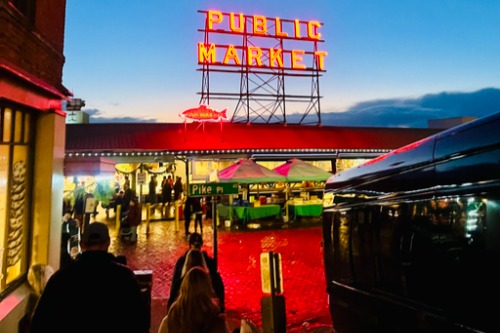
Seattle’s electricity is relatively affordable thanks to hydroelectric power, which surprises some newcomers in a good way. The shock often comes instead from winter heating in older homes. Many houses rely on electric baseboard heating, which can be costly during damp, chilly months. Gray skies may not be extreme, but the cold lingers.
Water and sewer rates have climbed in recent years as the city invests in infrastructure and environmental protection. Stormwater management is a big priority in this rainy region. Those upgrades carry a price tag. Residents often notice the steady increases year over year.
11. Houston

Houston’s deregulated electricity market can be confusing for new arrivals. Rates vary widely depending on the plan you choose, and teaser rates don’t always last. A poorly timed contract can lead to unexpectedly high bills. Summer heat and humidity only magnify the impact.
Air conditioning demand is intense for much of the year. Add hurricane-season infrastructure costs and grid resilience investments, and the overall energy landscape is complex. Flood control and drainage projects also influence local fees. The combination makes utility budgeting less straightforward than it first appears.
12. Los Angeles
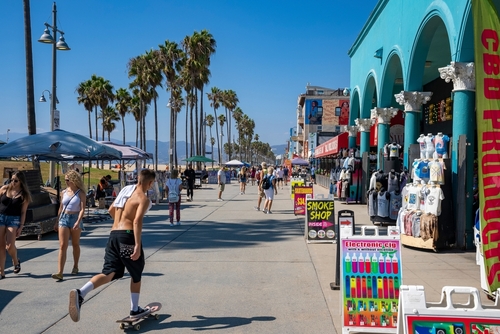
Los Angeles residents often discover that California’s broader energy landscape affects them directly. Electricity rates are above the national average, even for customers served by municipal utilities. Tiered pricing structures mean higher usage quickly moves you into more expensive brackets. A few hot weeks can change your monthly total dramatically.
Water conservation efforts are ongoing due to drought cycles. Imported water from distant sources adds to system costs. Outdoor watering restrictions can push homeowners to rethink landscaping. Those who don’t adjust may see noticeably higher bills.
13. Denver
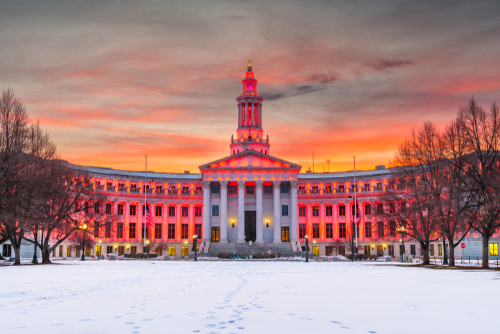
Denver’s elevation brings big temperature swings between day and night. Winters can be cold enough to require steady heating, while summers often demand air conditioning. That dual demand can catch new residents off guard. Utility costs fluctuate more than people anticipate.
Rapid population growth has also driven infrastructure expansion. Investments in grid reliability and water systems are reflected in rates. Snowmelt and reservoir management are critical in this semi-arid climate. All of that careful planning shows up on your statement.
14. Las Vegas
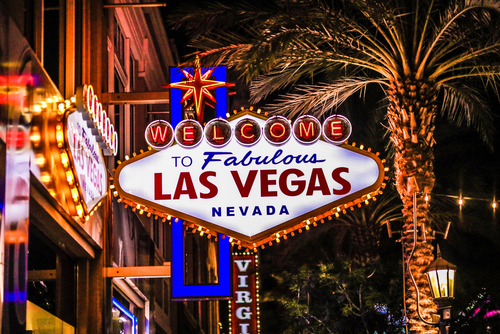
Las Vegas heat is intense and persistent through the summer. Air conditioners run hard for months, not just weeks. Even energy-efficient homes can rack up sizable electricity bills in July and August. Time-of-use pricing can further increase costs during peak afternoon hours.
Water conservation is a constant topic in this desert city. Southern Nevada depends heavily on the Colorado River. Strict watering schedules and tiered pricing aim to curb consumption. Exceed those limits, and your bill climbs quickly.
15. Washington, D.C.
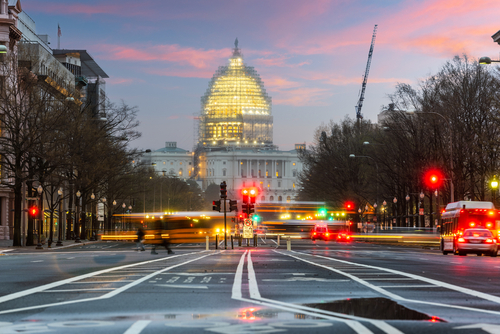
Washington, D.C. combines humid summers with chilly winters, creating year-round energy demands. Air conditioning use spikes in July and August, especially in older rowhouses. In winter, heating costs add another layer to the budget. The seasonal one-two punch surprises many newcomers.
The city has also invested heavily in stormwater management and green infrastructure. Fees tied to impervious surfaces can affect property owners directly. Electricity delivery charges and local taxes add complexity to monthly bills. It’s not just politics that can be intense here; the utilities can be, too.
This post 15 Cities Where Utility Bills Shock New Residents was first published on American Charm.

