
1. Brownsville, Texas

Brownsville’s workforce is concentrated in manufacturing, shipping, healthcare support, and retail. These industries often require long shifts with little flexibility, especially in factories and warehouses. Many residents commute significant distances for work, adding unpaid hours to already long days. Despite the workload, wages remain stubbornly low.
The city has one of the highest poverty rates in the nation. Economic development has improved slowly, but job quality hasn’t kept pace. Benefits and job security are inconsistent across sectors. People here work hard because survival depends on it, not because the system rewards them.
2. McAllen, Texas

McAllen is part of the Rio Grande Valley, where service work, logistics, healthcare support, and cross-border trade dominate employment. Many residents work long hours in retail, food service, and warehouse jobs tied to regional commerce. Pay rates are low compared to the national average, even as inflation has pushed up food and housing costs. It’s common for families to rely on multiple earners just to stay afloat.
The region consistently reports some of the lowest median household incomes in the country. Benefits like paid leave or employer-sponsored health insurance are far from guaranteed. Workers put in the hours, but raises and promotions are limited by a narrow job market. The effort rarely translates into long-term financial gains.
3. Fresno, California

Fresno’s economy leans heavily on agriculture, distribution, and healthcare support roles, all of which rely on extended shifts. Harvest seasons bring especially long days, often six or seven days a week. Even outside peak seasons, many jobs require early mornings and physically demanding labor. Despite this, wages remain modest compared to California’s cost of living.
The city struggles with high poverty rates relative to the rest of the state. Many workers earn too much to qualify for assistance but too little to build savings. Economic growth hasn’t kept pace with population growth, limiting opportunity. Hard work is abundant here, but financial reward is not.
4. El Paso, Texas
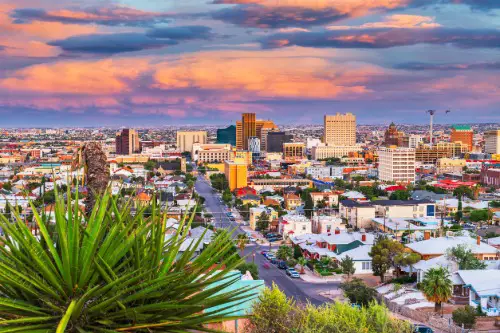
El Paso has a strong labor culture shaped by military presence, manufacturing, and cross-border logistics. Many residents work long hours in transportation, warehousing, and service jobs that support trade and Fort Bliss. Shifts can be irregular, especially in logistics and defense-related contracting. Pay levels, however, remain well below national averages.
The city frequently ranks among large U.S. metros with the lowest median incomes. Cost of living is relatively low, but wages are lower still. Advancement opportunities are limited, particularly outside government and healthcare roles. Workers show up every day, but the paycheck rarely reflects the effort.
5. Bakersfield, California
Bakersfield sits at the center of California’s agricultural and energy economy, where long hours are baked into the job. Farm labor, oil extraction, warehousing, and trucking all demand extended shifts, often in extreme heat. Many workers rely on overtime or second jobs to cover housing, fuel, and healthcare costs that have steadily climbed. The work is constant and physically demanding, but wages lag far behind those in California’s coastal metros.
Despite the output generated here, Bakersfield consistently ranks below the state average for household income. The region’s unemployment and underemployment rates tend to be higher than average, adding pressure on those who are working. Job growth exists, but it’s concentrated in sectors with limited upward mobility. People work hard here because they have to, not because it leads to financial security.
6. Stockton, California

Stockton is a major logistics hub, with warehouses, distribution centers, and port-related work driving employment. These jobs often involve long shifts, overnight schedules, and mandatory overtime during peak seasons. Physical strain is common, and turnover is high. Paychecks, however, don’t stretch far in California’s housing market.
The city continues to recover from long-term economic challenges tied to the housing crash. Many workers remain locked out of higher-paying professional roles. Income inequality is stark, even among full-time workers. The labor is real, but the payoff is limited.
7. Hialeah, Florida
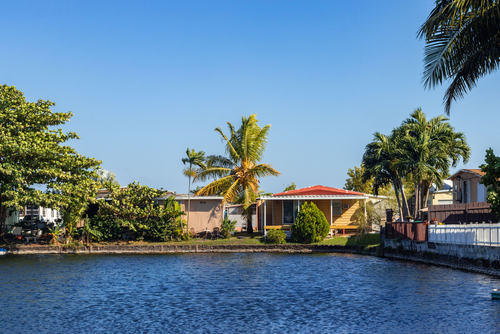
Hialeah’s economy is built on manufacturing, healthcare support, construction, and service work. These sectors rely on long hours, particularly in small factories and family-run businesses. Many workers hold multiple jobs or work six days a week. Wage growth has not kept up with South Florida’s rising rents.
The city has a high percentage of working households living paycheck to paycheck. Benefits and job protections vary widely, especially in smaller employers. Economic mobility is limited without higher education, which many workers can’t afford. Effort is abundant, but financial breathing room is scarce.
8. Las Cruces, New Mexico

Las Cruces workers often find employment in healthcare, education support, agriculture, and service industries. These roles frequently involve long shifts with modest pay, especially in healthcare and farm work. Seasonal labor increases workload without guaranteeing year-round stability. Even full-time workers often struggle to make ends meet.
Median household incomes in the area trail national figures by a wide margin. Job growth is steady but concentrated in lower-paying sectors. Opportunities for advancement are limited unless workers leave the region. Hard work keeps the city running, but rewards remain minimal.
9. Yuma, Arizona
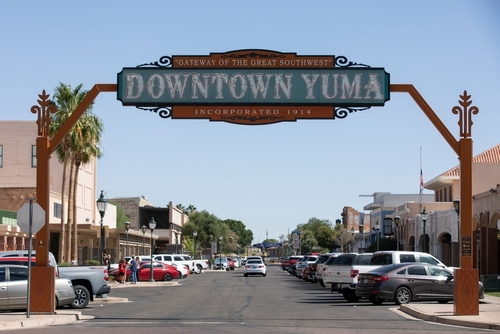
Yuma is one of the most productive agricultural regions in the country, especially during winter months. Farmworkers and processing employees routinely work long days under harsh conditions. Seasonal peaks mean intense workloads followed by uncertain downtime. Wages rarely reflect the physical toll of the work.
The city’s economy depends heavily on low-wage labor. Poverty rates remain high, even among working households. Many residents lack access to stable benefits or career advancement. The labor feeds the nation, but the workers see little return.
10. Merced, California
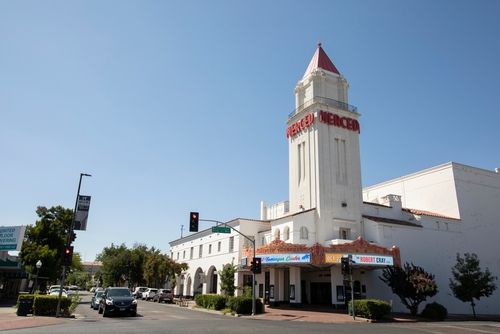
Merced’s workforce is anchored in agriculture, education support, and healthcare services. Farm and processing jobs often require extended hours, particularly during harvest seasons. Even university-adjacent employment tends to pay modestly. Rising housing costs have outpaced local wage growth.
The city consistently ranks low in median income for California. Many residents commute long distances to higher-paying jobs elsewhere. Economic mobility is limited within the city itself. People work hard here, but opportunity remains scarce.
11. Jackson, Mississippi
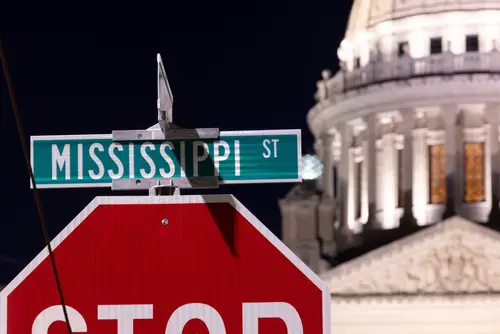
Jackson’s workforce includes government support roles, healthcare aides, retail workers, and logistics employees. Many of these jobs require long hours with limited flexibility. Infrastructure challenges and public-sector budget constraints add stress to daily work life. Wages remain low compared to national standards.
The city has faced prolonged economic stagnation. Poverty rates are high even among full-time workers. Job growth has been uneven and concentrated in lower-paying sectors. The effort is there, but the reward rarely follows.
This post America’s Most Overworked Communities Are the Least Rewarded was first published on American Charm.

