1. Calico, California
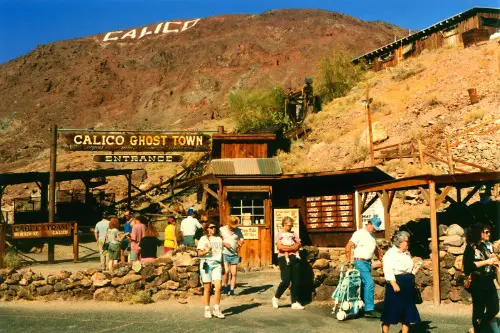
Calico makes the list as an example of a ghost town turned attraction. It was a silver-mining town in the 1880s before declining just as quickly. By the mid-20th century, it was largely abandoned and falling apart. The site was later restored to reflect its mining-era appearance.
No one lives in Calico today, but it’s far from empty. Staff, performers, and visitors fill the town daily. Shops and buildings are reconstructed based on historical records. Calico matters because it raises questions about how preservation and commercialization intersect.
2. Bodie, California
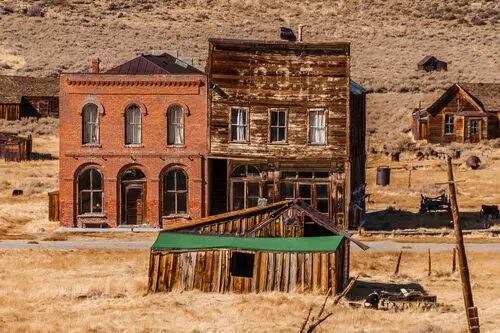
Bodie is included because it represents the classic image of a Western mining ghost town. Once home to thousands during an 1870s gold boom, it emptied out as mines failed and people moved on. Today it’s preserved in a state of “arrested decay,” meaning buildings are stabilized but not restored. That approach makes Bodie feel authentic rather than theatrical.
While no one lives there full-time, Bodie is not truly empty. California State Parks staff and caretakers are present seasonally to maintain the site. Furnished homes, a schoolhouse, and a church remain just as they were left. The reason it matters is that Bodie shows how abandonment can be preserved without being erased.
3. Jerome, Arizona
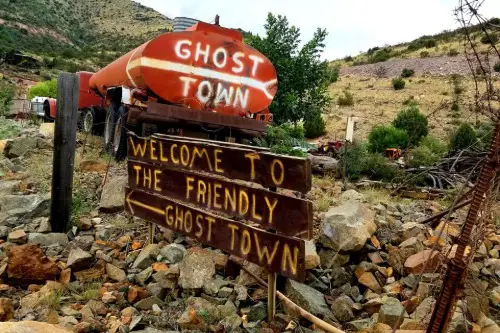
Jerome makes the list because it’s a ghost town that refused to stay dead. Once a booming copper-mining town, it nearly emptied out by the 1950s after the mines closed. Landslides and fires damaged buildings, and the population dropped to just a few dozen people. For a time, it was widely considered a true ghost town.
Today, Jerome has reinvented itself as an artsy hillside community. It has a few hundred residents, along with galleries, restaurants, and historic hotels. The town leans into its haunted reputation while functioning as a real place to live. Its inclusion shows how some ghost towns come back without losing their past.
4. Garnet, Montana
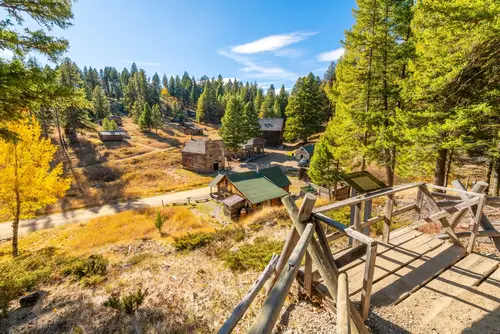
Garnet stands out because it’s one of the best-preserved mining towns in Montana. Founded in the 1890s after gold discoveries, it once had hotels, saloons, and a school. When mining declined, residents gradually left rather than fleeing all at once. That slow exit left many structures intact.
Today, Garnet has no permanent residents, but it isn’t abandoned in the strictest sense. Bureau of Land Management caretakers live on-site seasonally. Visitors can walk through cabins, a hotel, and a jail that still feel lived-in. Garnet earns its place because it shows how isolation, not disaster, can empty a town.
5. Rhyolite, Nevada
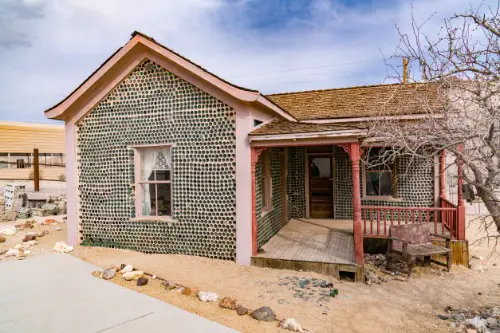
Rhyolite is included because it rose and fell with astonishing speed. Founded in 1904 after a gold discovery, it quickly developed concrete buildings, electric lights, and a stock exchange. Within about a decade, the mines failed and the population collapsed. By 1920, it was effectively empty.
What remains today are skeletal ruins and scattered structures in the Nevada desert. No one lives there, but it’s a frequent stop for tourists and photographers. An outdoor art installation nearby keeps people coming through. Rhyolite matters because it shows how boomtown optimism can vanish almost overnight.
6. Picher, Oklahoma
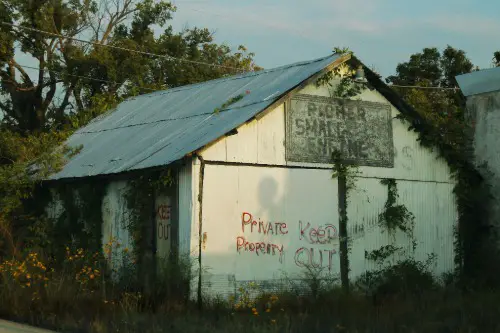
Picher belongs on this list because it was abandoned for environmental reasons rather than economics alone. The town grew around lead and zinc mining in the early 20th century. Decades of mining left behind massive piles of toxic waste known as chat. Health risks became so severe that the town was designated a Superfund site.
A federal buyout program led to the town’s disincorporation in 2009. Most residents left, but for years a few people refused to move. Buildings, schools, and streets still stand in various states of decay. Picher’s story is important because it shows how pollution can erase a town long after prosperity ends.
7. Terlingua, Texas
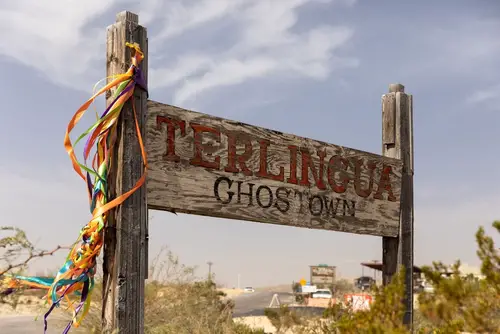
Terlingua is included because it blurs the line between ghost town and small community. It began as a mercury-mining town in the early 1900s. When mining declined, most residents left, leaving behind ruins and cemeteries. For decades, it was largely abandoned.
Today, Terlingua has a small but steady population. Artists, retirees, and desert lovers live among the remnants of the old town. The nearby Big Bend National Park helps sustain tourism. Terlingua earns its spot because it proves ghost towns can evolve into unconventional living places.
8. Centralia, Pennsylvania
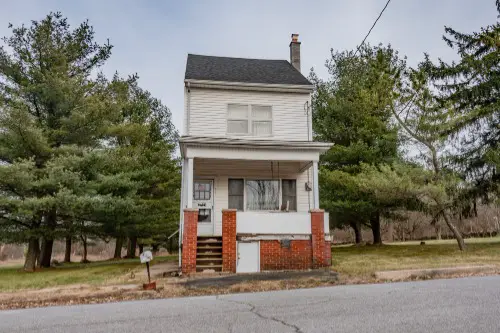
Centralia earns its spot because it’s a ghost town that’s still technically alive. An underground coal fire ignited in 1962 and continues to burn beneath the town, releasing toxic gases and causing the ground to collapse in places. The danger forced a federal relocation program that erased most of the town from the map. What makes Centralia unusual is that the disaster is ongoing, not frozen in the past.
A small number of residents refused buyouts and still live there today. Streets were officially vacated, and most addresses no longer exist, yet mailboxes and driveways remain. Smoke and steam still rise from fissures in the ground, especially in cold weather. It’s a place where abandonment feels active rather than complete.
9. Virginia City, Nevada
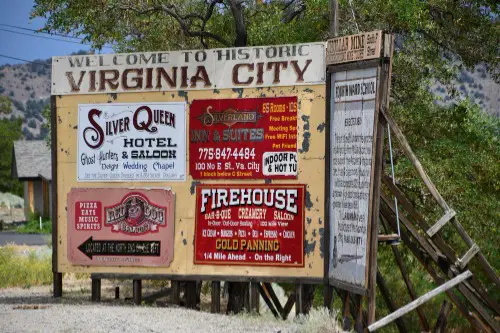
Virginia City earns its place because it’s a ghost town that never fully vanished. During the Comstock Lode silver boom, it was one of the richest cities in the West. When mining declined, the population shrank dramatically. Fires and neglect damaged much of the town.
Unlike many ghost towns, Virginia City still has a sizable population. Hundreds of people live there today, alongside museums, saloons, and historic sites. Tourism keeps the economy going, but daily life still happens. Its inclusion highlights how some boomtowns stabilize instead of disappearing.
10. Kennicott, Alaska
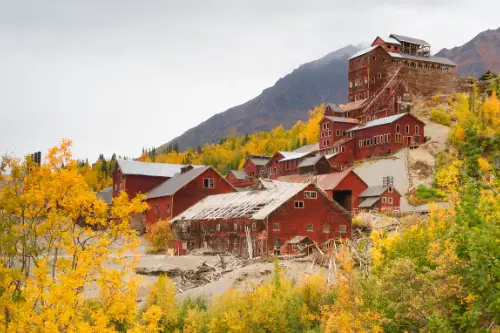
Kennicott is included because of its extreme isolation and dramatic industrial ruins. It was built around rich copper deposits discovered in the early 1900s. When the mines were exhausted in 1938, residents left almost immediately. The town was abandoned in a matter of weeks.
Today, Kennicott sits within Wrangell–St. Elias National Park. No permanent residents live there, but park staff and guides are present seasonally. Massive mill buildings still dominate the landscape. Kennicott’s reason for inclusion is how completely industry defined—and ended—the town.
11. St. Elmo, Colorado
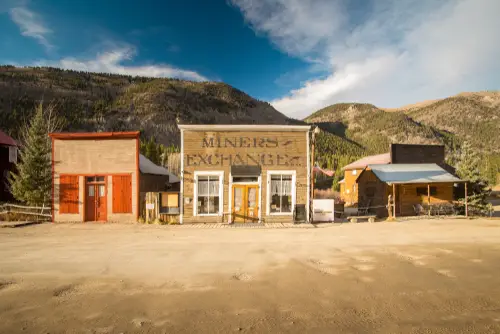
St. Elmo belongs on this list because it’s a mountain ghost town that’s still partially lived in. Founded in 1880, it thrived as a railroad and mining hub. When rail service ended, residents slowly moved away. Unlike boomtowns that collapsed suddenly, St. Elmo faded over decades.
Today, several buildings are privately owned and used seasonally. A small number of people occupy cabins during the summer months. The rest of the town remains frozen in time. St. Elmo shows how seasonal habitation can keep a ghost town from fully disappearing.
12. Cairo, Illinois
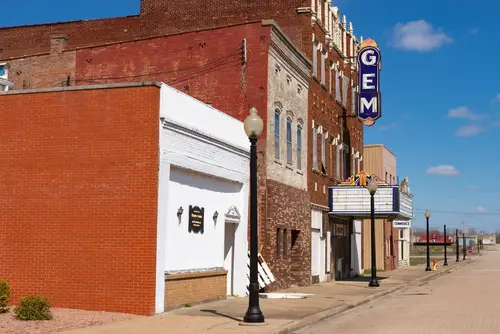
Cairo is included because it represents a modern, slow-motion ghost town. Once a thriving river city, it declined after changes in transportation and industry. Population loss accelerated in the late 20th century. Entire neighborhoods now sit abandoned.
Unlike traditional ghost towns, Cairo still has residents. A few thousand people remain, surrounded by empty buildings and shuttered schools. Essential services continue, but on a reduced scale. Cairo earns its place because it shows that ghost towns aren’t always relics of the distant past.
This post America Has More Ghost Towns Than You Think—And Some Aren’t Empty was first published on American Charm.