1. The Remote Village of Hoonah, Alaska
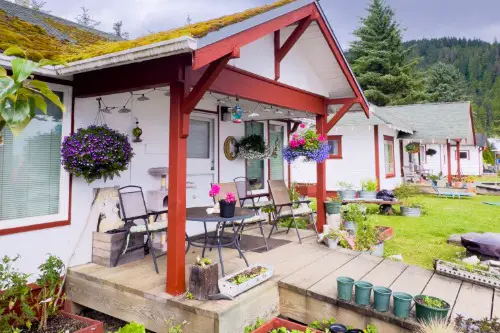
Located on an island in Southeast Alaska, Hoonah is a remote village with a population of about 800 people. While the town has access to electricity, some of the outlying homes still operate without it. These homes use solar power, wind turbines, and generators to stay powered, and many have no running water. Living here requires residents to be incredibly resourceful and prepared for extreme weather.
In a town where hunting, fishing, and logging are central to the economy, self-sufficiency is key. People rely on fish traps, hunting tools, and small, community-run businesses to meet their needs. Despite the challenges of living without consistent electricity, Hoonah’s residents have found a way to make it work by coming together. Their connection to the land and each other is far more important than the need for modern luxuries.
2. The Last Few Residents of Caliente, Nevada
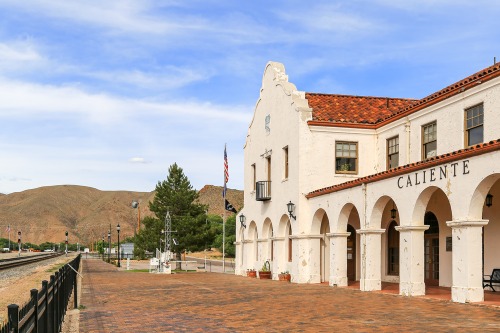
Caliente, Nevada, is a small town that used to be a bustling railroad hub but has seen its population dwindle in recent decades. While many homes have access to electricity, a few stubborn residents remain who live without it. These residents prefer a quiet, self-reliant lifestyle, using solar panels and small generators for power. In the extreme heat of Nevada, living without air conditioning is a challenge, but those who live off-grid often rely on passive cooling techniques, like thick adobe walls and natural ventilation.
What’s fascinating about Caliente is how its remaining residents have created a close-knit community where cooperation is essential. They share resources and knowledge about off-grid living, from gardening techniques to maintaining solar power systems. Many homes are built with sustainability in mind, using rainwater harvesting and composting toilets to reduce the need for external systems. Caliente may be a fading town, but its few residents prove that living off the grid is still possible even in the modern world.
3. Deep Snow and No Grid Access in Bettles, Alaska
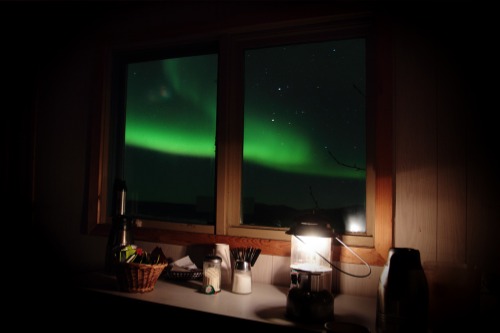
Bettles sits far north in Alaska, deep in the wilderness, with no roads connecting it to the rest of the state. Diesel generators provide some power, but many residents rely on wood-burning stoves for heat and candles for light. The extreme cold makes solar panels unreliable, and battery storage isn’t cost-effective for such a small community. People here have adapted to low-energy living by using propane for cooking and conserving every bit of fuel they have.
Despite its remoteness, Bettles remains a critical stop for bush pilots and researchers heading into the Arctic. Locals embrace the isolation, maintaining traditions like dog sledding and ice fishing to sustain themselves. When the generators go down, it’s back to basics—kerosene lamps and wood-fired cooking. They’ve learned to live with minimal electric power, proving that you don’t need a full grid to survive.
4. Amish Communities Choose a Different Path
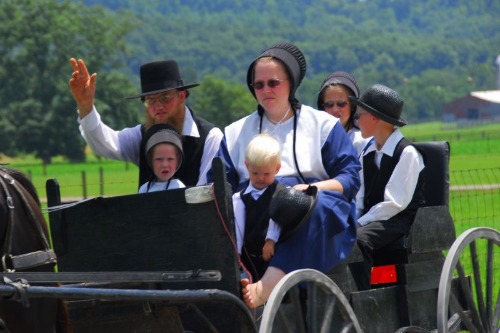
Many Amish settlements, particularly in Pennsylvania, Ohio, and Indiana, intentionally avoid public electricity. They see reliance on the grid as a connection to the outside world that conflicts with their values of simplicity and self-sufficiency. Instead, they use gas lamps, wood-burning stoves, and even homemade battery setups to power essential tools. Their farming lifestyle supports their needs, with manual labor replacing most electrical conveniences.
Without electricity, Amish communities have developed incredible craftsmanship and resourcefulness. Many use alternative technologies like compressed air or horse-powered machinery for tasks that others would plug in. Refrigeration is handled with ice houses or propane-powered coolers, and communication happens through word of mouth or printed newsletters. Their way of life proves that electricity isn’t essential for a thriving, close-knit society.
5. Supai, Arizona – No Roads, No Power
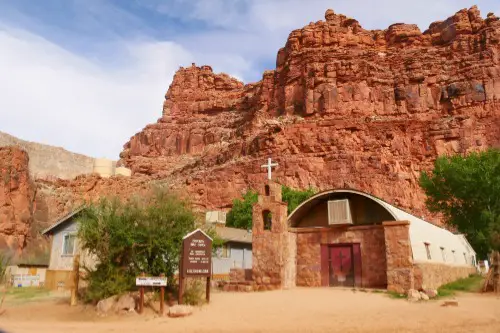
Supai, the only town inside the Grand Canyon, is home to the Havasupai Tribe and completely off the power grid. The only way in or out is by hiking, horseback, or helicopter, which makes running power lines nearly impossible. The community relies on propane for cooking and cooling, while natural water sources keep them hydrated. Life moves at a different pace here, shaped by the land rather than modern conveniences.
Residents have adapted by using solar panels for limited power and relying on traditional methods for daily life. Mail is still delivered by mule, and food is often grown locally or flown in when needed. Without artificial light pollution, Supai enjoys some of the clearest night skies in the country. It’s a challenging existence, but the Havasupai people have thrived in this environment for centuries.
6. Gas-Powered Life in Chicken, Alaska
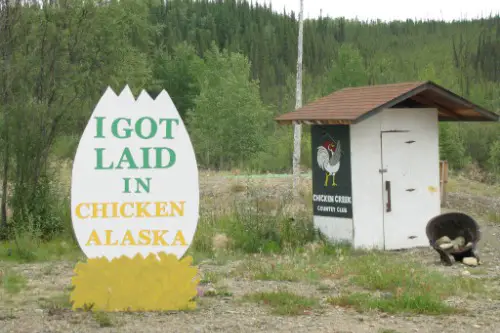
The tiny town of Chicken, Alaska, sits in the middle of nowhere, with no official electric grid connection. Generators run many of the businesses, but when they go off, life carries on much as it always has. Residents heat their homes with wood, cook on propane stoves, and use gas lamps or candles at night. The town’s name may be funny, but the way people live here is serious survival.
Winter temperatures can drop to -50°F, making electricity-free living even more extreme. Many homes are built to retain heat, with thick insulation and small windows to conserve warmth. Running water isn’t always available, so people often haul water or melt snow to get by. Despite the hardships, Chicken has a tight-knit community that values independence over modern convenience.
7. Dry Cabin Culture in Fairbanks, Alaska
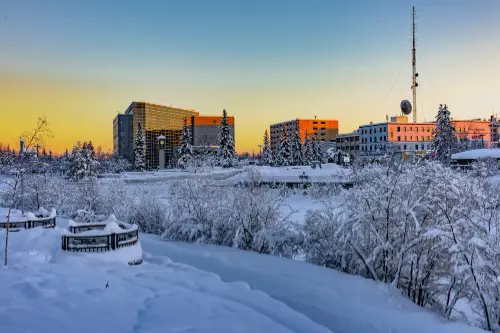
Even in a relatively modern city like Fairbanks, many people choose to live in “dry cabins” without electricity or plumbing. These off-grid homes rely on wood stoves for heat and propane for cooking, with no running water in the winter. People haul water from public stations, using outhouses instead of indoor plumbing. It’s a lifestyle of simplicity, driven by affordability and a desire for independence.
With temperatures plunging well below zero in winter, staying warm is a top priority. Many dry cabin residents embrace the challenge, seeing it as a return to basic survival skills. Living without electricity in Fairbanks isn’t always about necessity—it’s often a deliberate choice. The city provides just enough infrastructure to make it possible while still allowing people to stay off-grid.
8. The Polygamist Community of Rulon Allred’s Followers in Montana
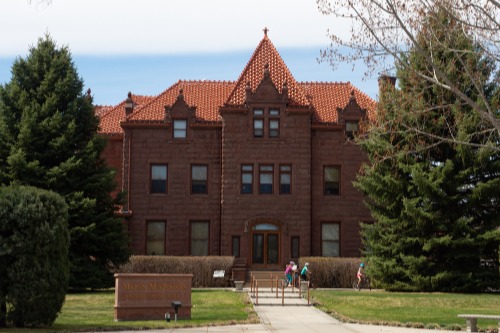
Some small fundamentalist Mormon groups in Montana and other rural areas live without electricity as part of their religious beliefs. They believe modern conveniences can lead to temptation and distraction from faith and family. Instead of electric stoves and lights, they use wood-burning ovens, kerosene lanterns, and manual farm tools. Many of these communities farm and raise livestock, living off the land as much as possible.
This self-imposed isolation allows them to maintain their traditions without outside interference. While some individuals use battery-powered devices sparingly, the general way of life remains low-tech. Education and work happen within the community, ensuring limited reliance on modern infrastructure. Their commitment to living without electricity is deeply tied to their spiritual convictions.
9. The Challenges of Navajo Nation Off-Grid Homes
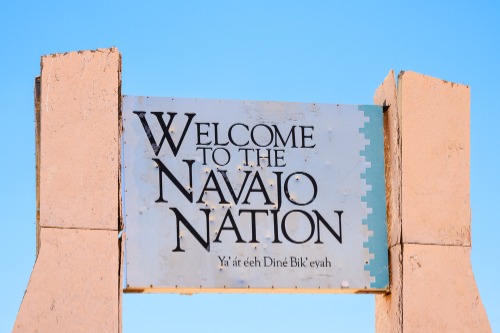
Despite being one of the largest Indigenous reservations in the U.S., many homes on Navajo Nation land still lack electricity. The vast and rugged terrain makes it difficult and expensive to extend power lines to every household. Many families use wood-burning stoves, kerosene lamps, and solar panels to meet their basic needs. Water access can also be a struggle, with some families driving hours to fill up large containers.
Efforts to expand electricity access have been slow, though some initiatives have brought solar power to remote homes. Still, many Navajo families continue to live much as their ancestors did, relying on resourcefulness and strong community ties. Living without power here isn’t always by choice, but people make it work with what they have. The resilience of the Navajo people shines through in their ability to adapt and endure.
10. Gas Lamps and Community Life in Monowi, Nebraska
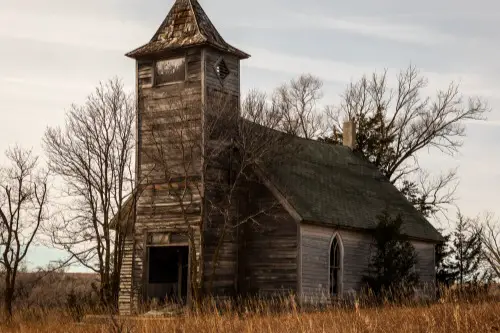
Monowi is famous for being the smallest town in the U.S., with just one resident: Elsie Eiler. While she technically has access to electricity, she keeps her lifestyle simple, relying on gas-powered appliances and traditional methods. Her small bar, which serves the occasional traveler, doesn’t need much power to operate. She’s living proof that you don’t need a fully electrified home to enjoy life.
Elsie takes care of everything herself, from running the bar to managing the town’s “library.” She cooks on propane stoves and uses minimal electricity to keep her costs down. With no neighbors to rely on, she’s become completely self-sufficient. Her life is a unique example of how one person can keep a town alive without much modern technology.
11. Off-Grid Living in Leadville, Colorado
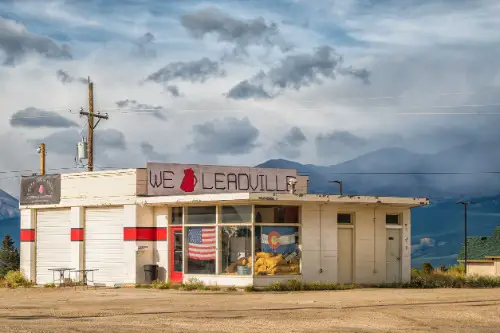
Leadville, one of the highest cities in the U.S., is known for its old mining history and extreme weather conditions. While most of the city has access to electricity, some remote homes and cabins in the area still operate without it. The harsh winters, often with temperatures below freezing, make it difficult to keep power running consistently. Residents here use wood stoves for heat, propane for cooking, and solar panels to power essential devices.
The lack of electricity encourages a lifestyle that embraces hard work and self-sufficiency. Many homeowners in Leadville have learned to generate their own power through off-grid systems, making use of natural resources like sunlight and wind. Despite the challenges, the community thrives with a sense of independence and adventure. It’s a place where the ruggedness of the terrain meets the resourcefulness of its people.
12. Washington State’s Remote Town of Ozette
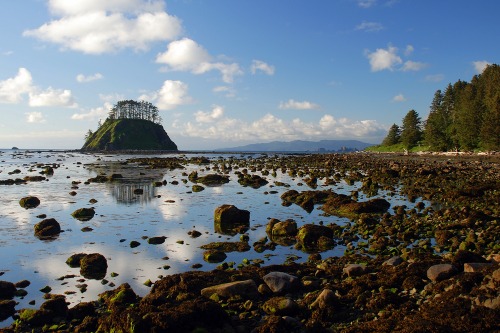
Ozette, a small town located on the Olympic Peninsula in Washington, has its own unique way of life. Situated near the Pacific Ocean and surrounded by dense forest, Ozette’s isolation means limited access to electricity. The town has only a few dozen residents, many of whom rely on wind and solar power for their energy needs. With frequent rain and overcast skies, it can be challenging, but many homes in Ozette are designed to make the most of what little sunlight they get.
Living without a consistent electricity supply has led Ozette residents to embrace a slower, more sustainable lifestyle. Many grow their own food and engage in local fishing, preserving the area’s natural resources. The community has a strong connection to the environment, with people focusing on preserving the land and the culture of the Native American Makah tribe. It’s a town where nature dictates the pace of life, and electricity is just an afterthought.
This post Remote U.S. Towns Still Operate Without Electricity – How Is It Possible? was first published on American Charm.