
1. New York City, New York

New York’s famous grid system, laid out in the 1811 Commissioners’ Plan, quietly shapes how you move through the city. Streets and avenues form a predictable pattern that makes navigation almost instinctive after a short time. You start thinking in numbers instead of landmarks, which changes how you give directions. Even walking speed tends to increase because everything feels structured and efficient.
That design also influences behavior in subtler ways. People are more likely to walk long distances because the route feels straightforward. Businesses cluster logically along avenues, guiding where crowds gather. The grid encourages a kind of mental mapping that becomes second nature. Over time, it trains you to think in straight lines and quick decisions.
2. Boston, Massachusetts
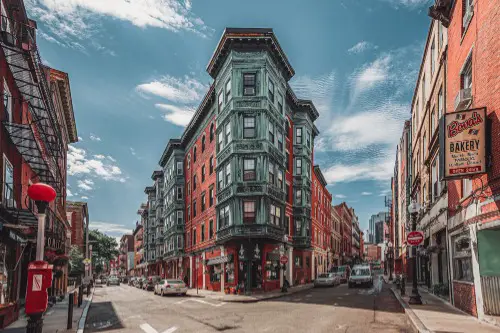
Boston’s street layout feels almost chaotic compared to grid-based cities, and that’s because much of it evolved organically from colonial-era paths. Streets follow old cow trails and early property lines rather than a master plan. As a result, navigation often depends on landmarks instead of logic. You learn to recognize buildings, parks, and intersections rather than rely on a system.
This unpredictability changes how people move and think. Locals often give directions based on “take a left at the church” instead of street names. It also slows you down, encouraging exploration rather than efficiency. Visitors tend to wander more, sometimes unintentionally. The city subtly teaches you to embrace getting a little lost.
3. Los Angeles, California
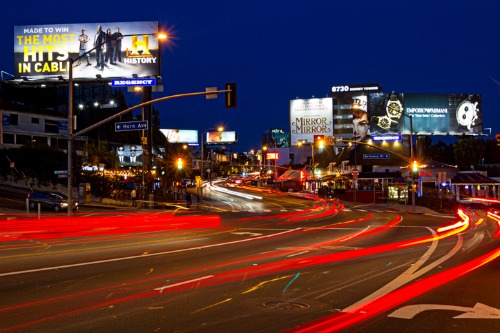
Los Angeles was built around the automobile, and you feel that immediately. Wide roads, sprawling neighborhoods, and extensive freeways make driving the default way to get around. Distances that look short on a map often take significant time to travel. The city’s design nudges you into planning your day around traffic patterns.
This car-centric layout influences daily habits in a big way. People often think in terms of drive time rather than miles. Spontaneous plans become less common because logistics matter so much. Even social circles can become geographically limited. Over time, the city conditions you to organize life around movement and distance.
4. Chicago, Illinois
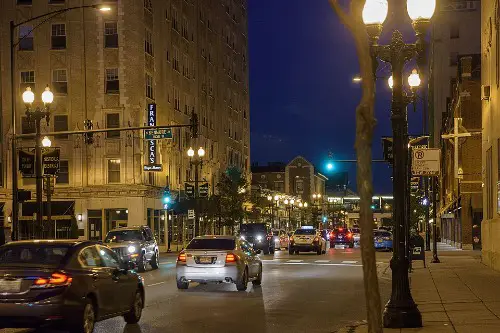
Chicago’s grid system is famously precise, but it’s also anchored by a central reference point at State and Madison Streets. Every address is measured as a distance from that intersection. This creates a highly logical navigation system that residents quickly internalize. You start to understand location just by hearing an address.
That structure shapes behavior in everyday decisions. People can estimate travel time and distance without checking a map. It encourages confidence in exploring new neighborhoods. The predictability also supports efficient public transit use. Over time, it builds a strong internal sense of spatial awareness.
5. Washington, D.C.
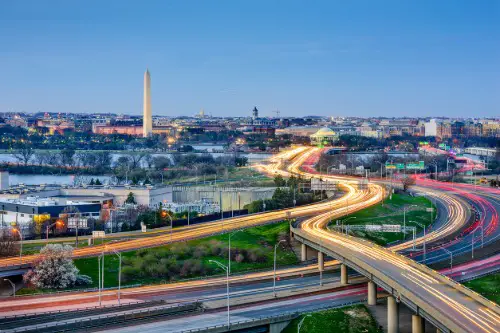
Washington, D.C. was designed with a combination of grids and diagonal avenues by Pierre L’Enfant. The diagonals create circles and plazas that break up the standard street pattern. This layout was meant to highlight important buildings and create grand visual lines. It makes the city feel both organized and ceremonial.
That design influences how people move through space. Traffic often converges at circles, shaping driving behavior and congestion patterns. Pedestrians are drawn toward monuments and open spaces. The layout encourages a sense of direction tied to landmarks and sightlines. It subtly pushes you to experience the city as a series of important destinations.
6. San Francisco, California
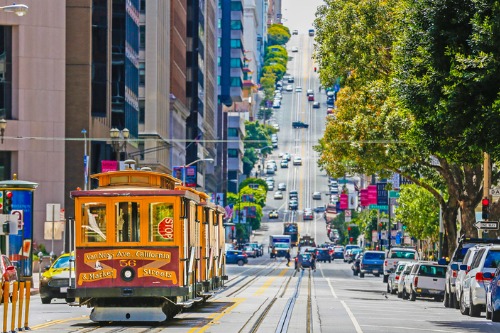
San Francisco’s steep hills weren’t flattened during development, and that choice still affects daily life. Streets rise and fall dramatically, turning short walks into physical workouts. The terrain naturally slows movement and changes travel routes. Even choosing whether to walk or drive depends on elevation.
This geography shapes behavior in noticeable ways. People become more aware of effort and distance. Certain neighborhoods feel more isolated simply because they’re harder to reach. Views and vantage points become part of everyday decision-making. The city teaches you to factor in the landscape constantly.
7. Phoenix, Arizona

Phoenix was built on a large, consistent grid that extends across the metro area. Wide arterial roads and evenly spaced intersections make navigation straightforward. The design supports driving long distances with minimal confusion. Addresses often correspond closely to actual location.
This layout influences how people plan their lives. Commutes are measured in predictable increments, making scheduling easier. Businesses spread out rather than cluster tightly. Walking is less common because of distance and heat. The city encourages a routine built around driving and predictability.
8. Savannah, Georgia
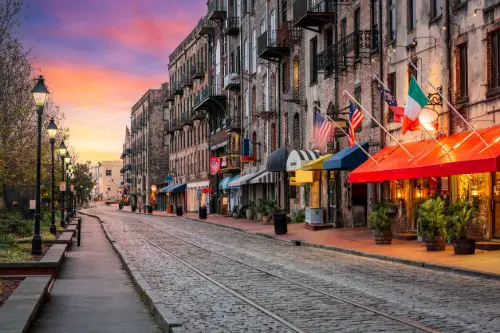
Savannah’s design revolves around a series of public squares laid out in the 18th century. These green spaces are evenly distributed throughout the historic district. They were intended as gathering places and buffers for community life. The layout creates a rhythm of open space and streets.
That structure changes how people interact with the city. Walking routes naturally pass through shaded squares. Social activity tends to cluster in these shared spaces. It encourages slower movement and more frequent pauses. The design makes public life feel built into everyday routines.
9. Salt Lake City, Utah
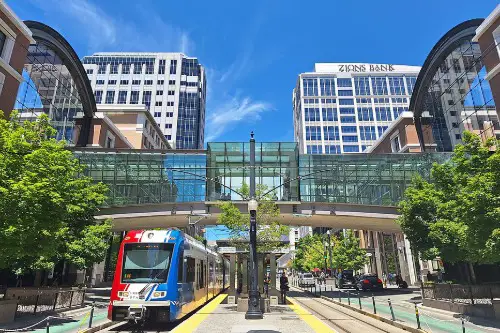
Salt Lake City’s streets were intentionally designed to be unusually wide. Early planners wanted enough space for ox-drawn wagons to turn around easily. The grid is also oriented around Temple Square as a central reference point. Blocks are large compared to many other cities.
This design affects behavior in subtle but real ways. Wide streets can make walking feel less intimate and more spread out. Intersections take longer to cross, influencing pedestrian flow. Drivers benefit from easier navigation and visibility. The city quietly prioritizes space and movement over density.
10. Miami, Florida

Miami’s development patterns reflect waves of rapid growth and zoning focused on tourism and real estate. High-rise buildings cluster along the coast and downtown areas. Inland neighborhoods often follow different patterns with less density. This creates sharp contrasts in how areas function.
That variation influences daily behavior. People move between very different environments within short distances. Social life often centers around specific districts rather than the whole city. Transportation choices shift depending on where you are. The city encourages a segmented way of experiencing urban life.
11. Portland, Oregon
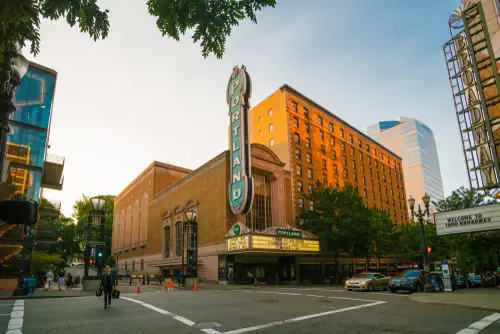
Portland is known for its relatively small city blocks compared to many U.S. cities. Short blocks mean more intersections and more route options for pedestrians. This design makes walking feel efficient and engaging. You can change direction easily without committing to long stretches.
That structure encourages a more walkable lifestyle. People are more likely to explore shops and cafes along the way. It creates a sense of constant choice in movement. Businesses benefit from increased foot traffic. The city subtly nudges you to stay on foot.
12. Las Vegas, Nevada

Las Vegas, especially the Strip, was designed to keep visitors moving through casinos and resorts. Layouts often guide you past gaming floors, shops, and attractions before reaching exits. Lighting and lack of clocks contribute to a sense of timelessness. The environment is carefully controlled.
This design directly influences behavior. People tend to spend more time indoors and lose track of hours. Walking paths are intentionally indirect to increase exposure to attractions. The city encourages lingering and exploration within controlled spaces. It’s a place where design actively shapes decisions.
13. Seattle, Washington
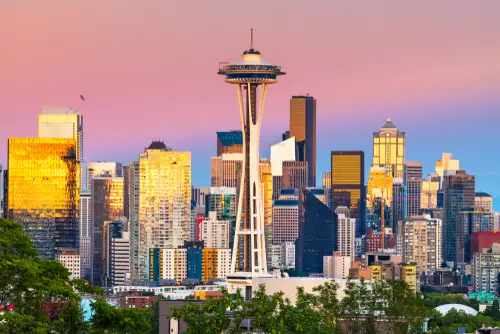
Seattle was rebuilt after the Great Seattle Fire of 1889, and parts of the city were literally elevated. Streets were raised, leaving underground spaces beneath the current sidewalks. The result is a layered city with hidden infrastructure. It’s not something you always see, but it’s there.
That history influences how people experience the city. Tours and local knowledge highlight what’s beneath your feet. Drainage and street design reflect those early engineering choices. It adds a sense of depth to everyday movement. The city quietly reminds you that what you see isn’t the whole story.
This post Unexpected Ways These Cities Were Built That Influence Your Behavior was first published on American Charm.

