1. Utility Box Murals
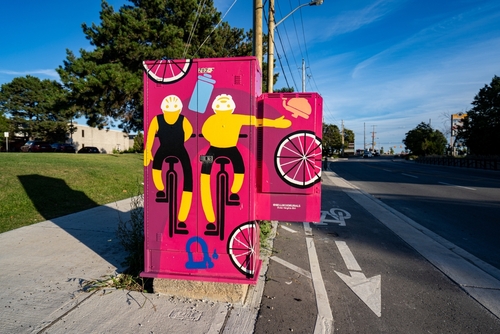
Those colorful painted boxes on sidewalks aren’t just public art displays. They’re usually utility cabinets that house electrical wiring, traffic signal controls, or telecommunications equipment. Cities commission artists to decorate them so they blend into neighborhoods more pleasantly. It turns a necessary but unattractive object into something engaging.
Inside, the equipment is critical for managing everyday infrastructure. Opening one reveals switches, circuits, and cables that keep intersections functioning. The artwork helps deter graffiti and vandalism in many cases. What looks like a mini mural is actually part of the city’s nervous system.
2. Fake Cell Towers
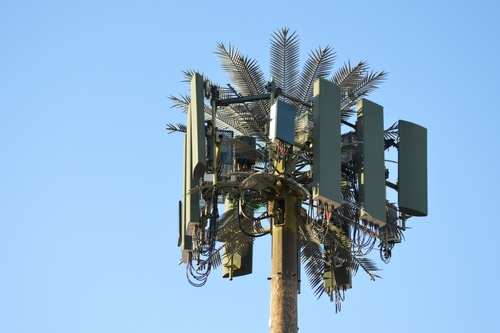
You’ve probably seen what looks like a pine tree or palm tree that just feels a little off. In many cases, those are actually cell towers designed to blend into the environment. Telecom companies build them this way to meet zoning rules and reduce visual impact in residential or scenic areas. Once you notice one, you start spotting them everywhere.
These towers still function exactly like standard ones, carrying wireless signals across wide areas. The branches are often made of plastic or fiberglass, which is why they look slightly unnatural up close. Some are even disguised as church steeples or flagpoles. They’re a reminder that infrastructure is often hidden in plain sight.
3. Manhole Covers
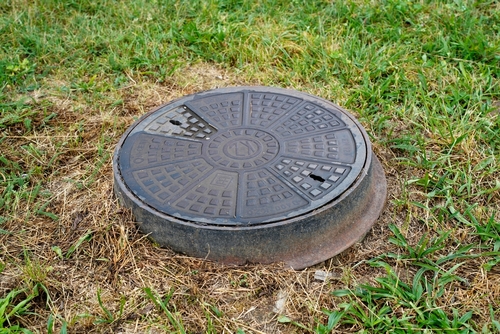
Manhole covers might seem like simple pieces of metal embedded in the street. In reality, they’re carefully engineered access points to sewer systems, electrical lines, or steam networks. Their round shape isn’t accidental, since it prevents the cover from falling through the opening. That design has been used for well over a century.
Different cities stamp their covers with names or symbols tied to local utilities. Some even indicate what type of system lies beneath. Workers rely on them for maintenance and emergency access. What looks like a basic street feature is actually part of a complex underground world.
4. Park Benches with Armrests

Park benches with multiple armrests might look like they’re just designed for comfort. In many cases, they’re intentionally built that way to prevent people from lying down across them. This design is often part of what’s called defensive or hostile architecture. Cities and property managers use it to control how public spaces are used.
The goal is usually to discourage long-term sleeping in certain areas. While it’s framed as maintenance or safety, it also reflects broader social policies. The design influences behavior without needing signs or enforcement. What seems like a small comfort feature often has a much larger purpose.
5. Security Cameras in Domes
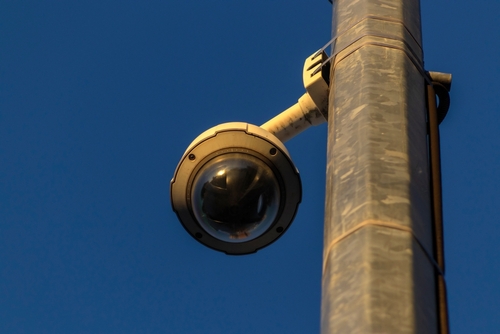
Those dark, bubble-shaped fixtures on ceilings or walls are usually security cameras. The tinted dome makes it hard to tell exactly where the lens is pointing. That uncertainty increases their effectiveness as a deterrent. People tend to behave differently when they think they might be watched.
Inside, the camera can rotate or stay fixed depending on the model. They’re commonly used in stores, transit systems, and public buildings. The design protects the hardware from tampering. It’s a subtle way of adding surveillance without drawing too much attention.
6. Fake Rocks

Some rocks in landscaped areas aren’t rocks at all. They’re hollow covers designed to hide sprinkler valves, electrical outlets, or utility connections. Manufacturers mold them to look realistic enough from a distance. Up close, they sometimes give themselves away.
They’re especially common in parks, office complexes, and suburban developments. The goal is to keep infrastructure accessible without making it visually intrusive. Workers can lift or move them when maintenance is needed. It’s a small example of how function gets disguised as nature.
7. Fire Hydrants

Fire hydrants might look like simple street fixtures, but they’re part of a carefully pressurized water system. Their bright colors often indicate water flow capacity or local standards. Firefighters rely on them for immediate access during emergencies. Placement is planned based on building density and risk.
They also require regular maintenance and testing to ensure reliability. In colder climates, some are specially designed to prevent freezing. Their visibility is intentional, even as other infrastructure gets hidden. What looks basic is actually critical to public safety.
8. Call Boxes

Those blue or brightly colored poles on college campuses or parking structures are emergency call boxes. They connect directly to security or emergency services with the push of a button. Many include cameras and location tracking features. They’re designed to be easy to find in stressful situations.
Even though mobile phones are common, these systems still provide a backup. They’re especially useful in areas with poor reception. Their visibility is part of their effectiveness as a safety feature. What looks like a simple pole is actually a direct lifeline.
9. Tactile Paving
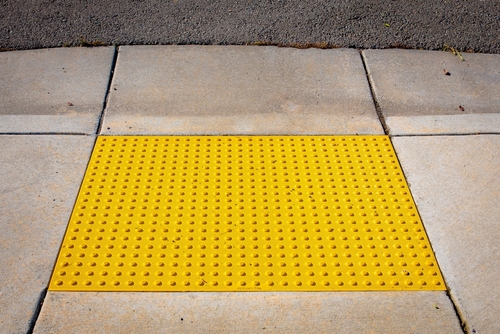
Those bumpy yellow tiles at crosswalks aren’t just decorative. They’re called tactile paving and are designed to assist people with visual impairments. The raised patterns can be felt underfoot or with a cane. They signal important transitions like street crossings or platform edges.
Different patterns can convey different types of information. They’re standardized in many countries for consistency. Their bright color also improves visibility for sighted pedestrians. What seems like a design detail is actually an accessibility tool.
10. Storm Drains
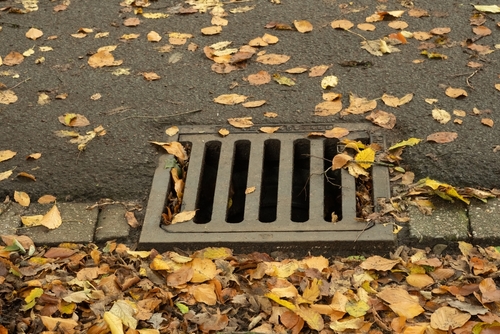
Storm drains sit quietly along curbs, but they play a major role in preventing flooding. They collect rainwater and channel it into underground drainage systems. Without them, even moderate storms could overwhelm streets. Their placement follows careful engineering plans.
They often connect to larger municipal systems or natural waterways. Debris buildup can reduce their effectiveness, which is why maintenance matters. Some even include filters to catch pollutants. What looks like a simple grate is part of a citywide water system.
11. Flagpoles
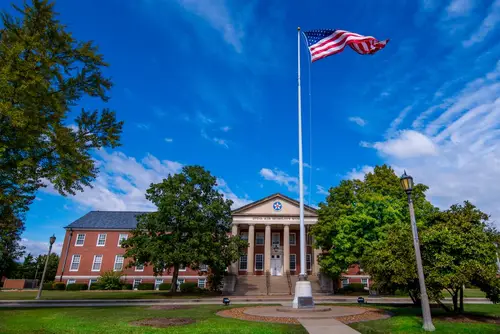
Not every flagpole is just for flying a flag. Some are designed to conceal cellular or radio antennas inside. This allows communication equipment to operate without adding visible towers. It’s especially common in areas with strict aesthetic guidelines.
From the outside, they look completely ordinary. Inside, they house transmitters and cabling. Maintenance crews access them from the base. It’s another example of technology hiding in everyday structures.
12. Bollards
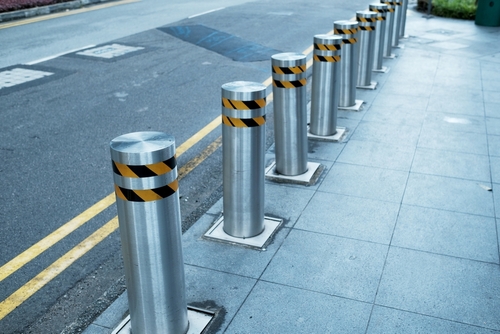
Those short, sturdy posts lining sidewalks or building entrances are called bollards. They’re designed to stop vehicles from entering restricted areas. Many are reinforced to withstand significant impact. Their spacing is carefully calculated.
Some are decorative, but others are purely functional. You’ll see them near government buildings, storefronts, and pedestrian zones. They quietly add a layer of protection against accidents or attacks. What looks like a simple barrier carries serious engineering behind it.
13. Public Trash Cans with Separate Openings
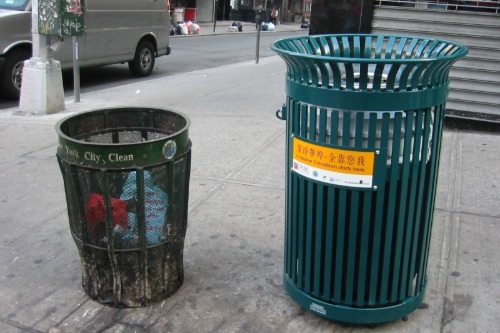
Public trash cans with multiple labeled openings are part of waste management systems. They separate recyclables, compost, and landfill waste at the source. This helps cities reduce contamination and improve recycling rates. The design encourages people to sort without much effort.
Inside, the compartments are often divided into separate bins. Some systems even track usage patterns to improve placement. Clear labeling plays a big role in effectiveness. What looks like a basic bin is actually part of a broader environmental strategy.
This post Everyday Objects in Public Spaces That Aren’t What They Seem was first published on American Charm.