
1. Brooklyn, New York
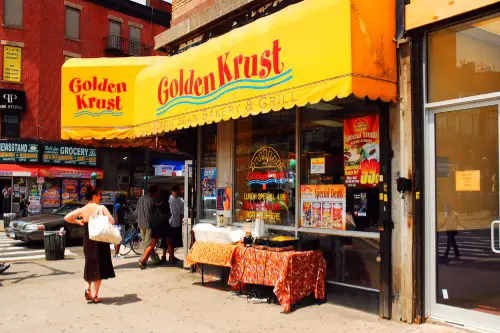
Brooklyn’s transformation unfolded neighborhood by neighborhood. Areas like Williamsburg and DUMBO changed first, followed by others over time. Industrial buildings slowly became lofts, studios, and offices. The process took years, not months.
Longtime residents noticed when rents edged upward and demographics shifted. Local businesses changed to match new demand. What was once considered fringe became central to the borough’s appeal. Outsiders often see a finished product, but locals saw the gradual transition.
2. Denver, Colorado
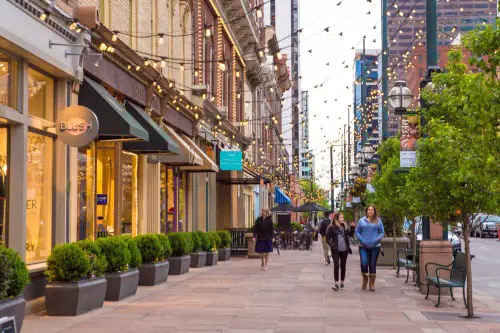
Denver evolved from a quieter regional hub into a fast-growing destination over several decades. Its appeal grew with outdoor recreation, a strong job market, and steady migration. Development expanded outward and upward, changing the skyline gradually. None of it felt abrupt if you lived through it.
Longtime residents noticed when older buildings gave way to apartments and mixed-use spaces. Neighborhoods that once felt overlooked became some of the most desirable. Home prices climbed steadily, not suddenly. The city’s personality shifted in small, cumulative ways.
3. Nashville, Tennessee
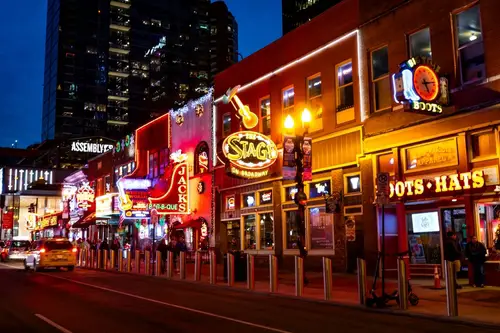
Nashville has always been known for music, but its broader growth came piece by piece. Healthcare, tourism, and corporate relocations expanded its economic base. New construction filled in gaps across the city rather than transforming it all at once. The result was a slow but constant hum of change.
Locals noticed when familiar spots were replaced with hotels or newer venues. The downtown core became busier year after year. Bachelorette parties and tourism became more visible over time. To visitors, it now feels like a boomtown, but residents remember the quieter version.
4. Seattle, Washington
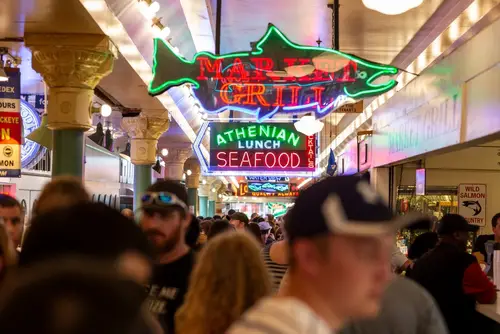
Seattle’s shift into a major tech hub happened over decades, not just in recent years. Companies like Microsoft and later Amazon expanded gradually, reshaping the job market. Neighborhoods filled in with offices, apartments, and transit projects. The skyline grew in stages rather than all at once.
Locals felt the change through rising rents and evolving neighborhoods. Areas that once had a scrappier feel became more polished. Traffic congestion increased bit by bit. The city’s identity stretched beyond its earlier image as a quieter port and music hub.
5. Portland, Oregon
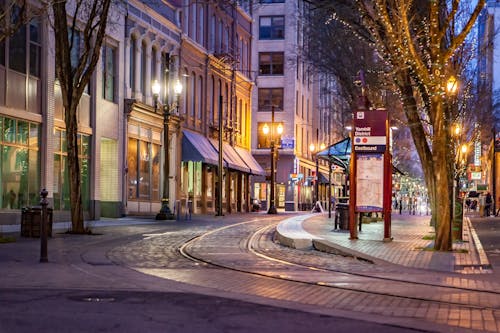
Portland built a reputation for its independent culture and urban planning choices. Over time, it attracted newcomers drawn to that identity. Growth came steadily, with infill development and changing neighborhoods. It rarely felt like a single defining boom.
Residents noticed subtle shifts in affordability and density. Formerly industrial areas transformed into residential and creative spaces. Small businesses turned over gradually as rents rose. The city still feels like itself, just a different version than before.
6. Austin, Texas
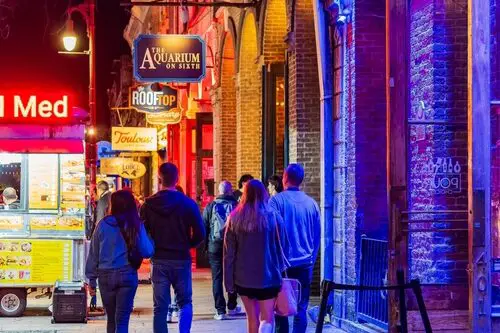
Austin’s transformation didn’t happen overnight, even if it sometimes feels that way from the outside. For decades, it balanced its identity as a college town and state capital with a laid-back, creative culture. Tech companies began expanding there in the 1990s and 2000s, steadily reshaping the economy. The changes came in waves, not a single boom.
Locals noticed when familiar music venues closed or neighborhoods started filling with new development. Rising housing costs crept up year by year rather than all at once. Traffic, once manageable, slowly became a defining part of daily life. To outsiders it looks like a sudden hotspot, but residents felt every step of the shift.
7. San Diego, California
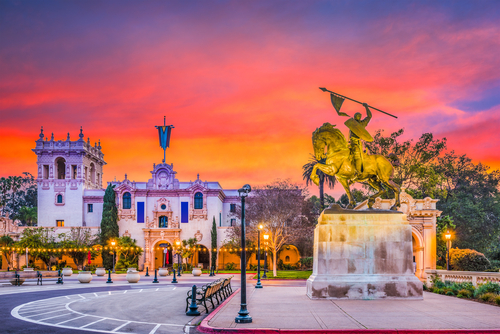
San Diego has long been known for its military presence and coastal lifestyle. Over time, biotech and research industries expanded quietly. Neighborhoods developed gradually rather than through rapid, sweeping change. Growth felt steady and manageable.
Residents noticed increased housing demand and shifting job opportunities. Areas near downtown and the coast saw incremental redevelopment. Traffic and cost of living rose slowly over the years. The city evolved without losing its core identity.
8. Charlotte, North Carolina
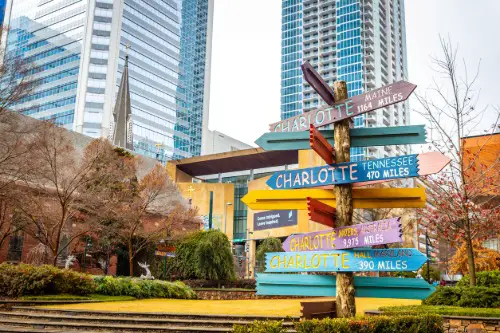
Charlotte’s rise as a banking center happened over several decades. Major financial institutions expanded their presence gradually. The skyline filled in piece by piece with office towers. Growth felt consistent rather than explosive.
Locals saw farmland and low-density areas turn into suburbs over time. Infrastructure expanded to keep pace with population increases. Housing developments spread outward year after year. The city’s scale changed slowly but significantly.
9. Boise, Idaho
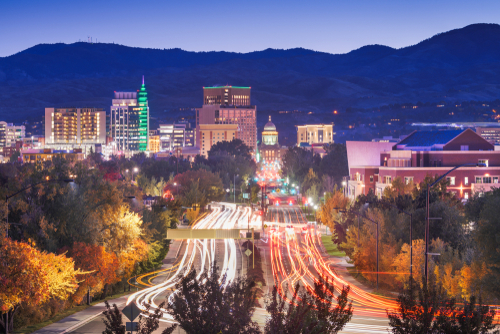
Boise’s growth story is often framed as recent, but it built momentum over time. A strong quality of life and steady job market attracted new residents. Development followed gradually, expanding neighborhoods outward. It didn’t feel like a sudden surge to those living there.
Residents noticed when traffic increased and housing became more competitive. New construction filled in open land year by year. Local culture adapted to a growing population. The change was steady enough that it felt normal while it was happening.
10. Phoenix, Arizona
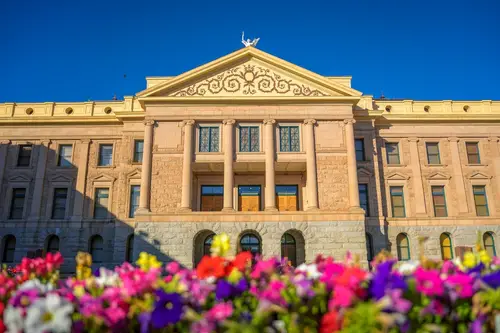
Phoenix has been expanding outward for decades through suburban growth. Master-planned communities spread across the desert in stages. Population increases came in waves tied to economic cycles. The metro area’s footprint kept stretching.
Locals saw familiar routes become busier over time. New neighborhoods appeared where open land once dominated. Commercial centers followed residential growth gradually. The scale of change is massive, but it unfolded incrementally.
11. Minneapolis, Minnesota
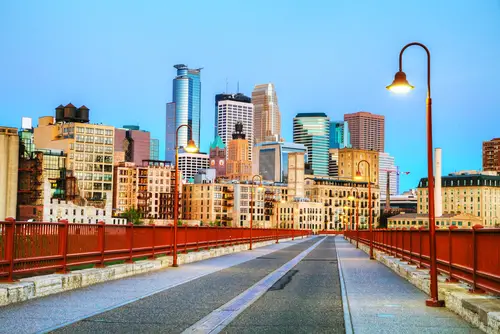
Minneapolis evolved through steady redevelopment and economic shifts. Former industrial areas transitioned into mixed-use neighborhoods. Investments in transit and public spaces reshaped daily life. The process took years of gradual change.
Residents noticed subtle differences in how neighborhoods functioned. Housing density increased in certain areas over time. New businesses replaced older ones bit by bit. The city’s identity adapted without a single dramatic turning point.
12. Atlanta, Georgia
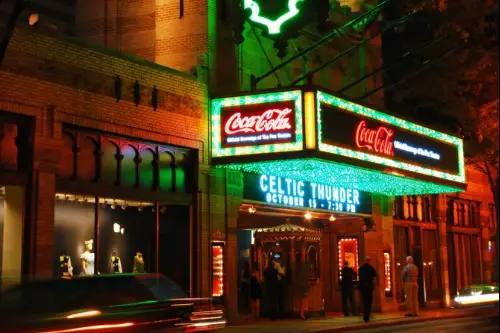
Atlanta’s growth has been ongoing for decades, driven by business, media, and transportation. Suburbs expanded outward while the urban core redeveloped. Each phase of growth built on the last. It rarely felt like a sudden transformation.
Locals experienced the shift through longer commutes and evolving neighborhoods. Development projects changed the skyline gradually. Cultural influence grew alongside economic expansion. The city became something bigger without a clear before-and-after moment.
13. Salt Lake City, Utah
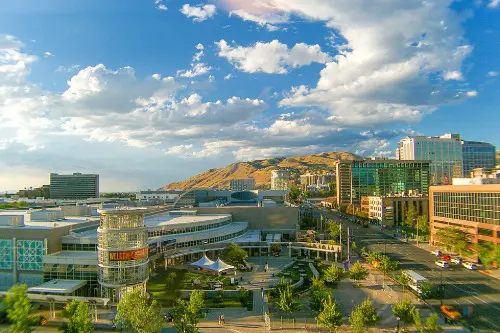
Salt Lake City has steadily grown beyond its historical image as a quiet regional center. Tech industry expansion brought new jobs and residents over time. Downtown development and transit improvements reshaped the city gradually. None of it happened all at once.
Residents noticed increasing housing demand and changing demographics. Formerly quiet areas became more active and dense. Outdoor recreation remained central, even as the economy diversified. The shift feels obvious now, but it unfolded step by step.
This post Popular American Cities That Changed So Gradually Only Locals Noticed was first published on American Charm.

