
1. Rolodex Cards
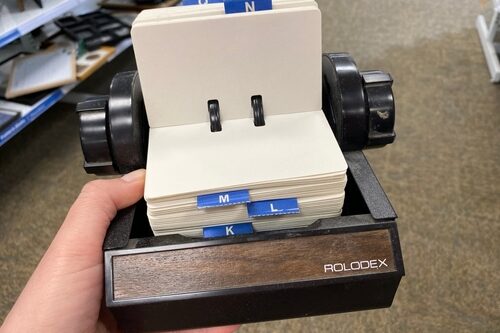
A Rolodex was once the ultimate tool for organizing contacts. Offices relied on rotating card files filled with names, phone numbers, and addresses. Updating it by hand made you familiar with your professional network in a very physical way. It sat prominently on desks as a symbol of connection and organization.
Digital contact lists made Rolodex systems feel slow and outdated. Searching and editing information became instant instead of manual. Many people entering the workforce today have never used one. The concept survives, but the tactile system has mostly disappeared.
2. Floppy Disks
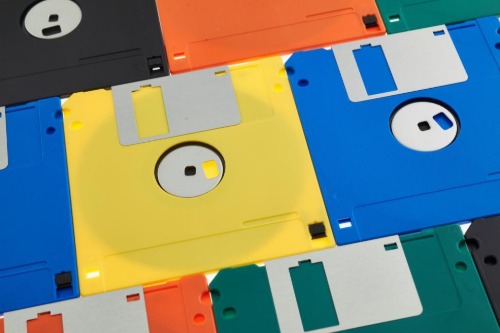
Floppy disks were once the standard way to store and transfer digital files. In the 1980s and 1990s, they held everything from school assignments to business documents. Their small storage capacity still felt impressive at the time because alternatives were limited. Sliding one into a computer was just part of using technology.
As file sizes grew, floppy disks quickly became impractical. CDs, USB drives, and cloud storage replaced them almost completely. Today, many younger people recognize the icon more as a “save” symbol than a real object. It’s a rare case where the visual legacy outlived the actual device.
3. Payphones
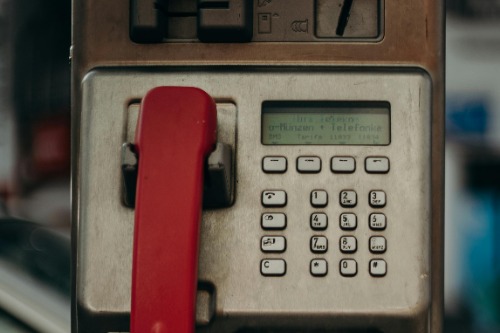
Payphones used to be a lifeline when you were away from home. You needed coins or a calling card to make a quick call from a street corner or inside a booth. Kids were often taught to memorize numbers just in case they needed one. They were a visible and reliable part of public infrastructure.
Mobile phones made them largely unnecessary. As usage dropped, maintenance costs led to widespread removal. In many cities, they’ve vanished almost entirely. Younger generations may only see them in movies or old photos.
4. VHS Tapes
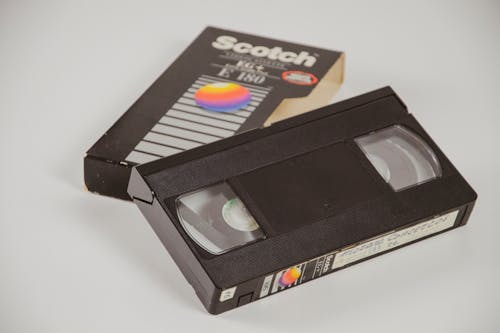
VHS tapes defined home entertainment for decades. Families built collections of movies and recorded TV shows to watch later. Rewinding tapes and dealing with tracking issues were just part of the experience. Video rental stores depended on them completely.
DVDs and streaming services made VHS obsolete. The bulky tapes and limited picture quality couldn’t compete. Many people no longer own devices that can even play them. They’ve become nostalgic artifacts rather than practical media.
5. Overhead Projectors
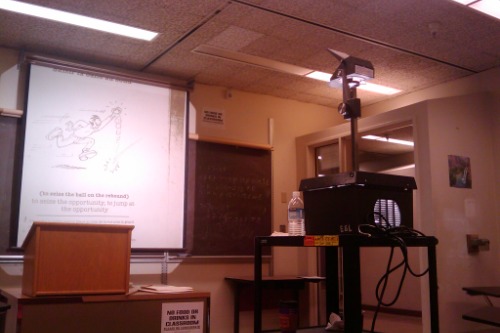
Overhead projectors were a classroom staple for years. Teachers wrote on transparent sheets and projected lessons onto a screen. Students learned to follow along as notes were built in real time. The hum of the machine and the glow of the light were familiar parts of school.
Digital projectors and interactive screens replaced them. Lessons became more dynamic and less dependent on physical transparencies. Many classrooms removed overhead units entirely. For younger students, the technology feels almost prehistoric.
6. Cassette Tapes
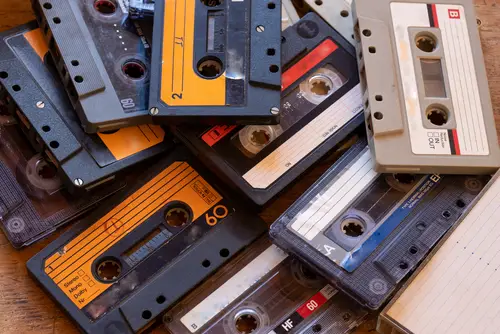
Cassette tapes made music portable before digital players existed. You could record songs off the radio or create personalized mixtapes. The physical act of rewinding with a pencil became oddly iconic. They were a major step toward personal music ownership.
CDs and later digital files made cassettes fade quickly. Sound quality and convenience improved with each new format. Today, cassette players are uncommon outside of niche collectors. The format survives mostly through nostalgia.
7. Phone Books
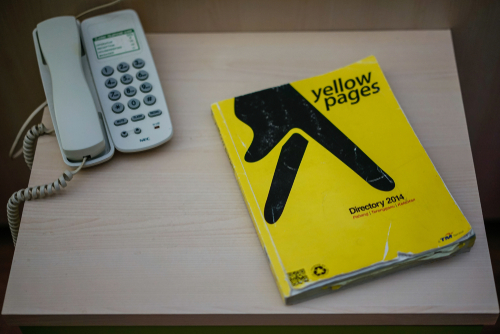
Phone books once arrived on doorsteps annually and were thick with listings. Finding a business or person meant flipping through hundreds of pages. They were essential for navigation in a pre-internet world. Almost every household had one within reach.
Search engines and smartphones replaced their function almost entirely. Information became faster to access and easier to update. Many regions stopped printing them due to declining use. A once-essential reference tool became unnecessary.
8. Slide Projectors
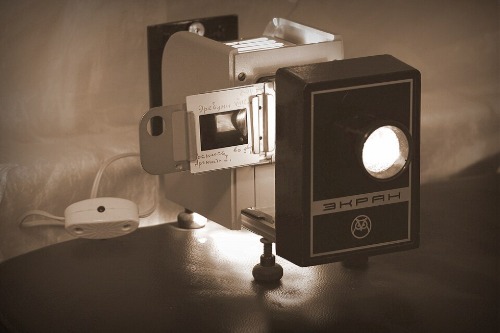
Slide projectors were used to display photographic slides for presentations and family gatherings. People organized slides into trays and clicked through them one by one. Travel photos and educational lectures often relied on this format. It turned images into a shared, event-like experience.
Digital photography eliminated the need for physical slides. Images can now be stored, edited, and shared instantly. Slide projectors are rarely used outside of specialized settings. The ritual of loading and presenting slides has mostly disappeared.
9. Typewriters
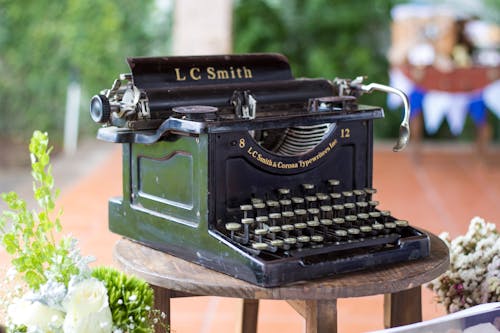
Typewriters were once the primary tool for writing documents. Offices, journalists, and students depended on them daily. Every keystroke produced a physical imprint on paper. Mistakes required correction fluid or starting over entirely.
Computers transformed writing into a flexible, editable process. Word processors eliminated many of the frustrations of typing. Typewriters are now mostly collector’s items or creative tools. Their mechanical rhythm is remembered more than relied upon.
10. Pager (Beepers)
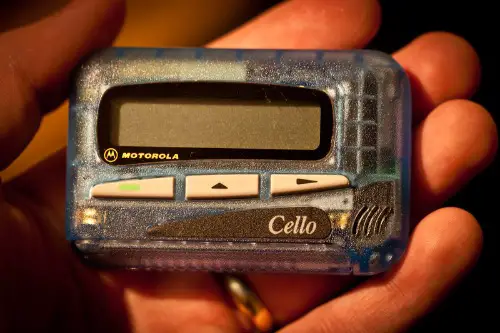
Pagers allowed people to receive short messages before mobile phones became widespread. Doctors, business professionals, and emergency workers relied on them. A beep or vibration meant you needed to find a phone and respond. It created a sense of urgency without full communication.
Cell phones replaced pagers by combining messaging and calling in one device. Most industries phased them out as technology advanced. A few fields still use them for reliability, but they’re rare. Many people today have never seen one in use.
11. Film Cameras (Consumer Point-and-Shoot)
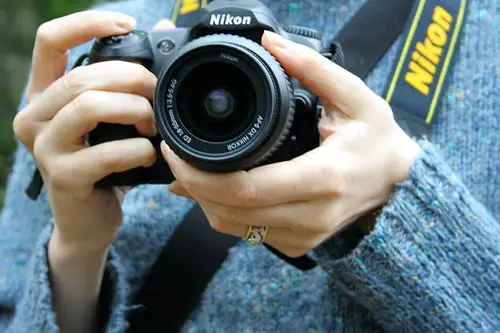
Point-and-shoot film cameras were once the default for capturing everyday moments. You had a limited number of exposures and had to wait for development to see results. That delay made photography feel more intentional. Photo albums were built slowly, one roll at a time.
Digital cameras and smartphones changed expectations completely. Instant previews and unlimited shots removed the need for film. Film cameras still exist, but mostly for enthusiasts. The everyday convenience they once offered has been replaced.
12. Answering Machines
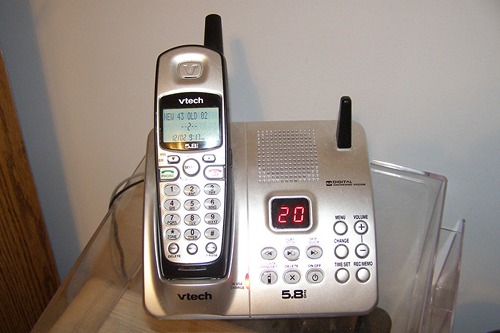
Answering machines recorded messages when you couldn’t pick up the phone. You’d come home and press play to hear who called and why. Outgoing messages were often carefully recorded and sometimes playful. It added personality to everyday communication.
Voicemail systems built into phones made standalone machines unnecessary. Messages became accessible from anywhere instead of tied to a device. Physical tapes and blinking lights disappeared from homes. The experience shifted from a shared household ritual to a private digital one.
This post Objects That Once Felt Essential but Are Now Barely Recognized was first published on American Charm.

