
1. Little Free Libraries
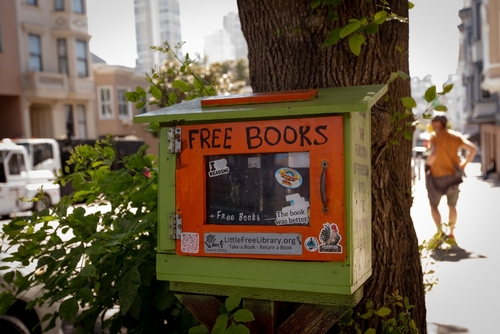
Those small wooden boxes filled with books in neighborhoods aren’t random decorations. They’re part of a global movement encouraging free book exchange. Anyone can take a book or leave one, no library card required. The idea is to promote literacy and community sharing.
The concept started in the U.S. and spread widely through grassroots participation. Many are registered and mapped online. They’re maintained by volunteers or homeowners. People walk by them every day without realizing they’re meant to be used.
2. Truncated Dome Pads at Crosswalks
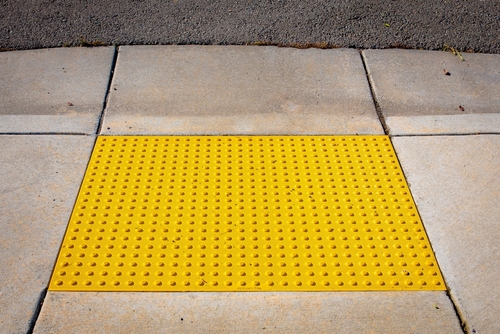
Those bumpy, textured panels at curb ramps aren’t just decorative. They’re called truncated dome pads and are designed to help visually impaired pedestrians. The raised bumps can be felt underfoot or with a cane, signaling a transition from sidewalk to street. They’re required under accessibility standards in many public spaces.
Their bright color also helps people with low vision distinguish edges. You’ll often find them at transit platforms and intersections. They quietly communicate important safety information without needing signage. Most people step on them daily without realizing they’re part of a nationwide accessibility system.
3. Fire Department Connection (FDC) Pipes on Buildings
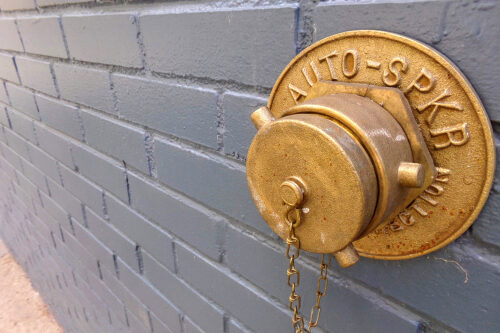
Those metal pipe connections on the outside of buildings, often with caps and labels, are for firefighters. They’re called Fire Department Connections and allow crews to pump water directly into a building’s sprinkler or standpipe system. In an emergency, this boosts water pressure where it’s needed most. Without them, internal systems might not perform effectively during a fire.
They’re usually located near entrances for quick access. You might see labels like “FDC” or “Siamese connection” stamped on them. Despite their importance, they blend into the building exterior. Most people pass them without ever realizing they’re critical emergency infrastructure.
4. Survey Markers Embedded in Sidewalks
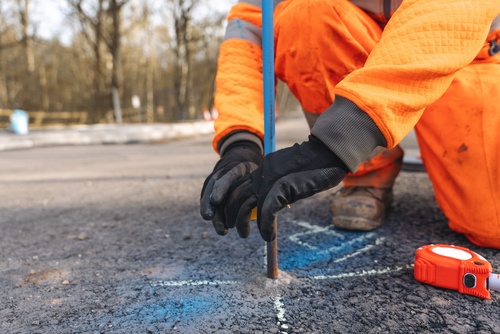
Small metal discs or caps set into concrete or pavement often go unnoticed. These are survey markers used as fixed reference points for mapping and construction. Engineers rely on them to measure elevation, boundaries, and distances accurately. Some have been in place for decades and are part of official geodetic networks.
They may be stamped with agency names or identification numbers. Tampering with them is usually illegal because they’re part of legal land records. Future construction projects depend on their precise location. They’re tiny, but they anchor large-scale planning.
5. Curb Cuts (Sidewalk Ramps)
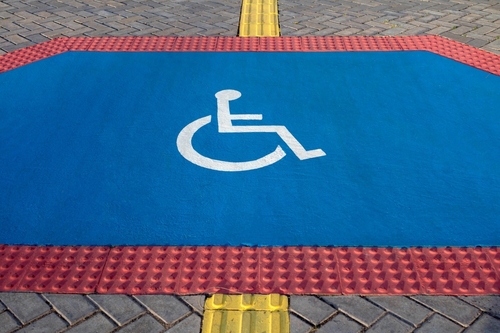
The sloped sections at street corners were originally designed for wheelchair access. Known as curb cuts, they became widespread after accessibility laws expanded in the late 20th century. They make it possible to move between sidewalks and streets without steps. Today, they’re a standard part of urban design.
But their usefulness goes far beyond their original purpose. Parents with strollers, travelers with luggage, and delivery workers all rely on them. This is often cited as a classic example of “curb-cut effect,” where accessibility helps everyone. Most people use them without thinking about why they exist.
6. Utility Locator Flags and Spray Paint Marks
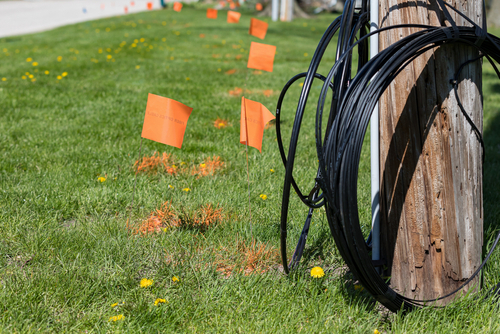
You’ve probably seen bright little flags or streaks of neon paint on sidewalks and grass and assumed they were random. They’re actually part of a standardized system used before digging to mark underground utilities. Different colors correspond to different services like gas, water, electricity, or communications lines. Crews rely on these markings to avoid dangerous and expensive accidents.
The system is coordinated through “call before you dig” services used across the United States. Each color has a specific meaning, which workers are trained to recognize instantly. Even small residential projects require these markings to stay compliant with safety regulations. So those splashes of color are basically a map of everything running beneath your feet.
7. Storm Drain Markings and Messages
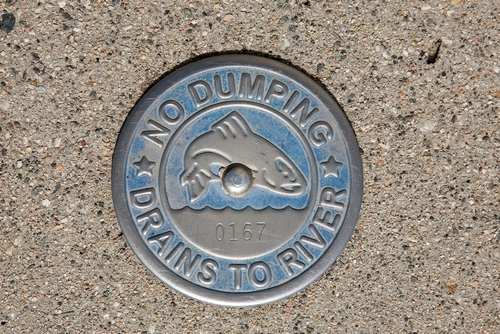
Some storm drains are labeled with messages like “No Dumping – Drains to River.” These aren’t just warnings, they’re environmental protection efforts. Stormwater systems often flow directly into natural waterways without treatment. That means anything dumped there can pollute rivers, lakes, or oceans.
Municipal programs install these markers to raise awareness. They’re especially common in areas focused on watershed protection. The goal is to change behavior through simple reminders. Most people see them but don’t fully grasp their importance.
8. Green Electrical Transformer Boxes
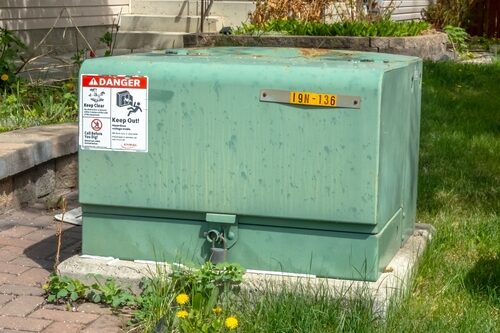
Those green metal boxes sitting on lawns or sidewalks are part of underground power systems. They house electrical transformers that step down high-voltage electricity for residential use. Instead of overhead wires, power is distributed through buried cables connected to these units. They’re essential for modern suburban infrastructure.
They’re designed to be unobtrusive but accessible to utility workers. Opening or tampering with them is extremely dangerous. Their placement follows strict safety and spacing guidelines. Most people treat them like harmless landscape features.
9. Blue Reflective Road Markers (Fire Hydrant Indicators)
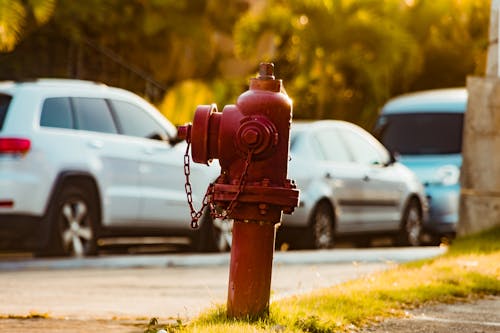
Small blue reflectors embedded in roads often go unnoticed by drivers. They actually mark the location of nearby fire hydrants. At night or in snow, hydrants can be hard to see, so these markers guide firefighters quickly. They’re placed directly in line with the hydrant on the roadside.
Different colors can indicate other underground features in some areas. The system helps emergency crews save critical time. Drivers pass over them constantly without realizing their meaning. It’s a subtle but important safety feature.
10. Guy Wires on Utility Poles
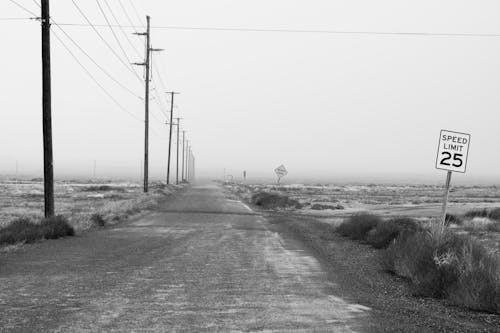
Those angled cables anchored into the ground next to utility poles are called guy wires. They stabilize poles against tension from overhead lines and wind forces. Without them, poles could lean or collapse under load. They’re especially common at corners or where lines change direction.
The ground anchors are carefully placed and engineered. You’ll often see protective yellow covers on the lower sections for visibility. They’re easy to overlook because they blend into the background. But they play a crucial role in keeping power and communication lines secure.
11. Railroad Crossing Signal Control Boxes

Near railroad crossings, you’ll often see metal cabinets sitting beside the tracks. These contain the electronics that control crossing signals and gates. They detect approaching trains and trigger lights, bells, and barriers. The system is designed to activate with precise timing for safety.
Maintenance crews access these boxes for inspections and repairs. They’re part of a larger network connected to rail operations. Without them, crossings wouldn’t function reliably. Most people never notice them unless something goes wrong.
12. Air Rights Buildings (Overbuilt Platforms)
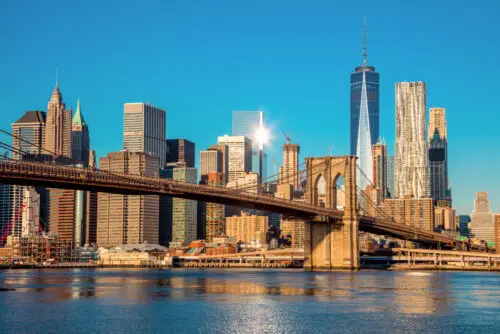
In some cities, buildings appear to sit above rail yards or highways. These are constructed using “air rights,” meaning developers build over existing infrastructure. Platforms are engineered to support structures while allowing trains or traffic below. It’s a way to maximize limited urban space.
This type of construction is common in dense cities like New York. It requires complex engineering and coordination. From street level, it often looks like a normal block. People walk through without realizing there’s active infrastructure underneath.
13. Utility Access Covers (Manhole Covers)
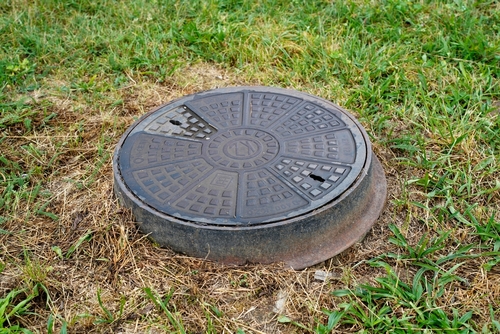
Manhole covers are everywhere, but most people never think about them. They provide access to underground sewer, electrical, or communication systems. Workers use them for maintenance, inspections, and emergency repairs. Their heavy design prevents unauthorized entry and supports vehicle traffic.
Many are labeled with the type of utility below. Their placement follows network layouts that mirror what’s underground. Some even have unique designs tied to specific cities. They’re one of the most visible yet least considered parts of urban infrastructure.
This post Things People Walk Past Daily Without Realizing Their Purpose was first published on American Charm.

