
1. The Alarm Clock Radio
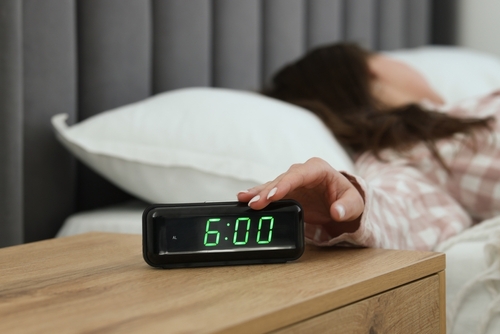
Before smartphones took over nightstands, the alarm clock radio was how most people woke up. It combined a digital clock with AM/FM radio, letting you fall asleep to music and wake up to a favorite station. Brands like Sony and GE made models that were practically household staples. Hitting the snooze button became part of the morning ritual.
It wasn’t just about waking up, it set the tone for the day. Morning DJs, weather reports, and news headlines came through those small speakers. You didn’t scroll or check notifications, you just listened. Once smartphones replaced both alarms and radios, the habit quietly disappeared.
2. The Rolodex
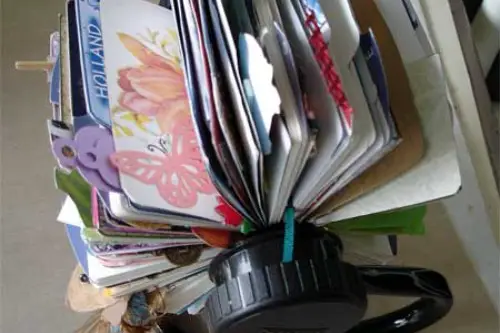
The Rolodex was once the go-to system for organizing contacts, especially in offices. It held rotating cards with names, phone numbers, and addresses, all sorted alphabetically. Having a well-maintained Rolodex meant you were organized and connected. It sat prominently on desks as a symbol of professional life.
People updated cards by hand whenever someone changed jobs or numbers. It required regular attention but created a reliable personal database. Digital contact lists eventually made it obsolete. Today, it feels like a relic of a slower, more tactile workday.
3. The Phone Book
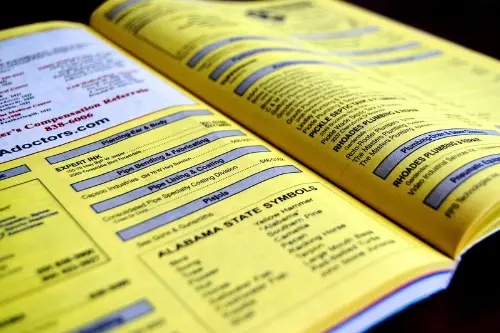
The phone book was essential in nearly every home for decades. Delivered annually, it listed residential and business numbers for entire communities. If you needed a plumber, a restaurant, or a neighbor’s number, this was where you looked. The Yellow Pages section became synonymous with local business searches.
It was bulky, often several inches thick, and lived in a consistent spot in the house. People flipped through it without thinking twice. As online search replaced it, distribution sharply declined. Now, many younger people have never used one at all.
4. The VHS Tape
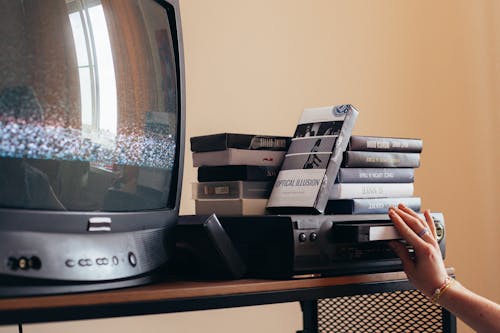
VHS tapes were once the standard for watching movies at home. Families built collections and recorded TV shows using VCRs. Rewinding tapes before returning them to rental stores like Blockbuster was common courtesy. Movie nights revolved around picking the right tape.
The format had physical quirks, including tracking adjustments and tape wear. Over time, DVDs and streaming replaced the need for bulky cassettes. Shelves once filled with tapes gradually emptied out. The ritual of rewinding and returning is now a memory.
5. The Pager
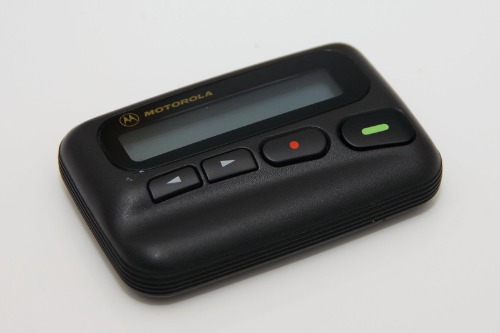
Pagers, also known as beepers, were once a key communication tool. They allowed people to receive short numeric or text messages anywhere within signal range. Doctors, businesspeople, and even teenagers carried them regularly. Seeing a number meant you needed to find a phone and call back.
They created a sense of urgency without constant conversation. You were reachable, but not instantly responsive. Mobile phones eventually replaced that middle step. Today, pagers are mostly limited to specific professional settings.
6. The Film Camera

Film cameras were once the only way to capture everyday moments. You had a limited number of exposures per roll, which made each photo feel intentional. Brands like Kodak and Fujifilm dominated the experience. After shooting, you had to wait for development to see the results.
That delay made photos feel more meaningful and sometimes surprising. Albums and printed pictures were part of daily life. Digital cameras and smartphones changed that completely. Now, instant previews and unlimited shots are the norm.
7. The Checkbook
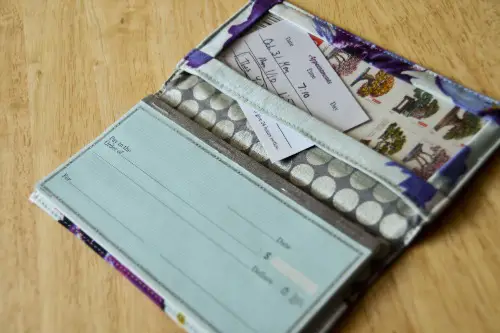
Checkbooks were once a standard way to pay bills and manage money. People wrote checks for rent, utilities, and even groceries. Balancing a checkbook was a regular financial habit. It required tracking every transaction carefully.
Mistakes could lead to overdraft fees or confusion. Still, it gave people a clear, written record of spending. Debit cards and online payments reduced the need for paper checks. Many people today rarely write them at all.
8. The TV Guide Magazine
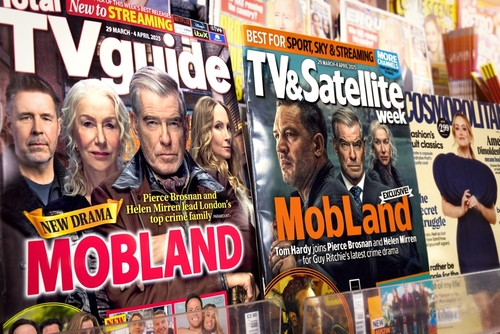
TV Guide was how people figured out what to watch before on-screen menus existed. It listed programming schedules by channel and time. Families planned their evenings around those listings. Missing a show often meant waiting for a rerun.
Flipping through the magazine became part of the weekly routine. Special issues highlighted upcoming shows and events. Cable boxes and streaming platforms replaced that need. Now, viewers browse instead of planning ahead.
9. The Answering Machine
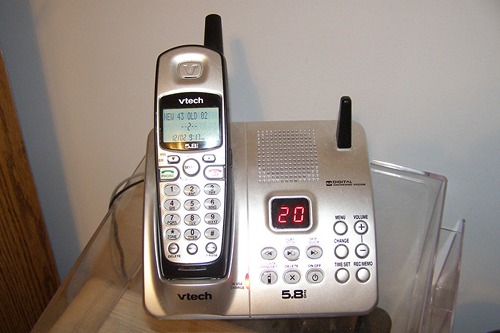
Answering machines recorded missed calls on cassette tapes or digital memory. If you weren’t home, callers left a message after the beep. Families often gathered to listen to messages together. It was the only way to “catch up” on missed communication.
Some people screened calls by listening in real time. Messages could be saved, replayed, or accidentally erased. Voicemail built into phones made standalone machines unnecessary. The familiar beep-and-message ritual faded away.
10. The Overhead Projector
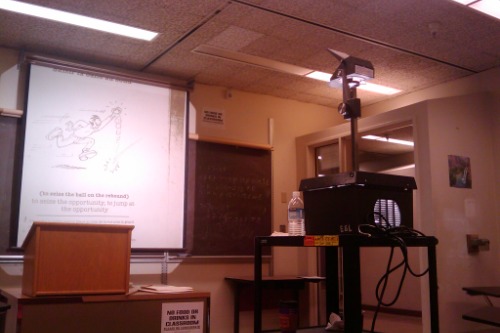
Overhead projectors were a classroom staple for decades. Teachers placed transparent sheets on the glass to display notes and diagrams. Students watched lessons unfold line by line. It was interactive in a very physical way.
Preparing transparencies took time and planning. Teachers often reused and layered materials. Digital presentations eventually replaced the format. The glow of the projector became a nostalgic memory for many.
11. The Portable CD Player
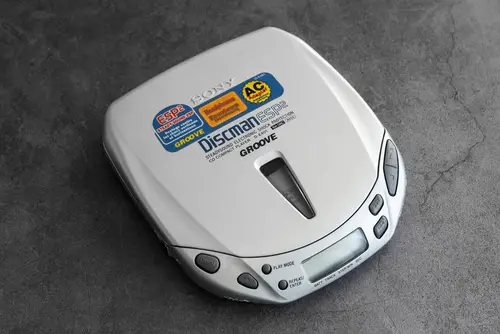
Portable CD players, often called Discman after Sony’s popular model, changed how people listened to music on the go. You could carry your favorite albums and skip tracks with the press of a button. Anti-skip technology became a major selling point. It made commuting and travel more personal.
Still, they were sensitive to movement and required carrying physical discs. People often brought binders full of CDs. MP3 players and smartphones made music fully portable without bulk. The shift made CD players feel outdated quickly.
12. The Wall Calendar
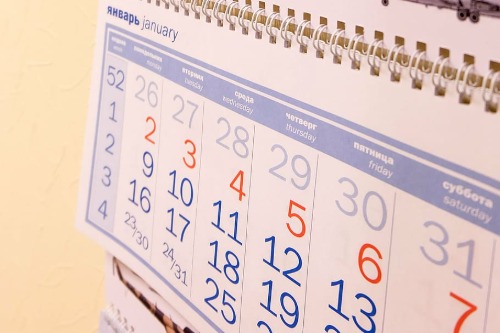
Wall calendars were once a central planning tool in homes and offices. They displayed appointments, birthdays, and important dates in plain view. Families checked them daily without thinking. Writing things down made schedules feel tangible.
Each month brought a new page and a fresh visual layout. Some calendars doubled as decoration or promotional items. Digital calendars gradually took over scheduling duties. The habit of glancing at the wall for plans became less common.
This post Familiar Objects That Used to Be Part of Everyone’s Routine was first published on American Charm.

