
1. Back-to-School Shopping Each Fall
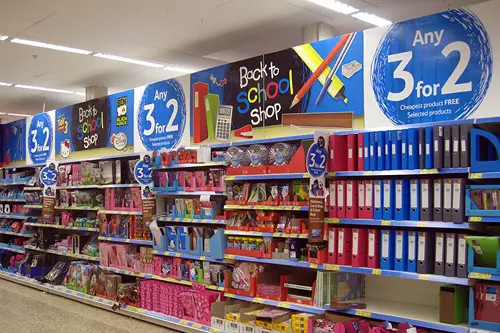
Late summer meant preparing for a new school year with fresh supplies. Families headed to stores for notebooks, pencils, and new clothes. It marked a clear transition from vacation to routine. Kids often had a say in choosing items that reflected their personality.
Retailers built entire seasonal campaigns around this moment. Stores like Target and Walmart leaned into the annual rush. The experience blended excitement with a bit of nervous anticipation. It became a shared ritual that signaled a new beginning.
2. Watching the Moon Landing Together
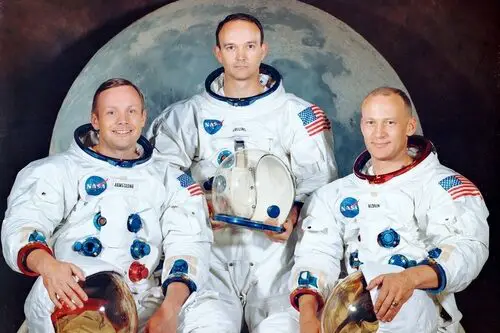
In July 1969, millions of Americans gathered around their televisions to watch the Apollo 11 Moon Landing. It wasn’t just a news event, it felt like a shared national moment unfolding in real time. Families stayed up late, classrooms replayed it the next day, and neighbors talked about it for weeks. Even people who didn’t fully understand the science knew they were witnessing history.
That moment created a sense of collective awe that crossed generations. Parents told their kids where they were when it happened, and those kids carried the story forward. It became a reference point for what a unifying national experience could look like. Decades later, it still stands as something many Americans feel they experienced together.
3. Shopping at Enclosed Malls on Weekends
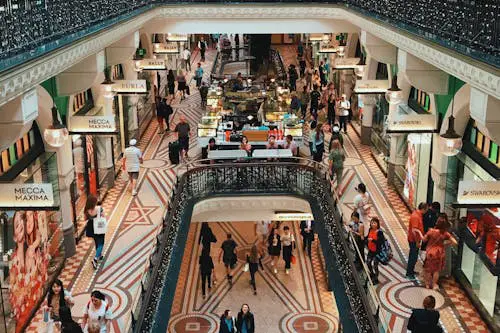
For decades, the suburban mall was more than a place to buy things. It was a social hub where teens hung out, families spent afternoons, and communities gathered. Anchor stores, food courts, and movie theaters made it an all-day destination. Walking the mall became a routine part of weekend life.
Chains like Sears and JCPenney anchored these spaces. Seasonal decorations and sales events marked the passage of time. Many people remember meeting friends or just wandering without a strict plan. As retail habits shifted, that shared experience became less central.
4. Road Trips with Paper Maps and Roadside Stops
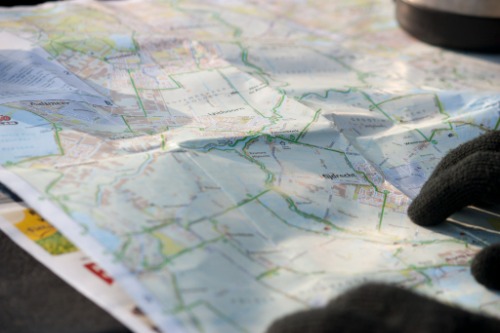
Family road trips were a rite of passage for generations of Americans. Cars packed with snacks, suitcases, and restless kids headed out on long highways. Without GPS, navigation relied on paper maps and handwritten directions. Getting slightly lost was often part of the experience.
Roadside attractions turned the journey into something memorable. Stops at places like Wall Drug became traditions in their own right. Gas stations, diners, and motels formed a familiar rhythm along the way. The shared unpredictability made every trip feel like an adventure.
5. Attending Friday Night High School Football Games
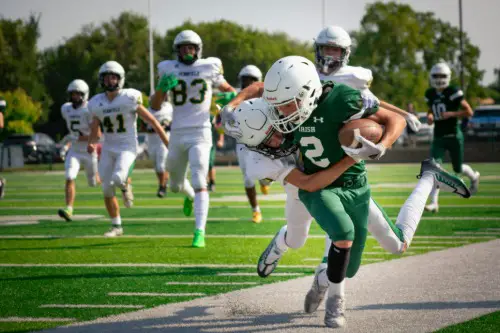
In many towns, especially smaller ones, Friday night meant football under bright stadium lights. Students, parents, and alumni gathered in bleachers to cheer on the local team. Marching bands, cheerleaders, and halftime shows added to the atmosphere. It was as much about community as it was about sports.
These games created a regular social rhythm throughout the fall. Rivalries and traditions passed from one generation to the next. Even people without kids in school often showed up just to be part of it. It became a dependable way communities connected face-to-face.
6. Waiting for the School Bus Each Morning
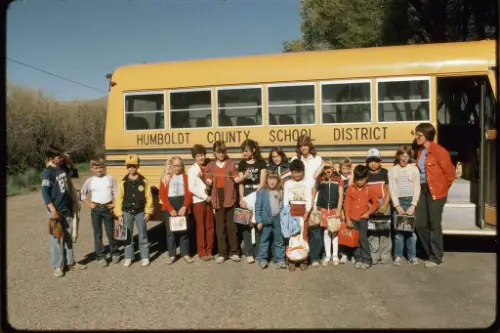
For millions of kids, the day started at the curb or the corner bus stop. You learned the schedule, the route, and the small social dynamics of who stood where. Conversations, jokes, and quiet mornings all played out before school even began. It was a shared routine across neighborhoods nationwide.
The yellow bus itself became an iconic symbol of American childhood. Riding it meant navigating friendships, seating choices, and unspoken rules. Parents trusted the system to get their kids safely to school. It’s a small experience, but one that shaped daily life for generations.
7. Using Payphones to Check In
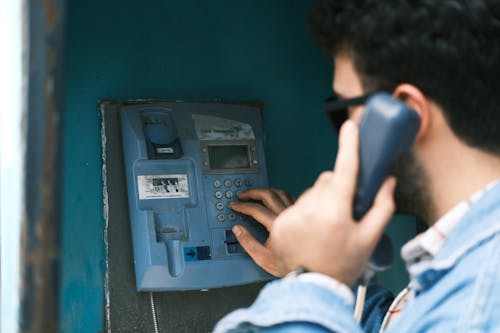
Before cell phones, staying in touch while out meant finding a payphone. You kept coins handy or memorized a few key numbers. Calling home to check in was often expected, especially for kids and teens. Missed connections were common, and plans required flexibility.
Payphones were everywhere, from street corners to shopping centers. Companies like AT&T operated vast networks to support them. Over time, mobile phones made them nearly obsolete. What was once routine became something many younger people have never done.
8. Sitting Down for Family Dinners at a Set Time
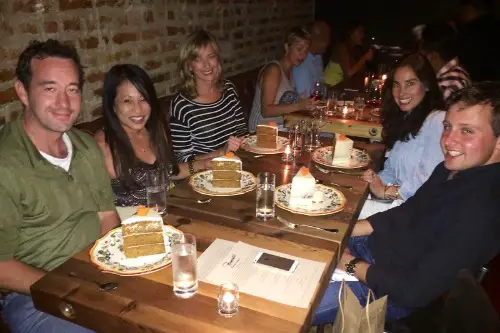
For much of the 20th century, dinner happened at a predictable hour. Families gathered around the table to eat and talk about their day. It was one of the few times everyone paused their individual routines. The habit reinforced a sense of structure and connection.
Meals often reflected regional traditions and home cooking. Conversations ranged from school to work to current events. While not universal, it was common enough to feel like a shared cultural norm. Changing work schedules and lifestyles have made it less consistent.
9. Listening to Music on the Radio Together
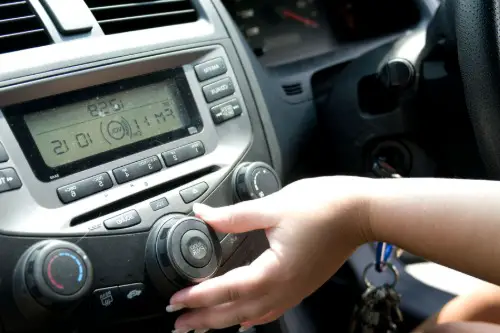
Radio once served as a primary way people discovered new music. Families and friends listened in cars, kitchens, and bedrooms. DJs shaped taste and introduced songs that became cultural touchstones. Waiting to hear a favorite track was part of the excitement.
Stations built loyal audiences around specific genres and personalities. National countdowns like American Top 40 created shared listening moments. You couldn’t skip ahead or replay instantly. That limitation made each broadcast feel more communal.
10. Celebrating the Fourth of July with Fireworks
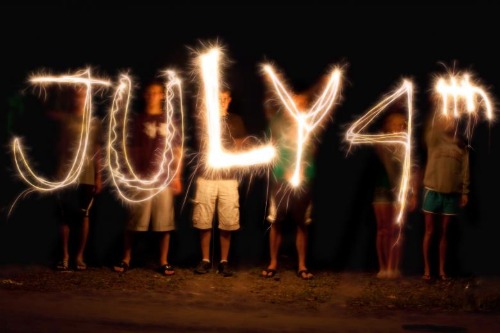
Independence Day has long been marked by community celebrations across the country. Parades, barbecues, and fireworks displays brought neighbors together. Local parks and town centers filled with families waiting for the show to start. It was a predictable, shared experience year after year.
Fireworks displays created a sense of collective anticipation and celebration. People spread blankets, shared food, and watched the sky light up. The tradition connected communities regardless of size or location. It remains one of the most consistent nationwide rituals.
11. Tuning in for Major TV Events at the Same Time

Before streaming, television worked on a shared schedule that shaped daily life. Shows aired once, and if you missed them, you waited for reruns. Events like finales, premieres, or big broadcasts created real-time conversations across the country. The next day, everyone seemed to be talking about the same thing.
Programs like MAS*H and Friends finales drew massive audiences simultaneously. People planned evenings around being home at a specific hour. It created a sense of cultural sync that’s harder to replicate now. Watching together, even from different homes, felt like participation in something bigger.
This post Common Experiences That Defined American Life Across Generations was first published on American Charm.

