
1. Laying Out Clothes for the Next Day

Evenings often included preparing outfits for the following morning. This helped streamline busy mornings and reduce last-minute decisions. Clothes were chosen based on weather, work, or school needs. It created a small sense of order before the day even began.
In the morning, getting dressed followed a more predictable routine. There was less rushing and fewer surprises. This habit connected the end of one day to the start of the next. While still practiced, it’s less universally emphasized today.
2. Tending the Fireplace or Stove

In homes heated by wood or coal, mornings began with reviving the fire. Someone had to add fuel, clear ashes, and get heat circulating again. This task couldn’t be skipped in colder climates because the entire house depended on it. It made warmth something you actively created each day.
Evenings involved banking the fire so it would last through the night. Families learned how to arrange coals to keep a slow, steady burn. The routine was both practical and a little ritualistic. Today’s thermostats have replaced that daily hands-on relationship with heat.
3. Fetching Water for Daily Use

Before indoor plumbing became standard, households often started the day by hauling water. This could mean drawing from a well, pump, or nearby source. The amount collected determined how much cooking, cleaning, and washing could happen. It made water use a conscious, measured activity.
At the end of the day, remaining water might be set aside for morning or used sparingly. Containers had to be cleaned and refilled regularly. Families planned their routines around availability rather than convenience. Running water removed a task that once shaped the entire day.
4. Preparing Breakfast from Scratch

Breakfast wasn’t something you grabbed on the way out the door. It typically involved cooking eggs, grains, or bread using whatever ingredients were on hand. Someone in the household took on the responsibility of starting the day with a proper meal. The smells and sounds of cooking were part of waking up.
Evenings often included planning or prepping for the next morning’s meal. Dough might be set, or ingredients measured in advance. The routine created continuity between the end of one day and the start of the next. Convenience foods have shortened or eliminated much of that process.
5. Shaking Out Rugs and Making Beds

Morning cleaning routines once began almost immediately after waking. Rugs were taken outside and shaken free of dust, especially before widespread vacuum use. Beds were made carefully to keep linens fresh and orderly. These small acts set the tone for the rest of the day.
At night, beds were turned down in preparation for sleep. This simple reversal marked a shift from activity to rest. Clean, orderly spaces were seen as essential to a well-run home. Many of these habits still exist, but they’re often less formalized.
6. Checking and Sorting the Mail

Mail delivery used to be a central daily event rather than background noise. Households paid close attention to when the mail carrier arrived. Letters, bills, and newspapers were sorted and read as part of the day’s rhythm. It connected families to the outside world in a tangible way.
Evenings might include responding to letters or setting aside items that required action. Writing replies by hand took time and intention. The process created a slower, more deliberate communication cycle. Digital communication has largely replaced this shared daily moment.
7. Listening to Scheduled Radio Broadcasts

Before television became dominant, radio programming helped structure the day. Morning news, midday shows, and evening programs aired at fixed times. Families planned meals and chores around favorite broadcasts. Missing a show meant waiting for the next scheduled airing.
At night, tuning in together became a shared household ritual. The radio often stayed on until bedtime, marking the day’s close. It provided both entertainment and a sense of routine. On-demand media has changed how people relate to time and programming.
8. Setting and Winding Clocks
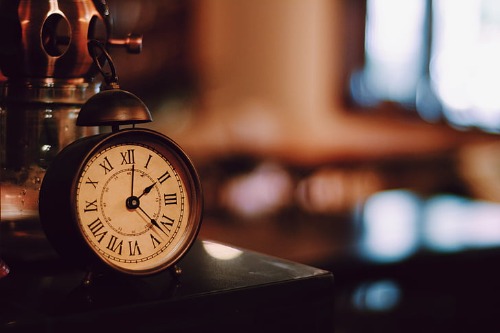
Mechanical clocks required regular winding to keep accurate time. This task often happened at the same time each day, either morning or evening. It made timekeeping an active responsibility rather than something automatic. Skipping it could throw off the household schedule.
Adjusting clocks also marked seasonal changes and daily awareness of time passing. The act itself became a quiet ritual. It reinforced the idea that time needed attention and care. Battery-powered and digital clocks removed that daily interaction.
9. Lighting and Extinguishing Lamps
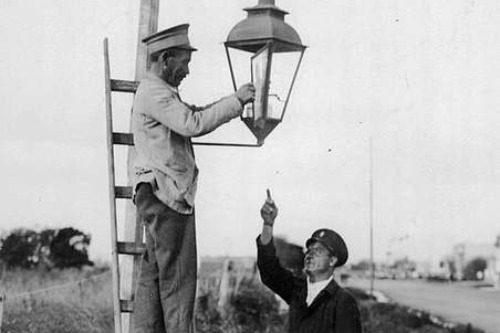
Before widespread electricity, starting the day often meant opening shutters and preparing oil or kerosene lamps for later use. Even after electrification, many households still followed a rhythm of turning lights on and off at specific times. Early risers learned to manage light carefully to stretch fuel or conserve electricity. It created a clear distinction between daybreak activity and nighttime winding down.
At night, someone had the responsibility of extinguishing lamps or switching off lights room by room. This wasn’t just about saving money, it was also about safety and routine. The act signaled that the household was officially settling in. It gave evenings a defined endpoint that feels less formal today.
10. Locking Up the House at Night

Before modern security systems, locking doors and windows was a deliberate nightly task. Someone checked each entry point to ensure the house was secure. This routine often happened right before bed. It created a sense of closure and safety.
In the morning, doors were unlocked and the house opened back up to the day. The contrast between locked and open marked a clear daily transition. It reinforced awareness of the household’s boundaries. Today’s automated systems make this feel less hands-on.
11. Saying Goodnight as a Household Ritual

Ending the day often included a shared goodnight routine among family members. This could involve brief conversations, prayers, or simply checking in. It provided emotional closure as much as practical structure. Everyone knew when the day was officially over.
Mornings often began with similar acknowledgment, like greetings at the breakfast table. These small rituals reinforced connection and routine. They framed the day with a clear beginning and end. Modern schedules sometimes scatter these moments, making them less consistent.
This post Household Routines That Once Defined the Start and End of Each Day was first published on American Charm.

