
1. Cast Iron Skillets
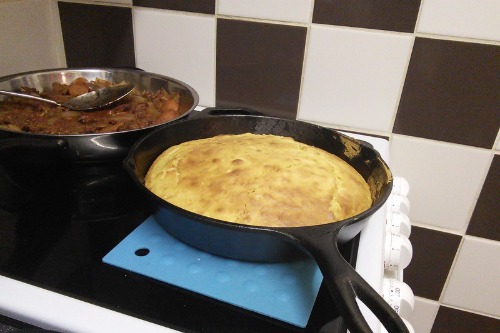
A cast iron skillet might look like any other pan, but it often lasts for generations. Families passed them down, seasoning them over years of cooking. The surface improves with use, creating a direct connection between past and present meals. It’s cookware that literally holds history in its layers.
These skillets also reflect a time when durability mattered more than convenience. They were used over open fires, wood stoves, and early gas ranges. Recipes and techniques evolved around their heat retention. Owning one today links you to centuries of everyday cooking practices.
2. The Rotary Phone
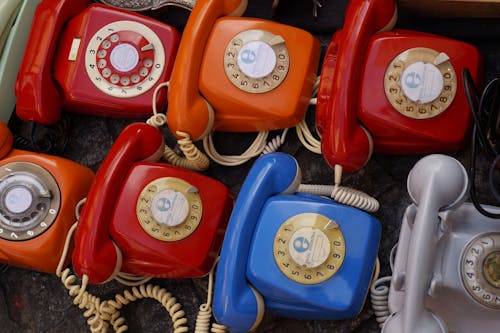
The rotary phone looks simple, but it quietly tells the story of early telecommunications infrastructure. Each number required a physical pulse sent through the line, which is why dialing took time and intention. Long-distance calls were expensive and often operator-assisted, shaping how people communicated. You didn’t just casually call someone across the country.
Using one meant memorizing numbers and being patient with every call. The design reflects a time when technology was mechanical and deliberate rather than instant. It also hints at shared household spaces, since most families had a single phone. That small object captures how communication used to feel slower and more intentional.
3. Glass Milk Bottles
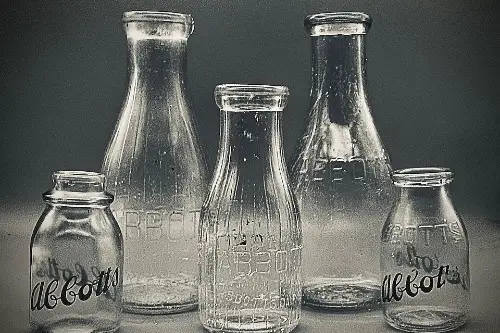
Glass milk bottles once arrived on doorsteps early in the morning, often before families were awake. They were part of a local delivery system tied to nearby dairies and reusable packaging. The bottles were collected, cleaned, and refilled in a cycle that feels surprisingly modern today. At the time, it was simply how things worked.
They also reflect a more regional food economy before national refrigeration and trucking networks dominated. Milk was fresher but distribution was more limited. The bottles themselves often had markings from specific dairies, tying them to local identity. Holding one today connects you to a daily routine that has mostly disappeared.
4. Typewriters
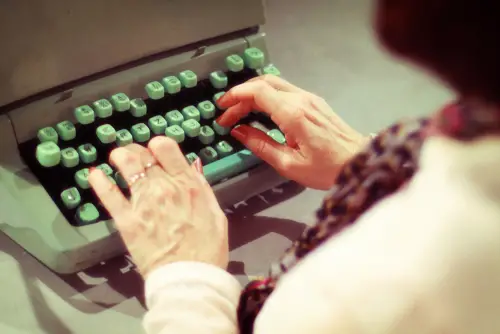
Typewriters represent a major step between handwritten communication and digital text. Each keystroke physically struck paper, making writing a tactile experience. Mistakes required correction fluid or starting over, which changed how people composed sentences. Offices once echoed with the sound of keys and carriage returns.
They also shaped professional life, especially for clerical workers and journalists. Standardized typing skills became essential for many jobs. The layout of modern keyboards still reflects typewriter design decisions. That familiar QWERTY arrangement carries forward a much older technological constraint.
5. Handwritten Letters
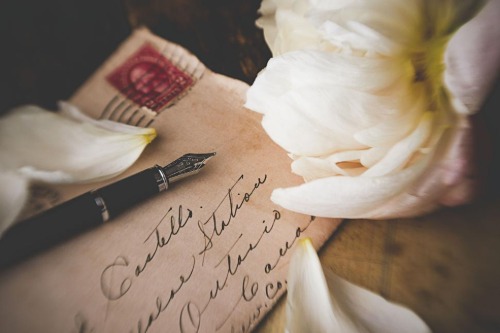
Handwritten letters capture a slower, more deliberate form of communication. People chose their words carefully because sending another message took time. Ink, paper, and handwriting styles added personality to each exchange. Even small details like stationery choice carried meaning.
They also reflect the pace of long-distance relationships before instant messaging. Weeks could pass between sending and receiving a reply. Letters were often saved, creating personal archives of everyday life. Reading them now offers a direct glimpse into thoughts and emotions from another era.
6. Paper Maps
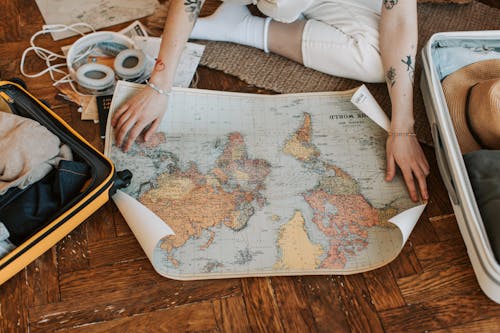
Paper maps once guided everything from cross-country trips to local errands. They required users to understand scale, direction, and geography in a hands-on way. Folding and unfolding them became part of the travel experience. Getting lost was common, but so was learning from it.
They also show how people interacted with space before GPS navigation. Landmarks and route planning were essential skills. Maps were updated less frequently, so they sometimes reflected outdated information. That gap between map and reality tells its own story about changing landscapes.
7. Vinyl Records
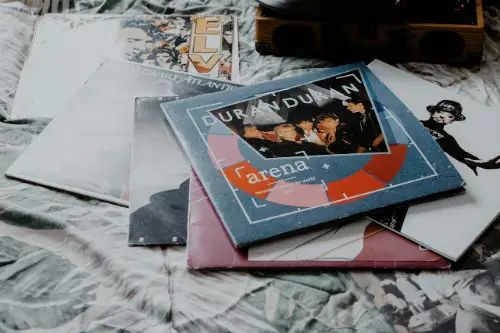
Vinyl records offer more than music; they reflect how people once experienced sound. Albums were meant to be played in sequence, encouraging listeners to hear full projects rather than individual songs. The physical act of placing a needle on a record made listening intentional. Even album artwork became part of the experience.
They also tell the story of recording technology and distribution. Sound quality depended on physical grooves etched into the surface. Records were fragile and required care, shaping how people handled their collections. Their resurgence today highlights nostalgia for a more tactile connection to music.
8. Mason Jars
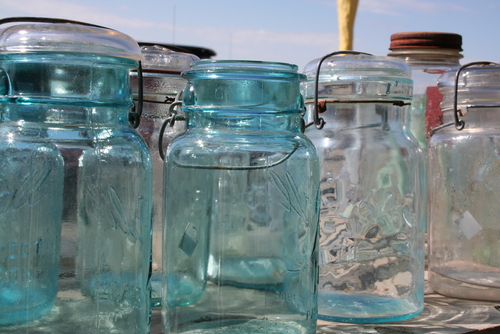
Mason jars were essential tools for food preservation before modern refrigeration. Families used them to can fruits, vegetables, and preserves for long-term storage. The process required careful sterilization and sealing techniques. It was both a science and a household skill.
These jars reflect a time when seasonal eating was unavoidable. Preserving food meant planning for winter months and reducing waste. The same jars were reused year after year. Today, they still carry that legacy even when used for decoration or storage.
9. Sewing Machines
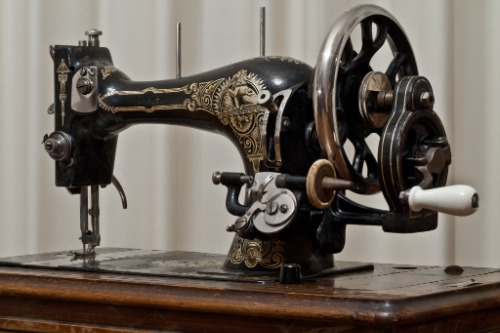
Early sewing machines transformed how clothing was made and repaired. They allowed garments to be produced faster than hand stitching alone. Many households relied on them to create and mend everyday clothing. Owning one meant a degree of self-sufficiency.
They also connect to larger industrial changes in textile production. Factories and home use both expanded because of this technology. Patterns and standardized sizing became more common. A simple machine represents a shift in how people dressed and consumed fashion.
10. Pocket Watches
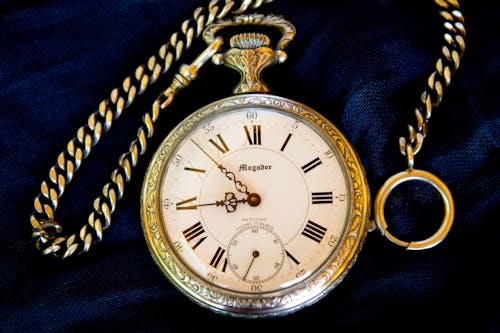
Pocket watches were once the primary way people kept track of time. Railroads in particular depended on accurate timekeeping to avoid collisions. Standardized time zones in the United States were introduced in the 1880s largely because of train schedules. A small watch helped coordinate an entire transportation network.
They also reflect a shift toward punctuality in daily life. Carrying a watch meant being aware of schedules and deadlines. Designs often included intricate craftsmanship and personalization. Today, they feel ornamental, but they once structured entire routines.
11. Chalkboards
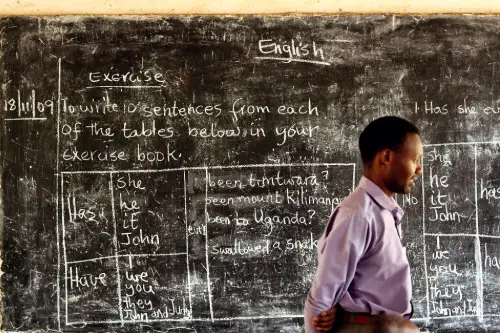
Chalkboards were central to classrooms for generations. Teachers wrote lessons by hand, and students copied them into notebooks. The process was slower but reinforced repetition and memory. Chalk dust and erasers were part of the daily rhythm of learning.
They also reflect older teaching methods focused on direct instruction. Visual learning happened in real time rather than through pre-made slides. Mistakes could be erased instantly, but everything required manual effort. The shift to digital boards shows how education has changed.
12. Matchbooks
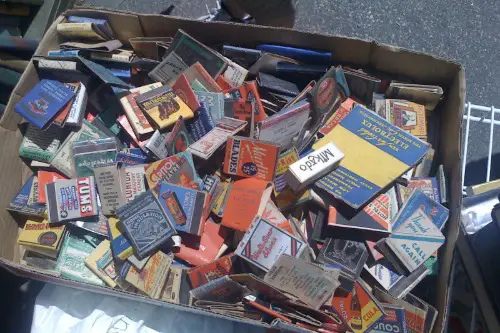
Matchbooks were once a common, everyday item handed out by businesses. Restaurants, hotels, and bars used them as both practical tools and advertisements. The designs often featured logos, slogans, and addresses. Collecting them became a small cultural hobby.
They also reflect a time when smoking was far more socially accepted. Carrying matches was routine rather than unusual. Businesses used them to build brand recognition in a physical way. Today, they serve as tiny time capsules of design and social norms.
This post Ordinary Items That Tell a Bigger Story About the Past was first published on American Charm.

