
1. Low Electrical Outlet Counts
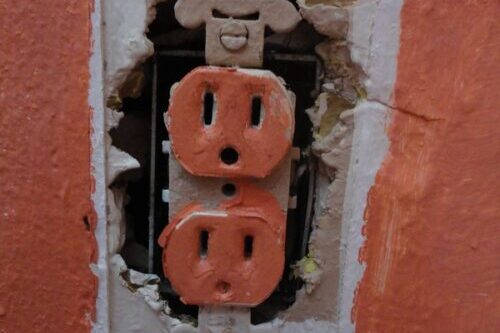
Older rooms often have surprisingly few electrical outlets. When these buildings were constructed, there were far fewer devices needing power. One or two outlets per room was considered sufficient. Extension cords and power strips weren’t part of the original plan.
Today, that limitation becomes obvious almost immediately. People rely on multiple devices, chargers, and appliances at once. Renovations often involve adding outlets to meet modern needs. The scarcity of plugs is a clear sign of a pre-digital design mindset.
2. Payphone Alcoves or Wall Cutouts

Older buildings sometimes have shallow wall recesses near entrances or hallways that feel oddly specific in size. These were designed to house payphones, which were once essential for everyday communication. Before cell phones, people relied on them for quick calls, directions, or emergencies. Architects made sure they were easy to access but tucked out of the way.
Now, the phones themselves are usually gone, leaving behind empty niches or covered panels. The space can feel strangely purposeless without its original function. You might see one in a train station or outside a restroom and wonder what it was for. It’s a subtle clue that the building predates mobile technology.
3. Multiple Landline Phone Jacks in Every Room

In homes built before wireless communication took over, phone access mattered in nearly every space. It wasn’t unusual to have multiple landline jacks scattered throughout a house. Families wanted the flexibility to plug in phones wherever it was convenient. Long coiled cords and designated “phone spots” were part of daily life.
Today, many of those jacks sit unused or have been covered during renovations. Their placement can feel excessive in a wireless world. Seeing several in one room immediately hints at a pre-cell phone era. It’s a design choice that reflects how central landlines once were.
4. Formal Dining Rooms That Rarely Get Used
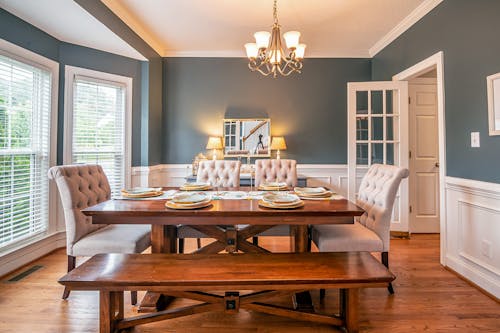
Many mid-century and earlier homes include a separate dining room meant for regular sit-down meals. These spaces were designed around the expectation of shared, formal dinners. Furniture layouts, lighting fixtures, and even china cabinets reinforced that ritual. It was a built-in part of daily family structure.
Modern lifestyles tend to favor open kitchens and casual eating areas. As a result, these rooms are often repurposed into offices or playrooms. Their original intent doesn’t always match how people live today. The space itself becomes a clue about shifting social habits.
5. Tiny Closets in Older Homes
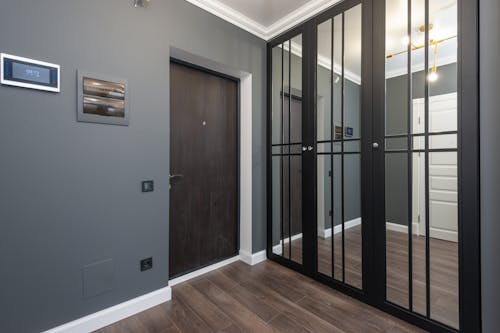
If you’ve ever toured an older house, you might notice how small the closets are. Homes built before the mid-20th century didn’t account for today’s volume of clothing and storage needs. People owned fewer garments and rotated them seasonally. Storage expectations were simply different.
Modern buyers often find these closets impractical without upgrades. Walk-in closets and built-ins are now standard in newer construction. The contrast highlights how consumer habits have changed over time. A small closet can quietly reveal a home’s age.
6. Radiators Instead of Central Air Vents
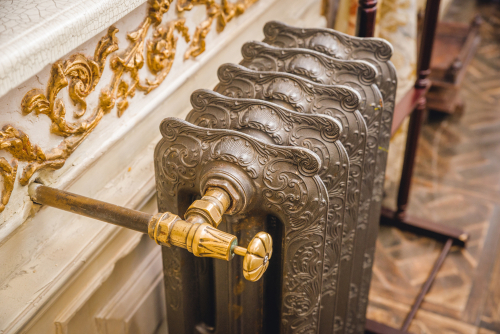
Cast-iron radiators are a common sight in older buildings, especially in cities. They were part of steam or hot water heating systems that predate modern HVAC setups. These systems were efficient for heating but didn’t include cooling. Air conditioning simply wasn’t part of the original design.
Today, many of these buildings have added window units or retrofitted systems. The radiators often remain as bulky, unmistakable fixtures. Their presence tells you the building was designed for a different approach to climate control. It’s a functional detail that carries a lot of history.
7. Built-In Milk Doors by the Kitchen

Some older homes have a small exterior door near the kitchen that seems oddly placed. These were milk doors, designed for deliveries before widespread refrigeration and supermarkets. Milk carriers could leave bottles in a compartment without entering the home. It was a practical solution for daily deliveries.
Most of these doors are now sealed or purely decorative. The delivery system they supported has largely disappeared. Spotting one is like finding a fossil of everyday life from another era. It reflects a time when home design adapted to local service routines.
8. Ashtrays Built Into Unexpected Places

You’ll sometimes notice small metal trays built directly into elevator walls, restroom stalls, or even the arms of old theater seats. These aren’t decorative quirks, they’re remnants from a time when indoor smoking was widely accepted. Designers assumed people would smoke almost anywhere, so they planned for it. It’s a tiny detail that instantly dates a space to the mid-20th century or earlier.
Today, those ashtrays are often sealed shut or left unused, but they’re still hard to miss once you spot them. Their presence tells you how dramatically public health norms have shifted. In some older buildings, they’re preserved as part of the original design. It’s a quiet reminder of habits that shaped architecture in ways we don’t think about anymore.
9. Sunken Living Rooms

Sunken living rooms, sometimes called conversation pits, were especially popular in mid-century design. They created a distinct social space within an open floor plan. The lowered floor encouraged gathering and made the area feel cozy and intentional. It reflected a design focus on entertaining at home.
Over time, these features became less practical for accessibility and safety. Many have been filled in or remodeled. When they remain, they immediately signal a specific design era. It’s a stylistic clue tied to changing ideas about how people gather.
10. Built-In Intercom Systems
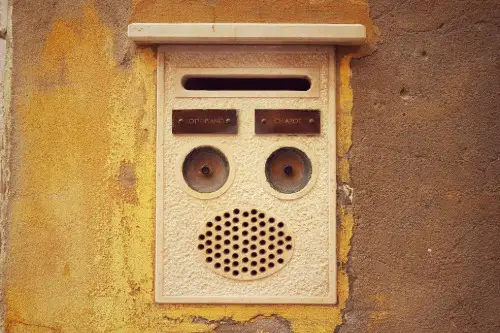
Some homes from the 1950s through the 1980s include wall-mounted intercom systems. These allowed family members to communicate between rooms before mobile devices existed. They were often integrated with radios or music systems as well. At the time, they felt futuristic and convenient.
Today, many of these systems no longer function or have been removed. Their panels and speakers sometimes remain as relics. Seeing one instantly dates the home to a pre-smartphone era. It’s a reminder of how communication technology has evolved.
11. Wood Paneling Covering Entire Rooms
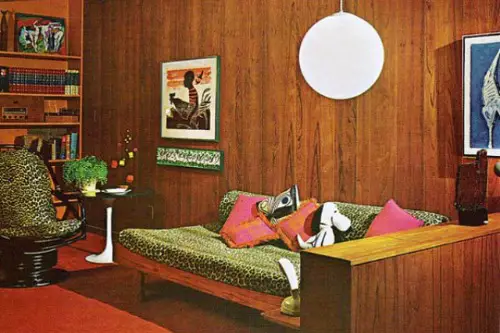
Wood paneling was once a popular way to finish interior walls, especially in the 1960s and 70s. It gave rooms a warm, uniform look that fit design trends of the time. Builders used it in living rooms, basements, and dens. It was often seen as stylish and modern.
Today, full wall paneling can make a space feel darker or more dated. Many homeowners paint over it or remove it entirely. When left intact, it clearly signals its era of popularity. It’s a visual clue that design preferences have shifted significantly.
This post Subtle Clues That Reveal a Space Was Designed for Another Era was first published on American Charm.

