1. Fixed Work Shifts and Office Hours
Many jobs once had clearly defined start and end times with little variation. Offices opened and closed at consistent hours every weekday. Shift work followed predictable rotations. That made it easier to separate work from personal life.
People planned evenings and weekends with confidence. There was less expectation of constant availability. The boundary between work time and home time felt more solid. Modern flexibility has benefits, but it also blurs that predictability.
2. Set TV Schedules You Could Count On

There was a time when your favorite shows aired at the exact same time every week, no exceptions. Families planned evenings around specific time slots, whether it was Thursday night comedies or Sunday dramas. Networks built entire lineups that rarely shifted mid-season. That consistency made it easy to build routines without even thinking about it.
If you missed an episode, you usually had to wait for a rerun. That made watching feel more intentional and less fragmented. TV listings in newspapers or printed guides became part of weekly planning. Compared to today’s on-demand streaming, the predictability was built right into the schedule.
3. Weekly Grocery Shopping Rituals

Grocery shopping often happened on the same day every week, almost like clockwork. Families built meal plans around what they bought during that single trip. Pantry staples were restocked on a predictable cycle. That rhythm made household management feel steady and organized.
Sales flyers and coupons reinforced that weekly cadence. You knew when new deals would appear and planned accordingly. Running out of something midweek was less common because routines were tighter. Today’s on-demand shopping has loosened that structure considerably.
4. Paychecks on a Fixed Day

Many workers used to receive physical paychecks on the same day each week or every other week. Payday wasn’t just financial, it was part of the weekly rhythm. Bills, groceries, and social plans often revolved around it. You always knew when money would arrive.
Direct deposit still exists, but the emotional rhythm has changed. Instant transfers and gig work can make income feel less predictable. Back then, waiting for payday created a clear cycle of spending and saving. That regularity made financial planning feel more grounded.
5. School Bells That Structured the Day

School schedules were tightly organized around bells that marked every transition. Students moved from class to class at the same times every day. Lunch periods, recess, and dismissal rarely changed. That structure created a deeply ingrained sense of routine.
Even outside school, those patterns shaped family schedules. Parents knew when kids would be home without checking an app. Homework and extracurriculars followed predictable time blocks. It was a system that trained people to expect consistency in daily life.
6. Mail Delivery at the Same Time Each Day

For many households, the mail arrived at nearly the same time every afternoon. People grew used to listening for the mailbox or the mail carrier’s footsteps. Bills, letters, and packages all followed that predictable rhythm. It became a small but reliable daily marker.
Before constant digital notifications, mail was a primary form of communication. That made its timing feel more important. Missing the delivery meant waiting another full day. Now, communication is continuous, but less anchored to specific moments.
7. Sunday Closures and Slower Days
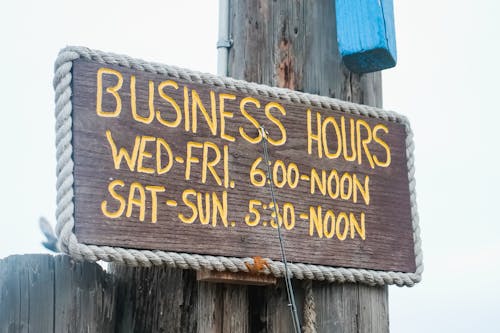
Many businesses used to close on Sundays or operate with limited hours. That created a built-in pause in the week. Streets were quieter and routines slowed down almost universally. It gave people a shared sense of timing.
You didn’t have to guess whether places would be open. The answer was usually no, and everyone adjusted accordingly. Families often used the day for rest, gatherings, or religious services. Today’s always-open culture has erased much of that collective rhythm.
8. Printed Newspapers as Daily Anchors
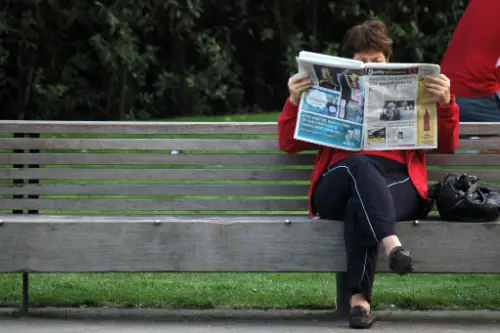
Newspapers arrived every morning or afternoon like clockwork. People built routines around reading them with breakfast or after work. The news cycle moved at a steady, predictable pace. You knew when updates would come and when they wouldn’t.
This limited the constant influx of information. There were natural pauses between news cycles. That made it easier to process events without feeling overwhelmed. Compared to today’s 24/7 updates, it felt far more controlled.
9. Seasonal TV and Holiday Specials
Holiday programming followed the same schedule year after year. Certain shows and specials aired at predictable times, becoming traditions. Families knew exactly when to tune in for seasonal favorites. That repetition reinforced a shared calendar.
Missing a special meant waiting until next year. That made the experience feel more significant and memorable. Broadcast schedules tied entertainment directly to the seasons. Today, streaming has made everything available anytime, but less tied to the moment.
10. Bank Hours That Rarely Changed

Banks used to keep very fixed hours, often closing in the early afternoon. While that could be inconvenient, it also meant you always knew exactly when they’d be open. There was little ambiguity about availability or last-minute changes. People structured errands around those dependable windows.
Saturday half-days and weekday routines became part of everyday life. You learned to plan ahead because you couldn’t rely on 24/7 access. That predictability carried over into budgeting and bill-paying habits. Now, with online banking, the structure is gone even if convenience has improved.
11. Landline Phone Etiquette and Availability

Calling someone meant dialing their home phone and hoping they were there. Most households had a shared understanding of when it was appropriate to call. Evenings were prime time, while late-night calls were reserved for emergencies. That created unspoken but widely followed rules.
If someone didn’t answer, you simply tried again later. There were no read receipts or instant follow-ups. Conversations happened in real time or not at all. That structure made communication more predictable, even if less immediate.
This post Overlooked Ways That Made Life Feel More Predictable was first published on American Charm.