
1. St. Augustine, Florida
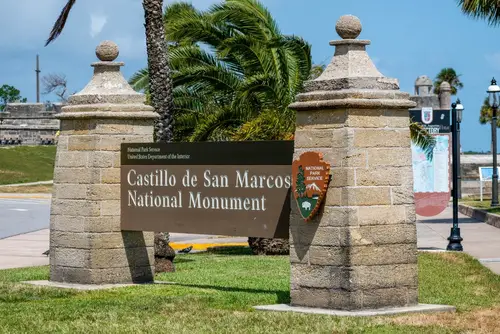
St. Augustine is the oldest continuously occupied European-established city in the United States, and parts of it still feel frozen in time. Along St. George Street, you’ll find narrow lanes, colonial buildings, and preserved courtyards. The layout reflects Spanish urban design from the 16th and 17th centuries. It’s easy to forget what century you’re in while walking there.
Landmarks like the Castillo de San Marcos reinforce that sense of continuity. The coquina stone fort still overlooks the waterfront just as it did centuries ago. Shops and homes nearby occupy structures built on much older foundations. That one corner of town holds onto a rhythm that modern development hasn’t erased.
2. Deadwood, South Dakota
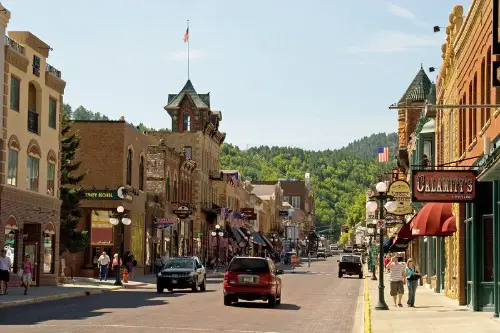
Deadwood’s Main Street still leans hard into its Gold Rush past. Historic facades, saloons, and preserved storefronts echo the 1870s boomtown era. This is where figures like Wild Bill Hickok once walked, and that legacy is carefully maintained. The street layout hasn’t changed much since those early days.
Buildings have been restored rather than replaced, which keeps the atmosphere intact. Wooden details, brick exteriors, and period signage all contribute to the effect. Even with tourism, there’s a grounded sense of place tied to real history. Stand on the right corner, and it feels like the past never fully left.
3. Savannah, Georgia
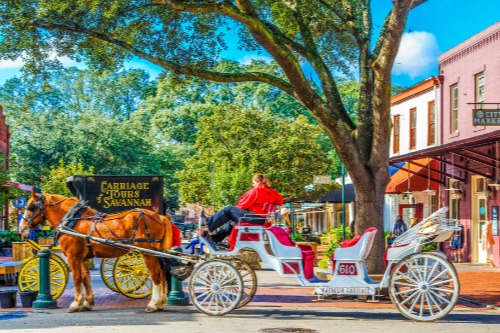
Savannah’s historic district is famous for its grid of squares, but some corners feel especially untouched. Places like Chippewa Square still center around original 18th-century planning principles. Live oaks draped in Spanish moss soften the edges of time. The scale and spacing of buildings preserve an older pace of life.
Many surrounding structures date back to the 1700s and 1800s. Cobblestone streets and ironwork balconies reinforce the historic character. Unlike heavily redeveloped cities, Savannah protected much of its core early on. That foresight makes certain intersections feel remarkably authentic.
4. Boston, Massachusetts
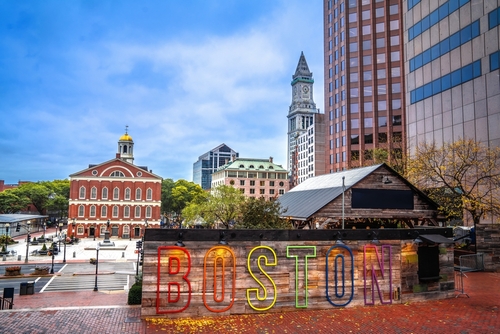
Boston’s North End contains corners that still follow colonial-era street patterns. Narrow alleys wind unpredictably, reflecting pre-grid urban design. Brick rowhouses line streets that have existed since the 1700s. It feels more European than modern American in spots.
The nearby Paul Revere House adds to that sense of continuity. Built around 1680, it anchors one of the oldest surviving corners in the city. Surrounding streets retain their original scale and feel. It’s a small pocket where the Revolutionary era still lingers.
5. New Orleans, Louisiana
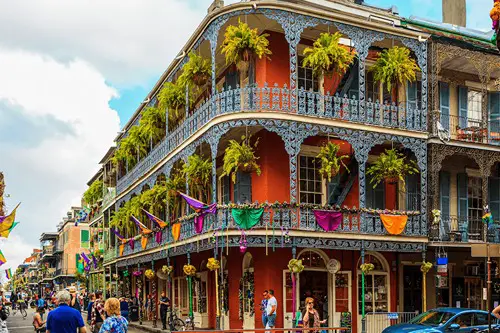
The French Quarter is one of the most recognizable historic districts in the country. Certain corners, especially away from Bourbon Street, feel surprisingly unchanged. Creole townhouses with wrought-iron balconies line the streets. The architecture reflects Spanish and French colonial influences.
Jackson Square and its surrounding blocks preserve their original layout. The St. Louis Cathedral has stood in various forms since the 1700s. Street performers and artists continue traditions that go back generations. In the right spot, modern life fades into the background.
6. Galena, Illinois
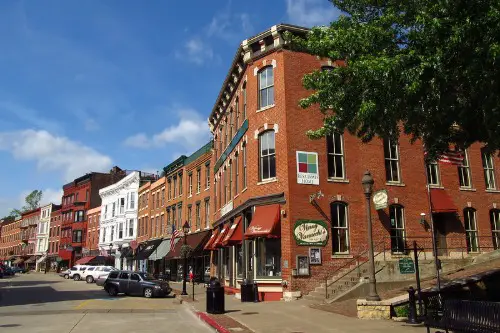
Galena’s downtown looks much like it did in the mid-1800s. Once a thriving river port, it built up a dense commercial district along Main Street. Many of those brick buildings still stand today. The town avoided large-scale redevelopment that would have erased its character.
Shops now occupy former mercantile spaces with original facades intact. The street’s slope and layout remain unchanged. It’s not a re-creation, but a preservation of what was already there. That authenticity makes one stretch of town feel genuinely historic.
7. Santa Fe, New Mexico
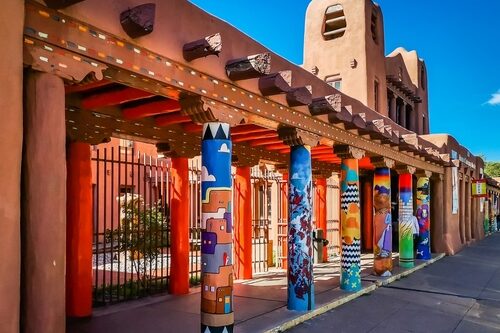
Santa Fe’s central plaza has been a gathering place since the early 1600s. Adobe architecture dominates the surrounding blocks, giving the area a unified historic look. Building codes actually require this style in the historic district. That decision helps preserve the past visually and structurally.
The Palace of the Governors still anchors the plaza. Built in the early 17th century, it remains in continuous use. Native artisans selling goods along the portal continue a long tradition. It’s a corner where centuries of history overlap in daily life.
8. Williamsburg, Virginia
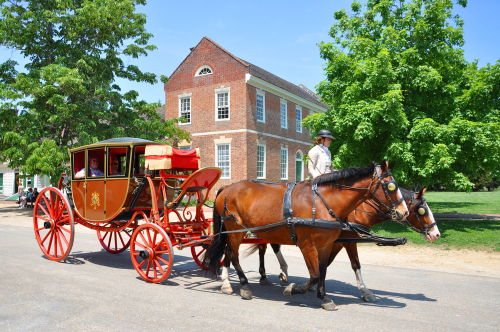
Colonial Williamsburg preserves an entire section of the 18th century, but certain intersections feel especially immersive. Streets are lined with restored buildings based on historical records. Costumed interpreters add to the sense of stepping back in time. Even the road surfaces reflect colonial-era materials.
The Duke of Gloucester Street serves as the main axis of this preserved area. It connects key government and residential buildings from the colonial period. Careful reconstruction makes the environment feel cohesive. In the right moment, it feels less like a museum and more like a living past.
9. Virginia City, Nevada
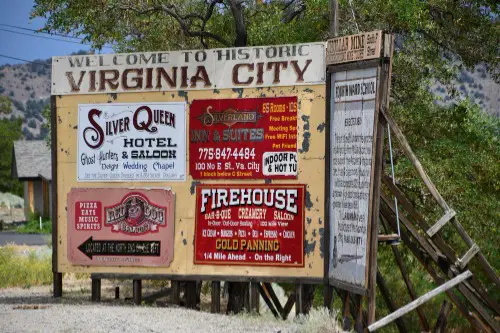
Virginia City still carries the look of a 19th-century mining boomtown. Wooden sidewalks and preserved storefronts line its main drag. The Comstock Lode brought wealth that funded many of these original structures. Much of that architecture remains intact.
Restoration efforts focused on maintaining historical accuracy. Buildings weren’t modernized beyond recognition. The town’s layout and materials tell a clear story of its past. One corner can feel like it’s waiting for miners to walk back into town.
10. Charleston, South Carolina
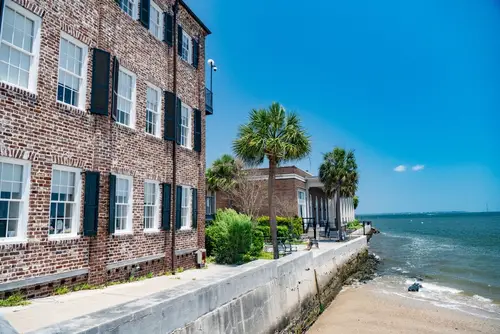
Charleston’s historic district is filled with preserved homes and cobblestone streets. Certain corners, especially near the waterfront, feel particularly unchanged. Pastel row houses and wrought-iron gates reflect centuries-old design. The scale of the streets keeps everything feeling intimate.
Rainbow Row is one of the most recognizable stretches. These 18th-century houses have been carefully maintained over time. The nearby harbor adds to the historic atmosphere. It’s easy to picture daily life from another era.
11. Leadville, Colorado
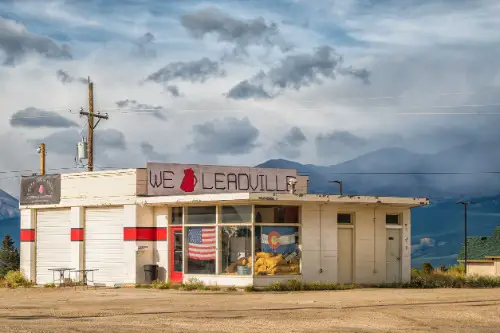
Leadville grew rapidly during Colorado’s silver mining boom. Its downtown filled with brick buildings, saloons, and hotels in the late 1800s. Many of those structures still stand along Harrison Avenue. The elevation and isolation helped limit large-scale redevelopment.
Historic preservation keeps the original character visible. Storefronts retain period details and proportions. The surrounding mountains haven’t changed the skyline much either. It feels like a frontier town that simply kept going.
12. Harpers Ferry, West Virginia
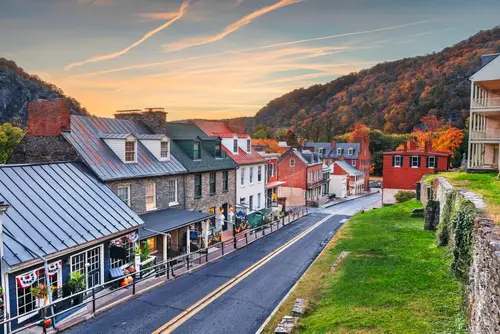
Harpers Ferry sits at the confluence of two rivers and played a major role in early American industry and the Civil War. Lower Town preserves much of its 19th-century appearance. Narrow streets and stone buildings follow the original layout. The setting between steep hills limits modern expansion.
The Harpers Ferry National Historical Park protects many of these structures. Restoration efforts focus on accuracy rather than modernization. The town’s geography adds to the sense of stepping back in time. One corner can feel completely removed from the present.
13. Nantucket, Massachusetts
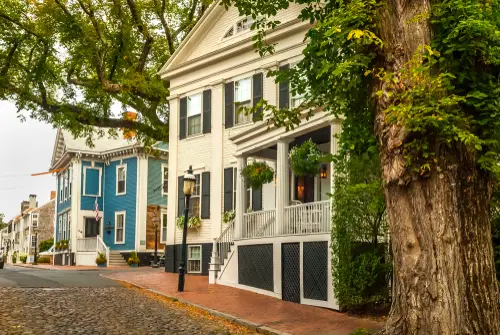
Nantucket’s historic district preserves its 18th- and 19th-century whaling-era identity. Cobblestone streets and weathered gray shingle houses define the landscape. Strict preservation rules limit how buildings can be altered. That consistency keeps the past visually intact.
The downtown area still follows its original layout. Former captain’s homes and warehouses now serve new purposes without losing their structure. Even modern businesses blend into the historic surroundings. It’s a place where one corner can feel unchanged for generations.
This post American Towns Where One Corner Still Feels Like the Past was first published on American Charm.

