
1. St. Michaels, Maryland
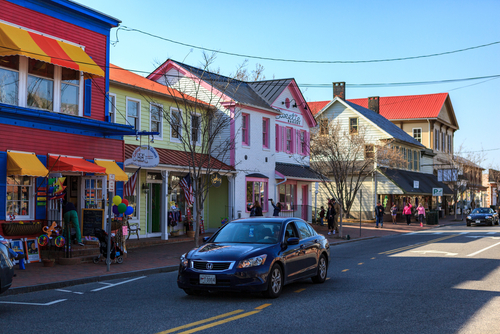
St. Michaels developed as a small Chesapeake Bay fishing and shipbuilding town. Its economy never scaled into something fast-paced or industrial. Waterfront views and narrow streets encourage walking and lingering. Boats and tides quietly shape the daily schedule.
Tourism brings activity, but not at an overwhelming pace. Locals and visitors alike settle into a slower rhythm quickly. Conversations tend to last longer and feel less hurried. The water seems to set the tempo for everything.
2. Bisbee, Arizona
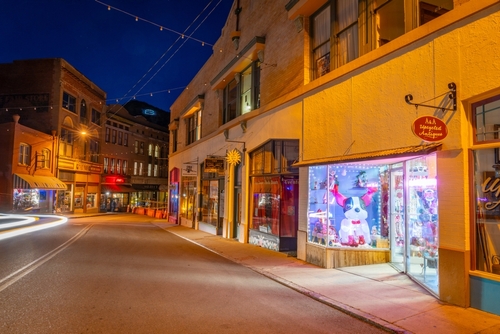
Bisbee began as a booming copper mining town tucked into the Mule Mountains. When mining declined in the 1970s, the pace of life shifted dramatically. Artists and retirees moved in, drawn by the historic buildings and slower rhythm. The steep streets and staircases also discourage rushing from place to place.
Daily life often revolves around local cafes, galleries, and small events. There’s a strong sense of community that values conversation over efficiency. The town’s layout itself slows movement and encourages walking. It feels like a place that chose to downshift rather than speed up.
3. Galena, Illinois
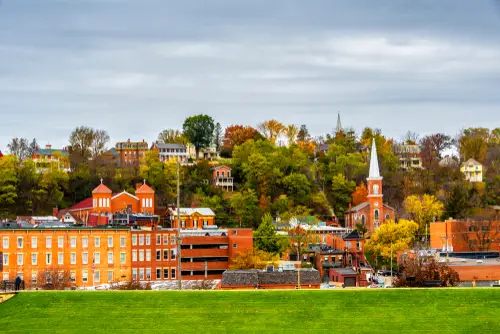
Galena preserves much of its 19th-century character, and that shapes how people move through it. Once a major lead mining center, it never redeveloped into a fast-paced modern city. Its Main Street is lined with historic storefronts that invite browsing rather than rushing. Even tourism feels more leisurely than high-volume.
Local businesses emphasize personal interaction and slower service. The town’s scale makes it easy to walk instead of drive. Seasonal rhythms, especially in winter, quiet things down even more. It’s a place where history seems to set the tempo.
4. Beaufort, South Carolina
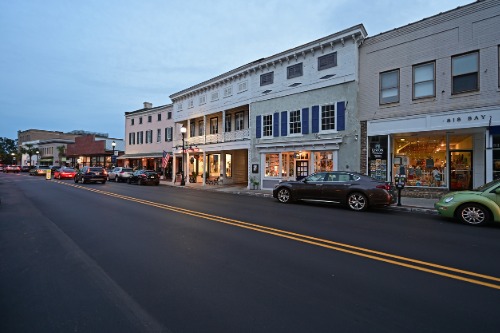
Beaufort’s coastal setting and historic district create a naturally slower pace. Spanish moss, waterfront views, and preserved architecture encourage lingering. It developed as a port town, but not at the scale of larger Southern cities. That smaller footprint still shapes daily life.
People spend time on porches, docks, and quiet streets rather than rushing between destinations. Heat and humidity also play a role in slowing things down. Community events tend to feel intimate rather than crowded. The environment itself encourages patience.
5. Eureka Springs, Arkansas
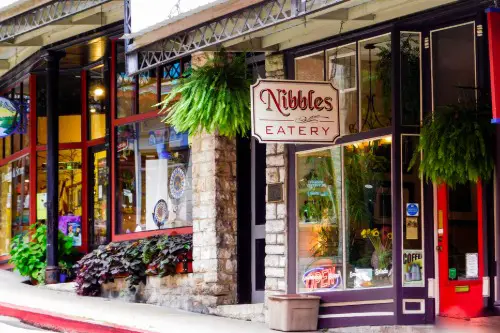
Eureka Springs grew as a Victorian-era resort town built around natural springs. Its winding streets and hillside layout make fast travel impractical. The entire town feels designed for strolling rather than commuting. Historic preservation keeps modern development at a slower pace.
Local culture leans into relaxation, with spas, small shops, and quiet accommodations. There’s less emphasis on chains and more on independent businesses. The setting in the Ozarks adds to the sense of separation from busy urban life. It’s easy to lose track of time here in a good way.
6. Port Townsend, Washington
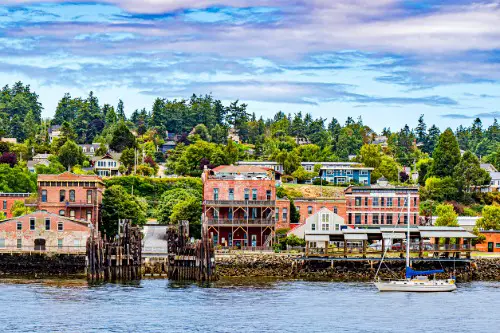
Port Townsend sits on the Olympic Peninsula with a strong maritime history. It never transformed into a major industrial port, which preserved its smaller scale. Victorian buildings and waterfront views set a reflective tone. The ferry schedules and coastal weather naturally influence daily rhythms.
Life often revolves around tides, boats, and local events rather than strict schedules. The arts community adds activity without urgency. Residents are used to planning around natural conditions instead of forcing the pace. It feels connected to time in a more organic way.
7. Taos, New Mexico
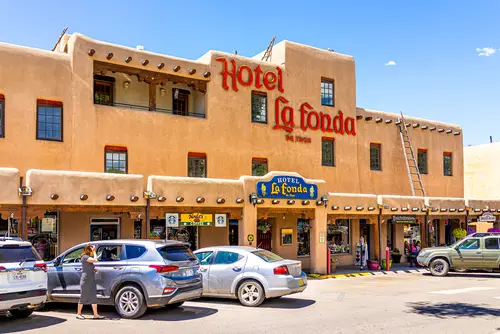
Taos blends Native American, Spanish, and artistic traditions into a distinct rhythm. Its high-desert setting and long history create a sense of continuity rather than speed. The presence of Taos Pueblo, continuously inhabited for centuries, reinforces that perspective. Time here feels layered rather than rushed.
Daily life often follows natural light and seasonal patterns. Artists and residents alike tend to prioritize experience over efficiency. The landscape encourages reflection and slower movement. It’s a place where time feels deeply rooted rather than fast-moving.
8. Marfa, Texas
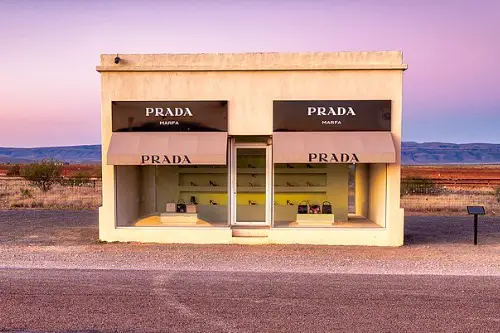
Marfa feels like it exists slightly outside the normal rush of daily life. Originally a railroad water stop, it later became known for its quiet desert setting and mysterious Marfa Lights. Its small population and wide-open surroundings naturally slow everything down. Even the art scene, sparked by Donald Judd, unfolds at an unhurried pace.
Shops and galleries often keep limited hours, and conversations stretch longer than expected. Visitors quickly notice how little urgency there is compared to larger cities. The landscape itself encourages stillness, with vast skies and minimal noise. It’s the kind of place where time feels less scheduled and more experienced.
9. Lanesboro, Minnesota
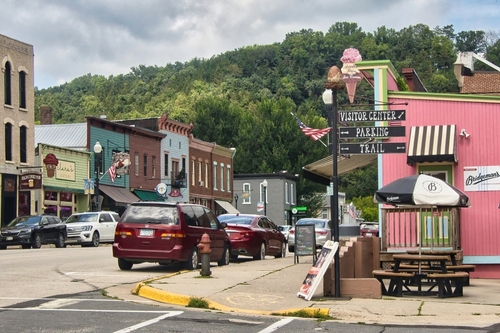
Lanesboro sits along the Root River and built its identity around small-town life and outdoor recreation. It never experienced major industrial growth, which preserved its scale. The town promotes biking, fishing, and local arts rather than rapid development. That focus shapes how time is spent.
Seasonal tourism brings visitors, but the pace remains gentle. Streets are quiet, and businesses often operate on limited hours. Residents are used to a rhythm tied to nature and community events. It’s a place where slowing down feels expected.
10. Sitka, Alaska
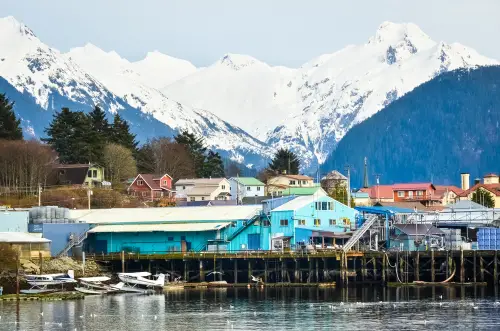
Sitka’s island location in southeast Alaska naturally separates it from fast-paced mainland life. Accessible primarily by air or sea, it operates on a different logistical timeline. Weather and daylight patterns play a major role in daily planning. That alone creates a different sense of time.
Fishing, tourism, and local traditions shape a steady but unhurried routine. There’s less emphasis on constant connectivity and more on practical timing. Residents adapt to conditions rather than rushing through them. The result is a slower, more deliberate pace.
11. Jim Thorpe, Pennsylvania
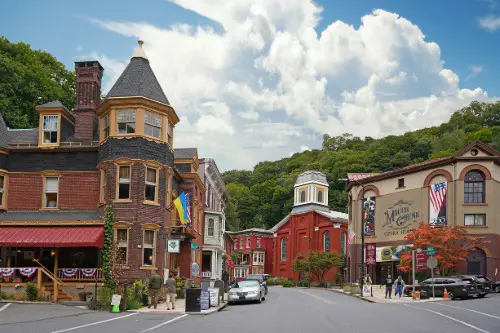
Jim Thorpe sits in a narrow valley with a preserved 19th-century streetscape. Once a coal and rail hub, it never expanded into a large modern city. Its compact layout encourages walking and lingering. The surrounding mountains reinforce a sense of separation.
Tourism centers on scenery and history rather than high-speed attractions. Shops and cafes invite browsing instead of quick transactions. The town’s scale makes everything feel close and manageable. It’s easy to settle into a slower rhythm here.
12. Mendocino, California
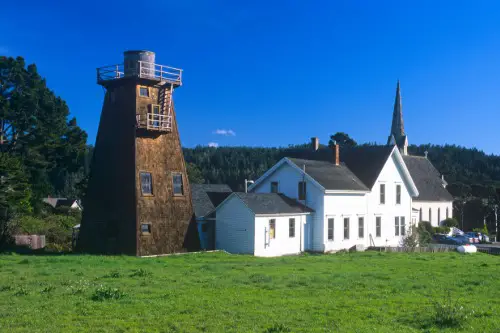
Mendocino sits on a bluff overlooking the Pacific Ocean with a small, preserved village center. Strict development rules have kept it from expanding rapidly. The dramatic coastal setting encourages quiet observation rather than constant activity. Fog, waves, and ocean views shape the mood.
Daily life often revolves around weather and natural light. Businesses close earlier than in larger cities. Visitors quickly adjust to the slower tempo. The environment makes rushing feel out of place.
13. Hermann, Missouri
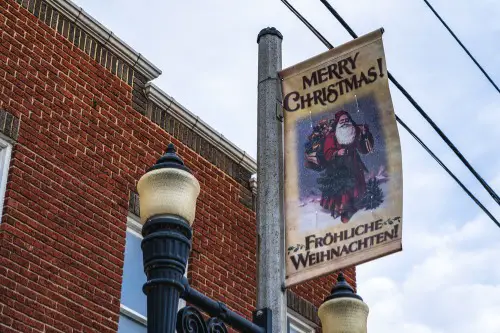
Hermann was founded by German immigrants and retains a strong connection to that heritage. Its location along the Missouri River and focus on wineries create a relaxed atmosphere. The town never developed into a large commercial center. Instead, it leaned into tradition and local production.
Seasonal events like Oktoberfest bring energy, but not chaos. Much of the year moves at a calm, predictable pace. Residents and visitors alike take time to enjoy food, wine, and scenery. It’s a place where the clock feels secondary to the experience.
This post Small U.S. Communities That Seem to Move at Their Own Pace was first published on American Charm.

